
All the stages had a special meaning for me
Linda Sue Park, Project Mulberry
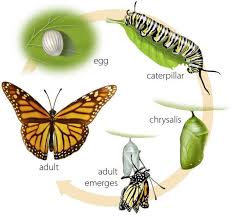
We learned a lot about moths and butterflies and we learned about their life cycle. We knew the name of the different stages and their characteristics and, although we did have some caterpillars and observed their transformations into chrysalis, we unfortunately could not see how the butterfly emerged from it.
Just the other day, Laura gave us a wonderful surprise that solved this problem…
When she said “It is white and grey and it’s got six small legs” we were almost sure: “it’s a butterfly!” some Alicia said. But it was when Laura replied “the surprise has got NO wings” that we were sure: it was a caterpillar!
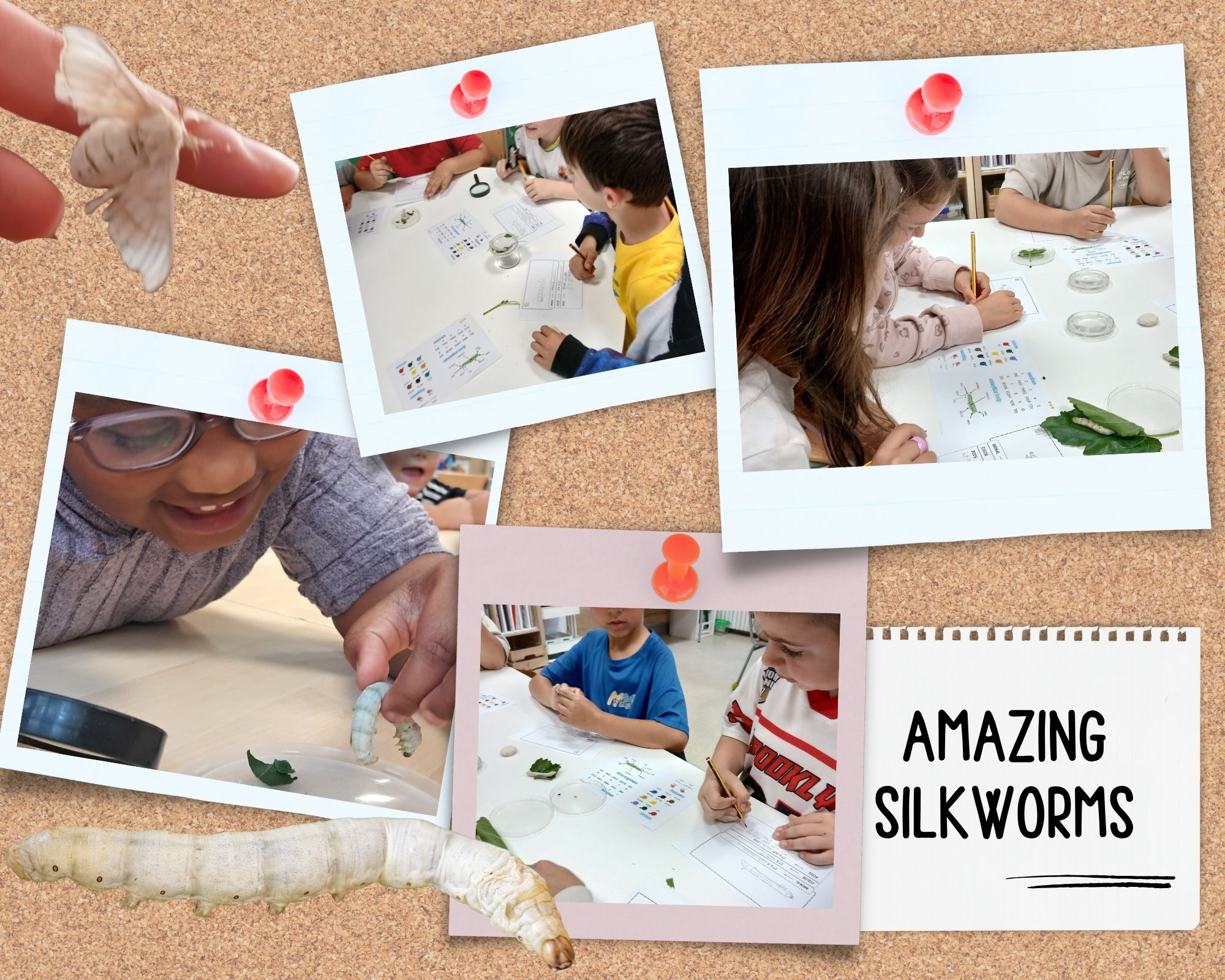
We saw a lot of special caterpillars that are very famous because they are used to produce silk (or SEDA in Catalan). Because they are so special they have a name of their own SILKWORMS.
We were fascinated by them and we touched and observed them using magnifying glasses. We later documented our observations in the notebook using the templates we had. As we were familiar with the vocabulary and the structures it was quite easy to use the templates to write our observations in English.
Once this was done, we left them in a cage and fed them with mulberry leaves. Just a week after, they started building their cocoon and to our surprise.. we observed that it was fluffy and made of a soft yellow thread. That is where silk comes from!
We only needed to wait two more weeks to say hello to the moths and we saw that they had a white and soft body and two feathery antennae. The surprise was that, even though they had four white wings, they did not fly! We left them on the garden to set them free but in the cage we saw a lot of little grey balls… the eggs!
In the end, we SAW the complete life cycle of a moth!