FROM THE OLDEST PERSON TO THE LONGEST PAPER
26/10/25“Language is best taught when it is being used to transmit messages, not when it is explicitly taught for conscious learning.”
Stephen D. Krashen
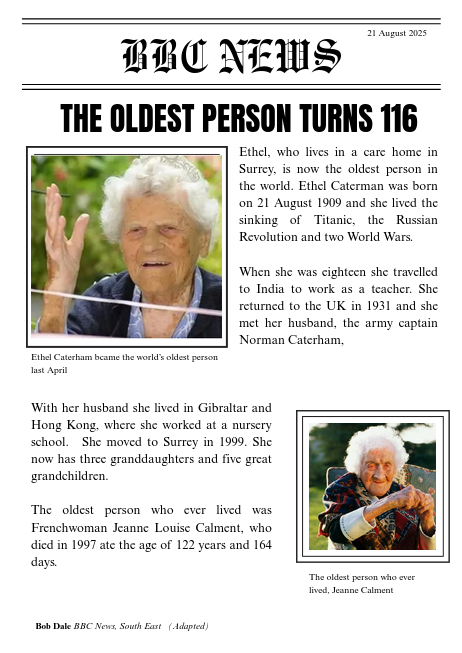
In a book, someone found an article that made us wonder… How long can a person live?
Reading an article, we discovered that the oldest person living now is an English woman who is now 116. The record is not hers,though, because the oldest person who has ever lived was a French woman, Jeanne, who died when she was 126!

We also looked at a map and we focused on the way they use colours and symbols to give a lot of information in a very little space. Can you see where people live the longest? And the shortest? Looking at the map we found out that in Spain people live an average of 84 years. “No pot ser… Jo conec gent més gran de 84!” someone said in class. We supposed that this had something to do with a word that was still a mystery… AVERAGE.
We were not so confused with “the oldest” or “the longest”, other new structures that we also found in the texts: we guessed that it was ”la més vella” and “la més llarga” just by using the context of the text and our previous knowledge. Reading in English is not that difficult!
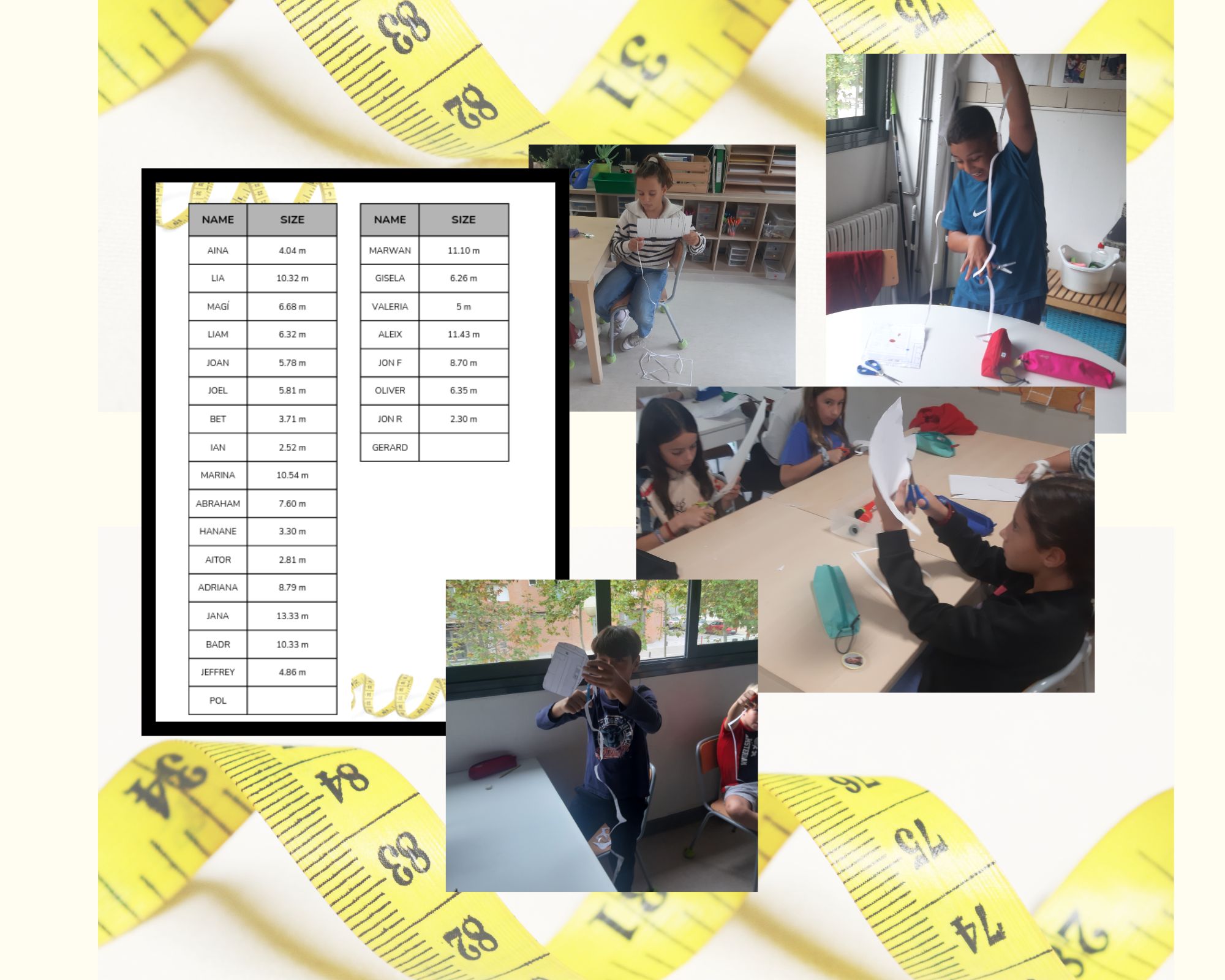
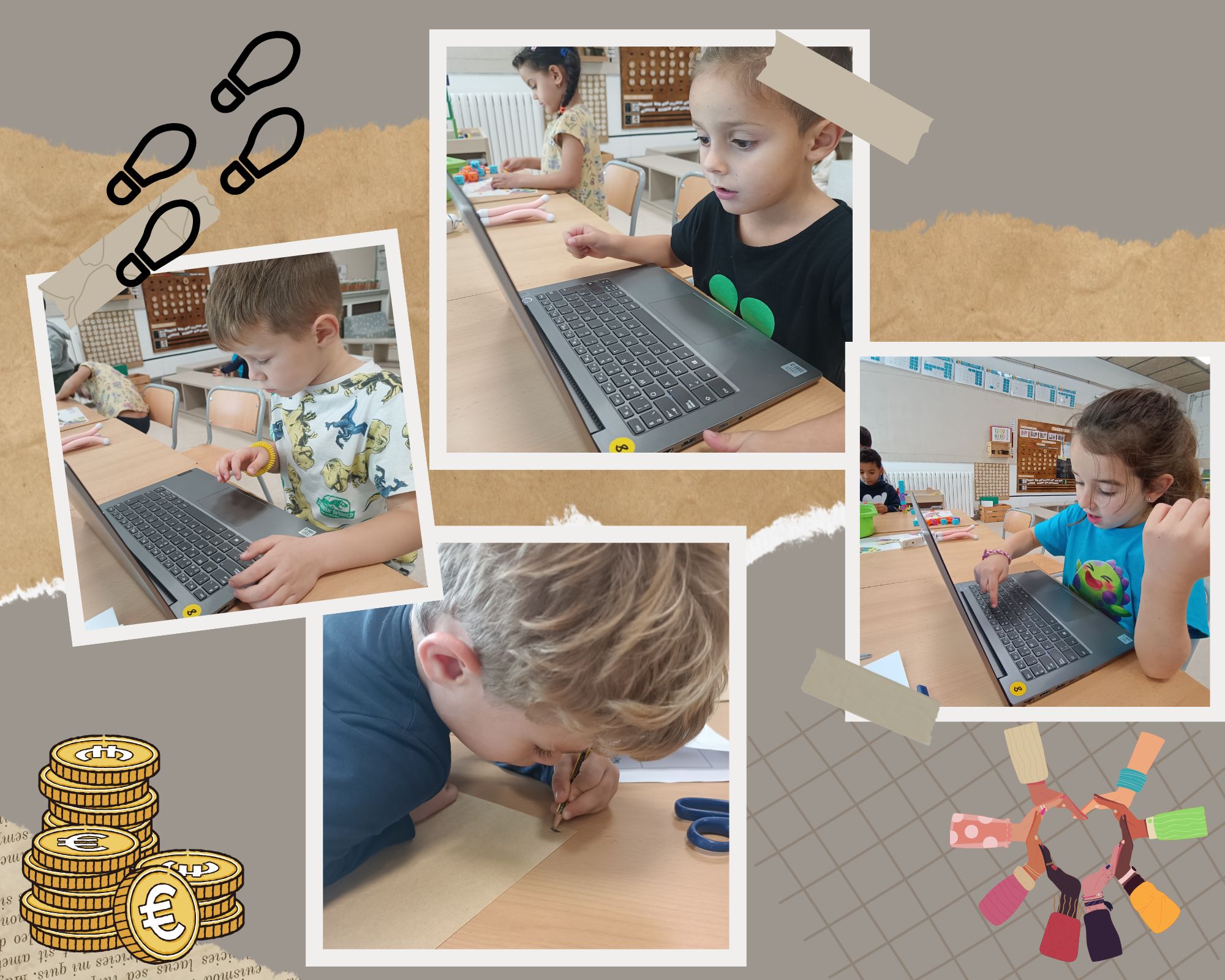
We still needed to discover what the average was and we suddenly were faced with a challenge: making the longest strip of paper with an A4 sheet. It was so fun! We cut and measured very carefully our strips and we organized all the data in a chart.
This chart offered a precious opportunity to use the previously learned structure in context and we started to read and say sentences comparing our results. “Jana’s paper is the longest“,“Liam’s paper is longer than Jana’s”, “ No, it is shorter” are some of the sentences that occurred in the conversation. We are now ready to use this structure with any other adjective! What can we do with the Petits Princeps that didn’t do the activity? We can assign them the average!
After a lot of examples, including sweets and shoes, we learnt how to calculate the average. It implied so many mathematical operations that we have not finished yet! We are sure that in our quest for the average we will encounter opportunities to put this language in practice!