THE TOOTH FAIRY

“Languages aren’t just made of words. They’re modes of looking at the world.”

R.F.Kuang

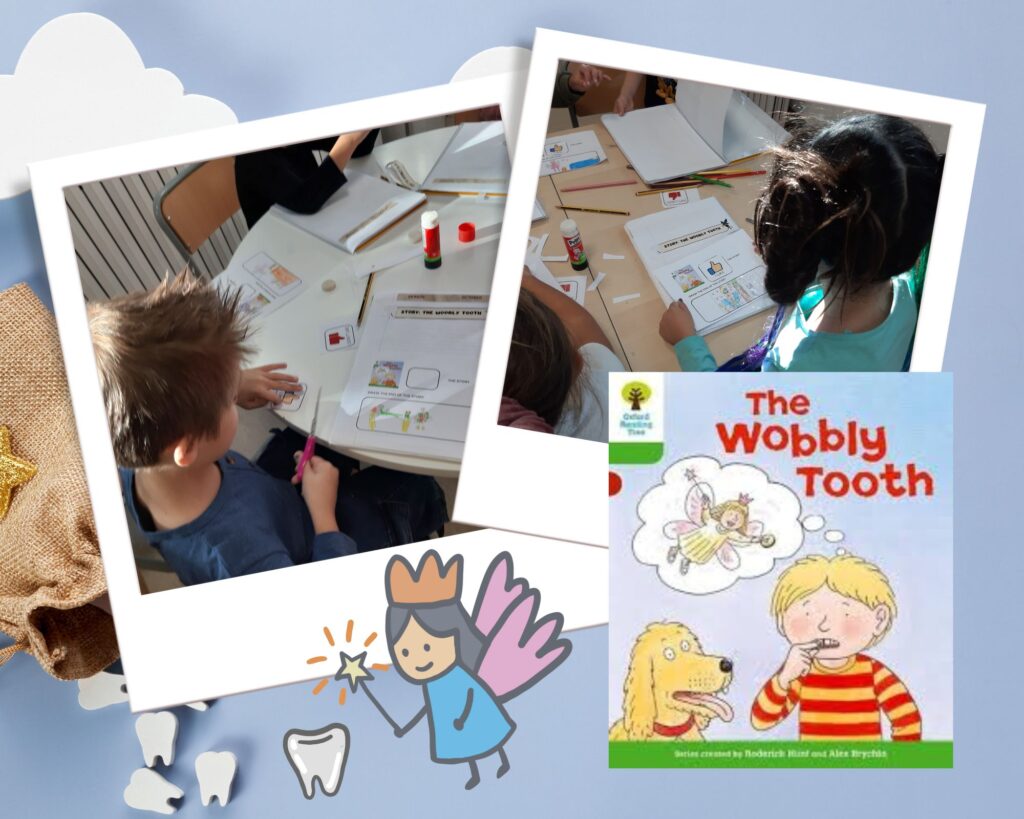
Talking about teeth we also talked about what happens when a tooth falls… 

For most of us it is “Ratoncito Pérez” who comes and leaves a present under our pillows while in other houses it is “la fada de les dents”

We discovered that the tradition in England is very similar and that it is also the TOOTH FAIRY who comes and changes the teeth for money.  We listened to a story about a boy who has a wobbly tooth, just like some of us, and he can’t find the tooth when it falls! Where is the tooth?

The images and all our previous ideas about tooth traditions helped us understand the story and imagine how the story would end.  

No one guessed the ending!

After listening and reading the story again it was time to express our opinions about the story both orally and in writing.  We really liked the story! What about you? Click and read. Did you guess the ending?

We also pretended that we were tooth fairies searching for the tooth with a game. Click to play!
FROM THE OLDEST PERSON TO THE LONGEST PAPER

“Language is best taught when it is being used to transmit messages, not when it is explicitly taught for conscious learning.”

Stephen D. Krashen

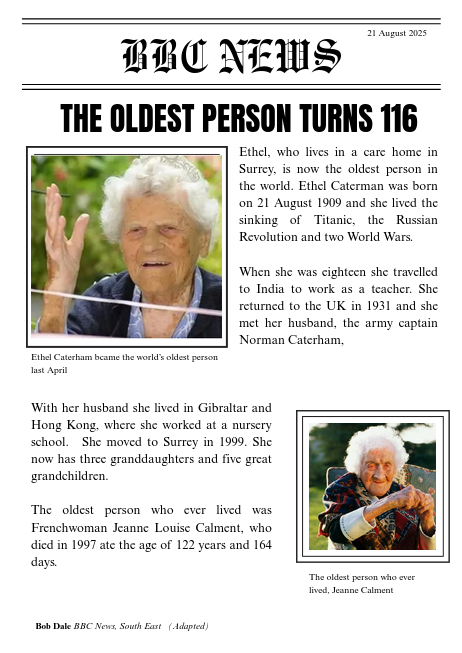
In a book, someone found an article that made us wonder… How long can a person live? 

Reading an article, we discovered that the oldest person living now is an English woman who is now 116. The record is not hers,though, because the oldest person who has ever lived was a French woman, Jeanne, who died when she was 126!

We also looked at a map and we focused on the way they use colours and symbols to give a lot of information in a very little space. Can you see where people live the longest?  And the shortest? Looking at the map we found out that in Spain people live an average of 84 years.  “No pot ser… Jo conec gent més gran de 84!” someone said in class. We supposed that this had something to do with a word that was still a mystery… AVERAGE.

We were not so confused with “the oldest” or “the longest”, other new structures that we also found in the texts: we guessed that it was la més vella” and “la més llarga” just by using the context of the text and our previous knowledge. Reading in English is not that difficult!  

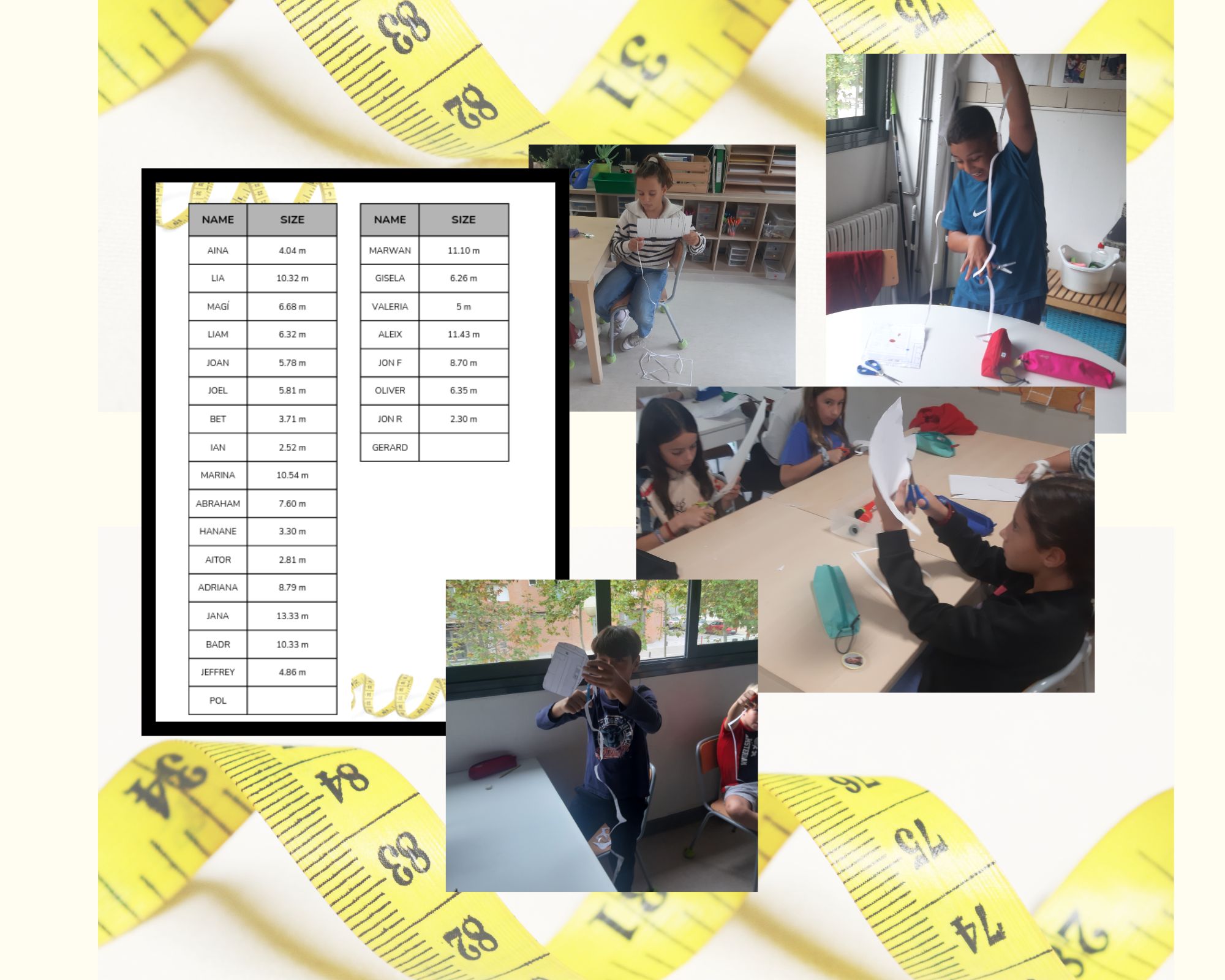
We still needed to discover what the average was and we suddenly were faced with a challenge: making the longest strip of paper with an A4 sheet. It was so fun! We cut and measured very carefully our strips and we organized all the data in a chart. 

This chart offered a precious opportunity to use the previously learned structure in context and we started to read and say sentences comparing our results. “Jana’s paper is the longest“,“Liam’s paper is longer than Jana’s”, “ No, it is shorter” are some of the sentences that occurred in the conversation. We are now ready to use this structure with any other adjective! What can we do with the Petits Princeps that didn’t do the activity? We can assign them the average!

After a lot of examples, including sweets and shoes, we learnt how to calculate the average. It implied so many mathematical operations that we have not finished yet! We are sure that in our quest for the average we will encounter opportunities to put this language in practice!

PANELLETS: READING RECIPES


“Learn how to cook—try new recipes, learn from your mistakes, be fearless and above all have fun.”

Julia Child

As you know, Tanits have a very important mission: organizing the autumn activity of making “panellets”.  

We agreed on the recipe but… can we recognise that same recipe in English?

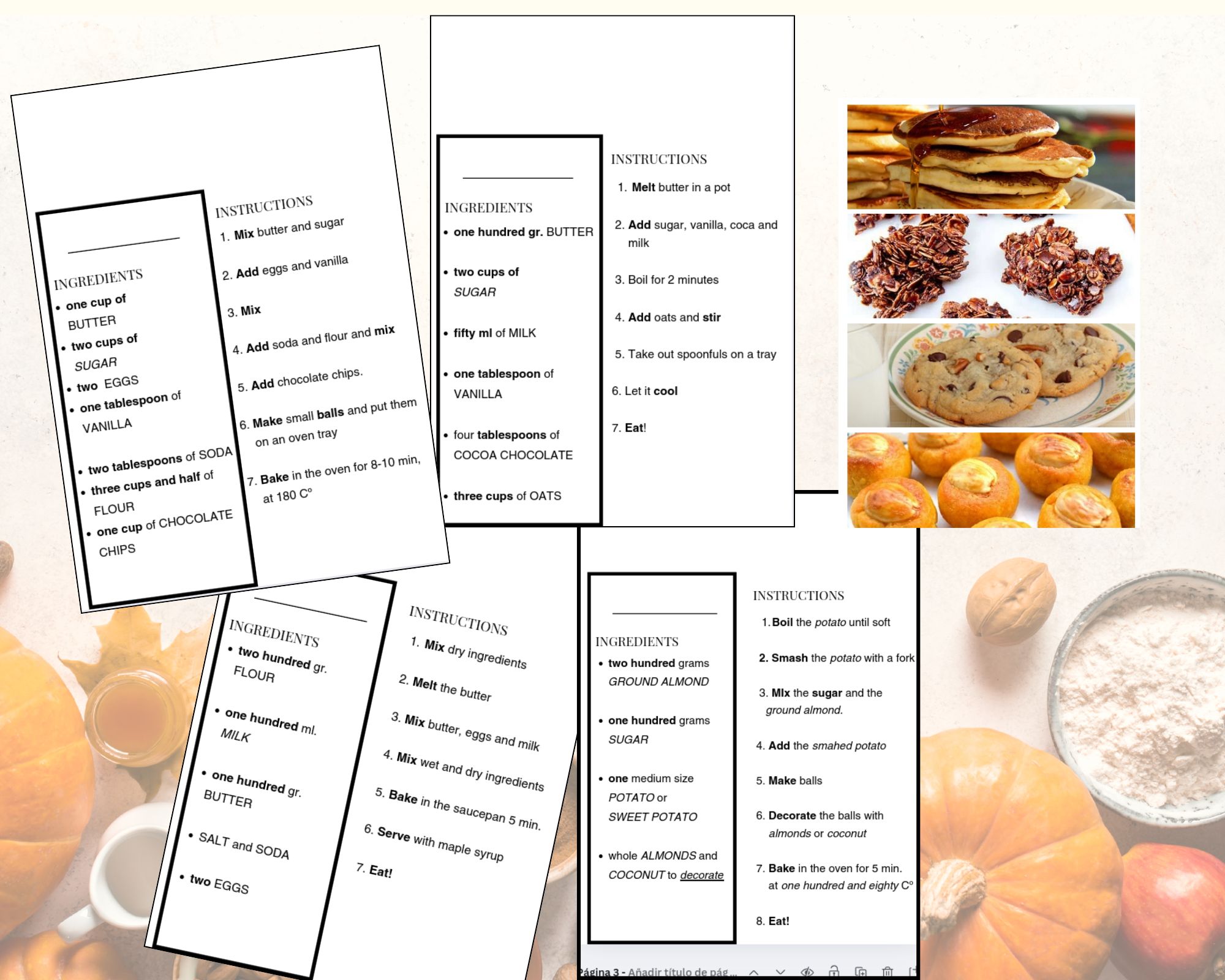
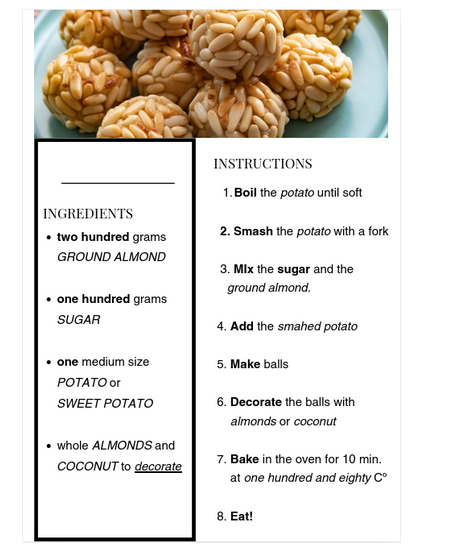
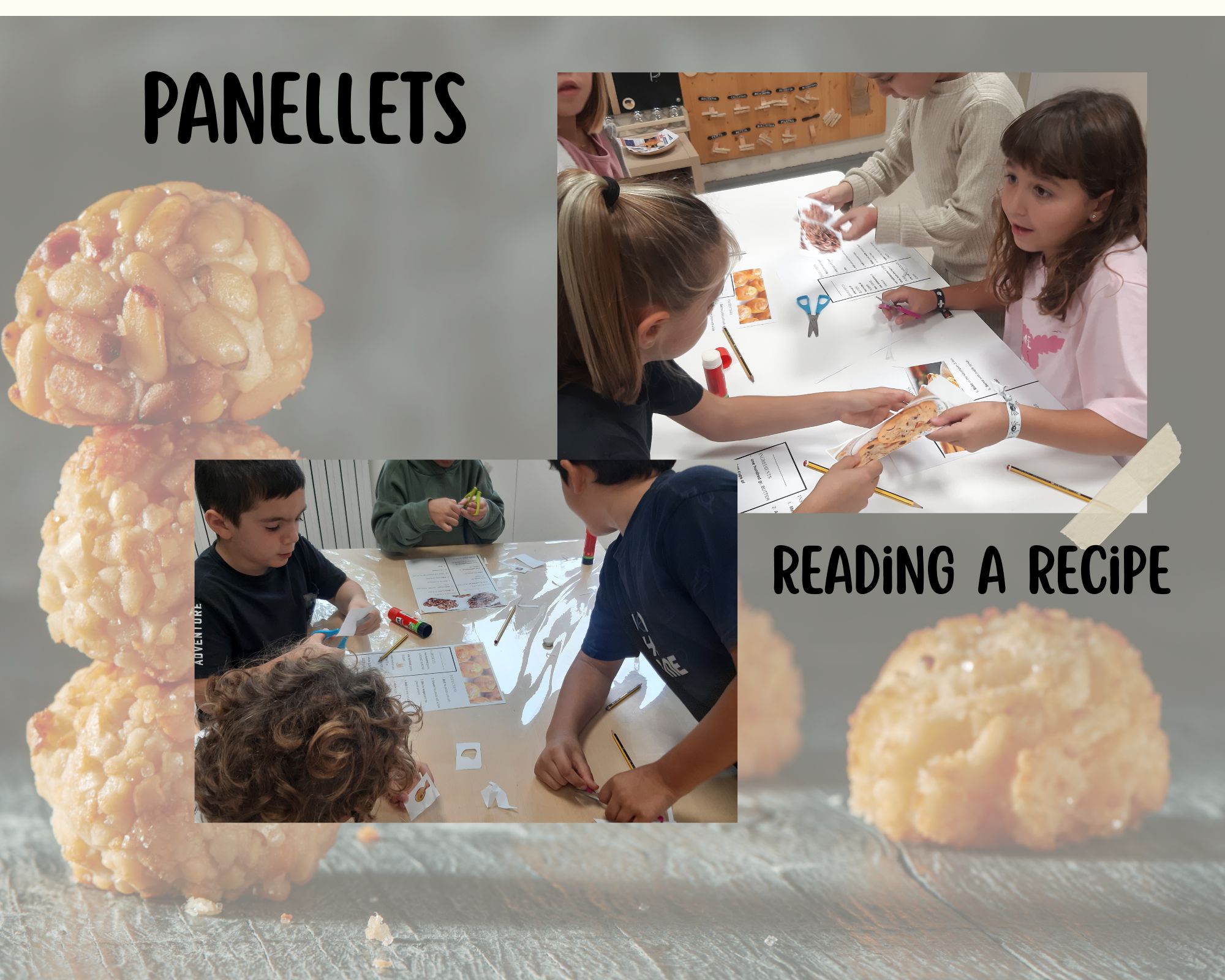
We had a set of dessert recipes among which we had to locate the “panellets” one. Difficult? Not at all!  Working in small groups, we discovered that every Tanit used a different strategy to do the task: looking at the numbers, finding the key words (almonds and sugar) in the text or eliminating recipes when we discovered ingredients that are not necessary in panellets (Milk- als panellets no hi ha llet!, aquesta no és!). Matching each recipe with its corresponding image was a bit more complicated but not impossible using the strategies we have shared. 

When we discovered the recipe it was time to read it more carefully and understand all the steps. Since last year we cooked pancakes in class, we were familiar with some vocabulary and it was quite easy to recognise words like MIX and ADD. We also discovered new words like SMASH and BAKE

Do you know these words in Catalan?  Just do like we did in class to guess the meaning: use what you already know about the recipe and the images to help you understand the text.

ENCOURAGING READING

”If you don’t like to read, you haven’t found the right book.”

J.K. Rowling

As you know, once a week we read books in English. We decide the book we want to read from the English library where we can find books of all kinds of genres: picture books, comics, short adapted novels, magazines, cook books and other non-fiction books like biographies, encyclopedias and other scientific books.  

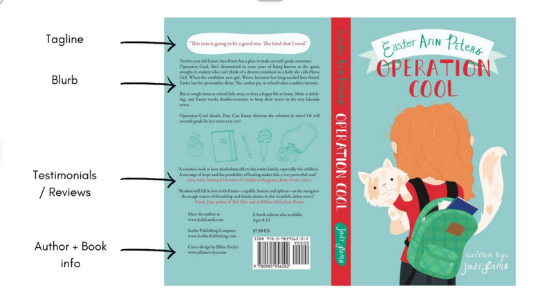
Choosing a book to read is a very important decision… You have to read the title, look at the pictures and read the blurb to see if it is interesting for you. In the case of reading for pleasure in English there is another aspect you have to consider: the complexity of language.  

In order to have fun when reading, we need to get a book that is just a bit above our level of competence so we can put into practice the reading strategies we are learning in class and understand the general meaning of the texts. We sometimes need to use the dictionary to understand words but, normally, looking at the images and the key words is enough.

As we are the oldest in the school, we are in charge of making recommendations to our school mates to help them to do with the books in English. 

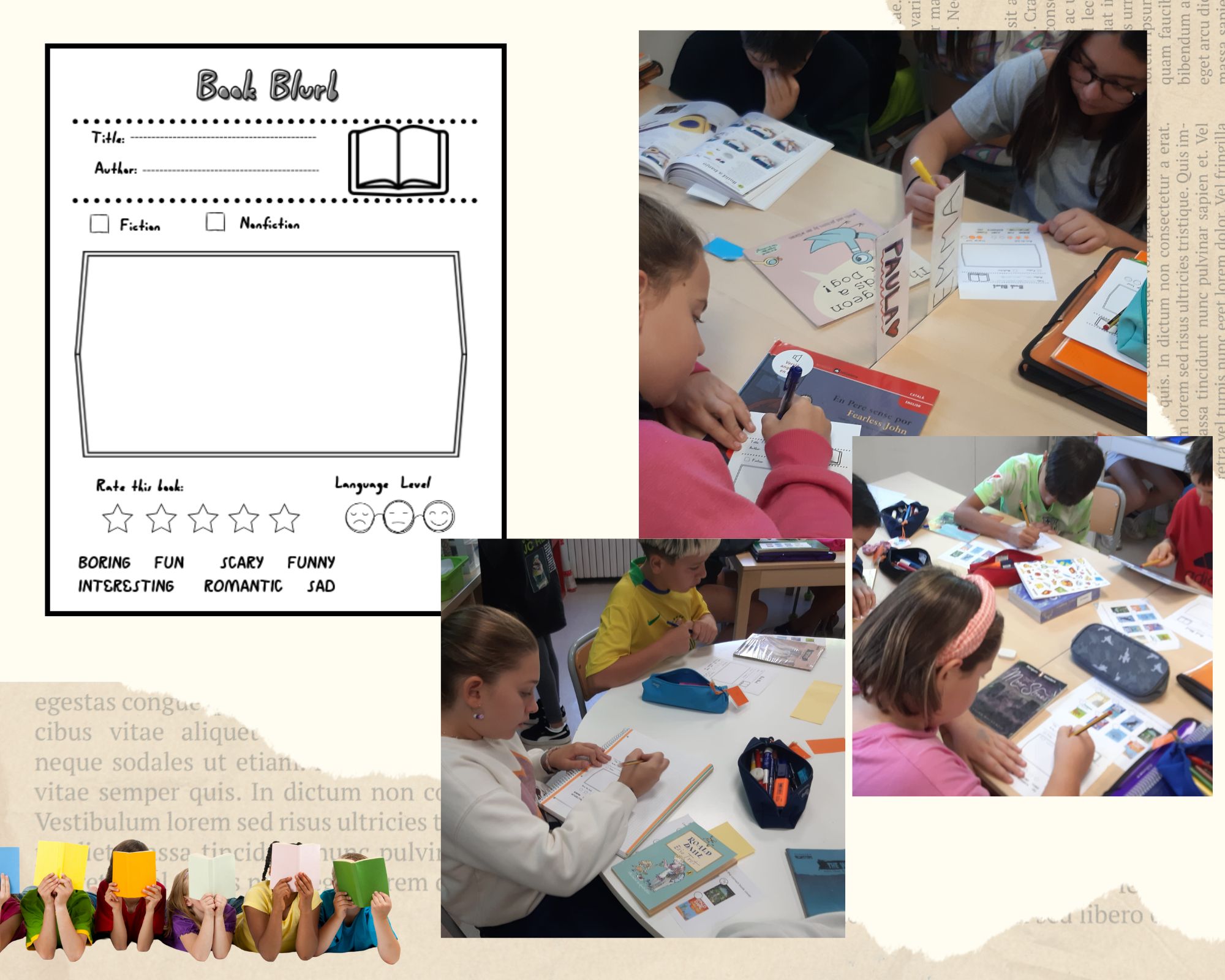
When we finish reading a book, we complete a short card with the basic information about the book. We use templates to write the book summary and we give our opinion about the book and the level of language. By doing so, we not only think about what we have just read, we share our opinions about reading and share enthusiasm while practising our writing skills in a meaningful context. 

PLAYING WITH NUMBER 20

“Play gives children a chance to practice what they are learning.” — Fred Rogers

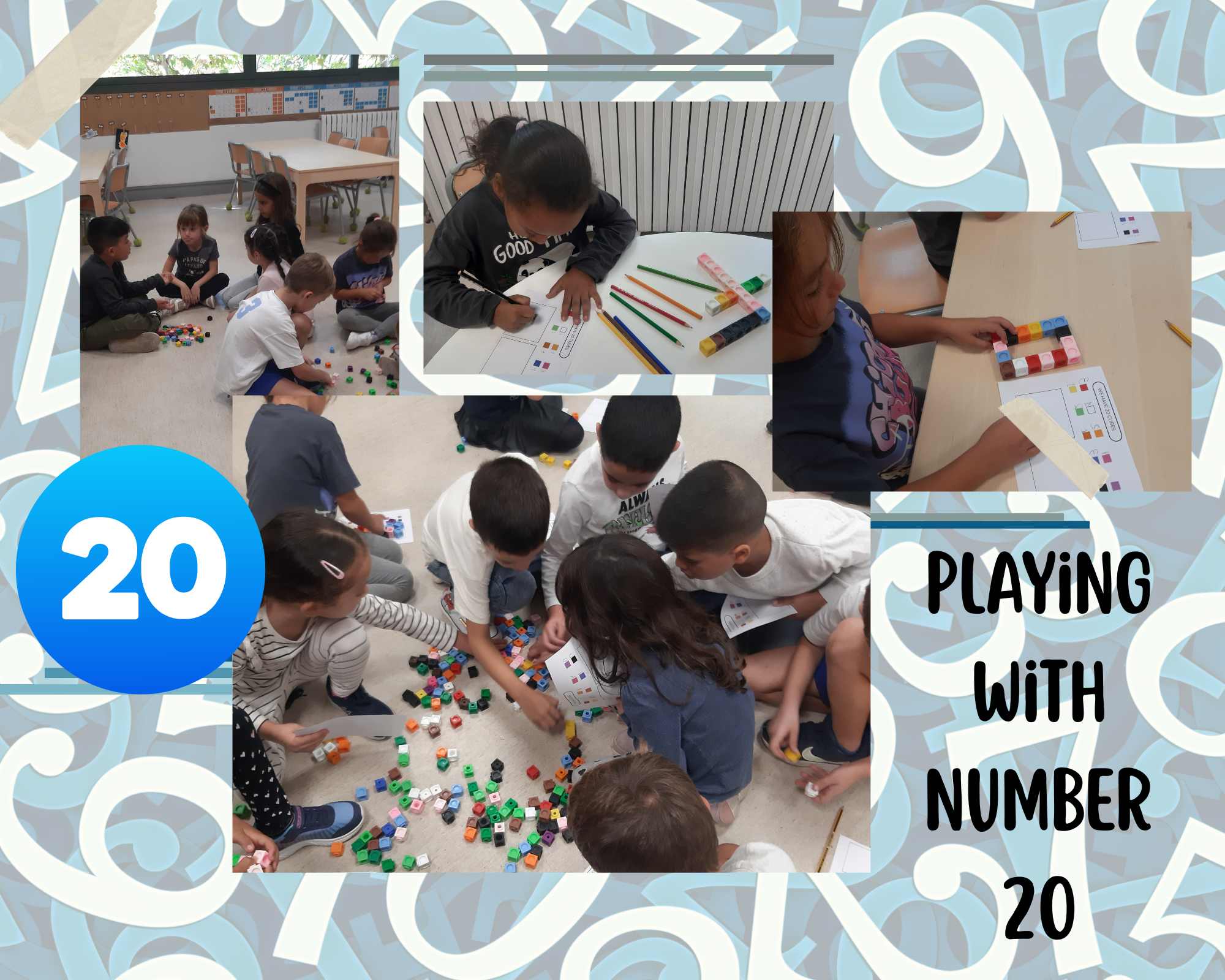
As you know, we are the “20 Pack,” and we’ve been doing lots of fun activities related to this number. We discovered that half of 20 is 10, and we explored different ways to represent it.

We had a great time playing with cubes. Without looking, we had to pick twenty cubes and use them to create our own imaginative shapes. It was really fun and gave us the chance to practice counting in English and review colours. We even learned some new ones, such as brown, white, and purple.

We also practiced recognising quantities at a glance when Laura showed us strings of cubes — we had just five seconds to count them!All in all, these playful and engaging activities helped us listen to and talk about numbers and colours in a relaxed and enjoyable way. Moreover, because the vocabulary was naturally repeated and used in meaningful contexts, it supported a more natural and lasting acquisition of new words.

ABOUT FLAGS

“A true flag is torn from the soul of people. A flag is something that everybody owns, and that is why they work” Gilbert Baker


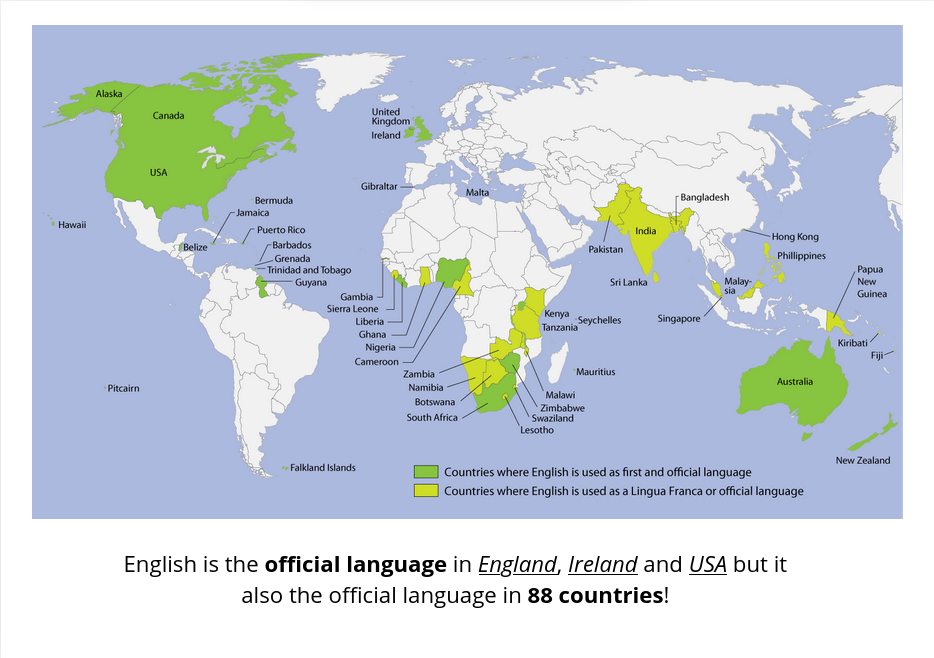
During all September we have been working on flags. It all started when we used flags to reflect on the countries where people speak English as a first language. We all knew about the USA, UK and Ireland but we were surprised to discover that it is also spoken in some countries of Africa and Asia. English is an official language in 88 countries in total!  

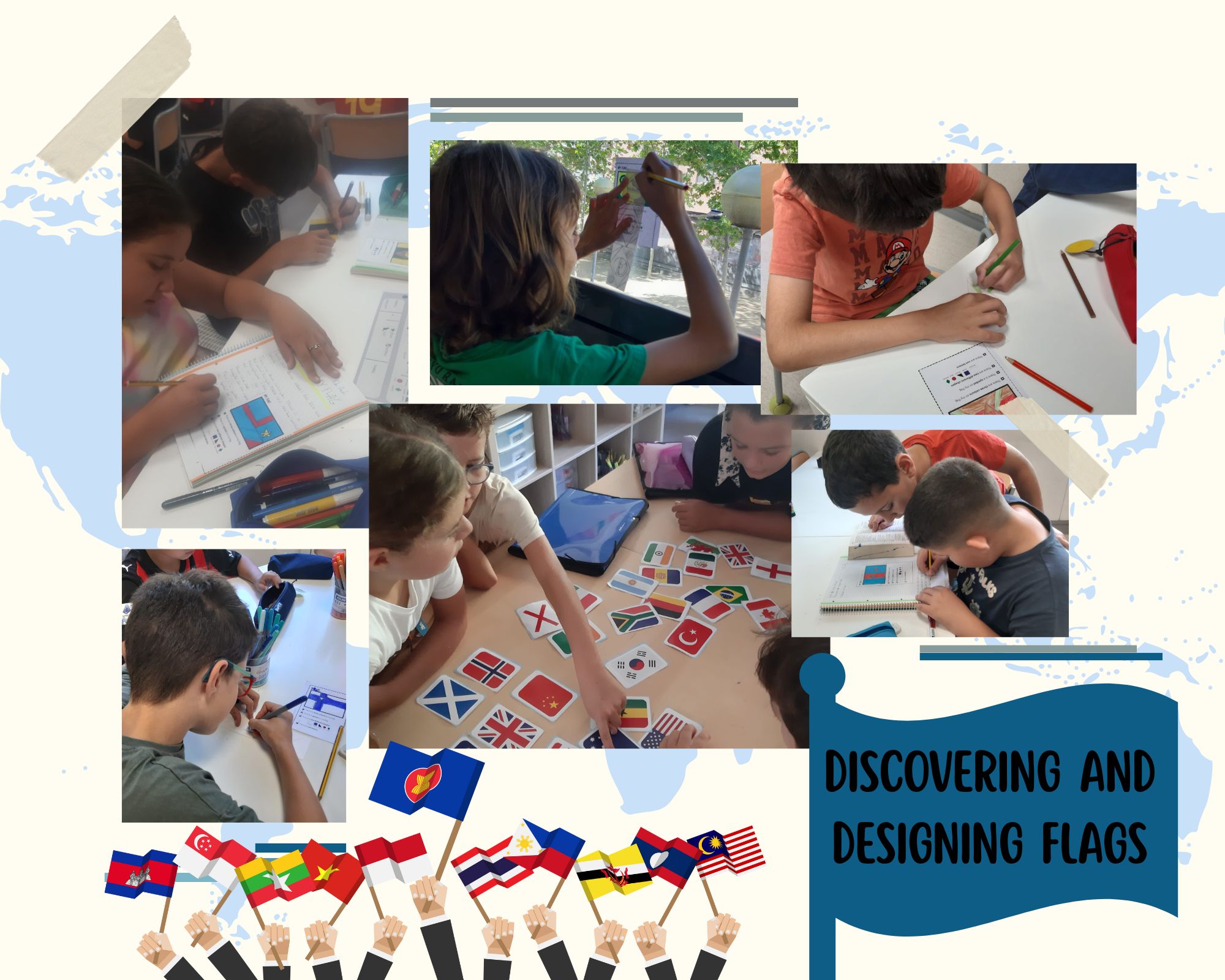
Every country has a flag to use as a symbol and we are familiar with a lot of them. By observing a set of flags we discussed and found that some are very similar and have some characteristics in common.  We discovered that they have plain colours and that there are some shapes like the rectangles, squares or circles in them. We also noticed that in some of them there are symbols but letters or numbers in them are not so common. 

Once our flag was ready, we had to imagine how to use it to design our English bookmark.

We also continued to put into practise our reading and listening skills by playing games in which we had to match descriptions to the corresponding flag. It was quite easy to understand the oral and written texts because the previous activities done in class helped us familiarize with the vocabulary related to flags. 

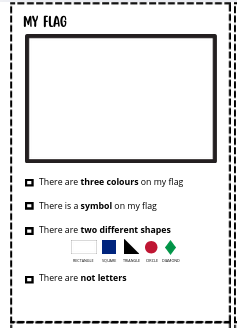
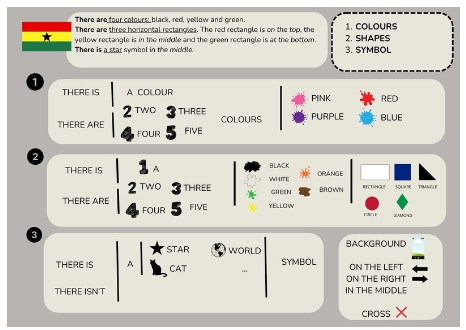
The final task in all this process was to describe our own flag. We thought it was difficult but we had example descriptions and writing frames that guided us in the process. These tools are very useful to write texts because they help us write correctly and they can be easily adapted: we can just follow the basic instructions or we can include the extra vocabulary. The important thing is that we can all write the description of our flag!

Take the challenge: create and describe your own flag!

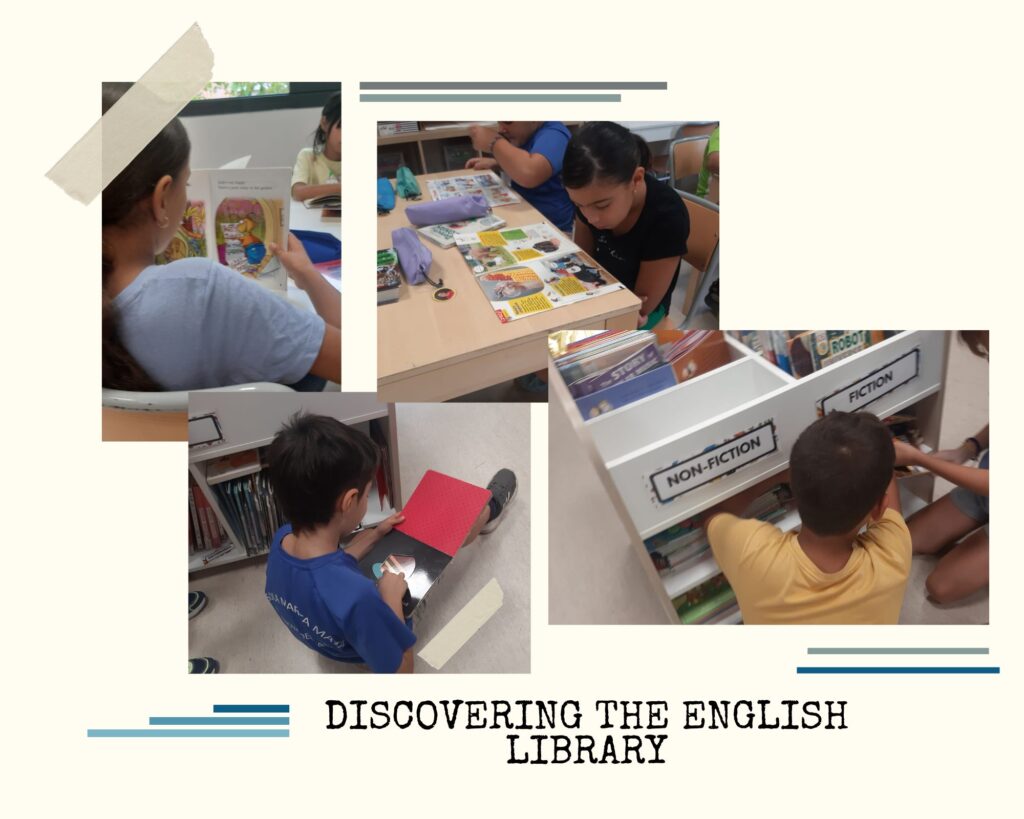
DISCOVERING THE ENGLISH LIBRARY

“It is what you read when you don’t have to that determines what

you will be when you can’t help it.”

Oscar Wilde

We are now Tintins and one of our routines is reading in English every week.

We read some books in English last year but we never thought about how they were organized in the library.

We discovered that the portable library has lots of books and they are organized in two categories: fiction (invented stories) and non-fiction (books with biographies, scientific information or recipes). In the library there are also storybooks we know and magazines full of comic strips.We also discovered that there are books of all levels of language and that sometimes the most simple books are the most difficult to understand. Fortunately we have the classmates, the teachers and the dictionaries to help us!

By deciding which book to read in English we can adjust the book to our interests, motivation and level of language while promoting a love of reading and improving comprehension skills.

COMPARTIM EL JARDÍ AMB LES FAMÍLIES

“La fuerza del equipo reside en cada miembro. La fuerza de cada miembro es el equipo”, Phil Jackson.

Després de tot el que hem investigat i treballat per millorar el jardí i, malgrat que encara ens agradaria continuar fent coses, arriba un dels millors moments… Compartir-ho amb les famílies!

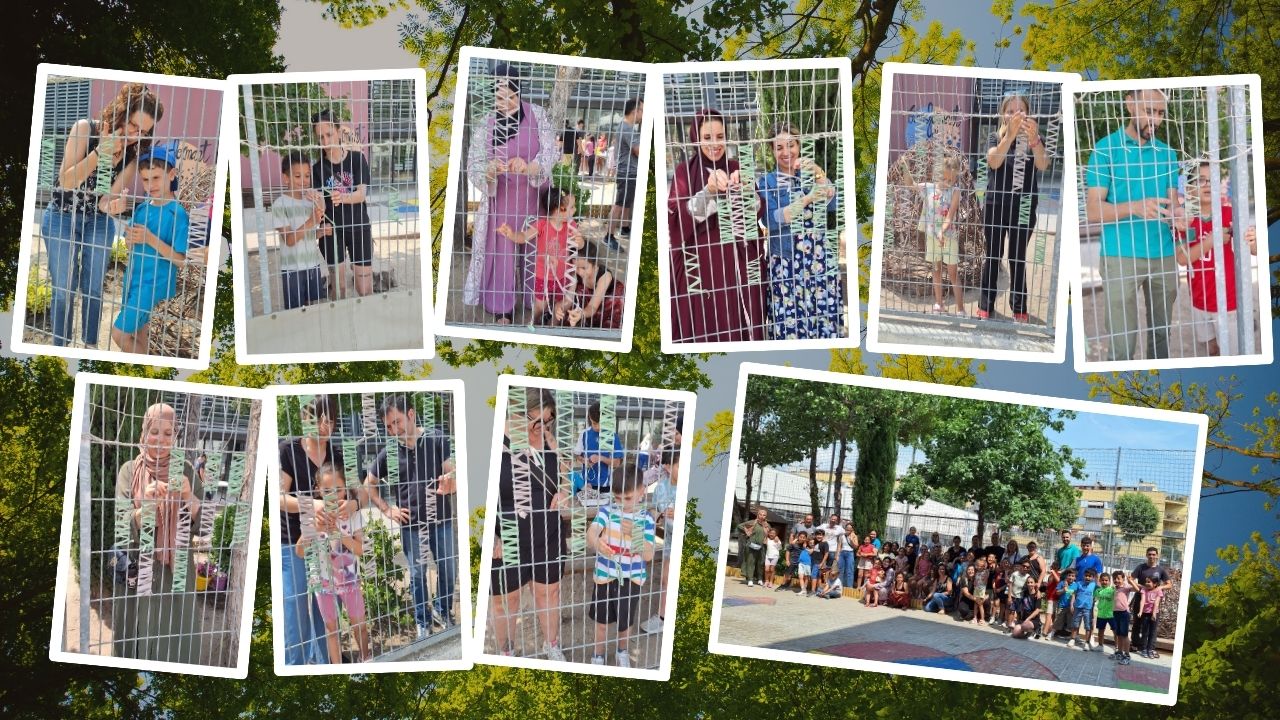
Ens preparem pel tancament recordant tot el procés i distribuint el que volem dir per tal que, el dia que vinguin les famílies, quedi ben clar com hem arribat JUNTS al fantàstic jardí que tenim avui. Però, com que el jardí és de tota l’escola, creiem que les famílies també hi han de participar d’alguna manera i decidim que seria divertit decorar la reixa que el separa de la pista.

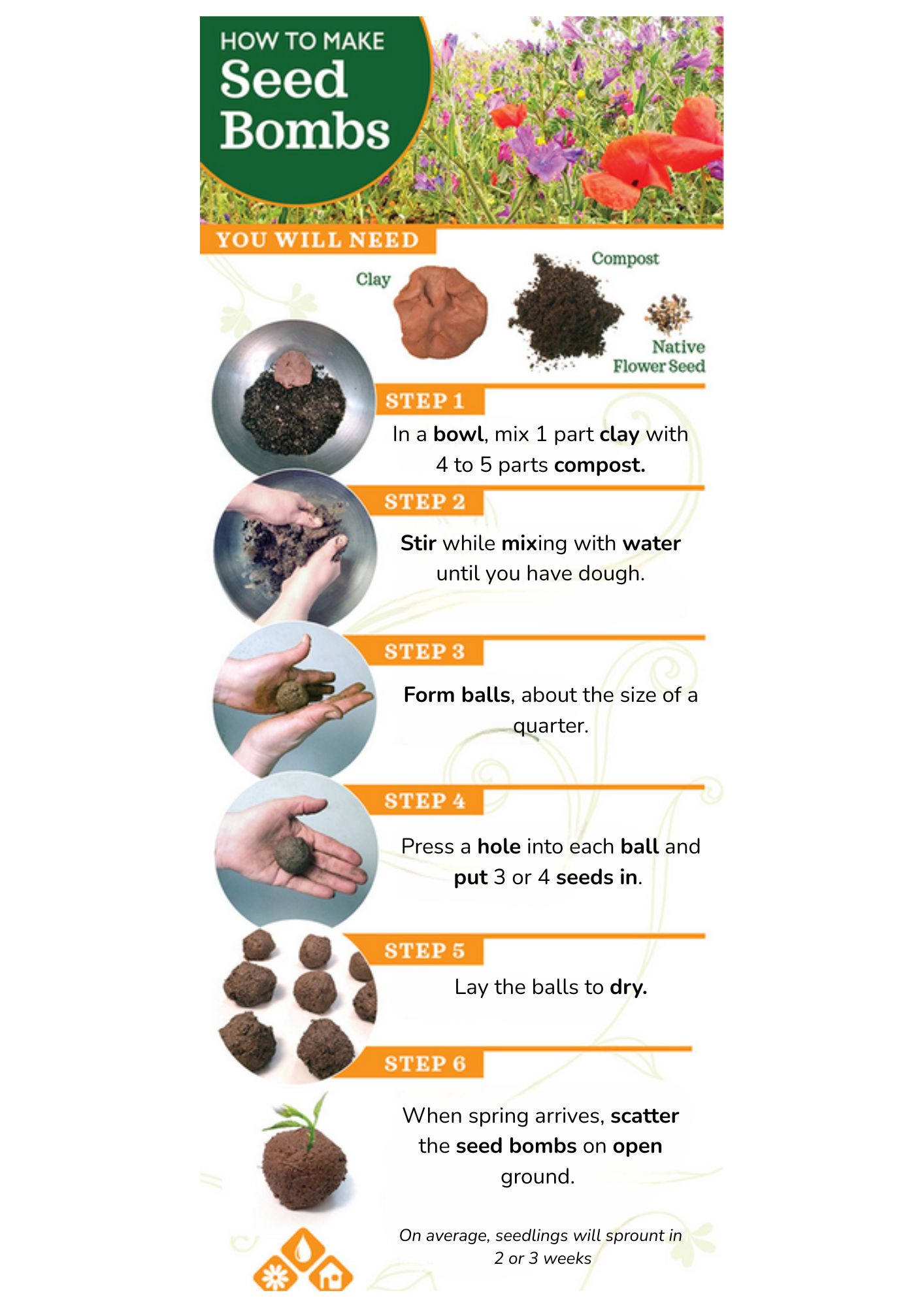
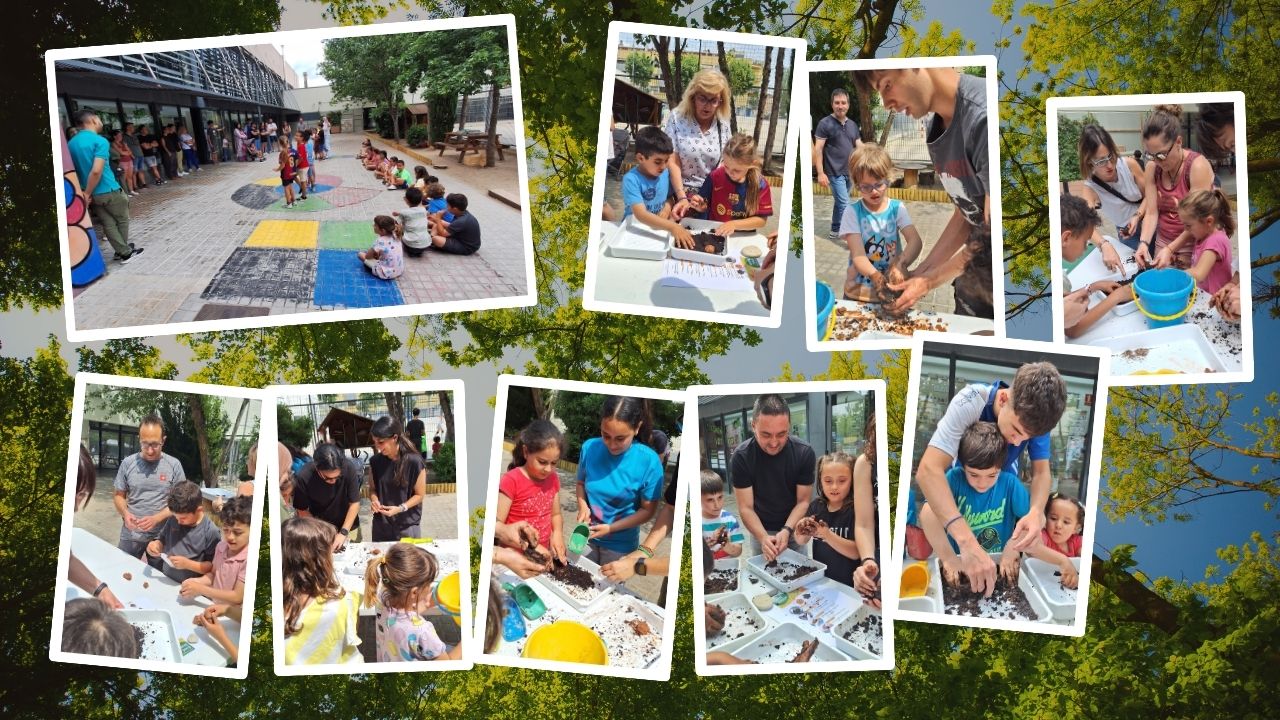
Arrel d’un còmic que llegim en anglès, ens preguntem si podríem portar el jardí a fora de l’escola i fer de Vilanova un poble més verd. Descobrim les “seed bombs” i decidim que farem bombes de llavors amb les famílies.

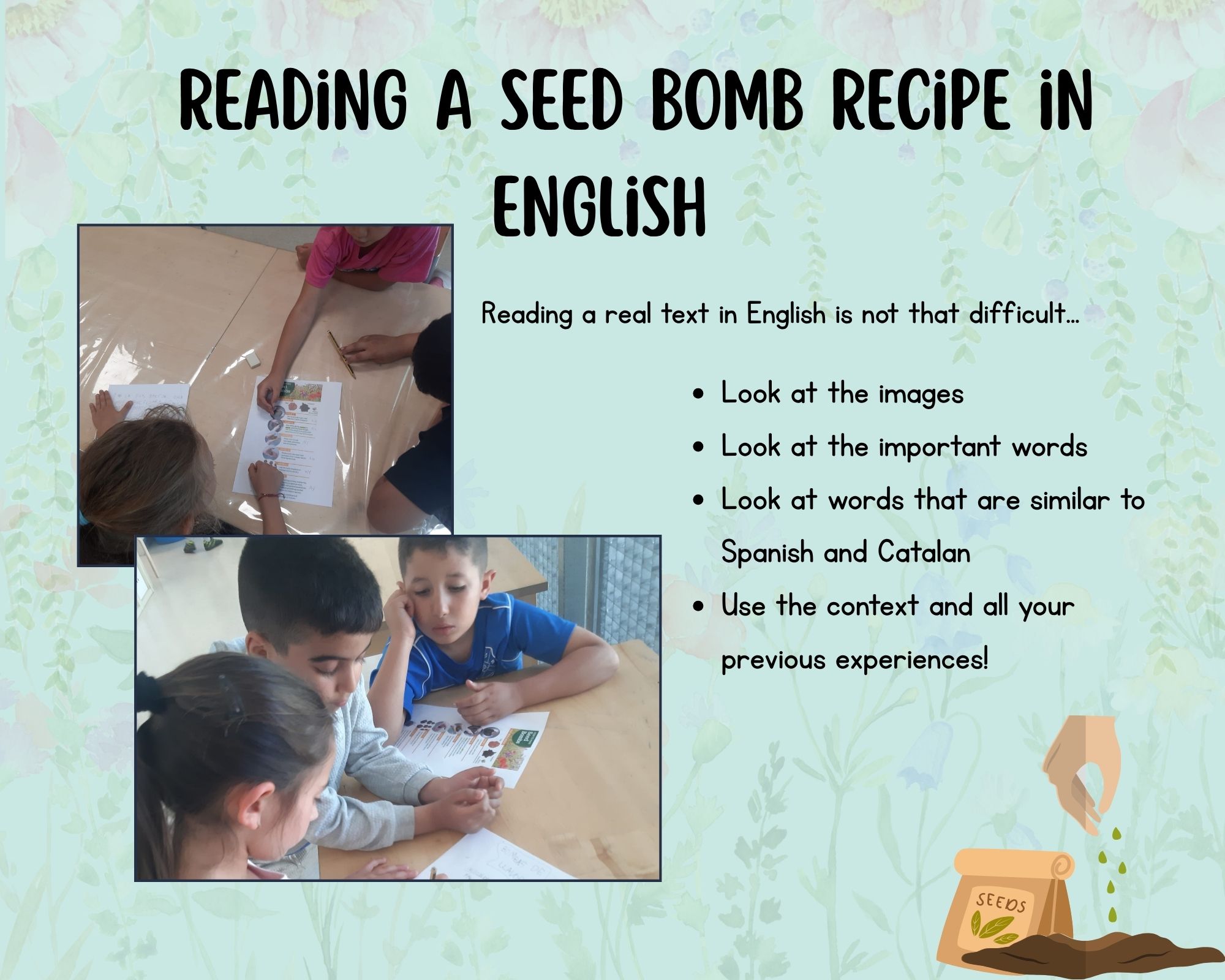
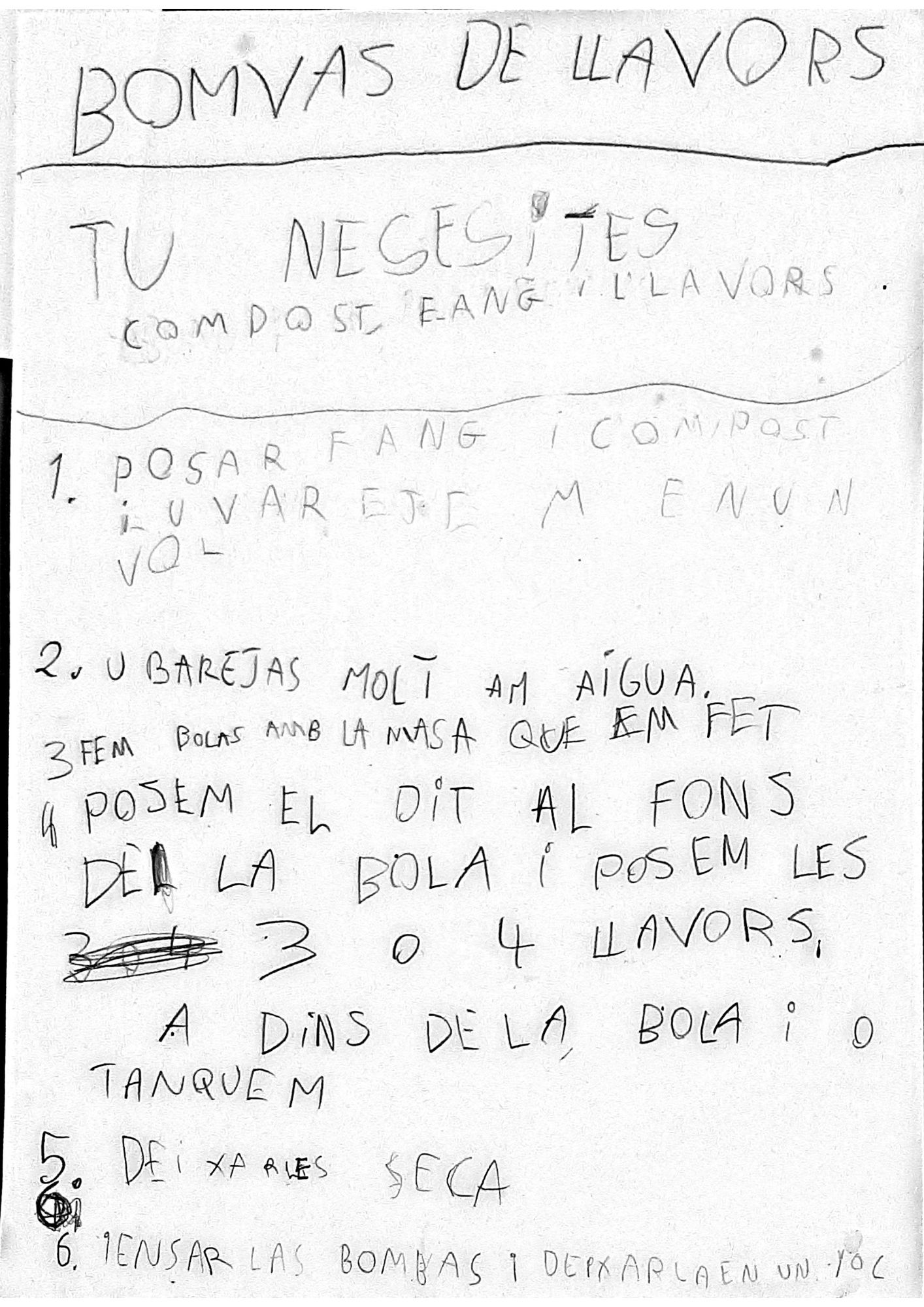
Com fem seed bombs? Llegim les instruccions en petits grups i, fent servir petites estratègies, entenem i transcrivim els passos.

Pot semblar molt difícil llegir en anglès però amb les següents recomanacions podem comprendre’n la idea general.

Ja ho tenim tot a punt: tenim el guió de l’exposició assajat i ja hem preparat tot el material per fer les activitats amb els nostres pares, les nostres mares, germans, germanes, avis, àvies i la resta de familiars.

Estem una mica nerviosos i nervioses però, per fi, ha arribat el dia i obrim les portes de la nostra aula. Les famílies ens escolten atents mentre expliquem de manera ordenada i clara els passos que hem seguit per transformar el jardí.

Un cop al jardí, els convidem a teixir per cobrir les reixes de la pista, a fer bombes de llavors i, així, fer seu també el jardí.

Gràcies famílies per aquesta estona compartida i per ajudar a fer més gran i únic el jardí!

EXPERIMENTING WITH MAGNETISM

After learning about “grounding” we learned that around the Earth there is a magnetic field and we wondered about magnetism. What do we know about magnets?

After a brief brainstorming and some reading, we saw the connection between the poles in a magnet and the Earth poles, we remembered how magnets work (two different poles attract whereas two same poles repel) and we reflected on many magnets do we use in our real life. Magnets are not only to attach papers on the fridge!

It was time to put all this knowledge into practice and try to solve different questions:

-How can we know the poles on magnet without colours?

-Can we see the magnetic field?

-Can we make a pencil levitate?

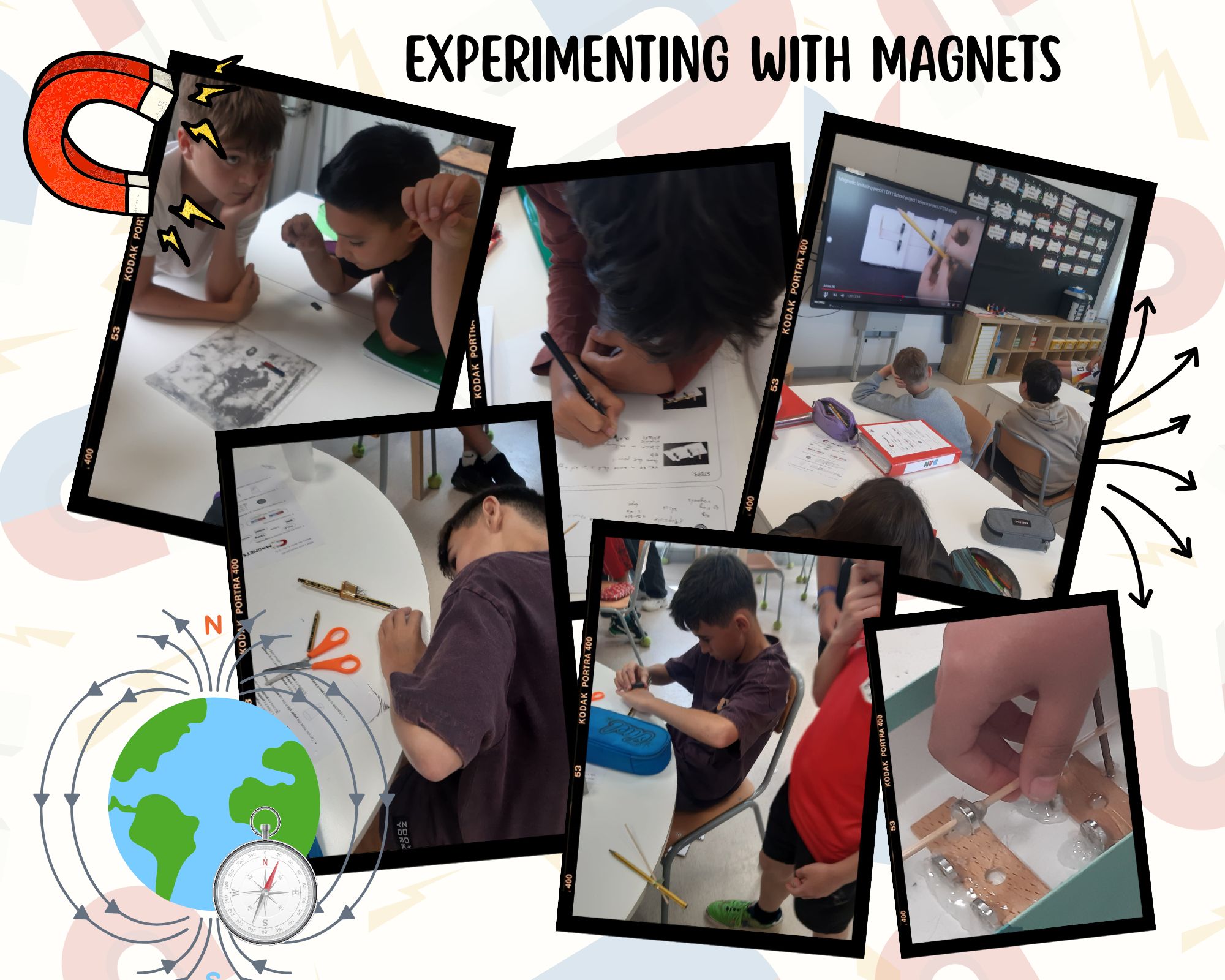
We had everything we neeeded to answer the questions: magnets, school objects, compasses, iron fillings and our creativity!

We saw the magnetic field using a magnet and some iron fillings and we found the poles on a magnet using a compass. Making a pencil levitate seemed impossible though!

After watching a tutorial, we realised that we colud make a pencil levitate using magnet properties. Do you want to do it at home?

TALKING WITH OUR CHARACTER CARDS

As you know, this course we are learning a lot about how to write our own stories. We learned the characteristics of the plot and which were the most traditional characters. We even designed our own character in English!

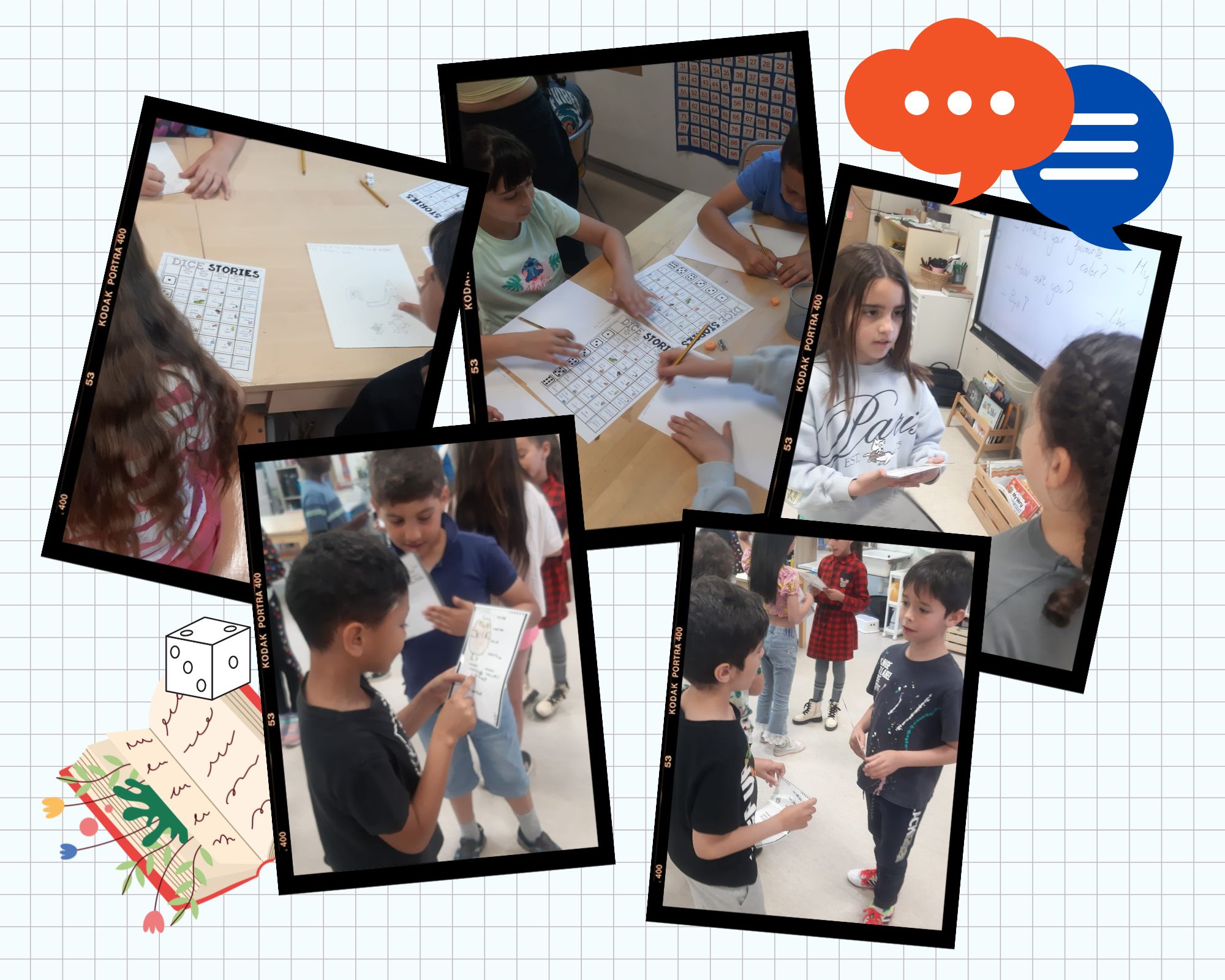
We drew, named and described our characters on a Role Card. With all the cards finished it was time to use them! We used the cards to play and practise vocabulary that is very useful when we meet other people but that we rarely use because… we know each other very well! It was very fun to talk to the class mates and discover their funny names.

To continue exploiting our creativity, we created our own stories in English. Well, with the help of some dices and a template, luck decided the scene, time and characters for a future story for which we already drew a picture. . An easy way to practise reading skills and give ideas for writing.