WRITING FORMAL LETTERS

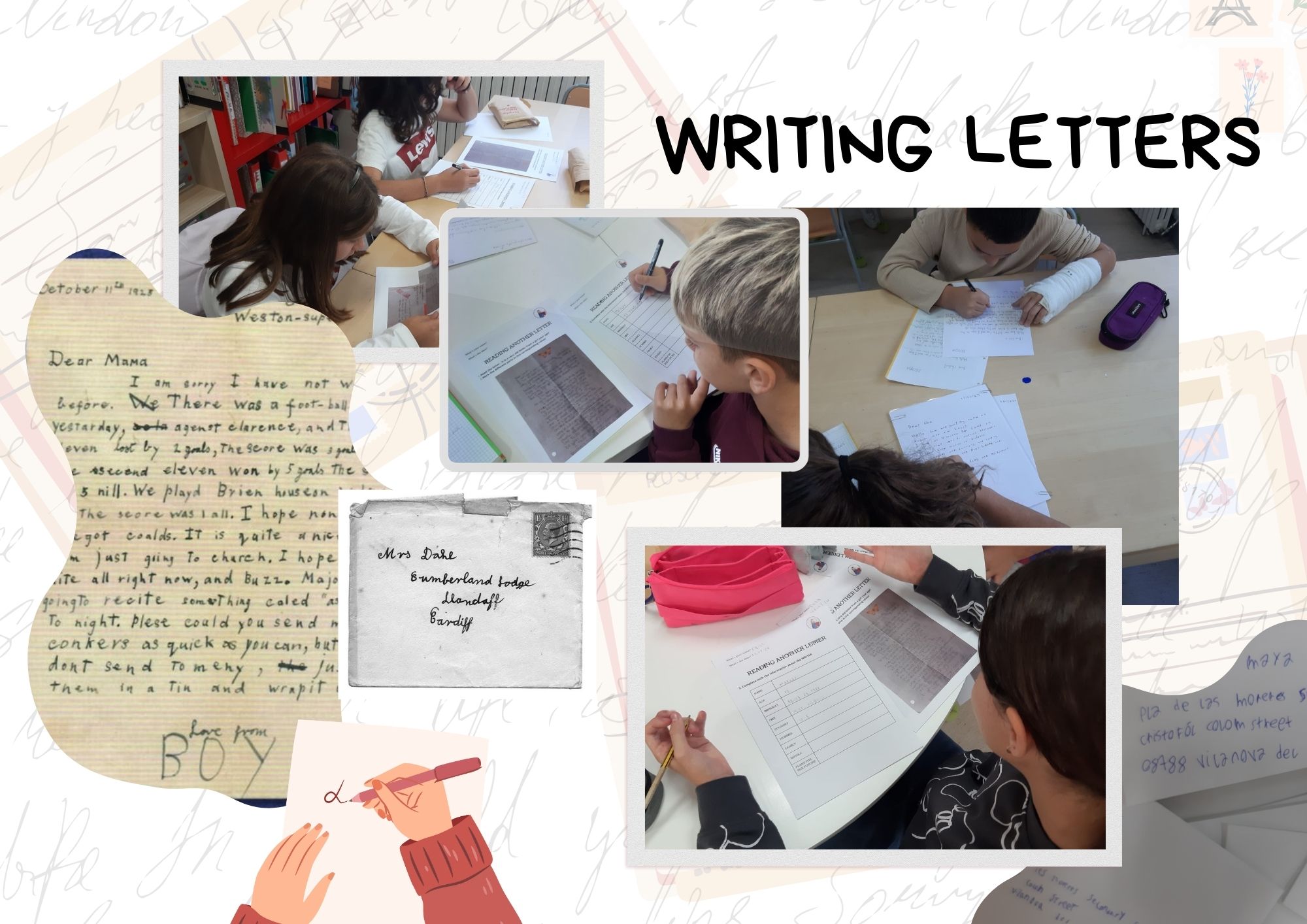
As everybody discovered in the “Festa Major” speech, Matildas are organizing a cultural exchange with Irish students. We have compiled a lot of schools’ adresses and now it is time to see if we can get a school that wants to start an exchanging letters project with us. We think it is a great opportunity to practise English and to discover the connections we have with other cultures. As we have to ask the head teachers permission, we realized that it is necessary to adapt the language in our letters. It is not the same as writing a letter to a high school friend! We learned the typical expressions to write formal letters such as “I’d like to write letters “. Do you know what it means?

By the way, we have received the answer to the letters we wrote to our high school mates! It was very exciting! To our amazement, we also discovered that reading in English it is not as dificult as it may seem!
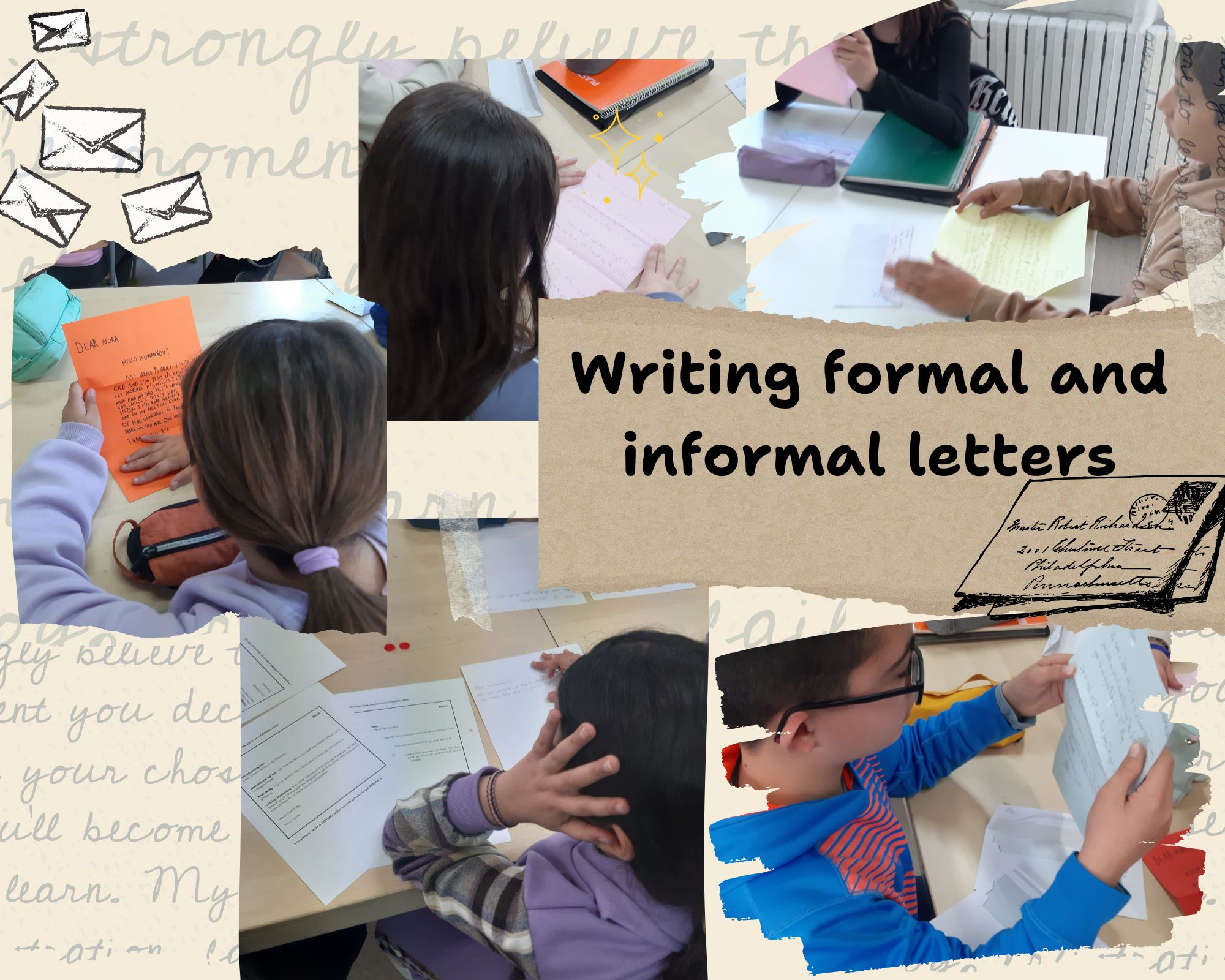
It is very important to offer students real and meaningful opportunities to read and write authentic English because it is the best way to motivate them and encourage them to put into practice all the strategies they have learnt.
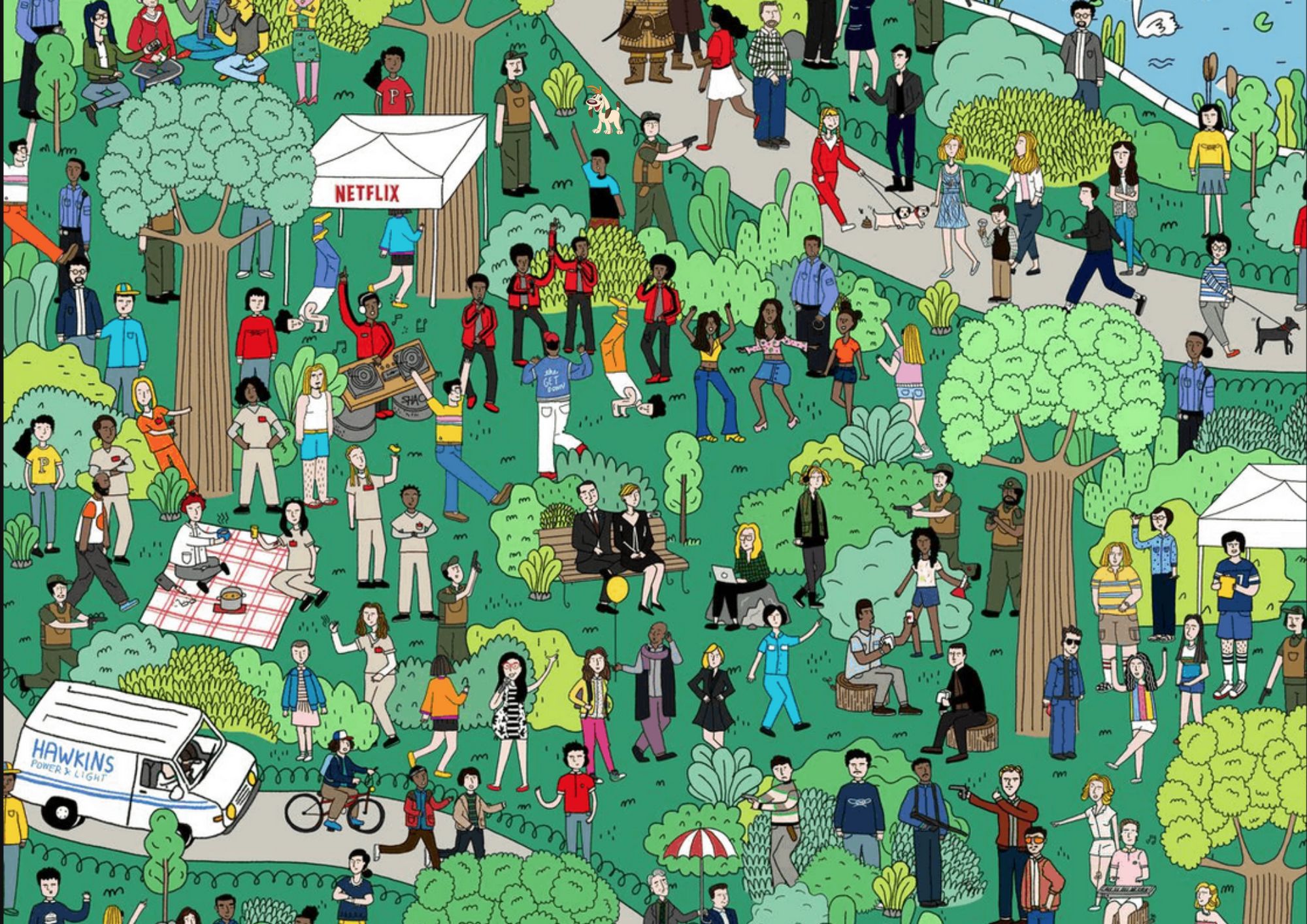
WHERE IS ROVELLÓ?

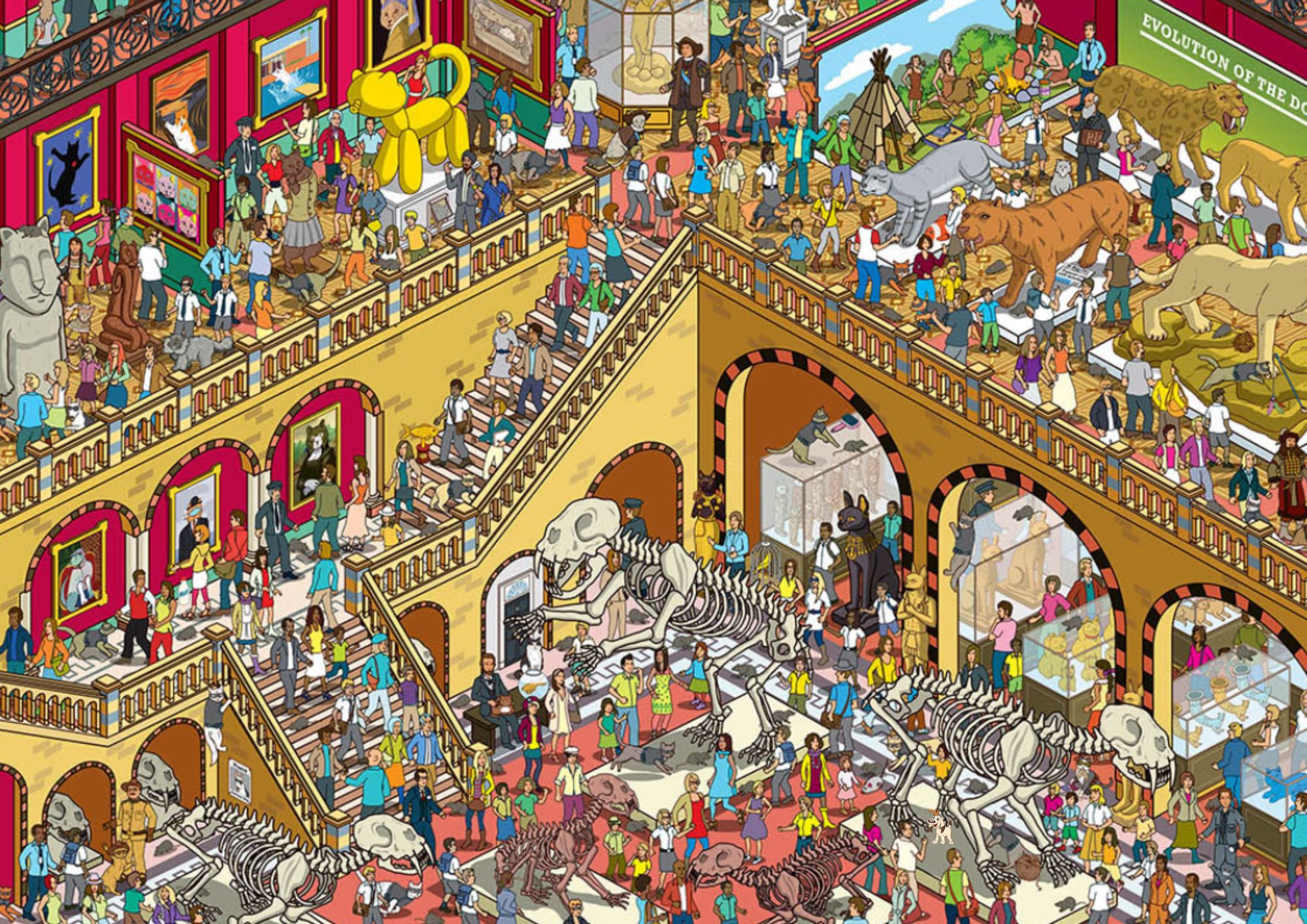
As we continue reading the story we were shocked to discover that Rovelló fell off the car and now is lost!

Where is Rovelló? He can be anywhere! Is he in the museum or in the park? Look at the images and try to find him!

With a simple activity such as this Rovellons practiced the structure “Where is…” in a meaningful way using pictures rich in detail that are a great opportunity to review and introduce vocabulary.

(Images by Rod Hunt Illustration Studio modified for educational purposes)

TIMELINE: A FUN GAME

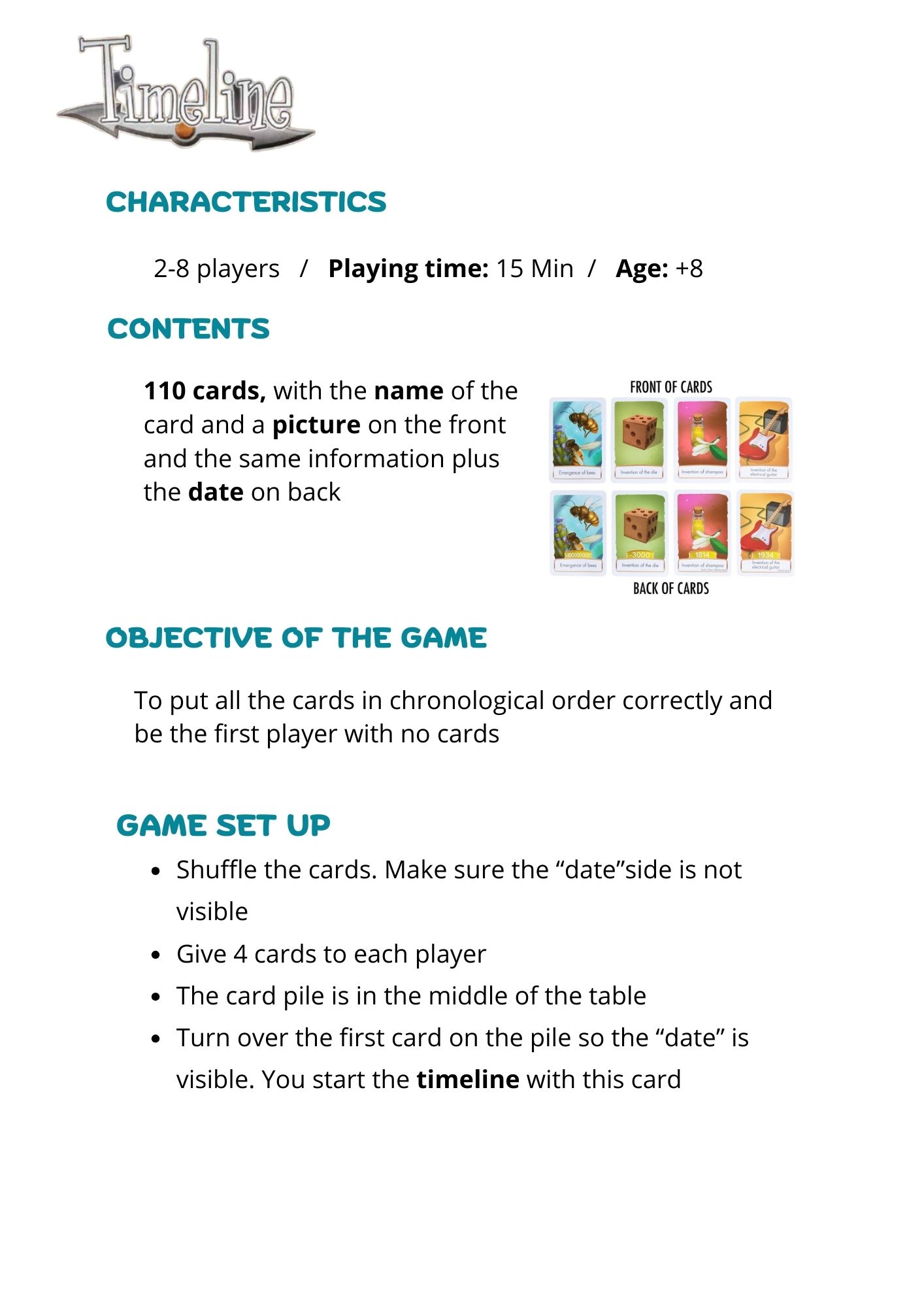
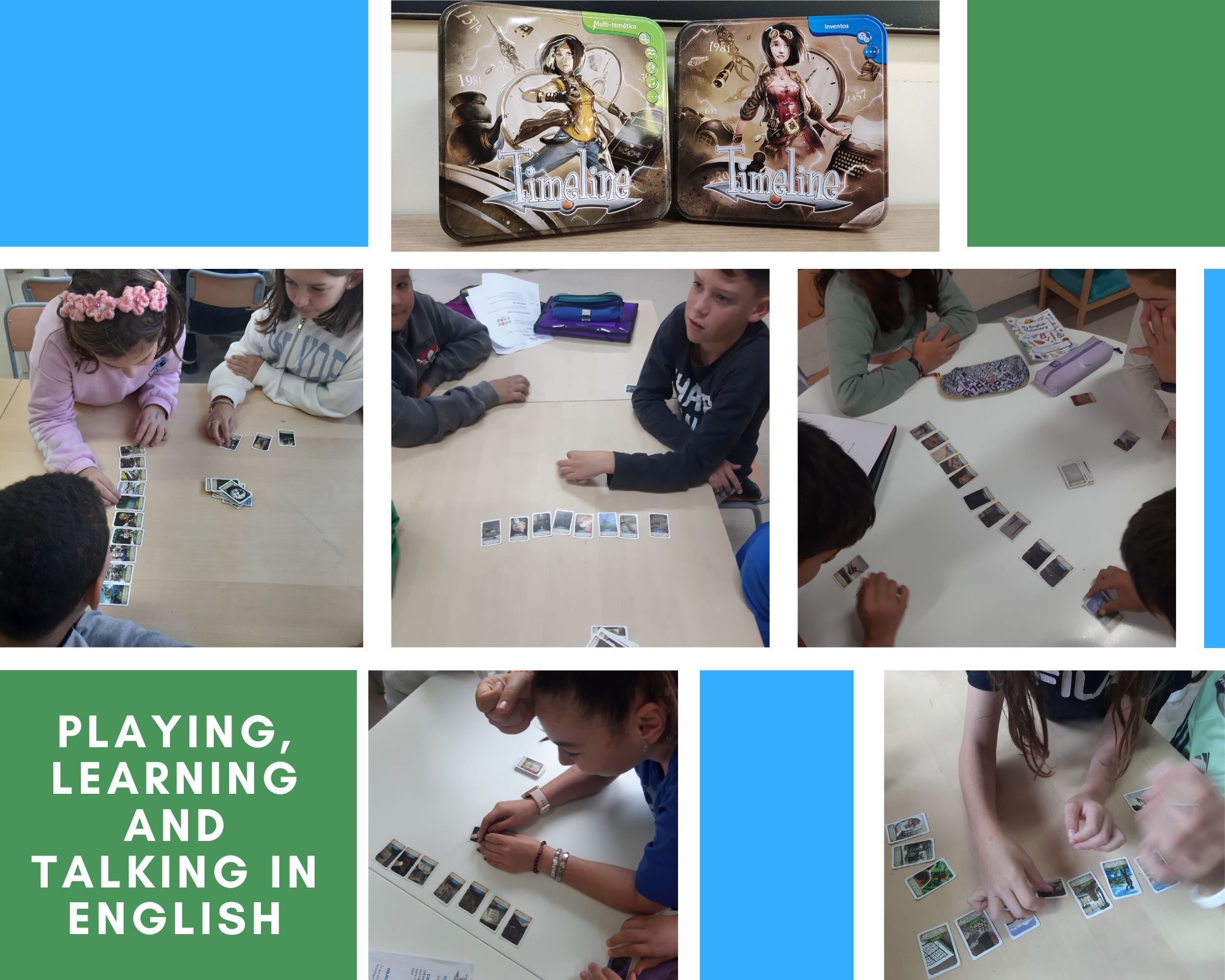
In the class we are doing a timeline and we had a board game just about that! The name of the game is “Timeline” and it is a card game in which players have to make a timeline putting in the correct place an event card.

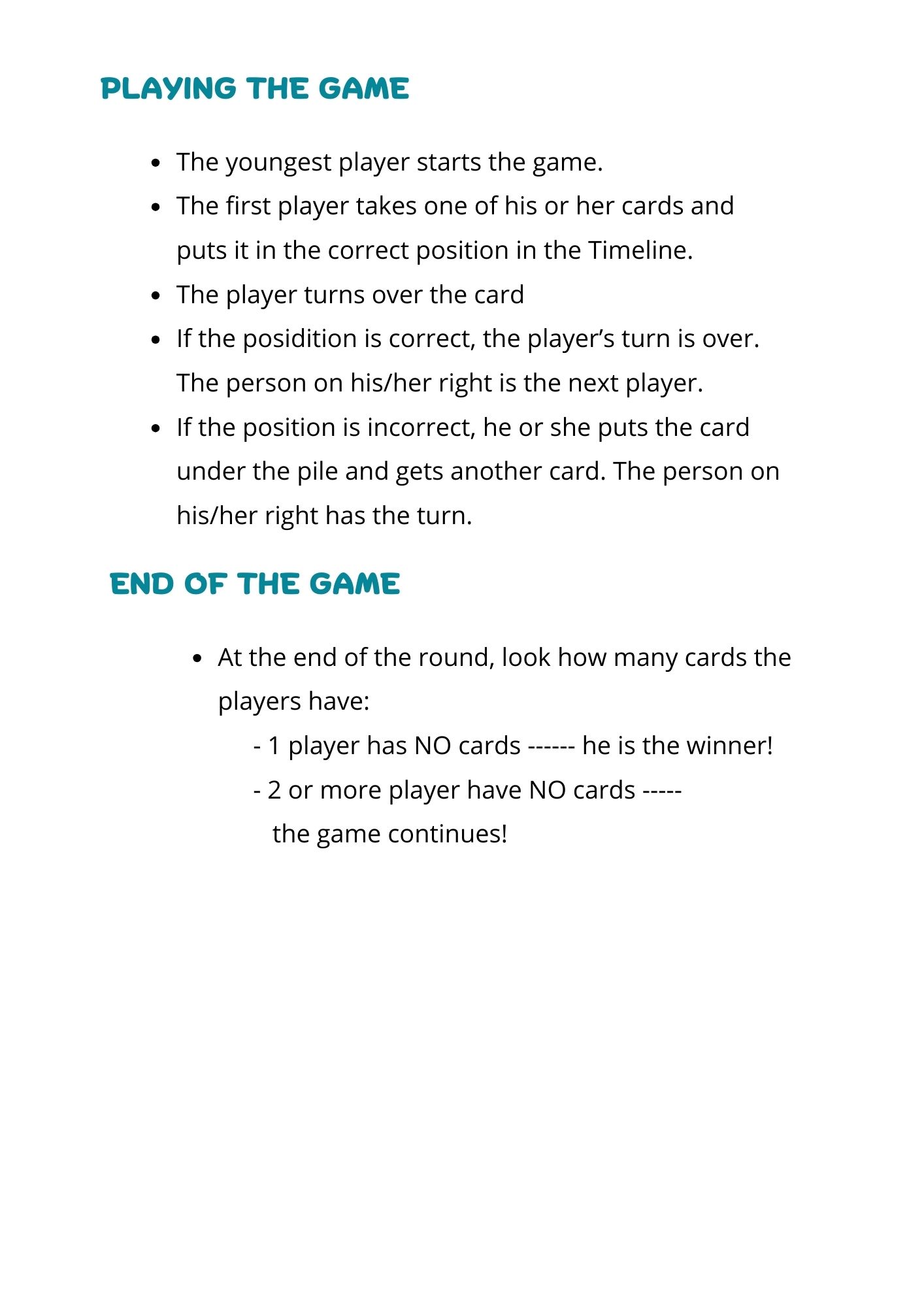
Well, we know that now because first we had to read the instructions… and they were in English! We had to use reading strategies to infer the meaning of the unknown words and, in some case, we had to use the dictionaries. Can you understand the instructions?

Once we had the instructions clear, it was time to play! Needless to say, we played the game using expressions like “it’s my turn”, “i’ts your turn”, “this is not correct”, “take a card” and “I’m the winner!”. It was also a great opportunity to say the years in English. It was so fun!

READING IN ENGLISH IS VERY INTERESTING

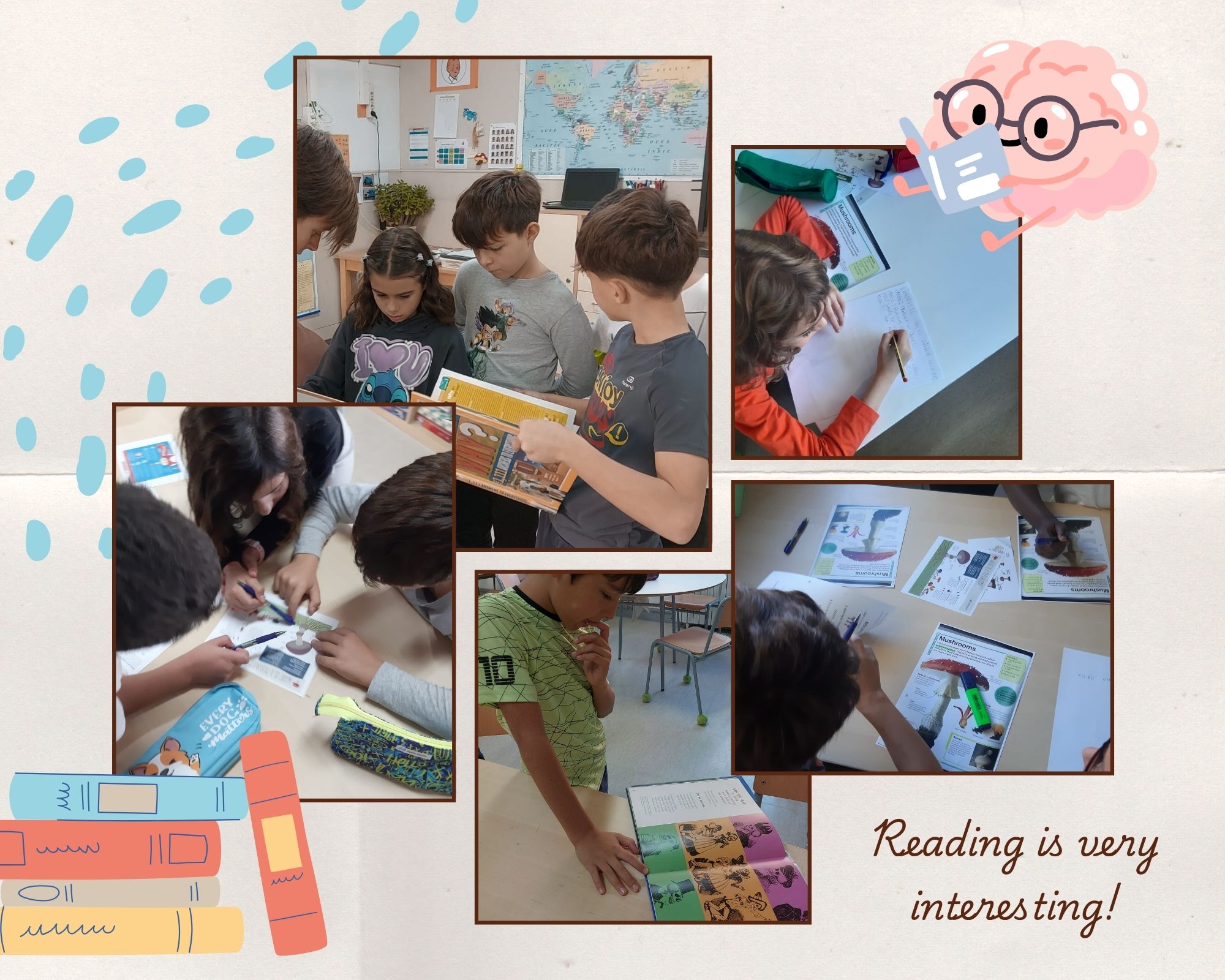
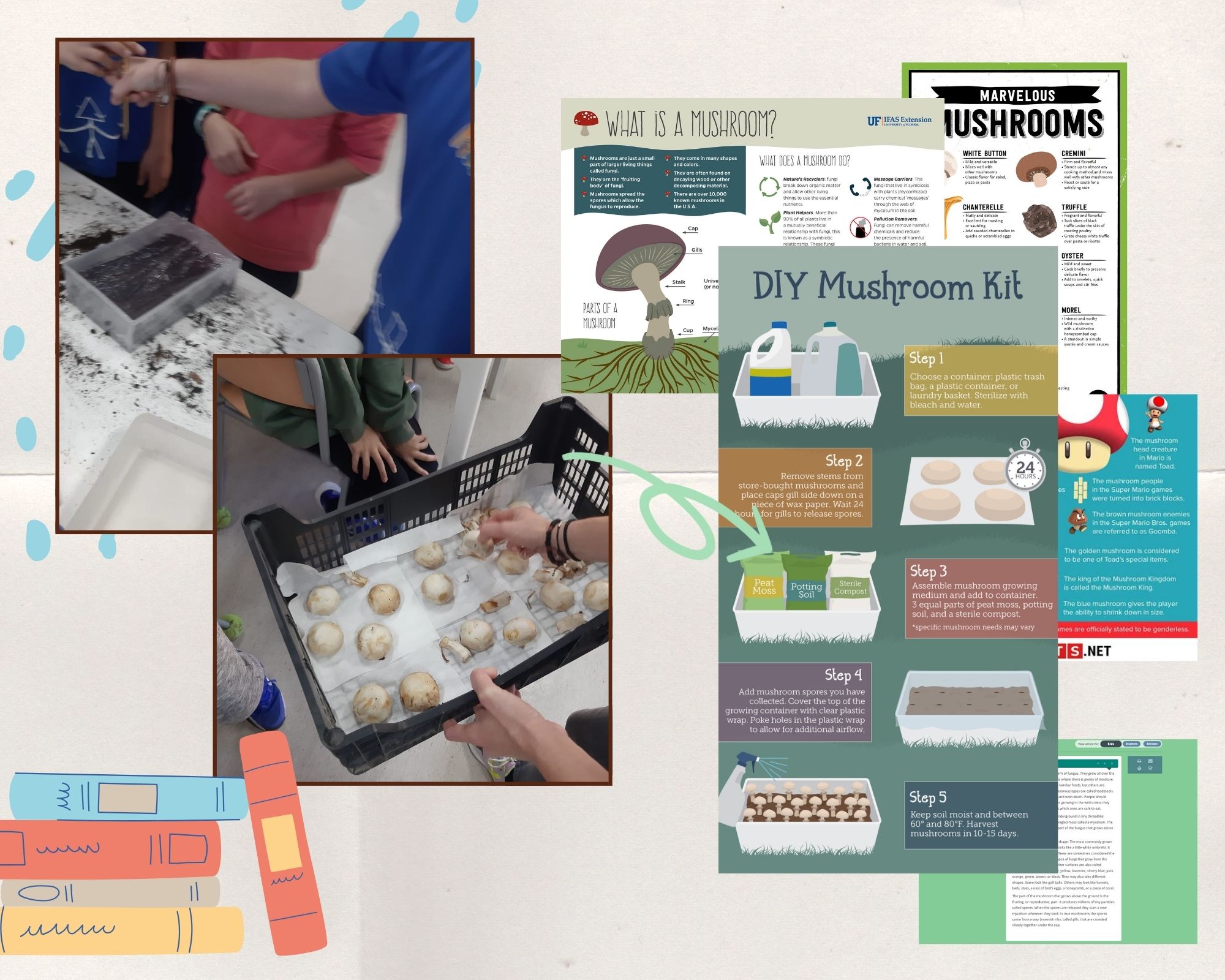
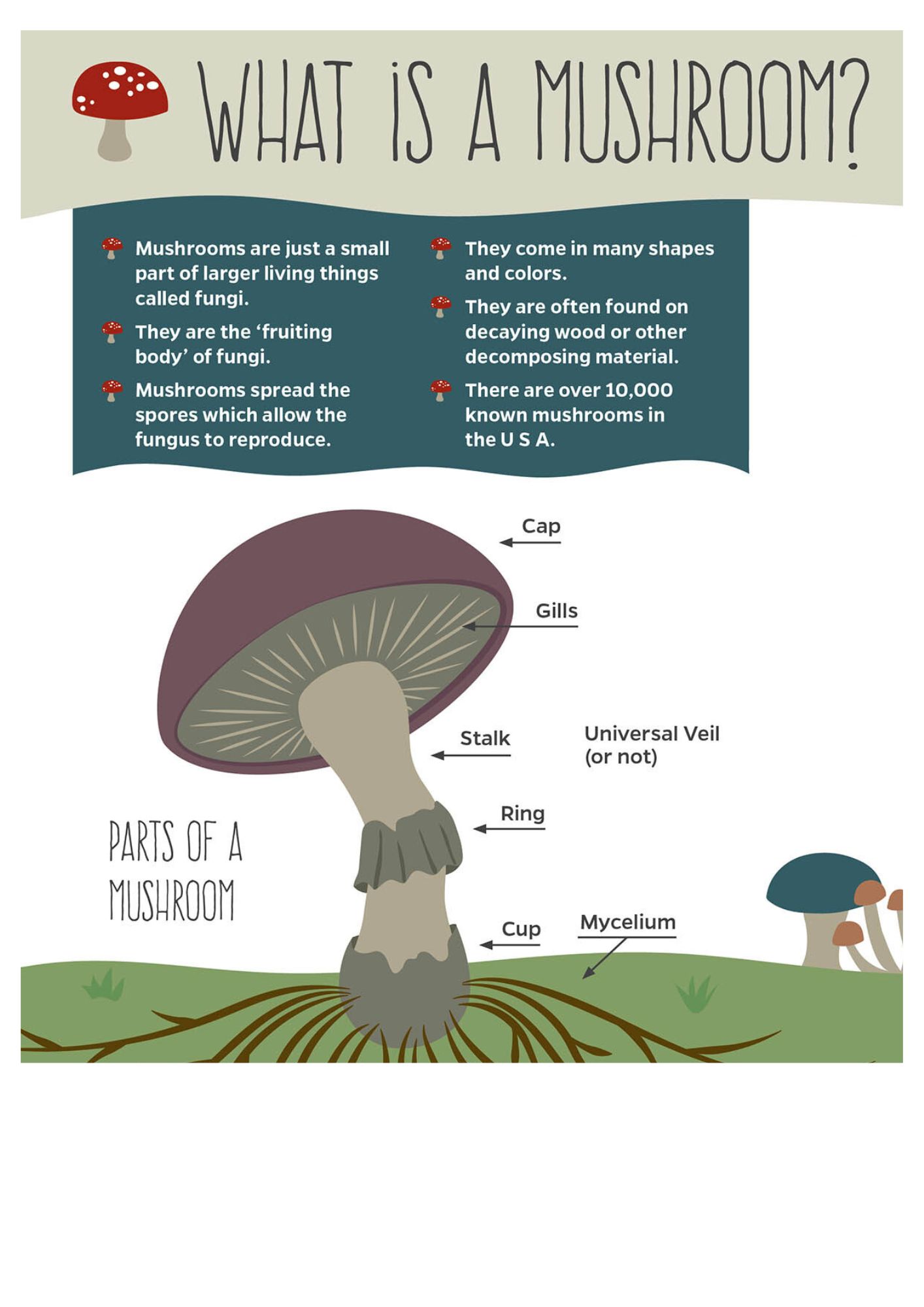
As you know, we read in English once a week. We have a portable library with all kinds of books; both fiction and non-fiction. In one of these sessions we found a scientific text about MUSHROOMS! It was very interesting because we are investigating a lot about these organisms.

We decided to start investigating about musrooms finding the information in English texts. We had a lots of texts in English and we had to decide which texts were appropiate to learn things about mushrooms. We had to look at the texts closefully because not all of them had useful information: one text was a list of different mushrooms, another was too difficult to read and one was about the mushrooms in Mario Bros!

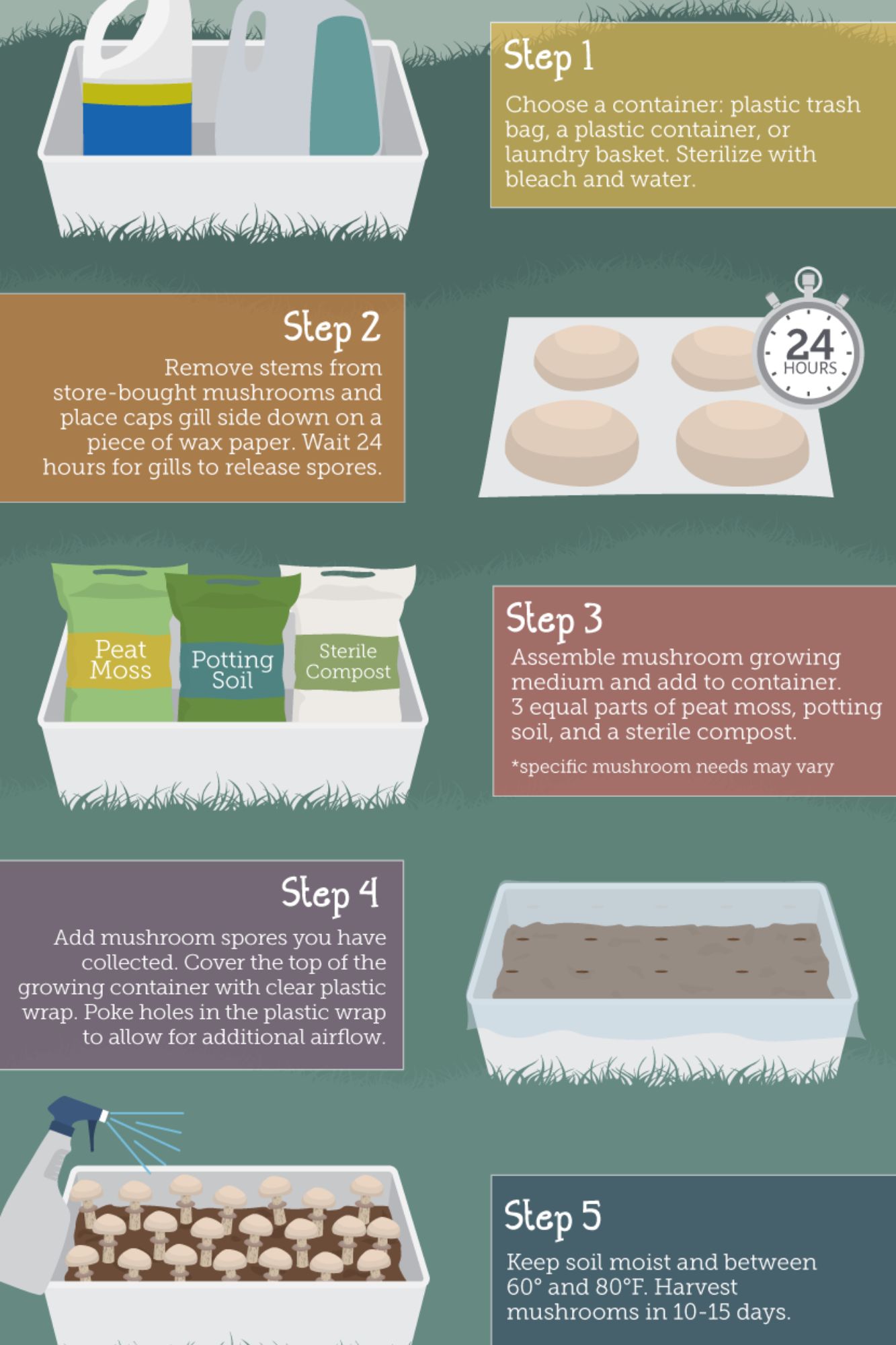
We realized that the texts with images were easier to read and that there are a lot of words that are very similar to Catalan. We were very intrigued about a text in particular that explained how to grow mushrooms at home… and we decided to do the experiment in the class!

Do you want to try it at home? Just follow the steps!

READING TO LEARN…IN ENGLISH!

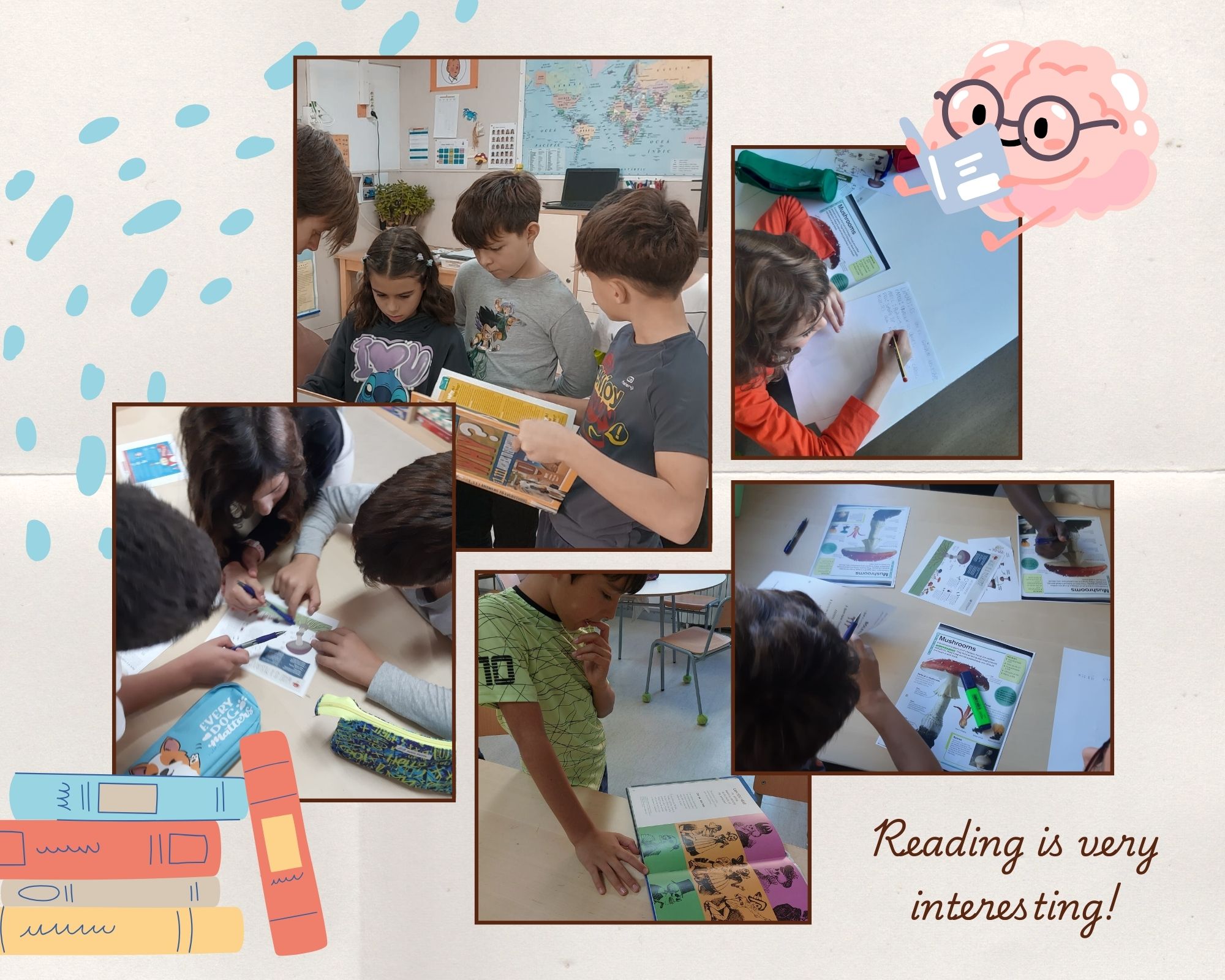
Every Thursday, we spend 30 minutes reading in English. There is a portable library in the middle of the class with all kinds of magazines and books, both fiction and non-fiction. Our favourite books, though, are science books. Browsing through the books we can find interesting texts that are connected to all the things that happen in the class. Right now we are investigating about mushrooms and… we found some texts about them!

In groups, we analized the texts we had at hand and discarded the ones that were not relevant or too difficult. Once that was done, we started to read and we were surprised to discover that reading is not as difficult as it may seem. Do you that some words in Catalan and English are very similar?

WRITING LETTERS

Investigating about Roald Dahl’ ‘s bibliography, we discovered that “Love from Boy”, one of his books, was a compilation of letters he wrote. We realized that we had NEVER received or written one single letter! To put a solution to that, we analyzed the stucture of a letter and each one of us wrote to a student in the high school. We not only put into practice our writing skills but also learned the typical expressions to write a letter in English like “It was great to hear from you”, “all the best”, “how are things” or “XOXO”. Now we are looking for schools in English speaking countries to exchange letters to!

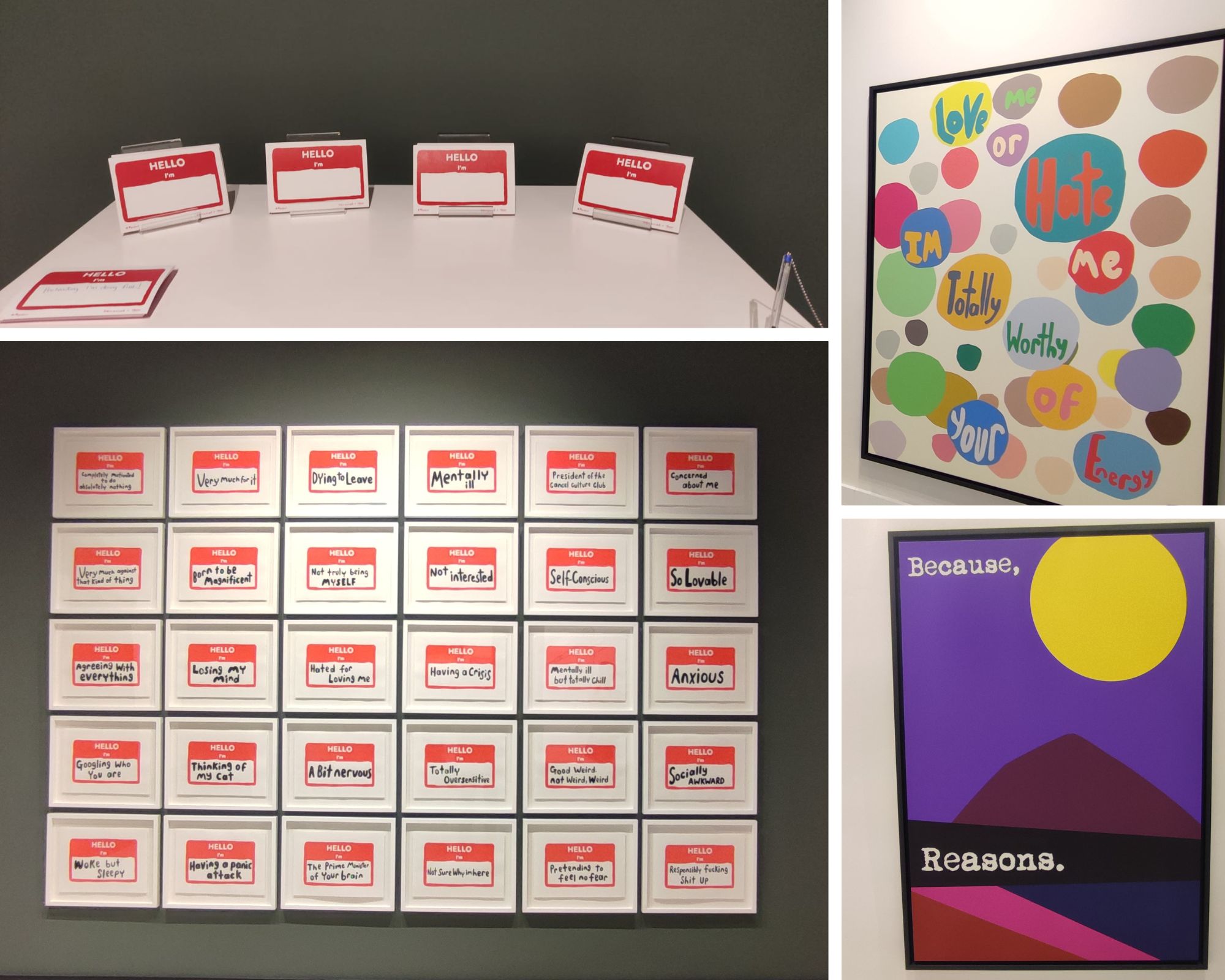
HELLO…I’M

In the MOCO museum we realized that English is also very important in the art world: the vast majority of artists use English to communicate and to express their ideas. English is such an international language! 

Some artists like Robbie Williams also use language as a form of art. We focused on the “Hello! I’m” piece. The piece consists of a lot of introductory badges (like the ones people use in a meeting) with different words, all expressing different traits of personality.

At school we reflected on what Robbie said about his work “I want people to express themselves and accept their inner truth”. 

We thought about ourselves and used cards like the ones in the piece of art to express our real truths. OF course, to do so, we also used English!  Stay tuned to see the final result!

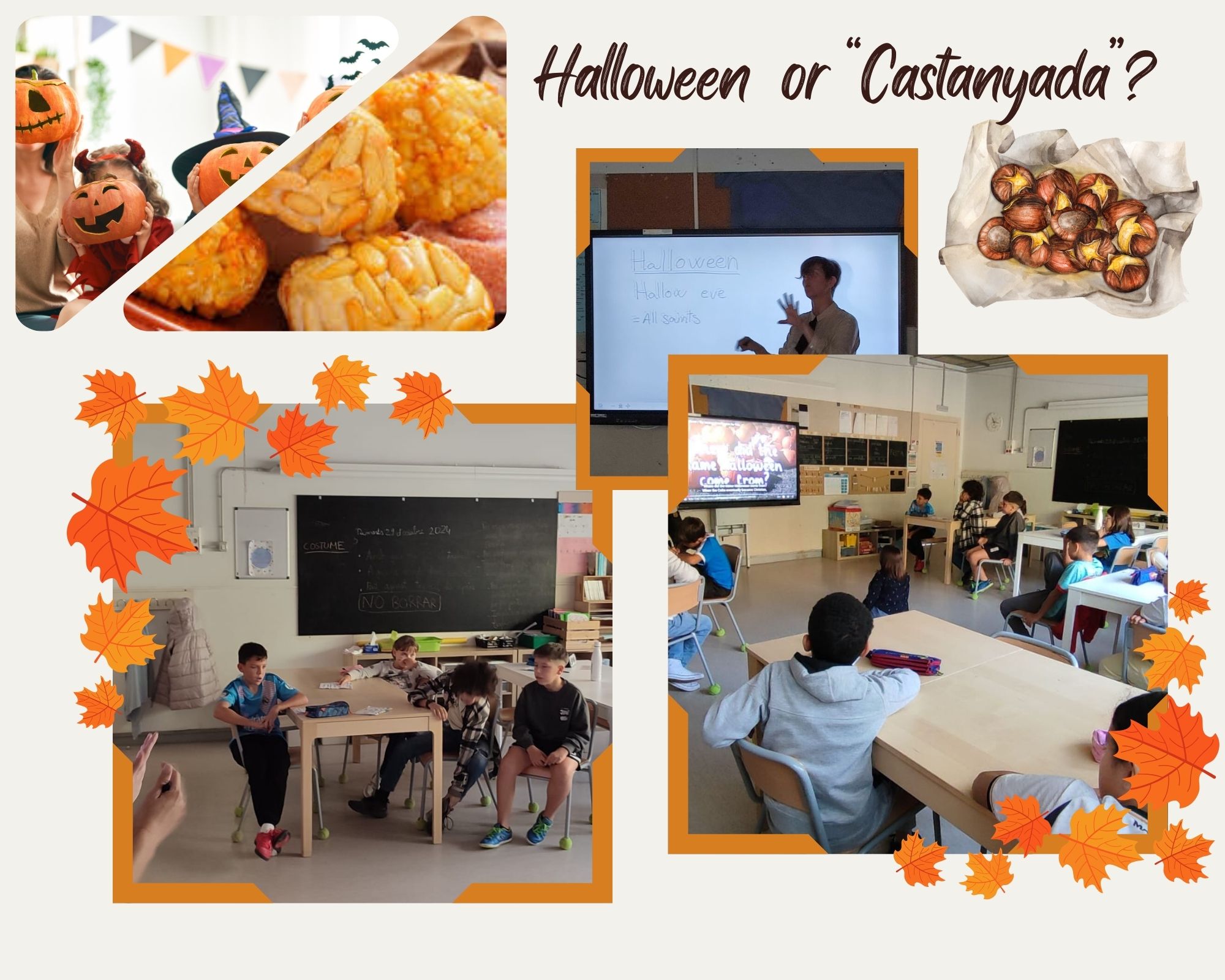
Halloween or “Castanyada”?

Today some Petits Princeps were very happy because on Thursday it’s “Halloween”. It is very fun to wear costumes and go trick-or-treating but we do not know much about  “Halloween”, though.  We saw a video that was very eye-opening…

We thought that the Americans invented Halloween recently just to have fun but we discovered that, in fact, it is a very old tradition that has a long history. And, much more importantly, we discovered that “Halloween” and “Castanyada” have the same origin!

In ancient times, the Celts, a tribe that lived in Ireland and the United Kingdom, celebrated harvest time with a big meal they called “Samhain.” They also thought that, on the 31st of October, the separation between the world of the living and the world of the dead didn’t exist. 

To avoid ghosts, people in Ireland started to dress up to protect themselves from bad spirits. They also left food outside the house to feed the ghosts and avoid them entering. These ancient traditions evolved with time and became the popular “Halloween” traditions that we know.

As somebody in class said “we celebrate the same (harvest and remembering the dead), but we do it in a different way”. 

It was really very interesting! If you want to know more, just check the video

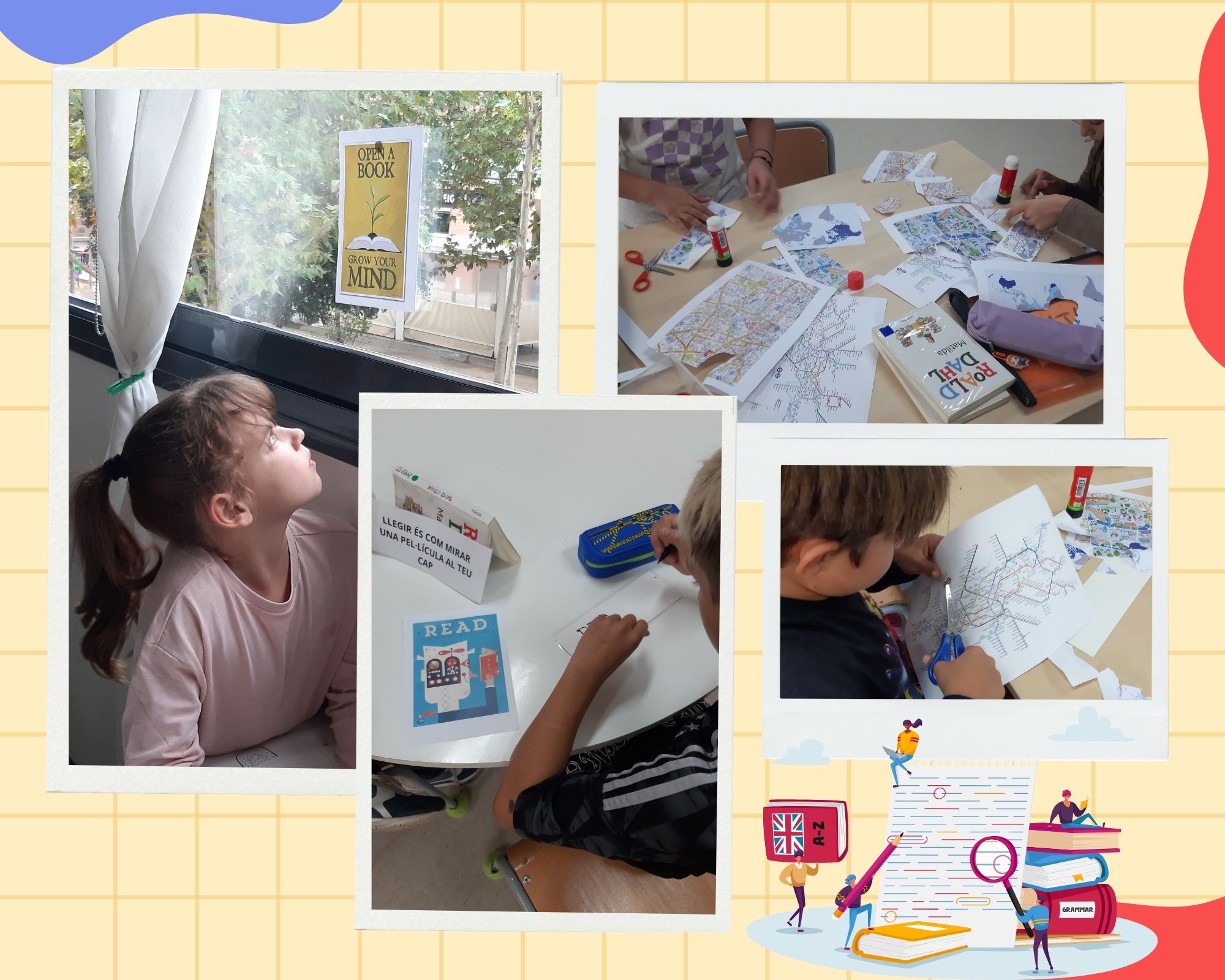
Reading in English

Once children are confident using the language orally, they must start reading in order to fully master English. Learning to read in English, though, is quite different.

Since the children can already read in Catalan and Spanish, they can activate different strategies to be able to get the meaning of different messages. One of these strategies is being able to find similarities between words that help them infer the meaning.

To help them develop this strategy and stress the importance of reading, at school we have distributed posters around the classroom that encourage reading for pleasure. The children had the sentences in Catalan and, working in pairs, they had to match them to the correct poster. After finishing the activity, they explained the strategies they used to find the solution. They all agreed that it was easier than it seemed: “si hay palabras casi iguales”.

This sense of achievement creates a positive attitude towards reading in English for pleasure, an activity we do once a week with the “big ones”.