LUNCH BOX

Studying about how to make the school menu accesible, we discovered that lunches in the school are not the same in all the countries.


In the USA, for example, EVERYBODY has lunch in the school. Children DO NOT have lunch at home!
In the USA you decide if you BRING your own food or take the food from the cafeteria. Watch this video to see the lunch in the USA.

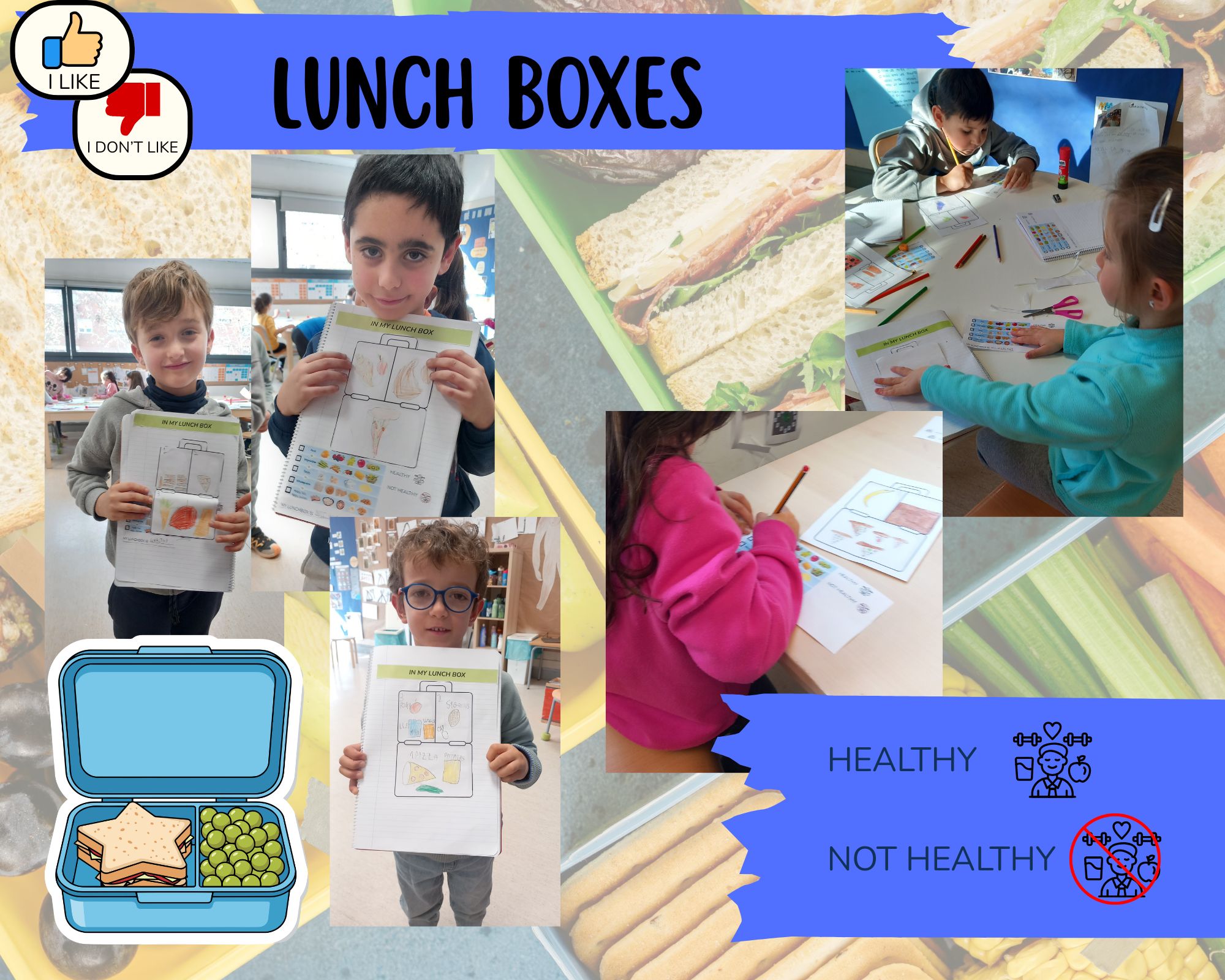
The food we see is very different but we discussed about it (using “I like” “I don’t like”) and… we generally love the food! We imagined what would be our perfect lunch box and we drew it. What is your perfect lunch box? In ours there are pizzas, pasta, chocolate and fruit!
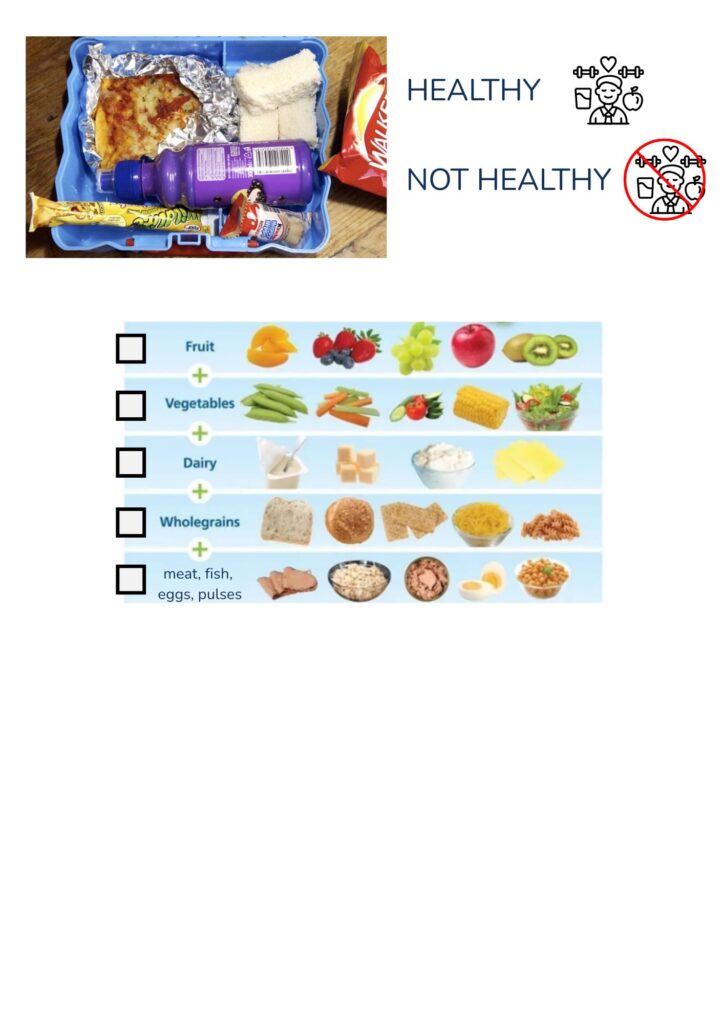
Looking at some real photos of real lunch boxes we discovered that, in general, lunch boxes are NOT HEALTHY and we started to check the contents using a checklist. It was a great way to practise English vocabulary!

Now that we knew that a lunch box needs DAIRY, FRUIT, VEGETABLES, WHOLEGRAINS and MEAT, FISH, EGGS or PULSES, it was time to analyse OUR lunch boxes...

What a surprise that most are not healthy at all!
OUR FAVOURITE PANELLET

 “Recognizing that food is more than sustenance—it is an expression of culture, heritage, and creativity.”

Chef Vikas Khanna

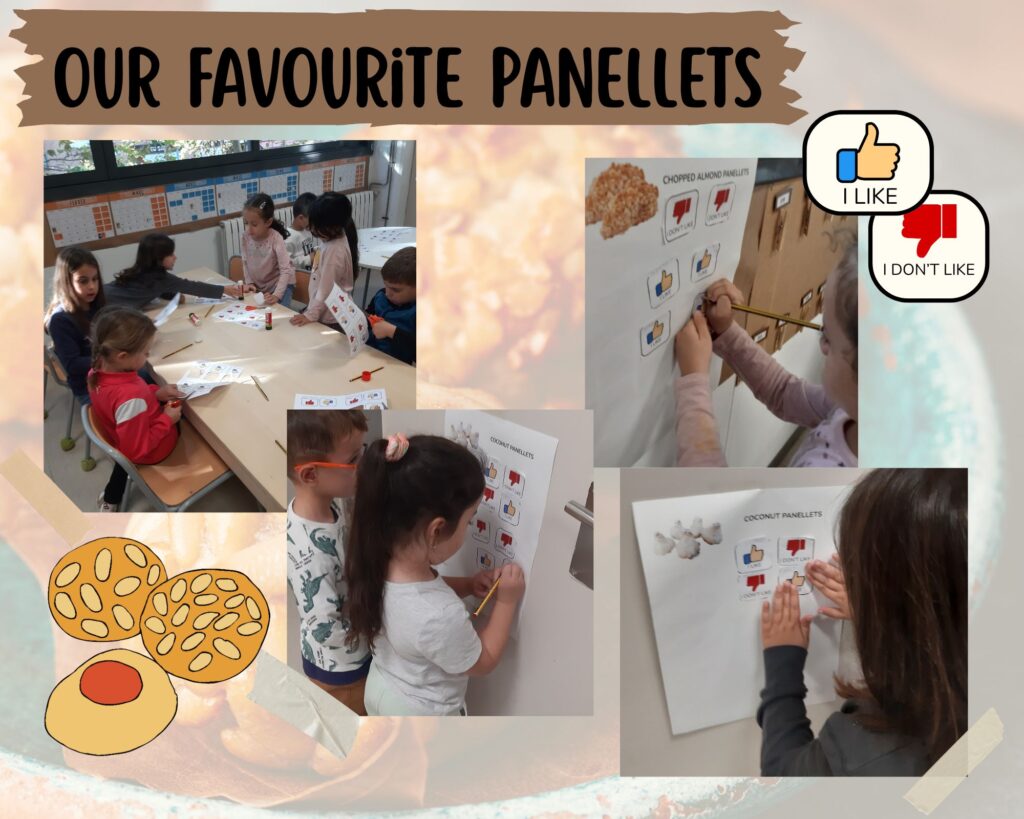
We really liked cooking panellets in the school; we shared moments with other children and we got to meet new friends but our favourite part was eating them. There were 5 different panellets 

  • CHOCOLATE PANELLETS      
  • COCONUT PANELLETS
  • ALMOND PANELLETS
  • CHOPPED ALMOND PANELLETS
  • CHERRY PANELLETS

Talking about these flavours, we realised that all of us had different tastes. The question arose just then… What is our favourite panellet?

First, we needed to organize the information about our likes and dislikes. We had a poster of each of the panellets types in the classroom and a set of symbols expressing I LIKE or I DONT LIKE.  We had to walk around the class sticking our opinion under the poster. It was fun and very interesting because we used the very same expressions when talking to our friends! 

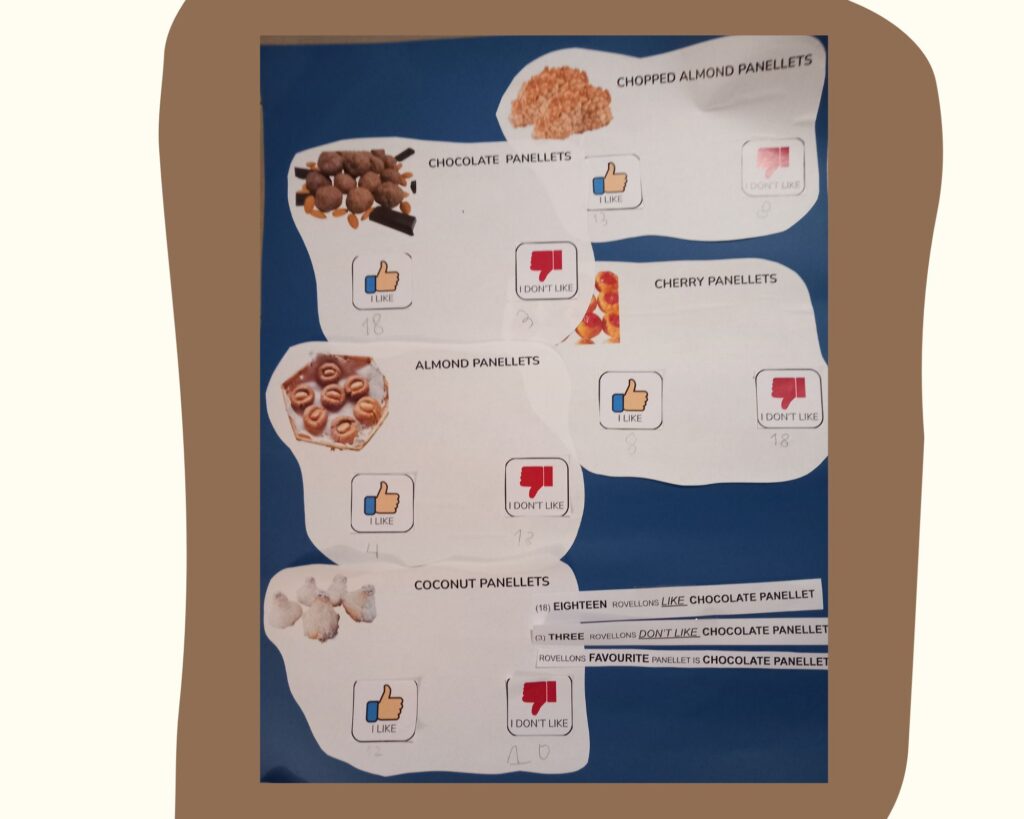
With the posters ready, it was time to count to see what panellet had the most LIKES. Again, we found another opportunity to practise counting in English. 

Here you can see the results. Are you surprised? It was very fun to do this poster… Do you know that we selected what sentences went with it? We were offered a set of sentences and we had to found that ones that matched the real information. We thought it was difficult, but understating the key words is what makes it possible. 

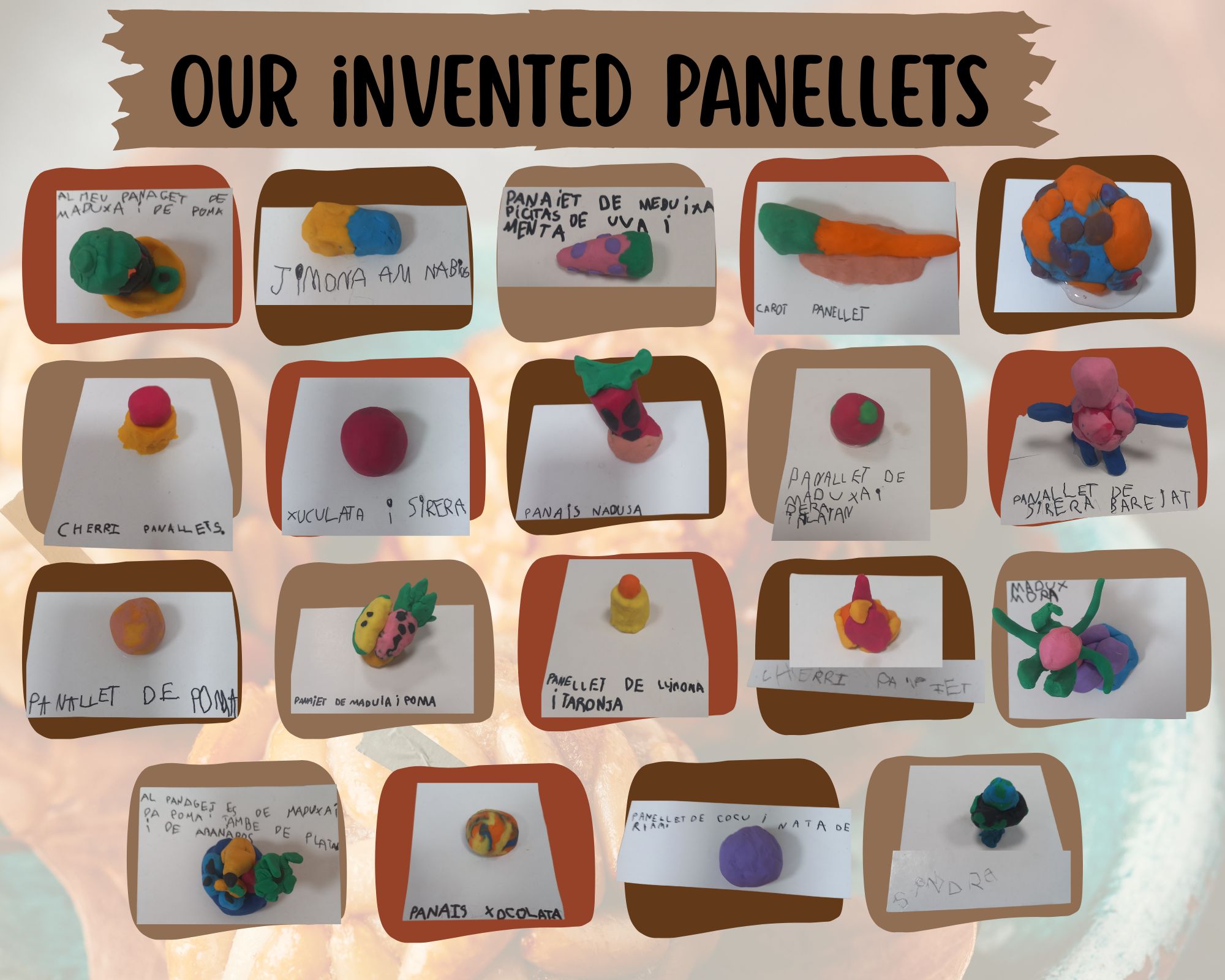
We also learned a song about how to talk about food that you like or… not. Click here to see it? Anyway, the song inspired us to create and invent our panellets. We had to ask the teachers for colored plasticine…a great opportunity to practise demands and gratitude expressions like THANK YOU

What is your favourite panellet?

THE TOOTH FAIRY

“Languages aren’t just made of words. They’re modes of looking at the world.”

R.F.Kuang

Talking about teeth we also talked about what happens when a tooth falls… 

For most of us it is “Ratoncito Pérez” who comes and leaves a present under our pillows while in other houses it is “la fada de les dents”

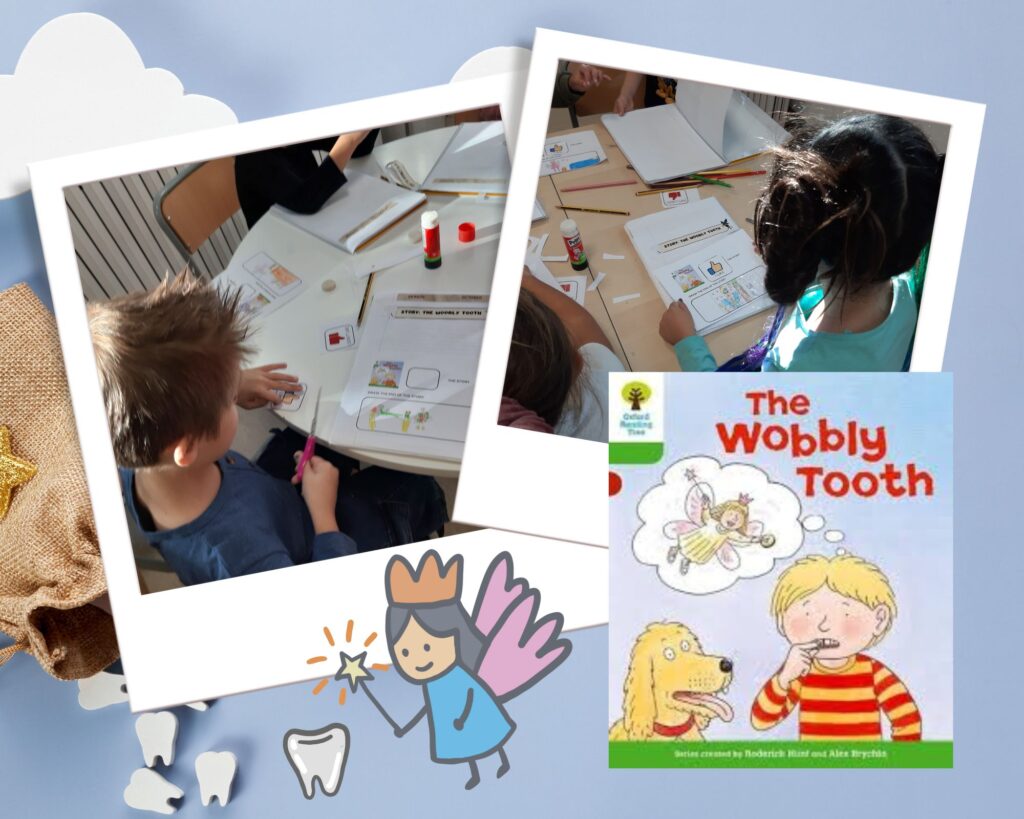
We discovered that the tradition in England is very similar and that it is also the TOOTH FAIRY who comes and changes the teeth for money.  We listened to a story about a boy who has a wobbly tooth, just like some of us, and he can’t find the tooth when it falls! Where is the tooth?

The images and all our previous ideas about tooth traditions helped us understand the story and imagine how the story would end.  

No one guessed the ending!

After listening and reading the story again it was time to express our opinions about the story both orally and in writing.  We really liked the story! What about you? Click and read. Did you guess the ending?

We also pretended that we were tooth fairies searching for the tooth with a game. Click to play!

PLAYING WITH NUMBER 20

“Play gives children a chance to practice what they are learning.” — Fred Rogers

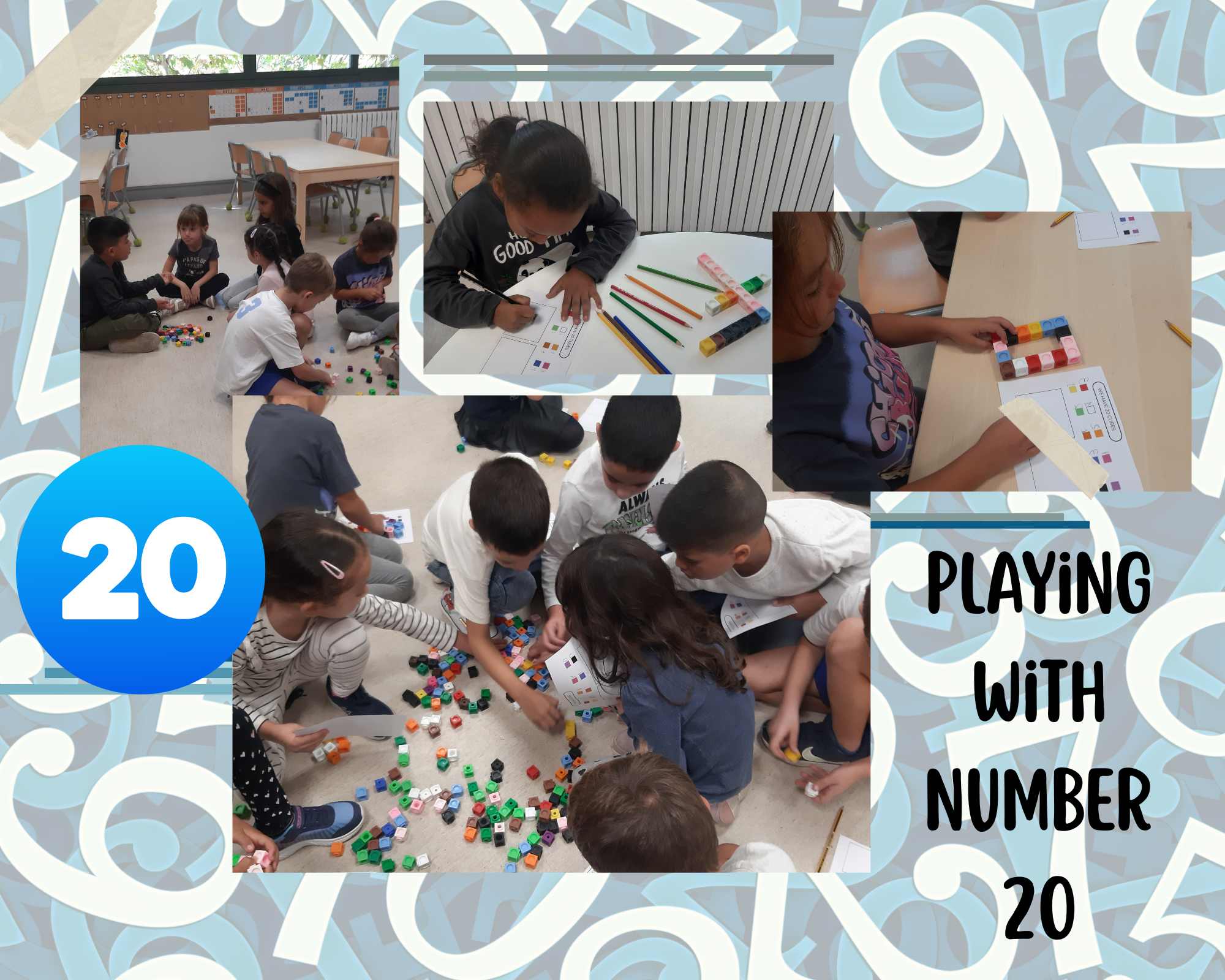
As you know, we are the “20 Pack,” and we’ve been doing lots of fun activities related to this number. We discovered that half of 20 is 10, and we explored different ways to represent it.

We had a great time playing with cubes. Without looking, we had to pick twenty cubes and use them to create our own imaginative shapes. It was really fun and gave us the chance to practice counting in English and review colours. We even learned some new ones, such as brown, white, and purple.

We also practiced recognising quantities at a glance when Laura showed us strings of cubes — we had just five seconds to count them!All in all, these playful and engaging activities helped us listen to and talk about numbers and colours in a relaxed and enjoyable way. Moreover, because the vocabulary was naturally repeated and used in meaningful contexts, it supported a more natural and lasting acquisition of new words.