WRITING CHARACTERS DESCRIPTIONS

As you know, we’ve just passed on the responsibility of writing the story to Joan Maragall students. It was very exciting to participate in the creation of a completely new story!

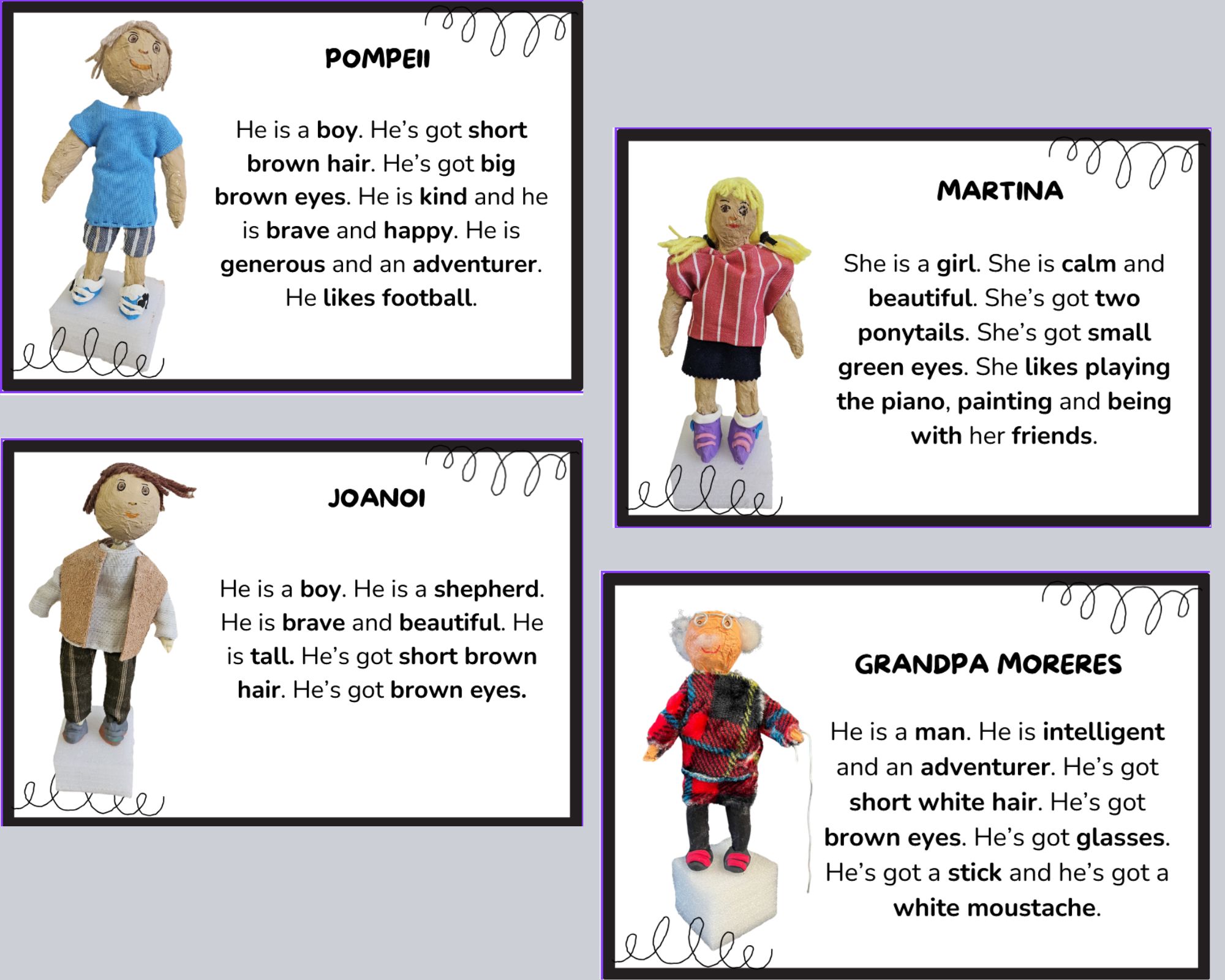
We analysed all the charaters and we even created a new one. Could we describe them in English! Of course!

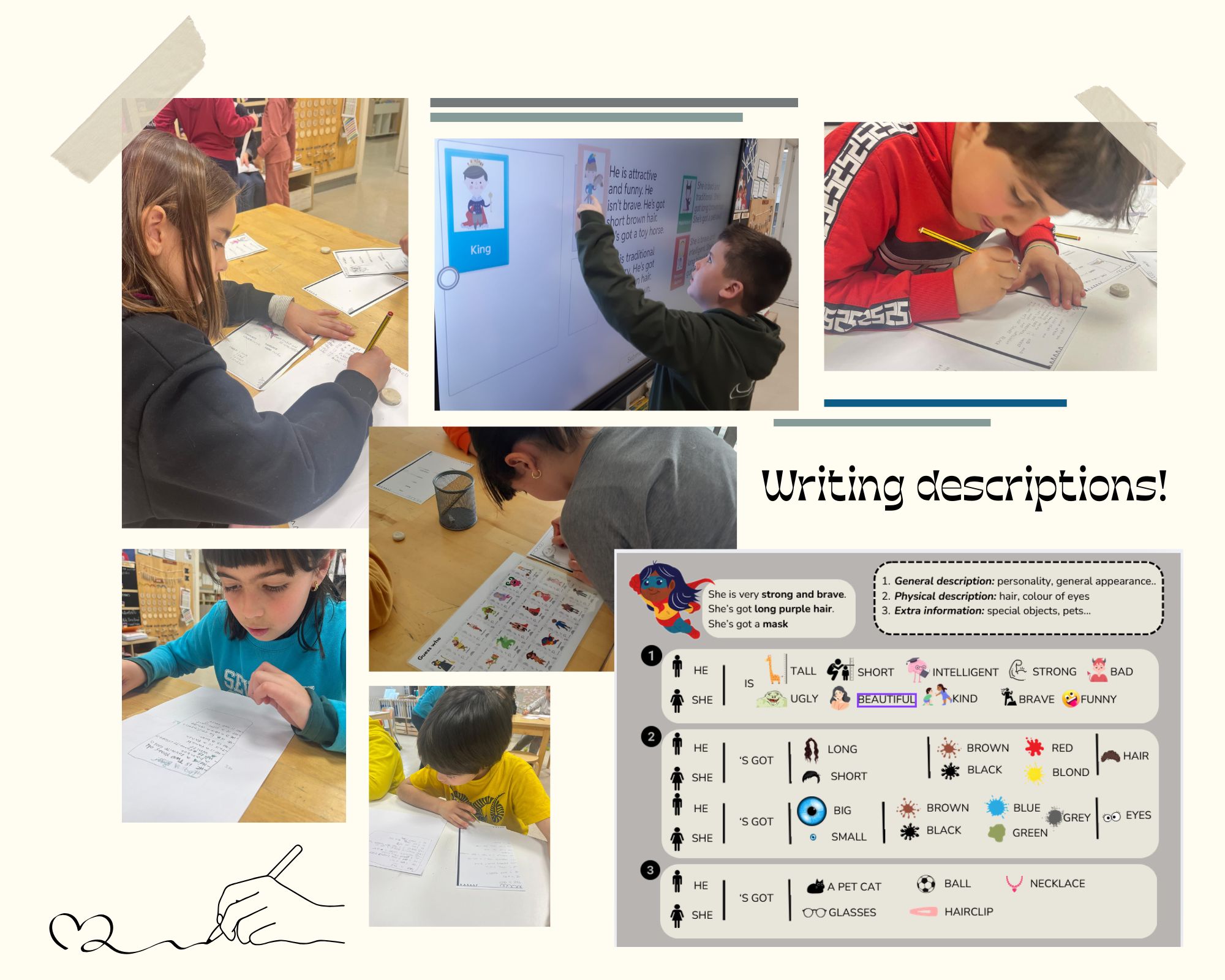
We needed vocabulary to describe the physical and psychological characteristics and structures to describe them in English. Once this was done, we looked at examples that helped us write the descriptions together, in groups. Here you have the texts!
It was not that difficult… and we also discovered how useful English dictionary is!

With the our story characters ready, it was time to exploit our creativity and invent our own characters… Would it be a MONSTER, a FAIRY or a SUPERHERO? We drew the characters and detailed, on a form, the basic information such as name, age, height or family.

Once this was done, we had to write the descriptions using not only the previous models but a also writing chart. With all this helpful tools, writing in English is not as difficult as it may seem!
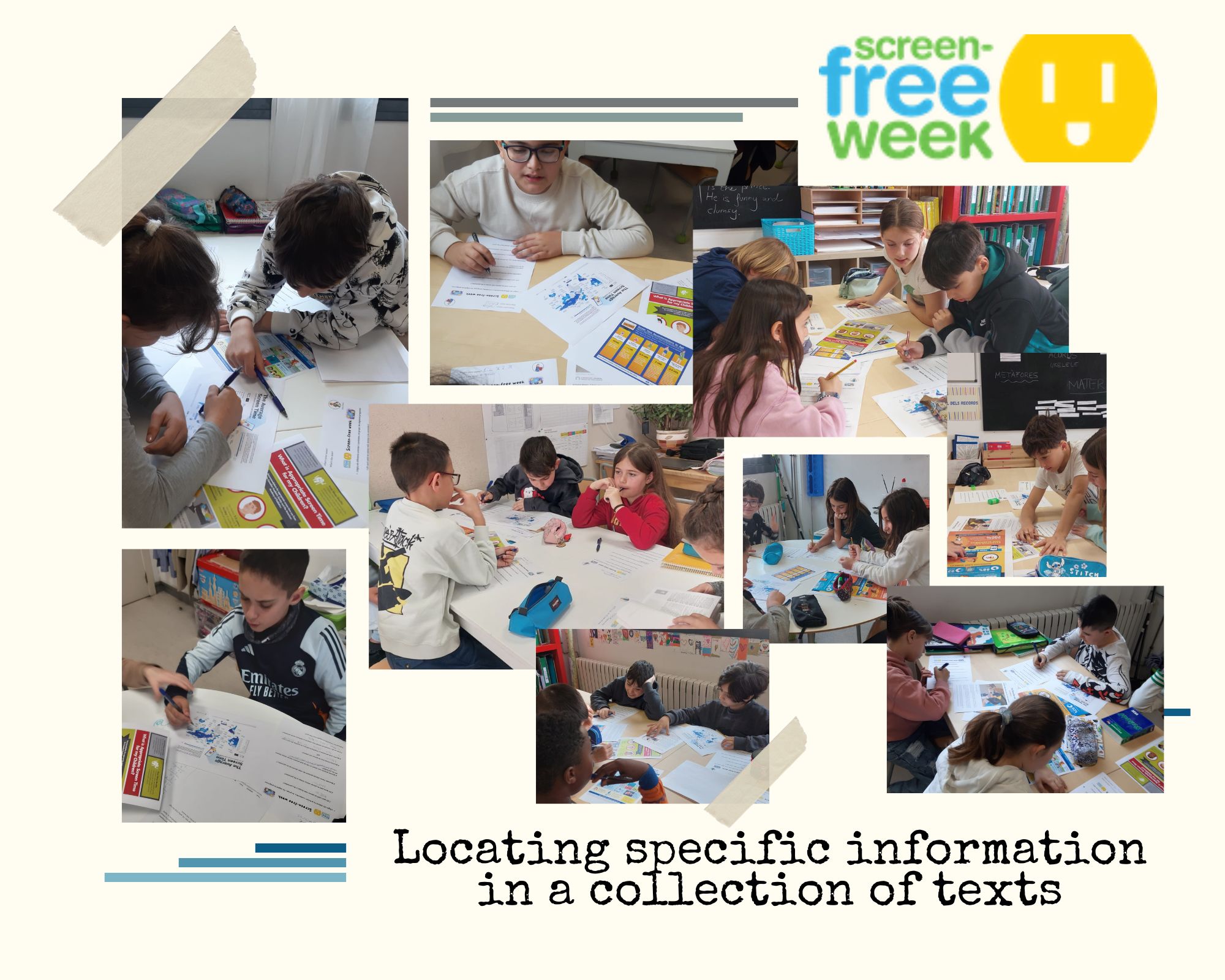
TEXTS ABOUT THE SCREEN-FREE WEEK

Last week was the first after the experiment of living without screens during seven days. It was a time to analyse the pros and cons of such an activity and we shared all our discoveries. It was very difficult for some, but the general opinion was that it had a lot of advantages and everybody claimed to have changed their routines in some way.

We discovered that these experiment was not new and that it has been held in USA since 1994. This fact made us realize that screen usage is a worldwide problem.

We found a lot of texts about the perils of screens and, of course, they were all in English. This is what generally happens when you make a search on the Internet, that the vast majority of texts are in English. Nowadays, with the use of Google translator, there are no major problems to understand the gist of any kind of text but it is not a good idea to rely exclusively on the answers provided by AI tools. It is much more benefitial to develop strategies that enable you to understand any kind of text. In this occasion, the texts about screens provided the perfect opportunity to practise how to locate specific information.

The main goal of this activity was not to read and understand a whole text but to be able to find the answer of some questions. The questions were in Catalan and, in groups we had to critically analyze all the aspects of the text to select the correct text from a collection and then locate the answer on it.

Titles and images were useful to discard texts that were not related to the topic, for instance, and they also paid notice to words in bold, that offered hints about where in the text the information would be.

The fact of being able to understand texts that were not adapted was very encouraging too! English is not as difficult as it may seem!
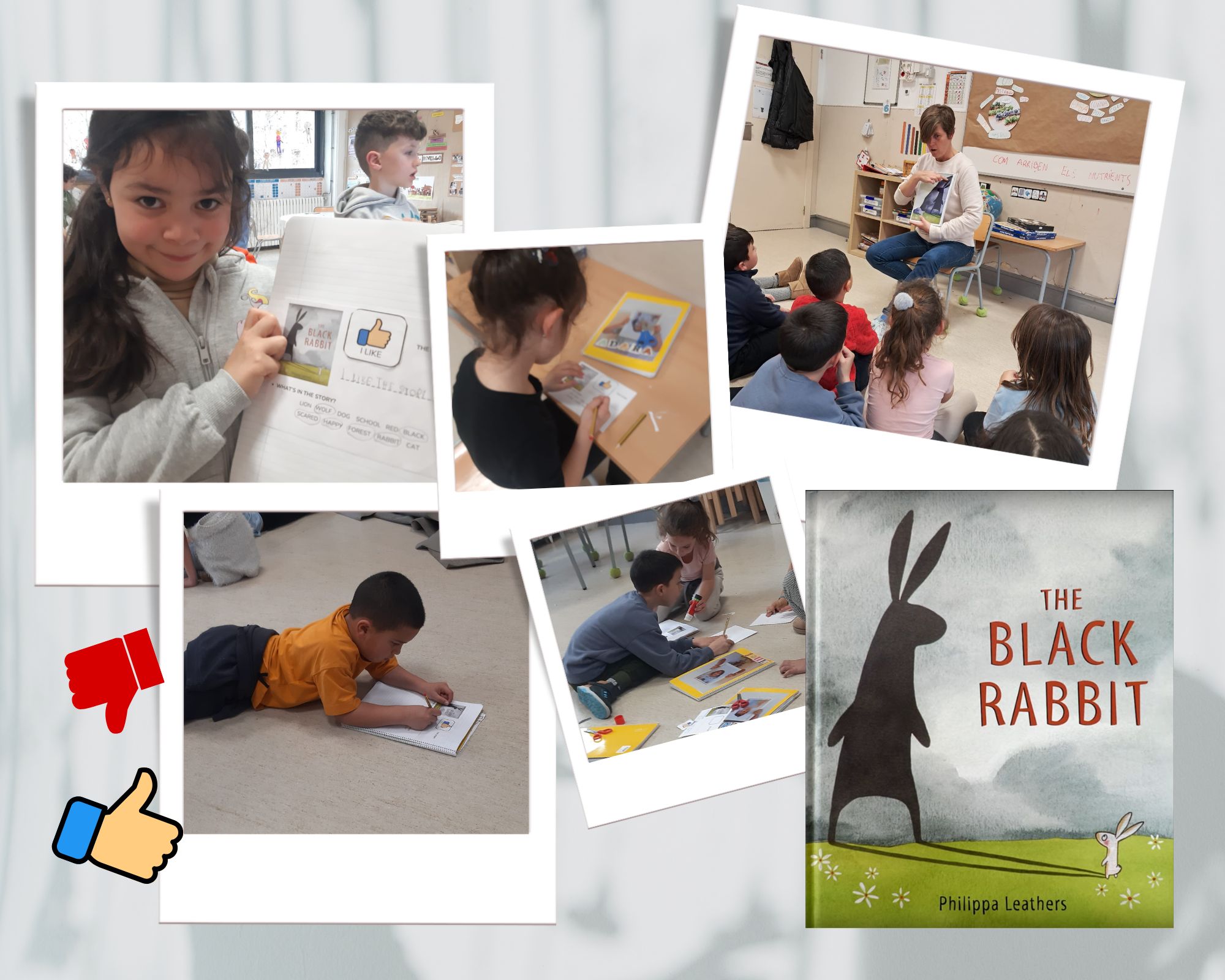
THE BLACK RABBIT

While reading the novel that names our class, Rovellons discovered the solar clock and the importance of shadows to tell the time. Can you imagine not knowing what a SHADOW is? This is what happened in the story we listened to the other day: “The Black Rabbit”.

The story is about a rabbit that one day discovers a BIG black rabbit that follows him everywhere. The rabbit is very SCARED but, when he faces a wolf, the black rabbit helps him.

It was a very fun story that helped us remember a lot of the vocabulary we have been working on ( like rabbit, shadow, scared) and discover new words like forest.

Stories are fun and give vivid context that help create connections and associations which facilitate the entire language acquisition process. By listening to stories, When listening to a story in English, one acquires grammar intuitively; picking it up from the context, repeating it an trying to reproduce it.

After listening to the story, we wrote a sentence about our opinion. Writing is very easy with a good scaffold! .

Now it is your turn. Listen to the story and say… Do you like it or not?

If you want to practice vocabulary and have fun at the same time you can try this GAME. You just need to click on the moles that say the words that appear in the story. HAVE FUN!

MULTIPLYING… IN ENGLISH!

As you know, we read in English during 30 minutes every Thursday. We have a portable library with all kinds of books: comics, cook books, art books, picture books, short abridged novels and a lot of science books.

Browsing DK’s “Children’s Encyclopedia”, a Tintin found… Llegeix més»

LET’S GO TO THE THEATRE!

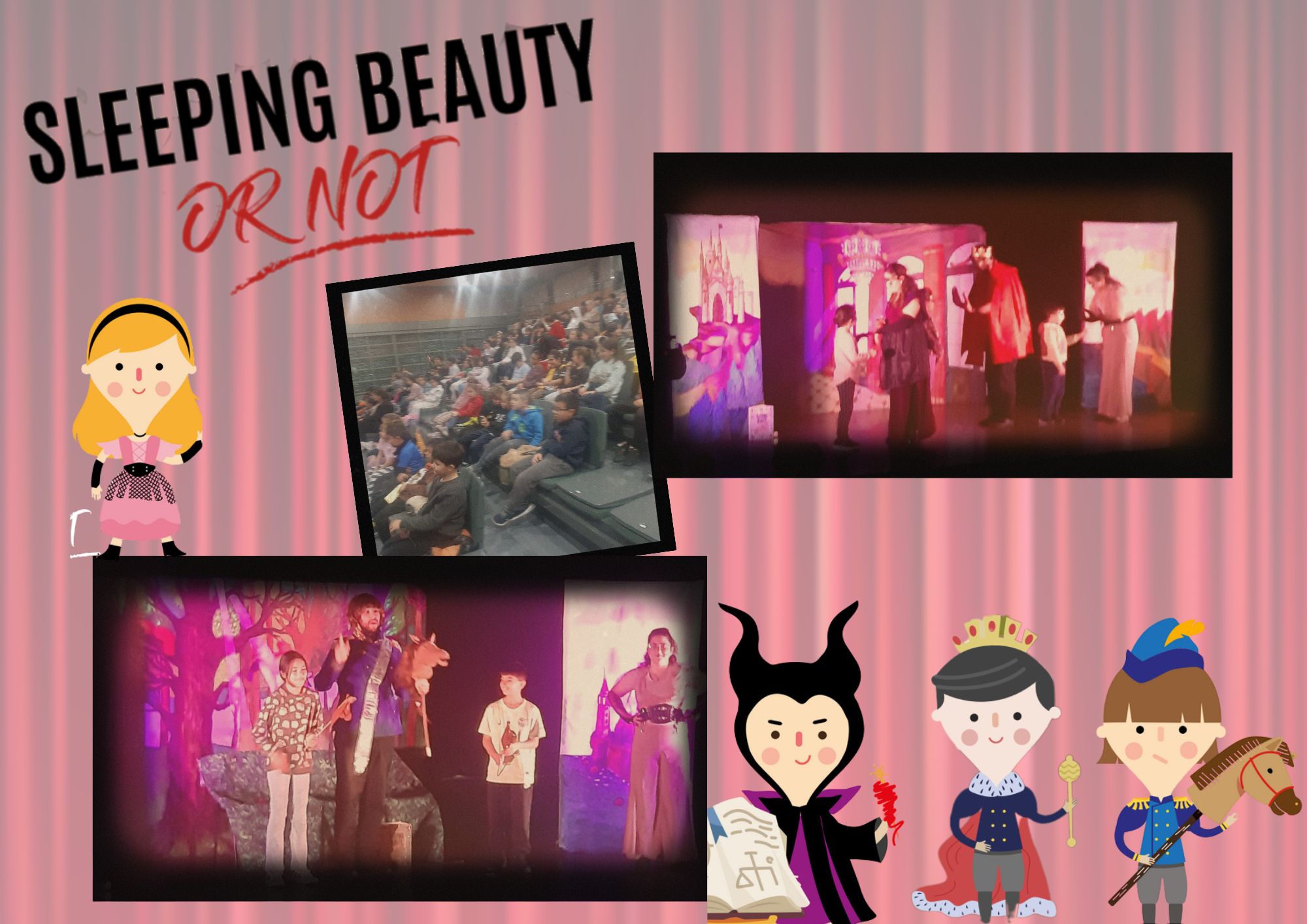
Yesterday we had a great opportunity to practise English while having a good time by watching a play: Sleeping Beauty (or not).

Mitjans” and “Grans” had been preparing the theatre for weeks and they knew the story very well: it was a new version of the traditional fairy tale in which the princess, Aurora, changed the story to fit her true desires.

The students laughed and sang together with the characters and… some even became actors and danced or rode toy horses!

All in all, students discovered that, knowing the context and some basic language, it is possible to understand a complex story with lots of unknown words. Why don’t you give it a go and watch cartoons or films in English? You may be surprised!

WHAT TIME IS IT?

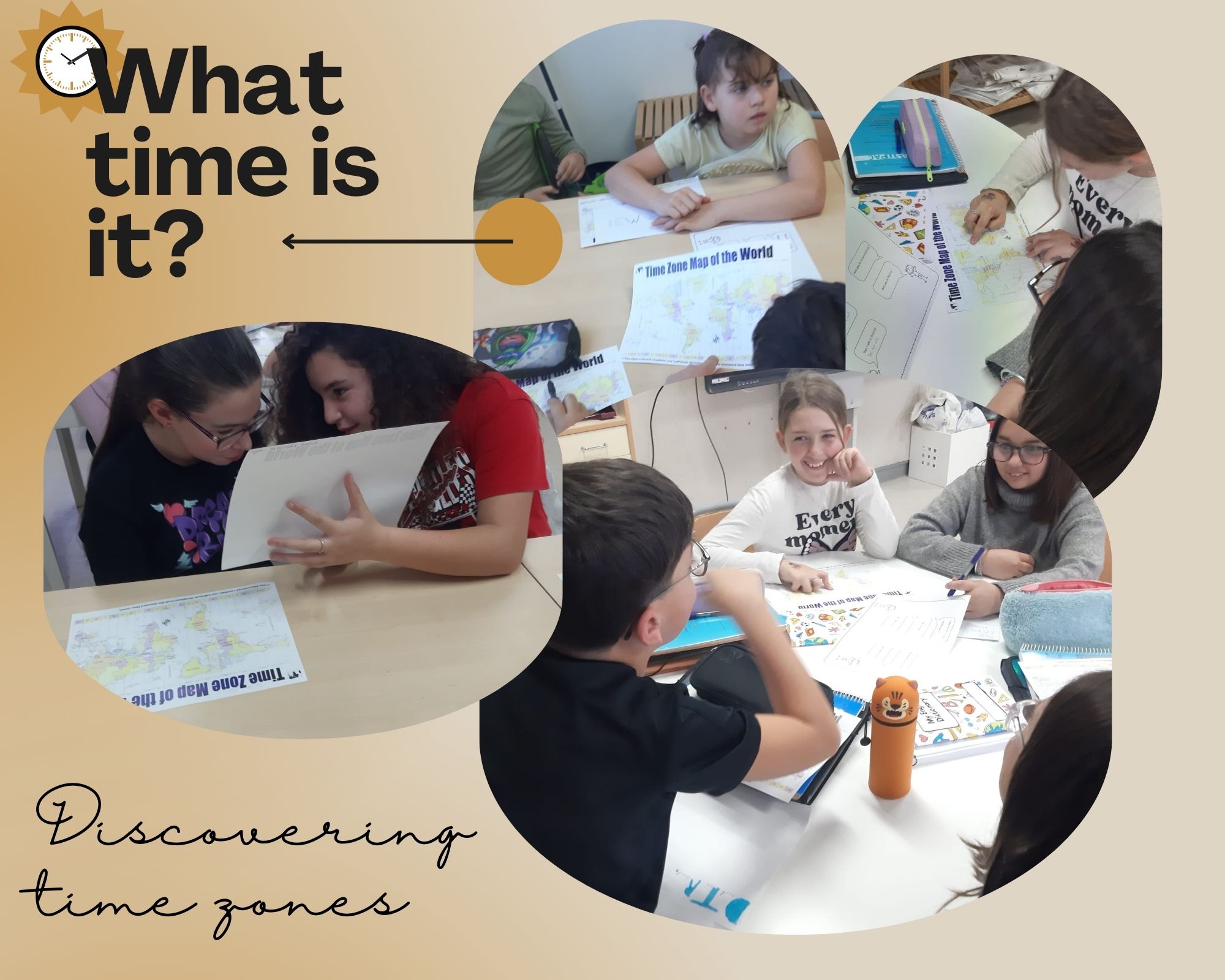
In “The little Prince” it is said that the planet where the Prince lives is so small that he saw the sunset forty-four times. Having this in mind, the Petits Prínceps tried to answer the question that was waiting for them to start the term… Is it possible to celebrate New Year’s twice?

As you can see, last year there was an air company that offered the possibility to celebrate the arrival of the New Year twice by taking advantage of the International date line. Amazing!

After learning that time zones were stablished in 1883 taking London as the starting meridian, the Petits Princeps looked at the map and discovered what was the time in different cities around the world.

Once they had that clear, it was time to have fun while learning to tell the time in English at the same time. In pairs, they played a game in which they had to guess a city in the world just by saying the time…

It was a perfect and meaningful way to practise speaking!

FAHRENHEIT VS CELSIUS

Checking temperatures around the school we started wondering about the F written on the thermometers. What is that F? We discovered that it was the symbol used to refer to Fahrenheit: what a strange name!

It was funny, but we also recognised the word… Llegeix més»

WHERE IS THE GARDEN?

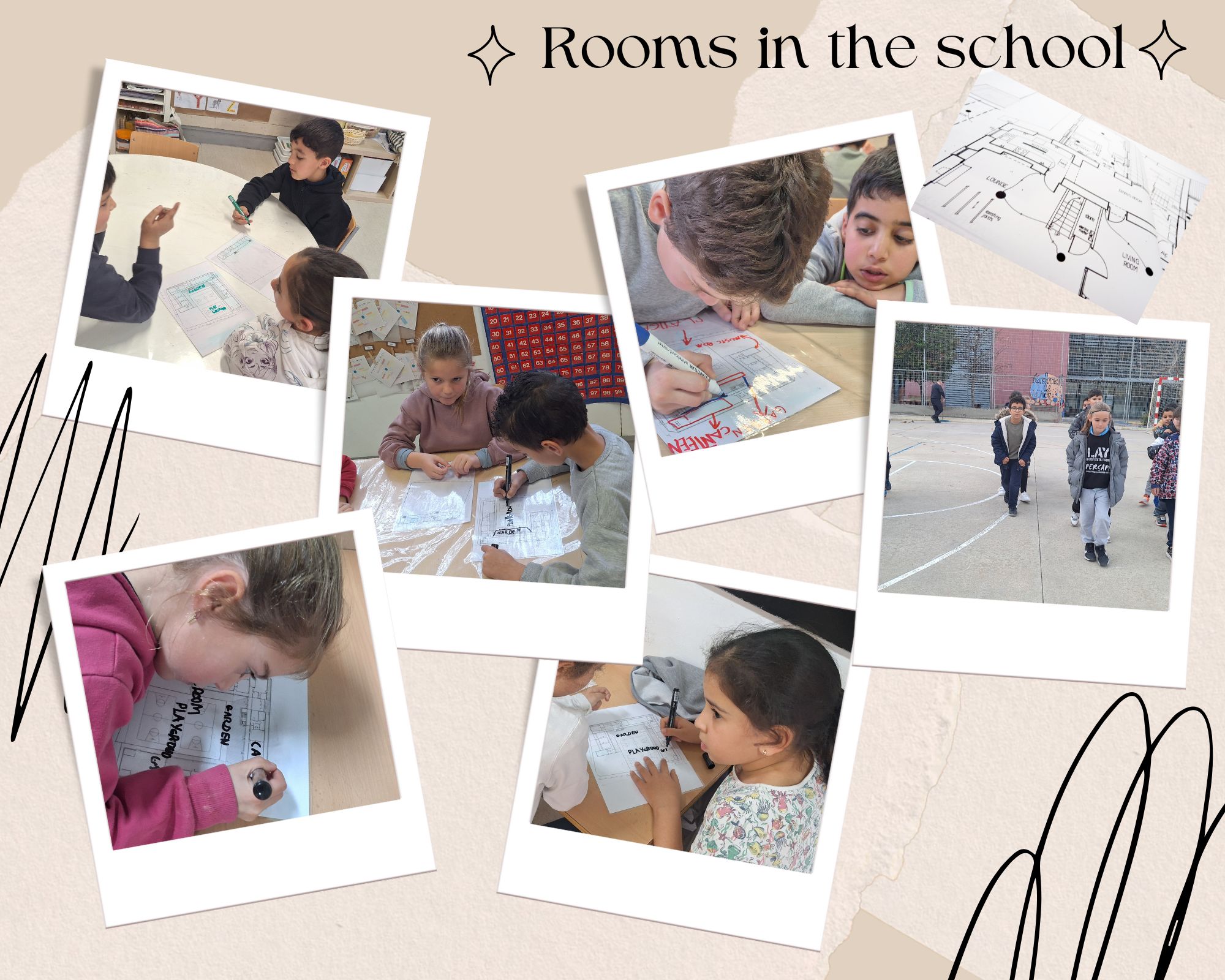
Alicies are focusing on the school garden and ways to fix it. We are using floor plans of the school (not maps!) to locate the garden and we were able to locate our classroom as well. It is very easy! Looking at the floor plans we were curious about the other spaces in the school and we learned how to say the spaces in English. Do you know what the gym is? And the playground?

We also went to the playground and played games to learn expressions very useful to give directions. It was very fun!

DEAR ZOO

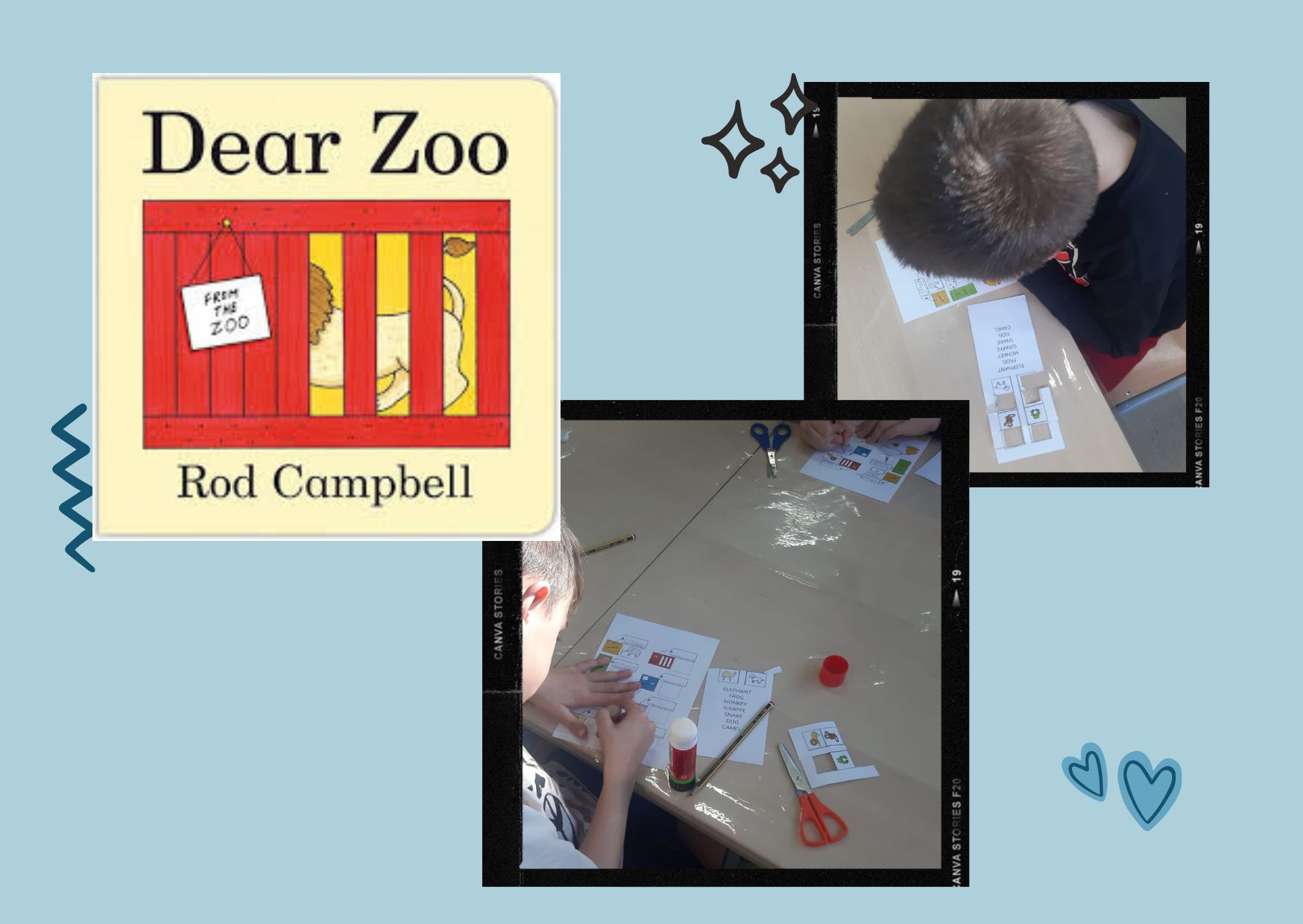
Rovellons are learning a lot about pets while making their sticker album. We love stories and we discovered a classic English story for children. It is called “Dear zoo” and it is about a child who writes a letter to the zoo because he wants a pet. The people from the zoo send a lot of animals but … the animals are not perfect pets! The elephant is too big, the lion is too fierce and the snake is too scary!

After sending back all the animals, the zoo sent the perfect animal… Watch the video to discover what animal was!

After listening to the story, we checked our memory associating the boxes to the correct animals and the correct names! Reading in English is not that difficult and we can recognise the name of a lot of animals!