We discovered that there are different trees in our garden with different names. Now, that there are flowers in our garden, we also discovered that they have different names… Also in English!
We discovered the name of different flowers in English by reading!
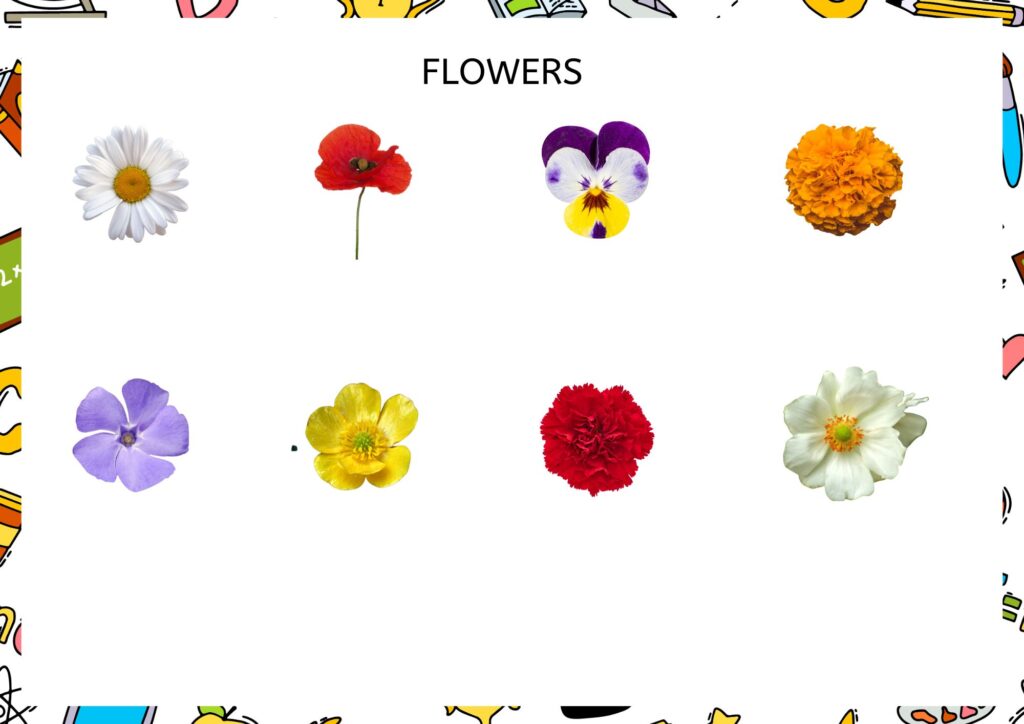
We had the photos lot of flowers on one page…
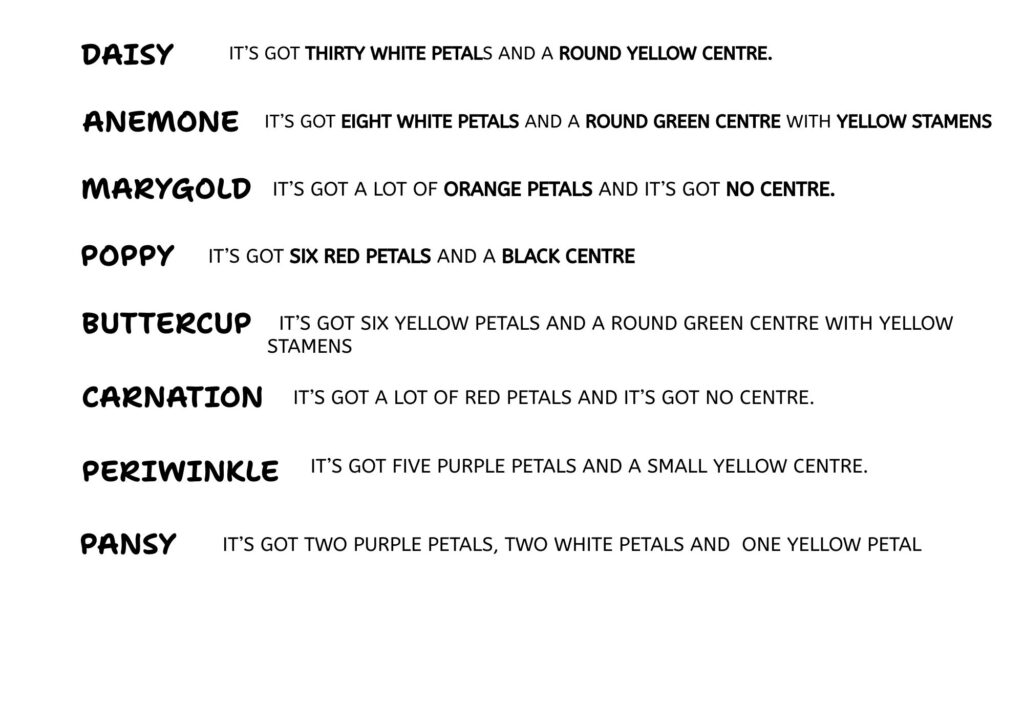
and the names and the descriptions on another page.
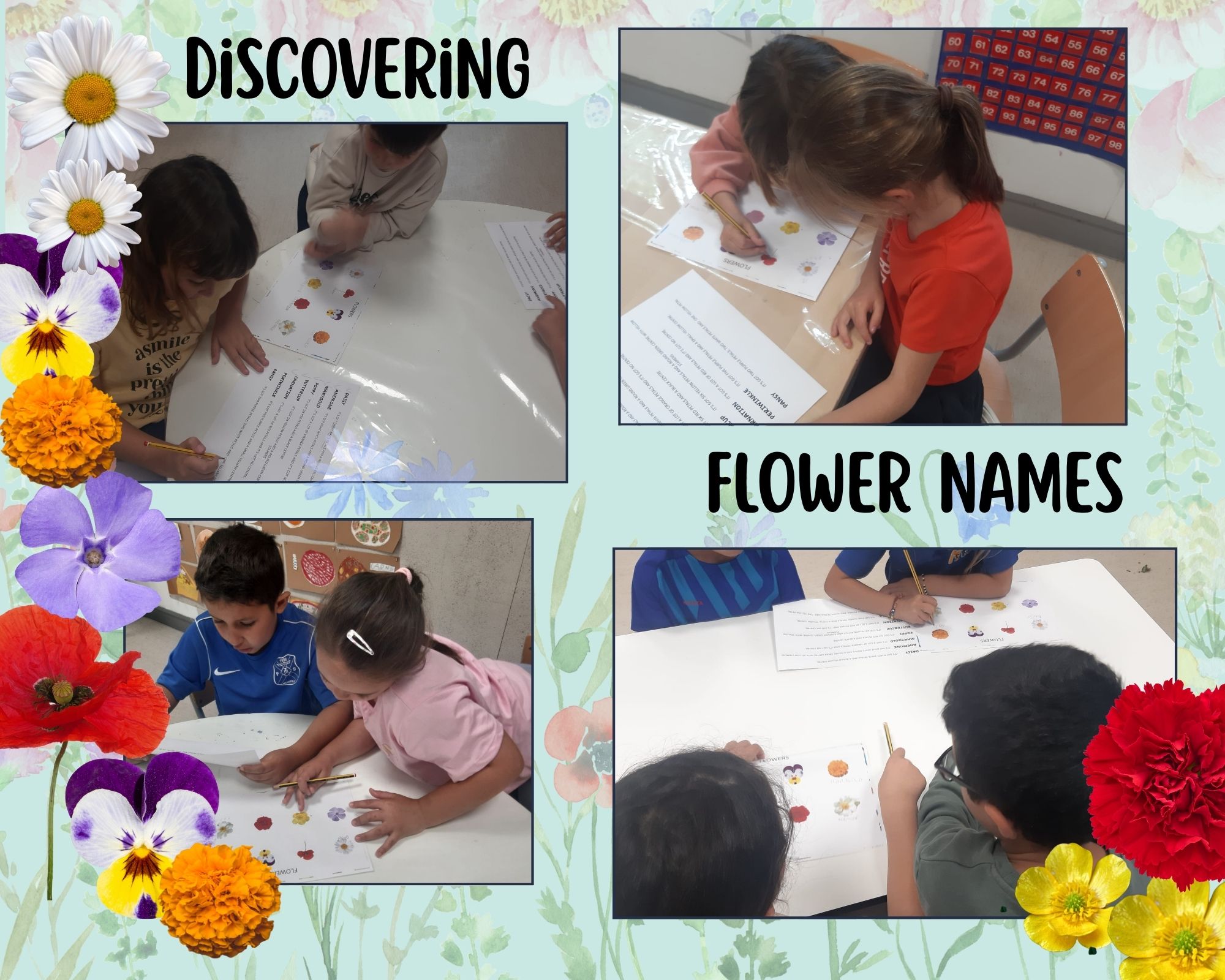
In pairs, we read the descriptions and wrote the correct names under the photos. It was a bit difficult at first, but soon we noticed that by recognising numbers and colours (words that we are VERY familiar with) it was very easy!
Doing achievable activities that like this, we develop strategies that make our reading (in both English and Catalan) better and we are motivated to read more!
Don’t be afraid and try to find the names in English too!
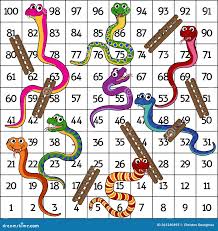
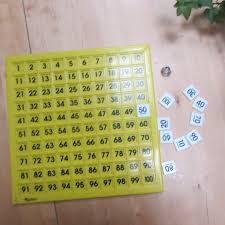
Now we are practising a lot with the 100 board, we noticed that there is an English game that is very similar to it: “snakes and ladders”.
We started playing the game, but it was very confusing… the order of the numbers was very different!
Our number board started on the top with number 1 and ended with 100 at the bottom.
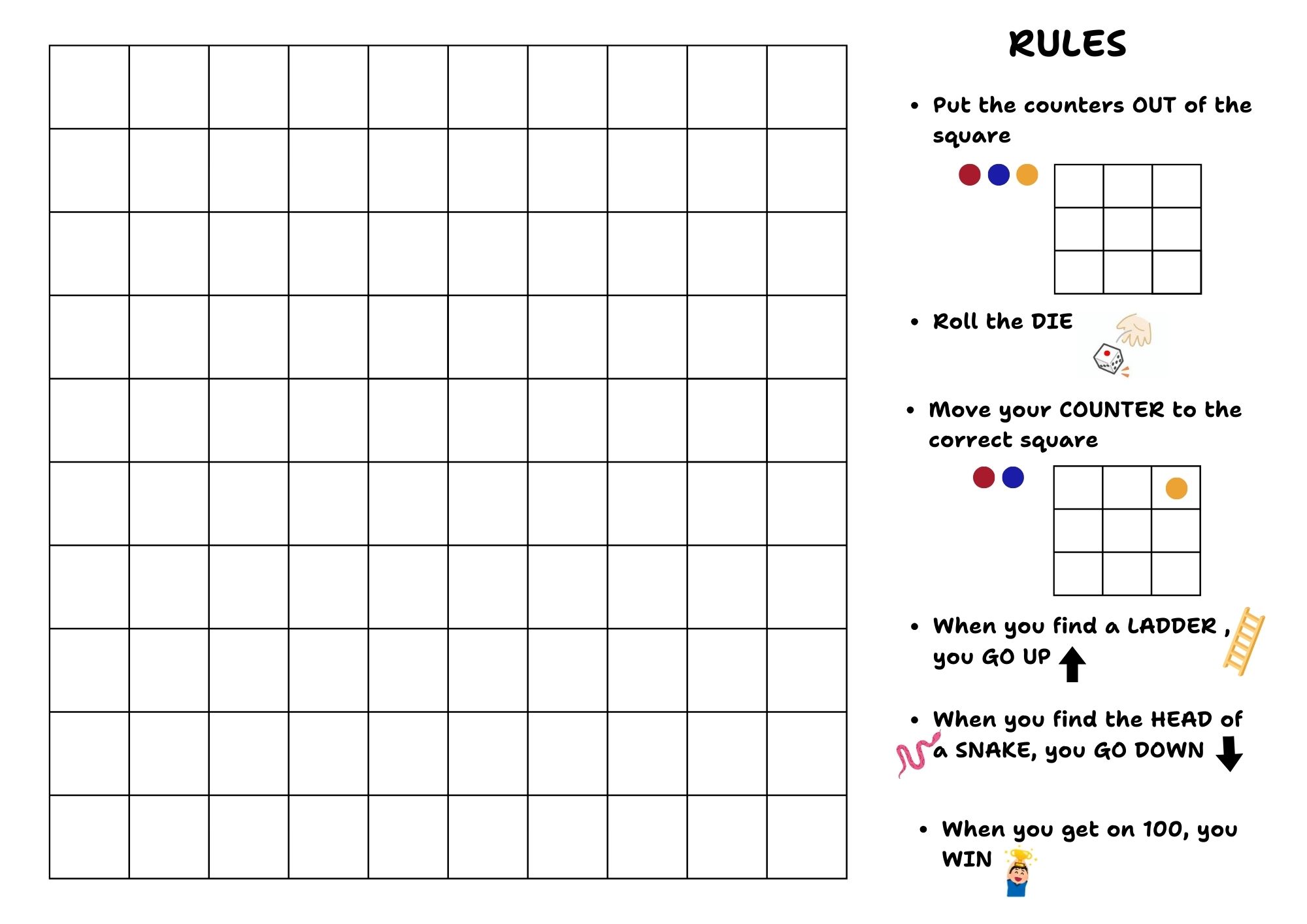
To solve this problem, we decided to do our version of the game. We wrote all the numbers IN ORDER on the grid and drew as many snakes and ladders as we wanted. Doing this activity was very interesting and offered a great opportunity to practise a lot of numbers in English.
The best part, though, was playing! We practised saying the numbers in English as well as expressions such as “MY TURN”, “ROLL THE DIE” or “I WIN”.
Make a board at home and play. The rules are very easy!
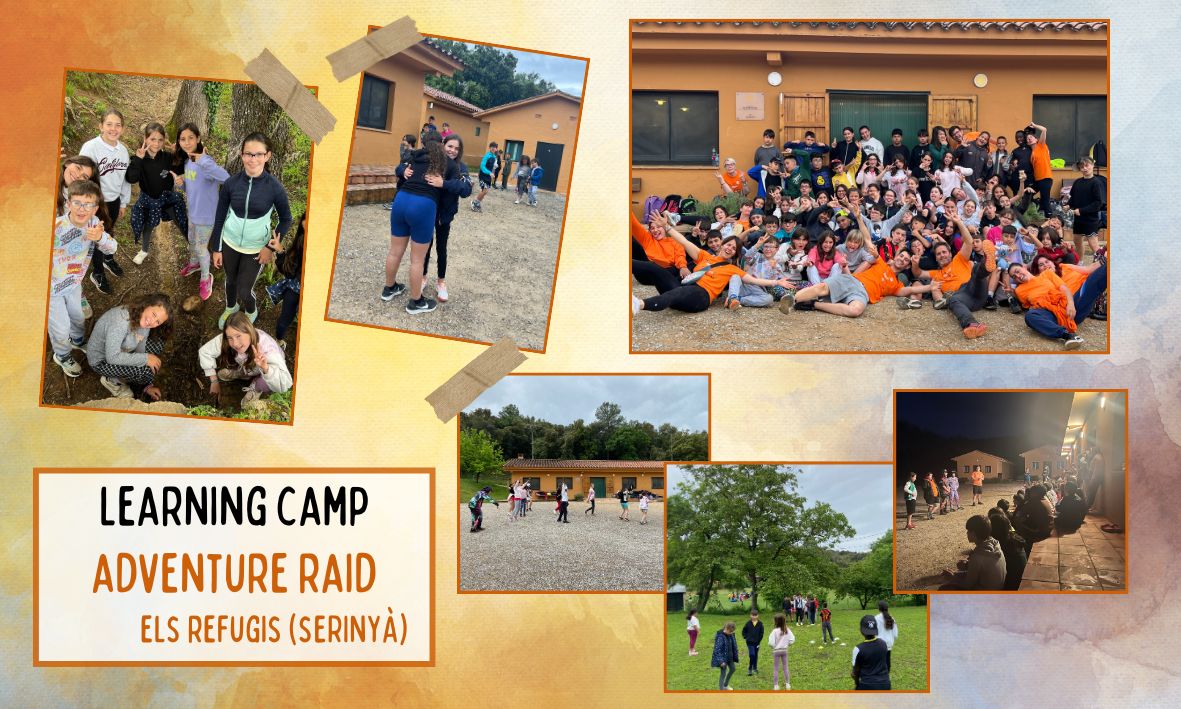
As part of the project “Maquinant!”, we spent three days in Serinyà, in the Refugis house doing different activities that helped us reflect on the dangers of social media. As you may know, all the activities were in English, the language of computing, engineering and science.
At first, it was a bit strange to hear English from unknown teachers, but we quickly got the grasp of it and we used strategies to solve any communication problem. We were so confident that we even talked to them in English, although they understood us perfectly!
Once settled in the rooms, we walked around the beautiful surroundings (we were in the middle of the forest) to know our way around. Everything was at hand and there were plenty of spaces to run and hide for the forthcoming rain (that luckily did not affect the activities).
Then it was the moment to meet Rocky, a TikToker that enjoys streaming sport activities, and we joined him in lots of fun sports that put all our abilities at stake.
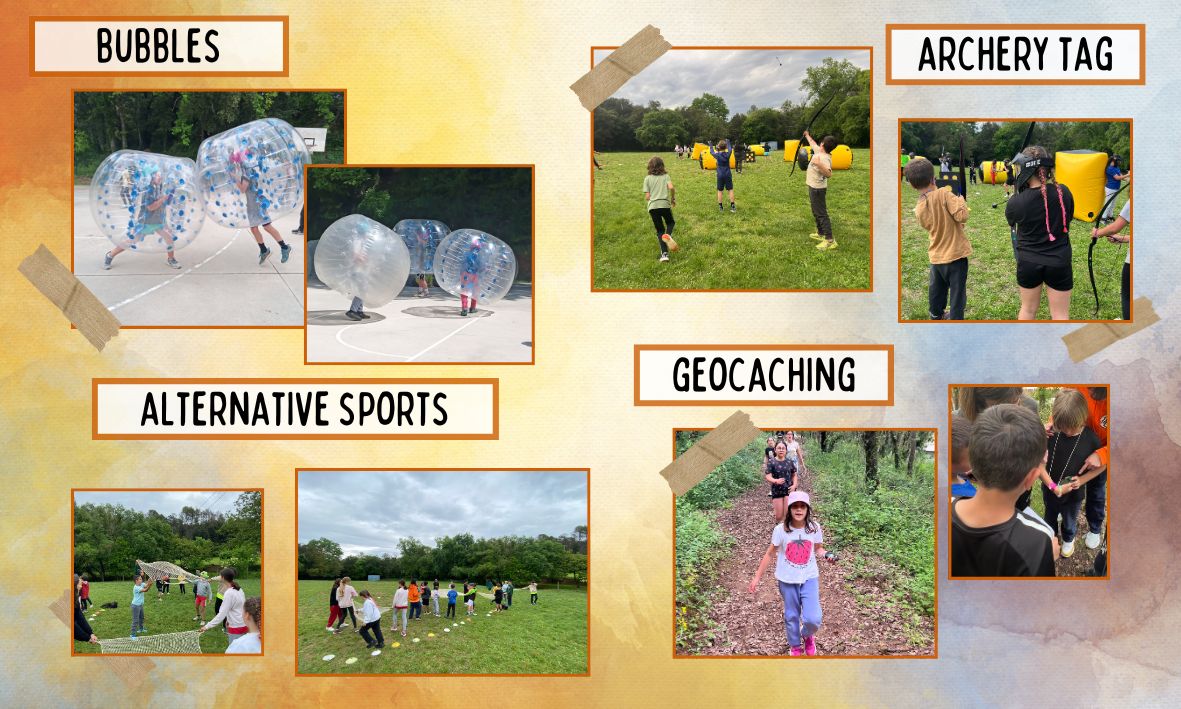
ARCHERY TAG Divided in two teams, we practiced our aiming using bows and arrows just like Robin Hood. It was very exciting!
BUBBLES We did a lot of fighting and races inside a gigantic inflatable bubble. It was quite difficult to keep the balance while walking, but it was very fun to do cartwheels in them!
GEOCACHING Using GPS we walked around looking for clues that helped us solve a riddle. It was not as easy as it seemed because sometimes understanding the machine was quite tricky.
We practised other different sports like baseball, handball and other games with balls and parachutes that helped us build up the confidence and trust within the group.
The first night, some of us transformed into vampires that had to hunt the villagers. It was fun trying to hide in the dark and avoid the light of the torches. But the great highlight was the disco, where Rocky and all the people from Marta Mata showed great musical and dancing talents.
All in all, three days that helped us realize the importance of physical activity in having a healthy life and growing confidence with the English Language.
The 23rd of April is a very important day in Catalonia because of St. George celebration. But, did you know that it is celebrated worldwide as the International Book Day?
It all started in 1995 when the UNESCO decided to dedicate a day a year to promote reading, a lifelong skill key in learning that also adds richness to our lives.
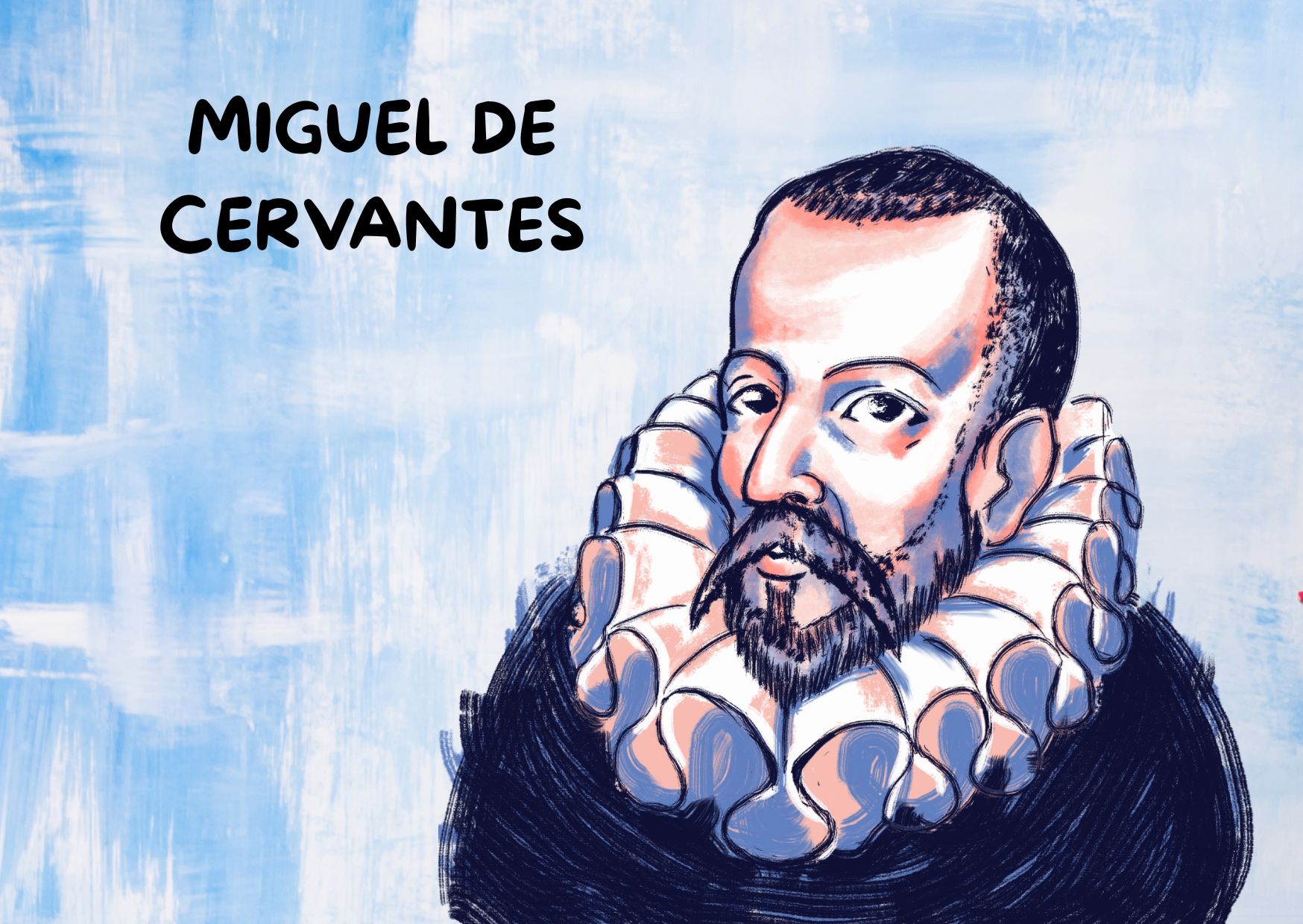
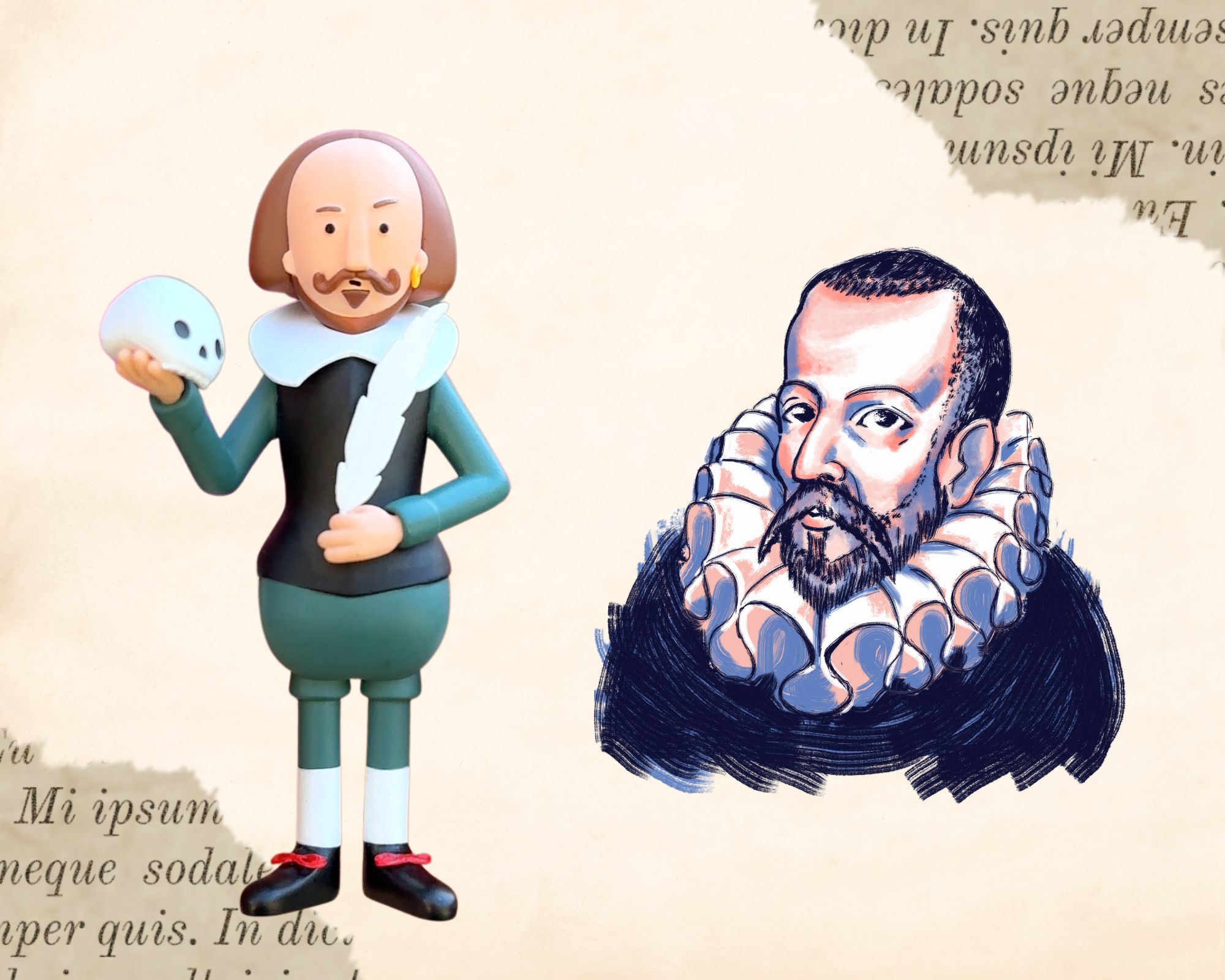
They chose this date to honour two of the most famous writers ever who died on a 23rd of April…
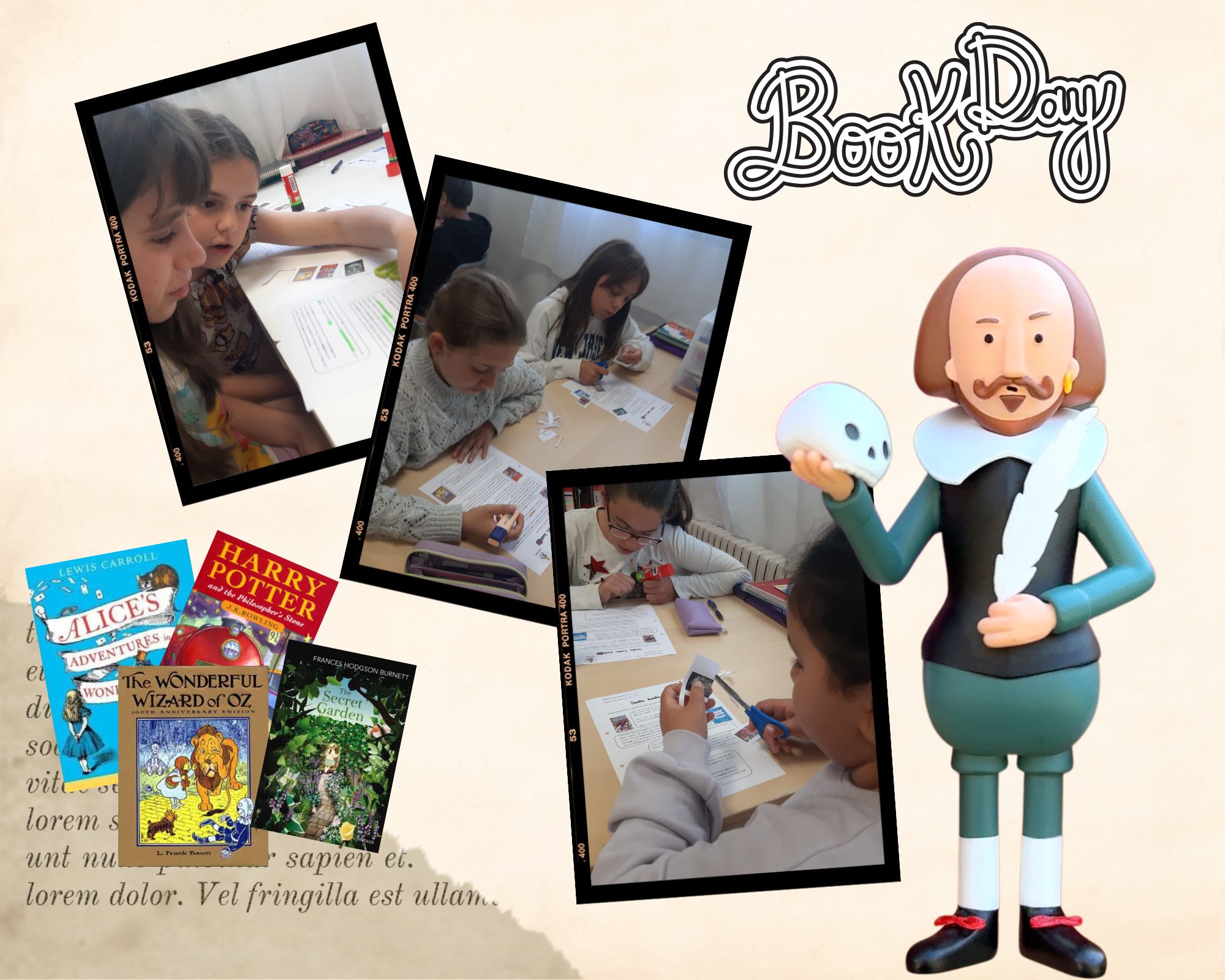
We realized that, by reading a short summary (or blurb), we were able to recognize the title of one of the most popular works by Shakespeare: Romeo and Juliet.
To test our abilities in recognising books, we did, in groups, an activity that consisted in reading blurbs and match them to the correct book cover. It was very easy!
We realized that it was not necessary to understand all the words in the text and that we used a lot of different strategies to fulfill the task. Some looked at the cover and single words that matched them while other focused on some words (like rabbit or superhero) related to the stories we already knew.
After doing this activity, we were faced to a questionnaire and, in that case, it was necessary to understand ALL the text. Again, we shared strategies like guessing word meaning by context and their similarities to Catalan words.
The 23rd of April is a very important day in Catalonia because of St. George celebration. But, did you know that it is celebrated worldwide as the International Book Day?
It all started in 1995 when the UNESCO decided to dedicate a day a year to promote reading, a lifelong skill key in learning that also adds richness to our lives.
They chose this date to honour two of the most famous writers ever who died on a 23rd of April…
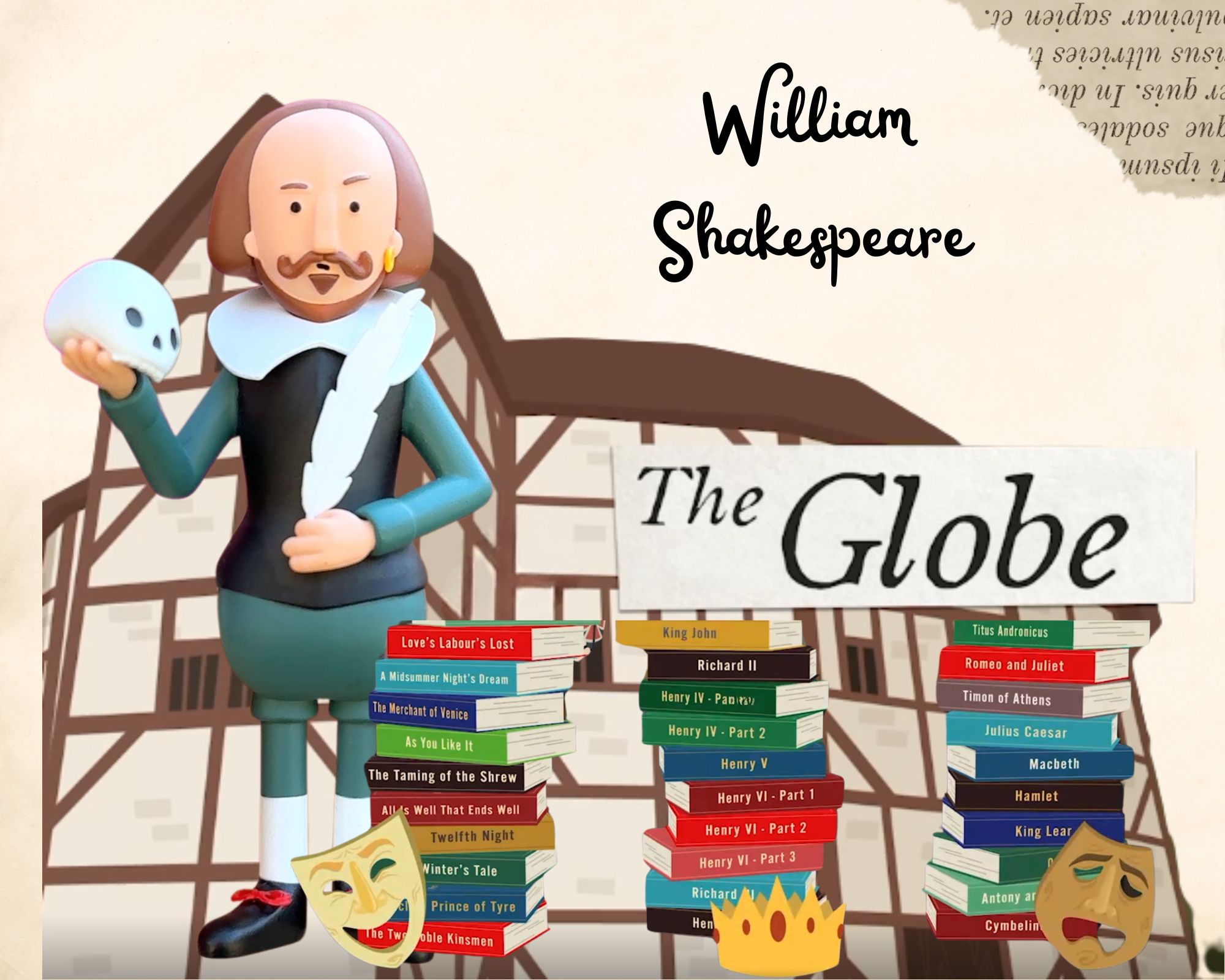
Both names were familiar but we realized that we didn’t know much. We watched a video about William Shakespeare life and we were amazed! Did you know that he helped build a theatre and that he wrote more than 35 plays?
The video was very interesting and the images helped us understand it better. We were even able to summarize the text by putting sentences in order!
Another curiosity about Shakespeare is that he invented a lot of expressions that we still use today, even in Spanish. Play the game and match the expressions. How many can you get right?
The 23rd of April is a very important day in Catalonia because of St. George celebration. But, did you know that it is celebrated worldwide as the International Book Day?
It all started in 1995 when the UNESCO decided to dedicate a day a year to promote reading, a lifelong skill key in learning that also adds richness to our lives.
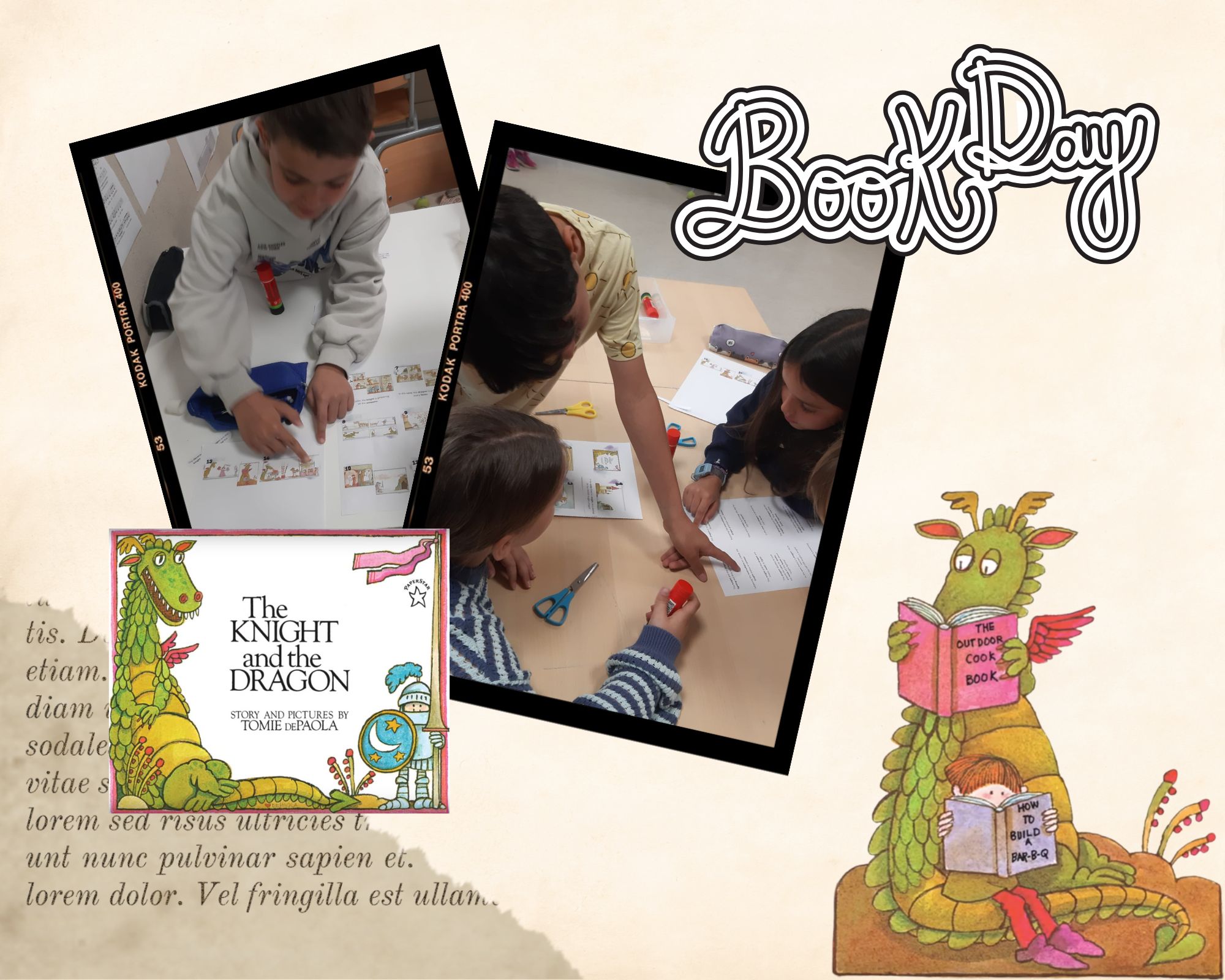
To celebrate this day, we read a story about a dragon and a knight... that needed to learn fighting! We had to work very hard to read because the images and the text were separated. The task was easy once we realised that we could use some reading strategies:
-It is not necessary to understand all the words, just the important ones!
-A lot of words are very similar to Catalan or Spanish
–Images give a lot of information
We then watched the video to correct. It was very fun!
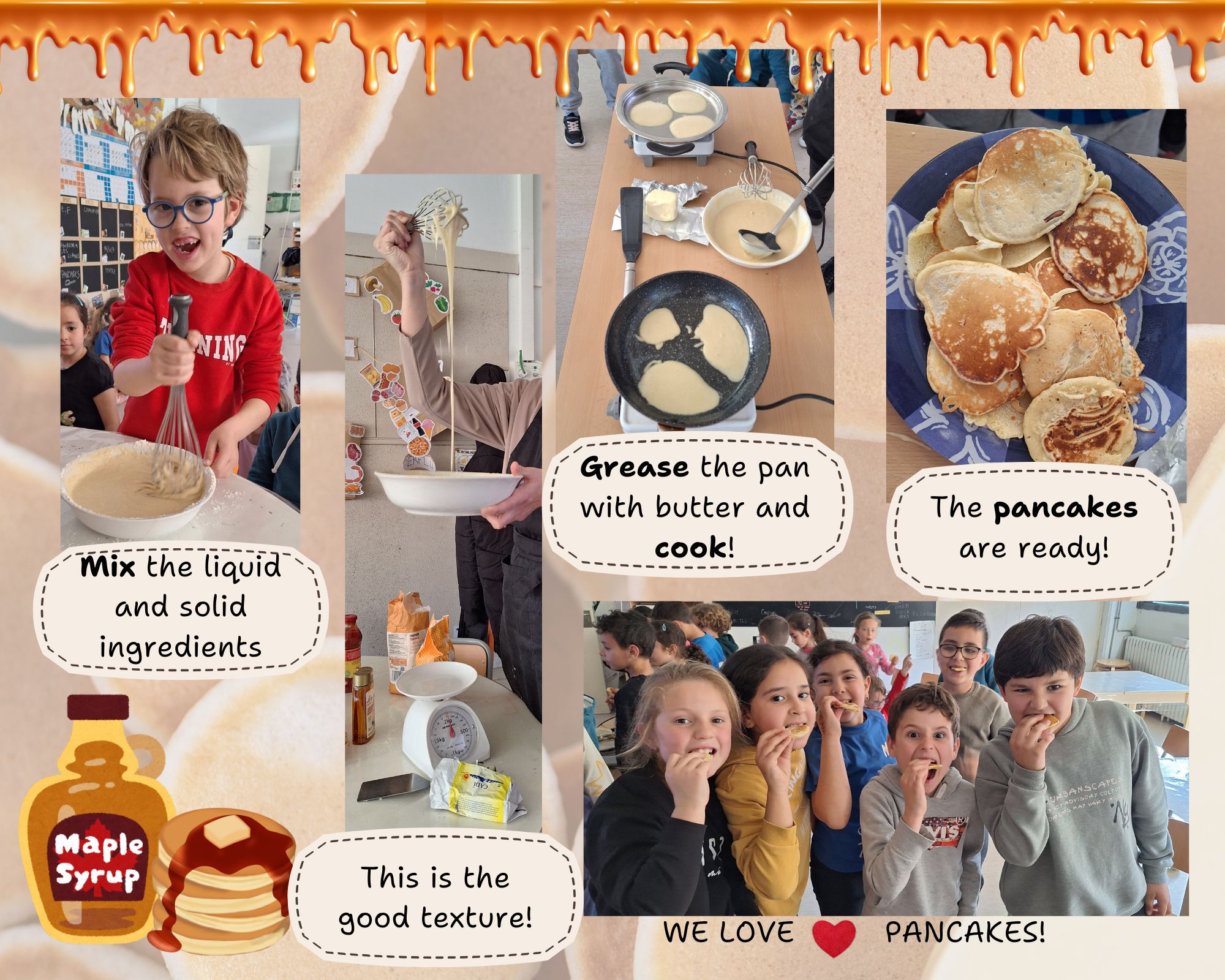
We discovered that we have a maple tree in the garden, which is the source of a delicious food… maple syrup! Have you tasted it?
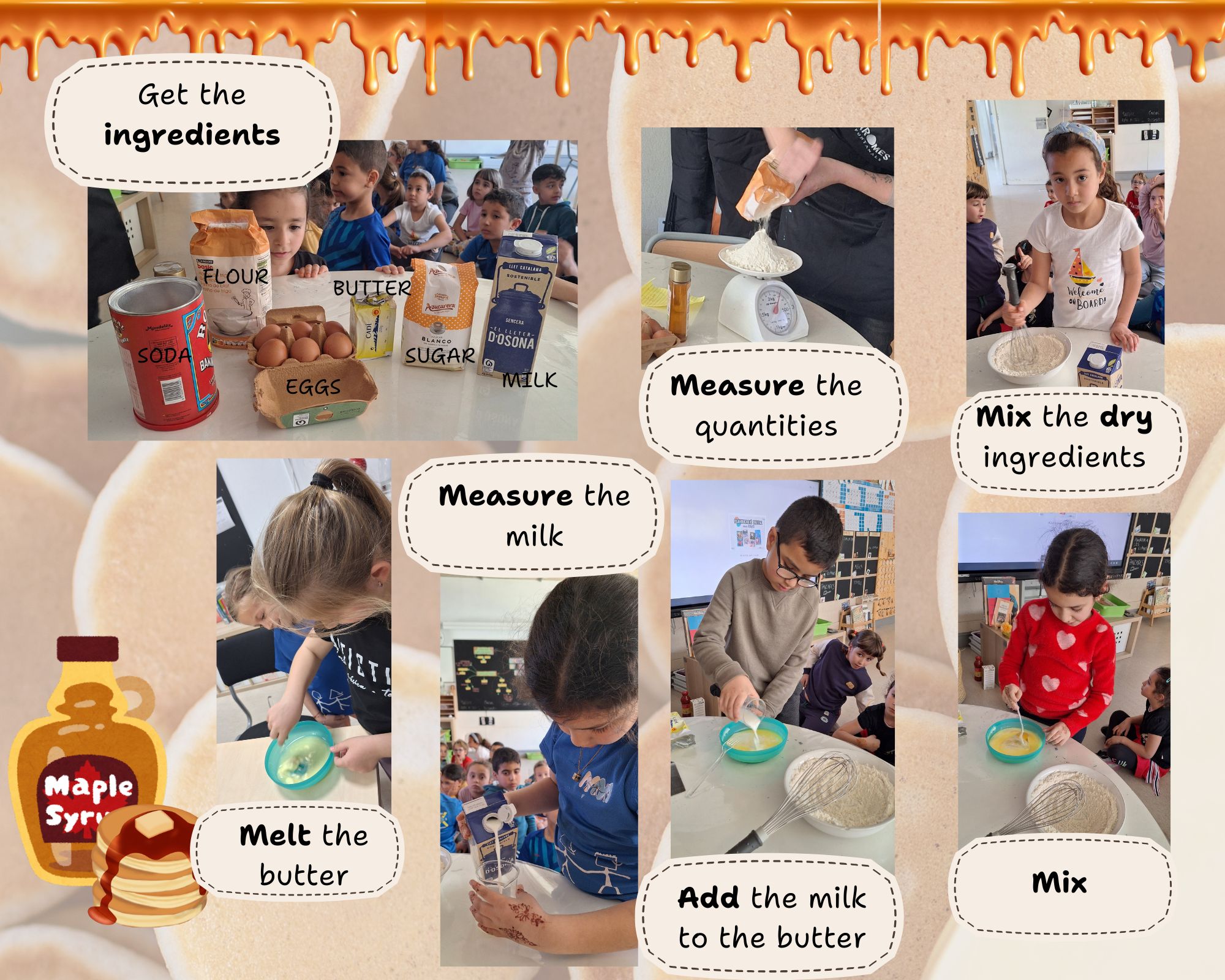
We wanted to taste it but not by itself… It is very common to eat syrup together with pancakes so, it was time for us to learn how to cook pancakes.
What were the ingredients to cook pancakes? We watched a videoto get the information and we were surprised to see that, in England, there is the pancake day!
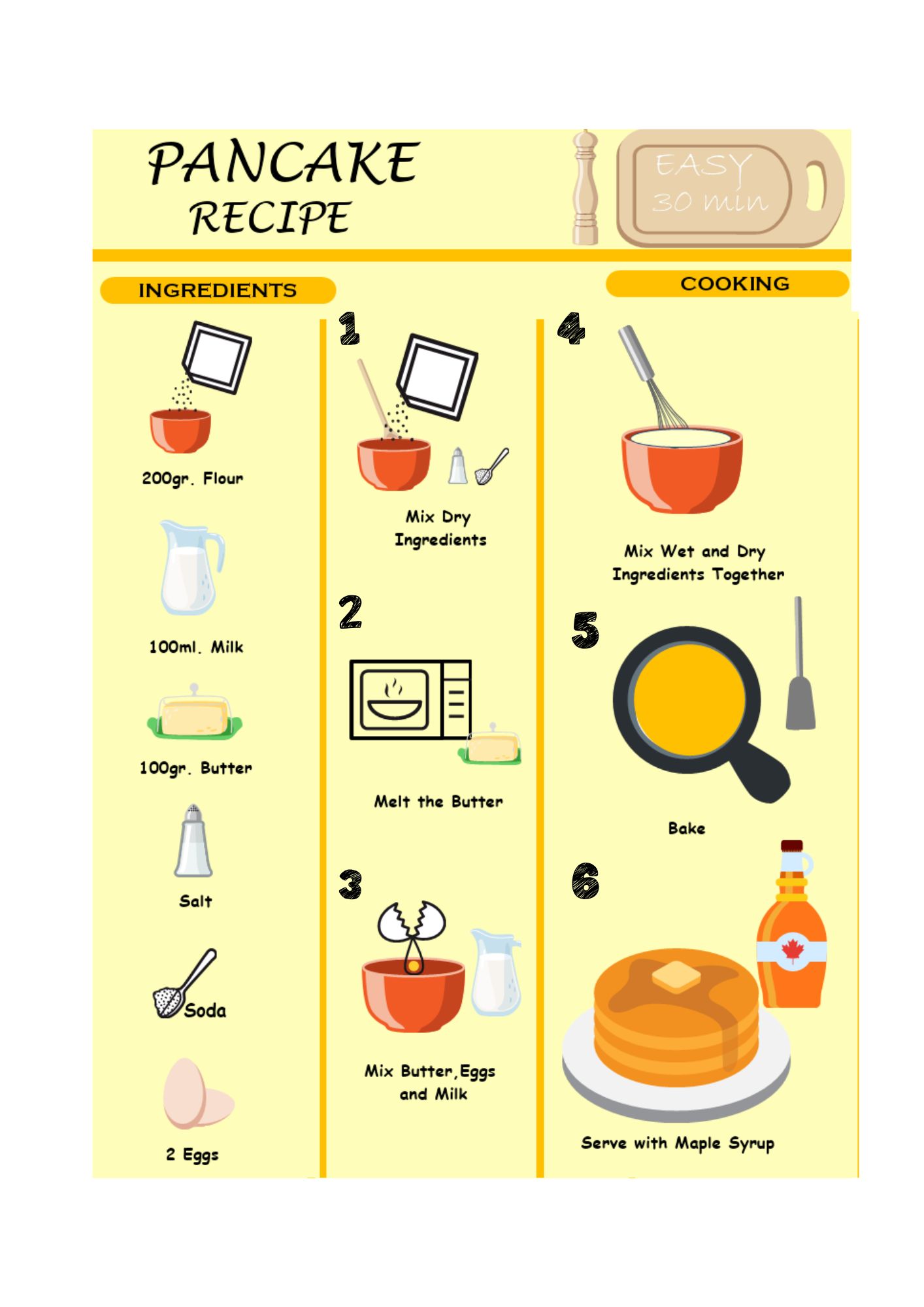
After watching the video and playing a game to recognise the vocabulary, it was time to get the recipe. It is very easy!
Reading a recipe in English is not very difficult because we can use the images and the similarities between English and Catalan words to understand the text, so we soon knew how to cook the pancakes. We were ready!
The pancakes were delicious and we had fun cooking them. Are you going to try the recipe at home?
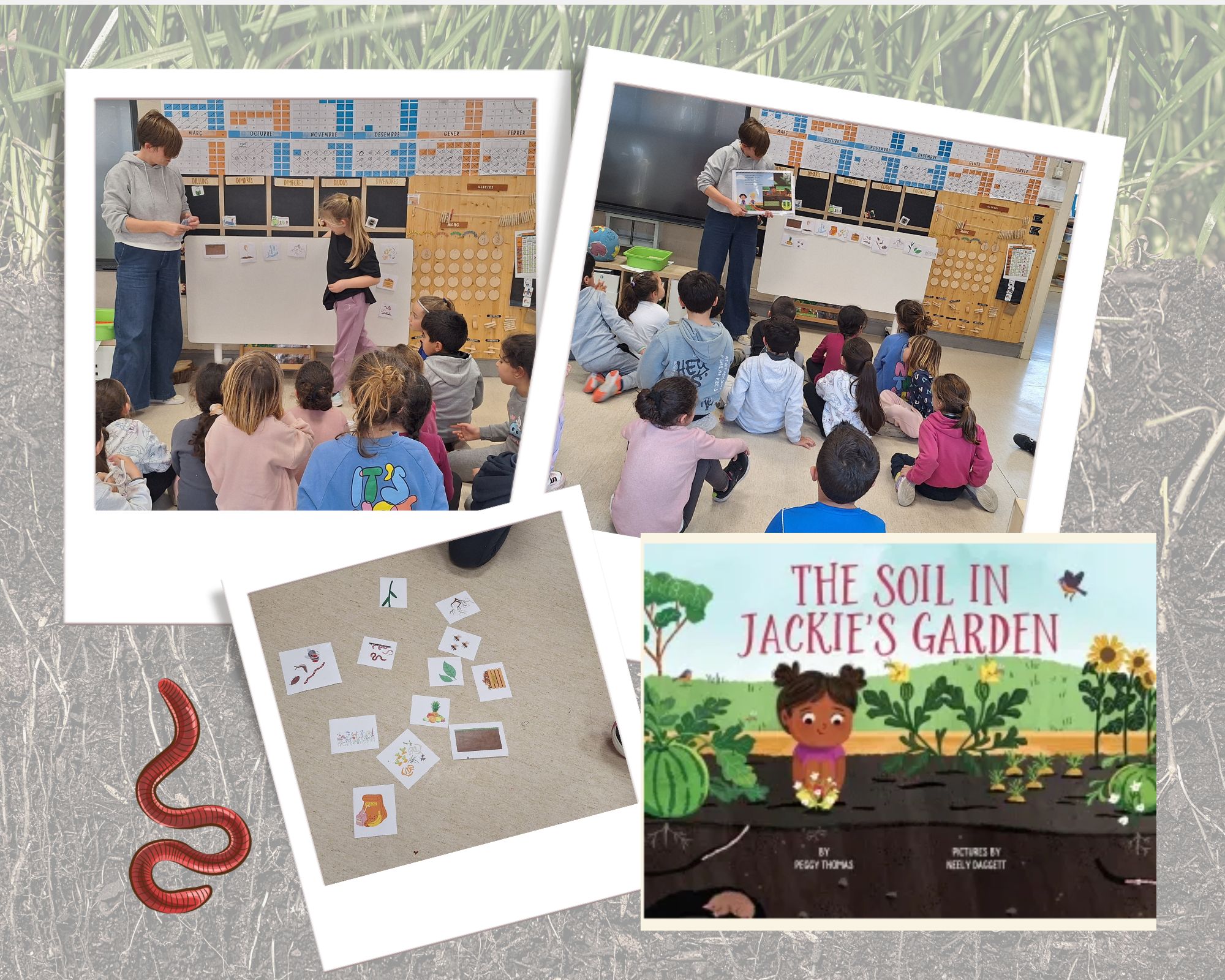
As you know, after finding a dead bird in the garden, we learned about the important role decomposers play in the life cycle.
We listened to a story in English called “The soil in Jackie’s garden” and, while revising the vocabulary about the garden we already knew, we quickly realized how all the stages are connected and how important it is that the soil has nutrients too.
It was a simple and fun story that, with its repetitive format, helped acquire new vocabulary and structures. Watch the video and play the game to revise the vocabulary like we did!
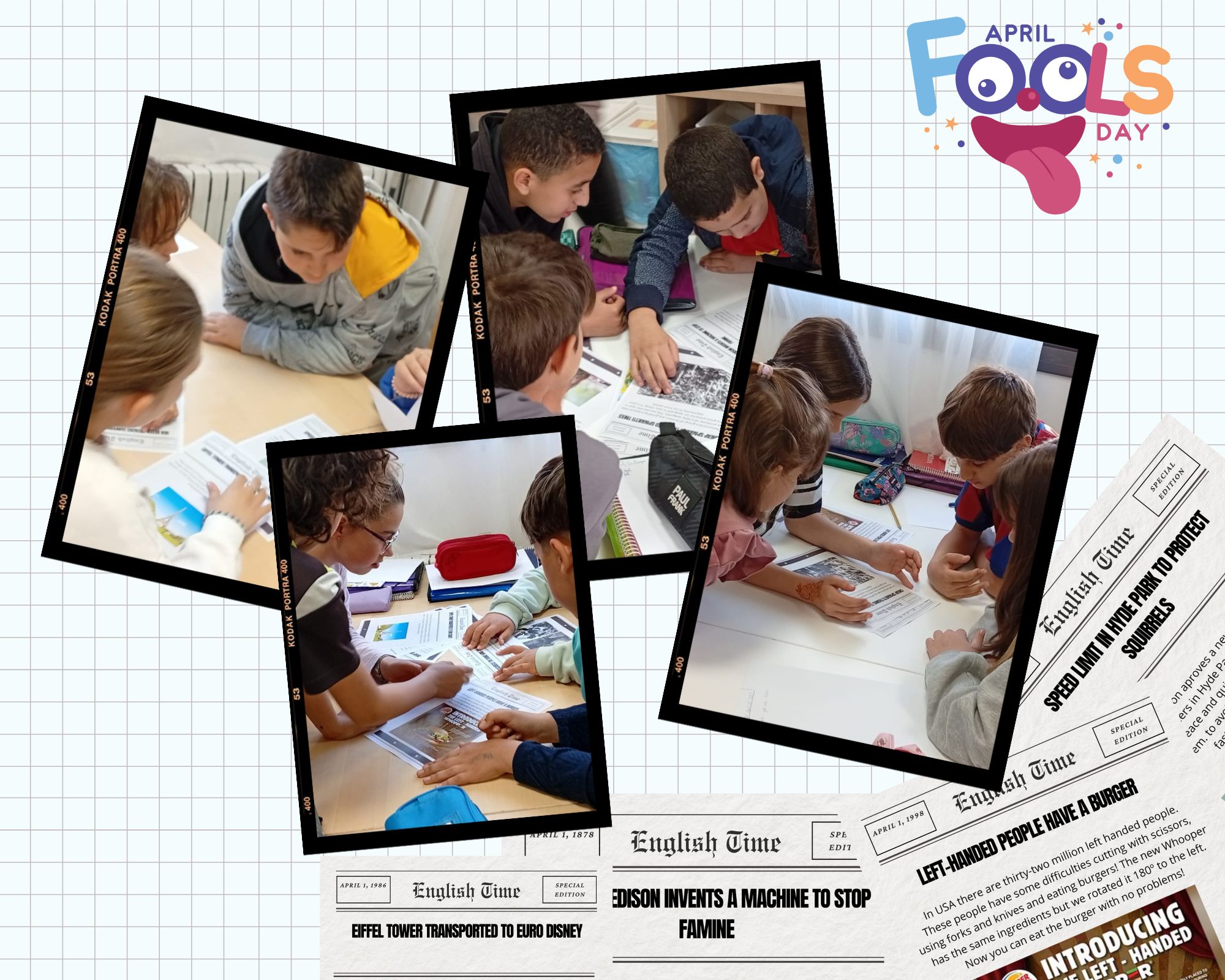
We discovered that today it is a very special day in the United Kingdom and in the United States of America… today it’s April Fool’s day!
On this day, it is common that everybody plays jokes or tricks to make fun and have a laugh, even companies and newspapers! It is quite fun to read or watch the news today because you have to guess what article is fake.
This is precisely what we did today, we read a lot of real articles (adapted but real) that appeared on the news and we had to guess which two were real. It was not as easy as it seemed! Can you guess the two real ones?Click and have a go!
Reading together to distinguish the fake from the real ones, we realised that the important part was to get the general idea. It was not so important to know all the words in the text because only knowing the key words (which we can translate with the use of dictionaries) and the images that go with it we could guess most of it.
The strategies we used were very different when we had to answer the questions about specific information. In this activity, we had to select first the correct article to locate then the information using the key words.
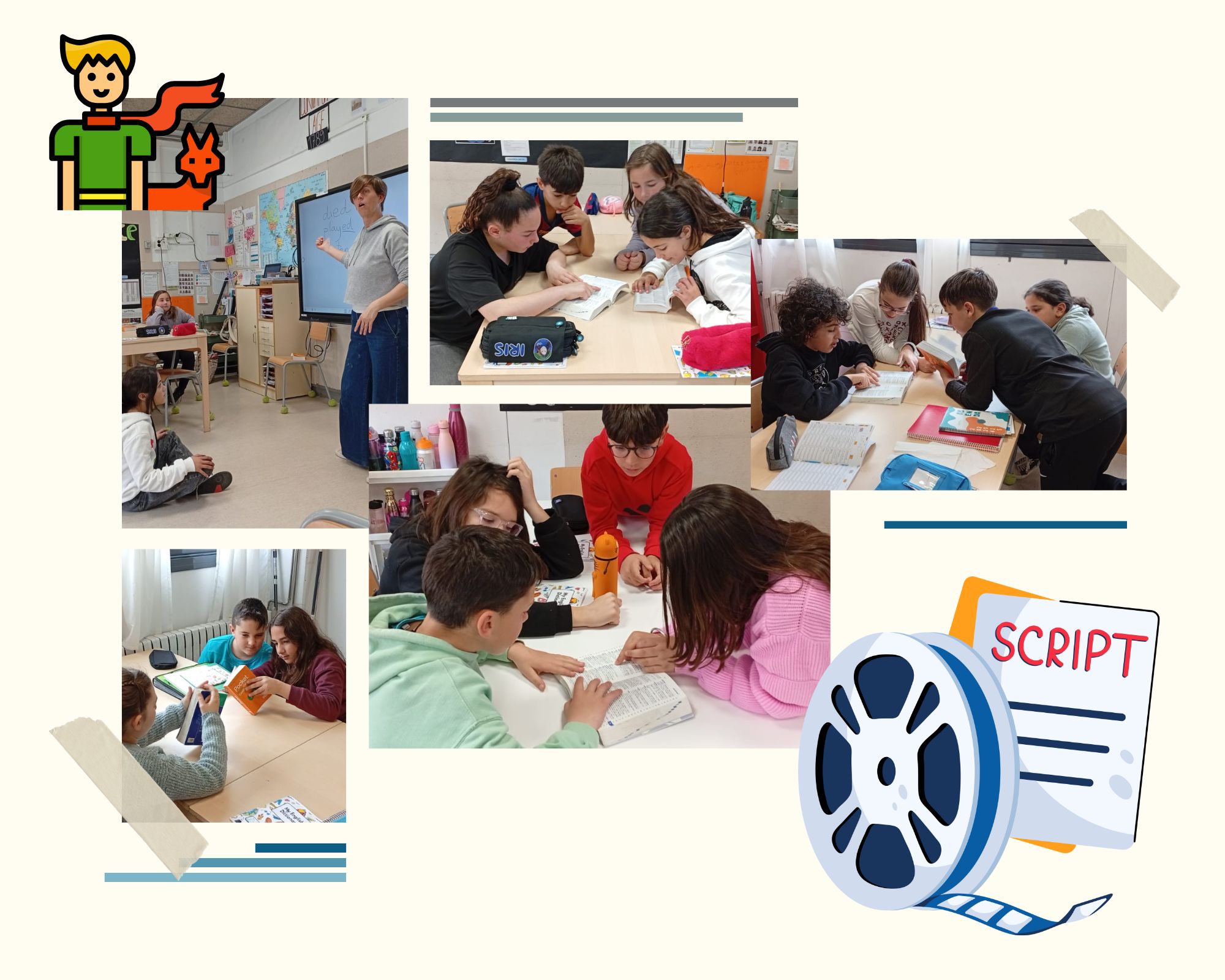
We have just finished writing the script and we are ready to start rehearsing! We don’t want to give any spoilers but, in the play, there is a part in English. Believe it or not, it was us who wrote it!
At first, we were a bit scared because it was a complex text we had to write but we managed to do it. The key was to break the task in small manageable bits. We agreed that it was better to write the text in Catalan because we were not fluent enough to write a complex text in English. We then put into writing our ideas using simple Catalan expressions and verb tenses.
How can we turn our text into English? Somebody suggested using Google translator but we refused the idea on the grounds that usually the resulting translation is not always correct and that by doing so we do not learn! How could we do it? With the use of dictionaries!
We organized in groups and, together we decided what words were necessary to translate. Surprisingly, we realized that we didn’t need to look for so many words… We already know a lot of words!
Writing the script we came across a new verb tense… the past! By looking at the dictionary, we realized that to write a verb in past we only need to add -ed to the verb but there are a lot of exceptions!
By writing a text like this together we not only practised the structures we already know but we also had the opportunity to reflect on the functioning of the English language and how it differs from Catalan.