DISCOVERING MARIMOS

“Adopt the pace of nature: her secret is patience”

Ralph Waldo Emerson
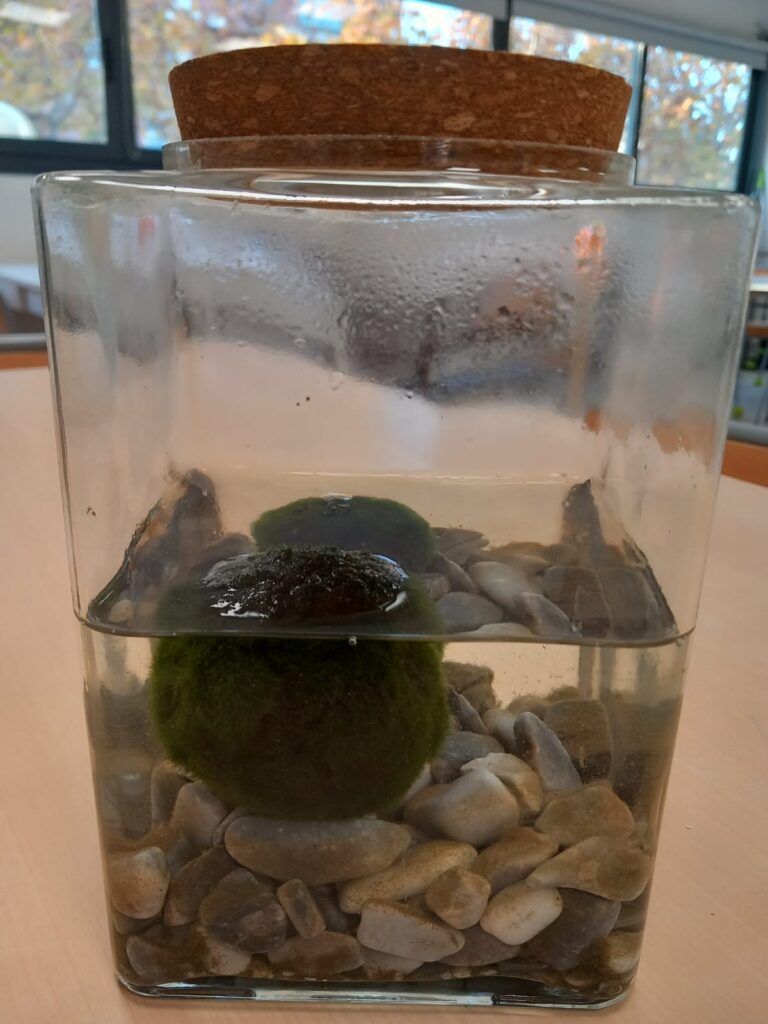
After learning about the art of Bonsai, the other day we discovered another plant that is a national treasure of Japan: marimos

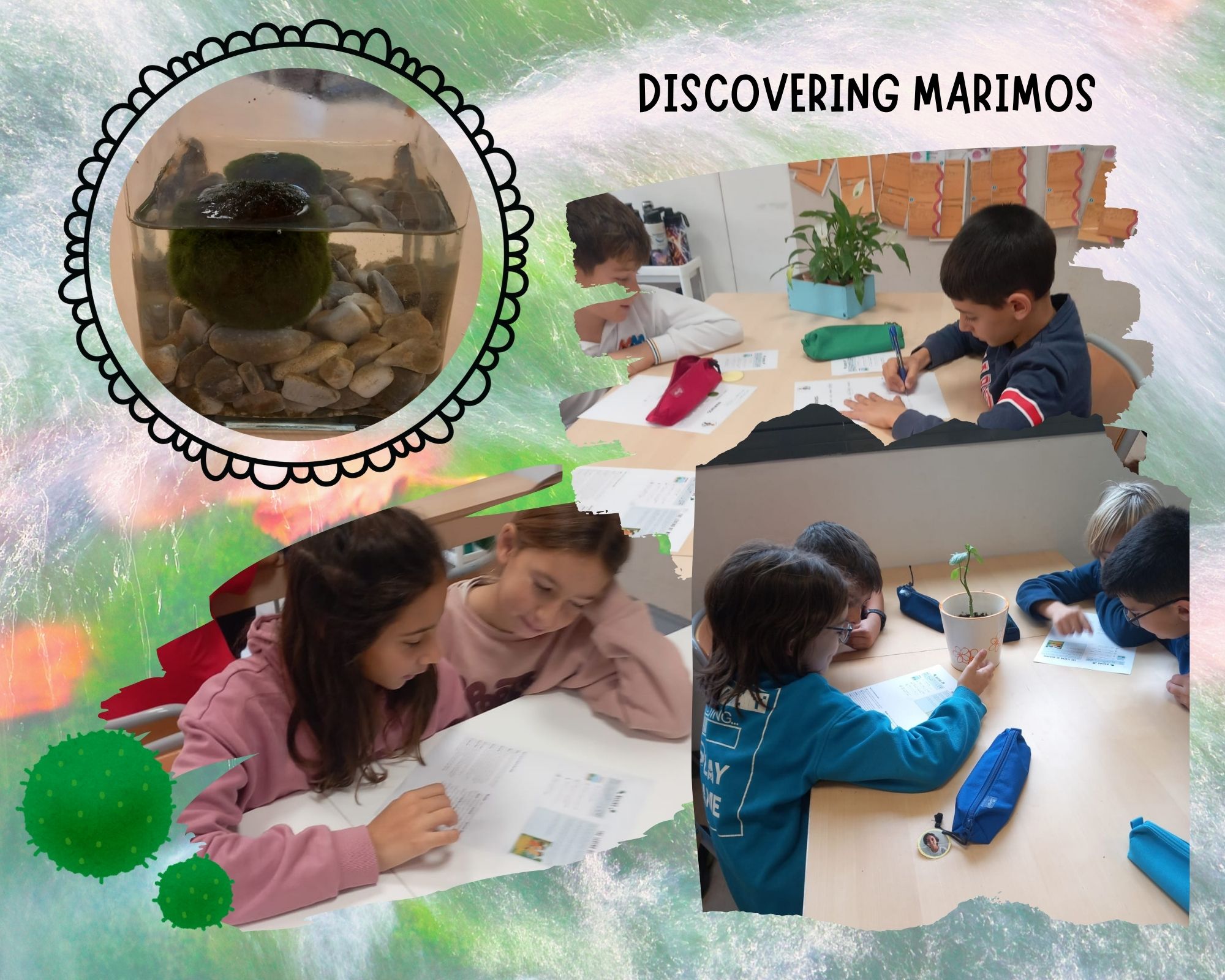
When we arrived at the class we found a glass jar full of water and two little green balls floating in water. Suddenly, a lot of questions came to our mind: is it alive? is it a plant? Is it an animal? 

We would soon answer all our questions just by reading. We were presented with four texts that contained all the answers to the questions and we had only 5 minutes to read through them. This time limit forced us to put into practice comprehension strategies like skimming and making predictions that are key when we want to move from recognising words to fully comprehend a text. 

In pairs, we read the texts and we agreed that only two of them had the information that we needed. Then, in order to discover the marimos, we had to choose one text to read more carefully and we decided that the first text, with images and shorter text, was the best for our purpose. What text would you have chosen?
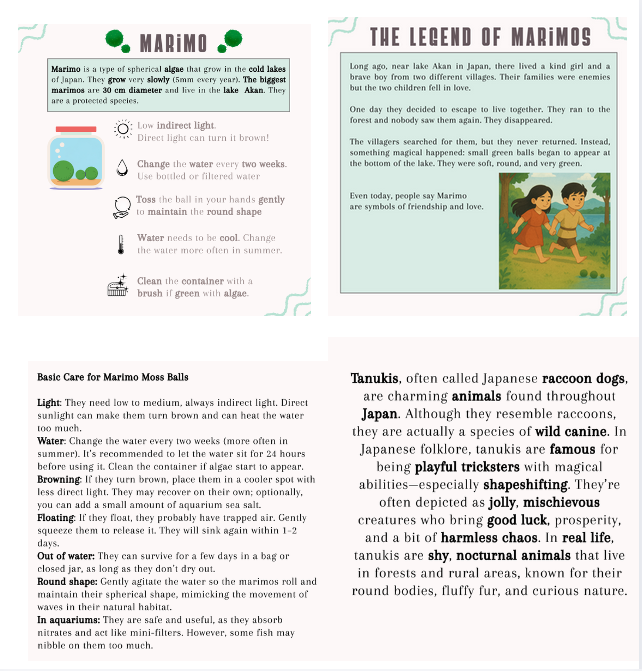
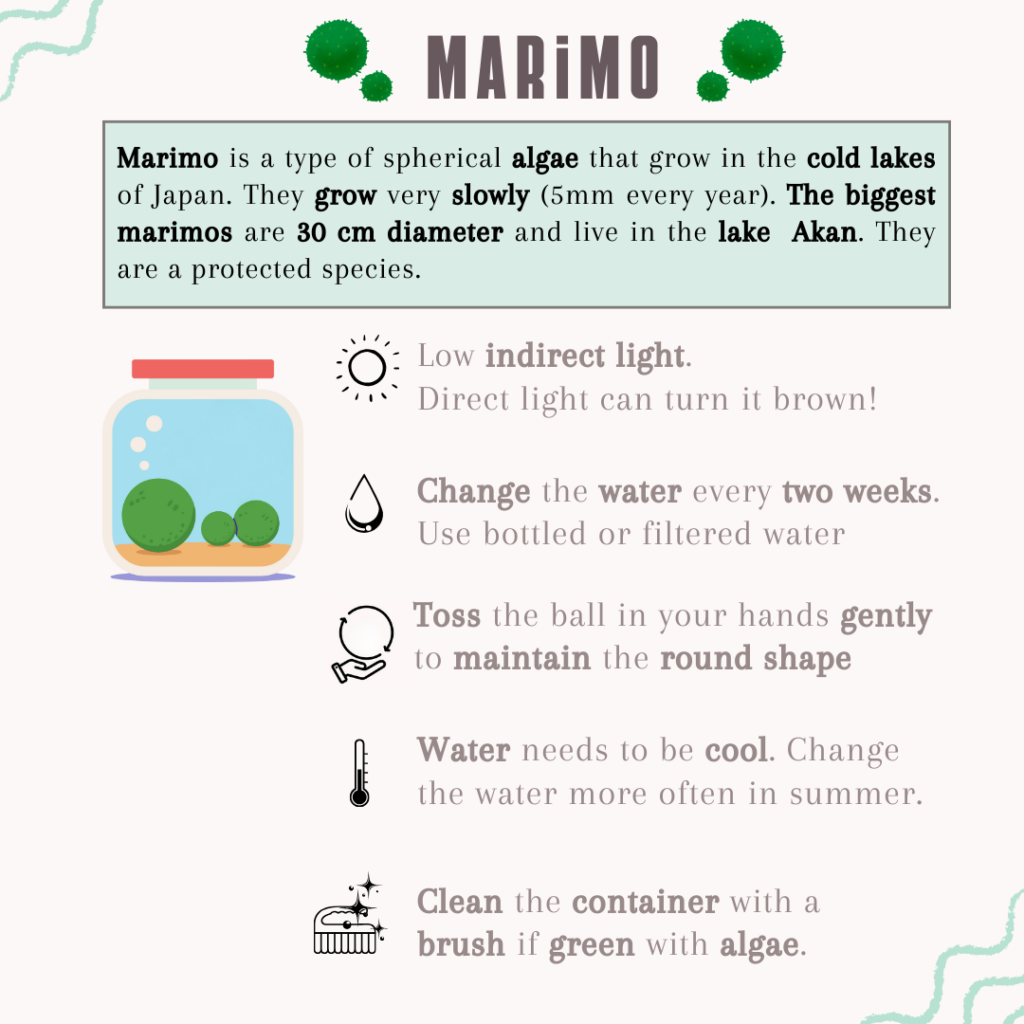
As you can see, it is a plant that requires indirect light and cool water that must be changed every fifteen days. To keep the round shape, it is important to roll it carefully on your hands every now and then.  

We were very surprised to see that marimos grow very slowly… only 5 mm per year just to reach the 30 cm that measure the biggest ones. This raised a lot of new questionsHow old is our marimo?  How does it measure? 

Seeing a marimo grow, just like reading, is a beautiful slow process that it can not be rushed.
FROM THE OLDEST PERSON TO THE LONGEST PAPER

“Language is best taught when it is being used to transmit messages, not when it is explicitly taught for conscious learning.”

Stephen D. Krashen

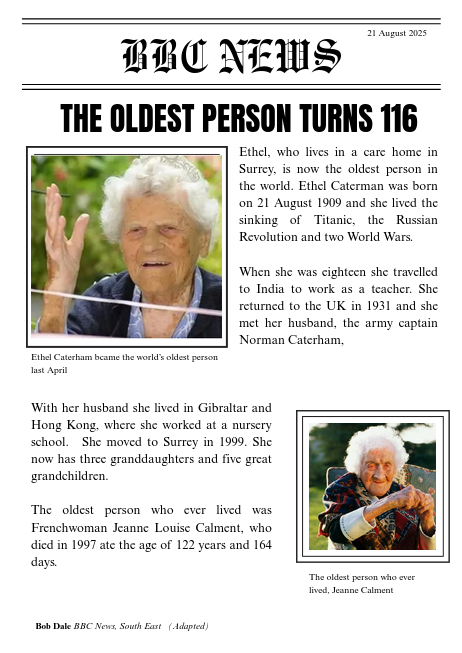
In a book, someone found an article that made us wonder… How long can a person live? 

Reading an article, we discovered that the oldest person living now is an English woman who is now 116. The record is not hers,though, because the oldest person who has ever lived was a French woman, Jeanne, who died when she was 126!

We also looked at a map and we focused on the way they use colours and symbols to give a lot of information in a very little space. Can you see where people live the longest?  And the shortest? Looking at the map we found out that in Spain people live an average of 84 years.  “No pot ser… Jo conec gent més gran de 84!” someone said in class. We supposed that this had something to do with a word that was still a mystery… AVERAGE.

We were not so confused with “the oldest” or “the longest”, other new structures that we also found in the texts: we guessed that it was la més vella” and “la més llarga” just by using the context of the text and our previous knowledge. Reading in English is not that difficult!  

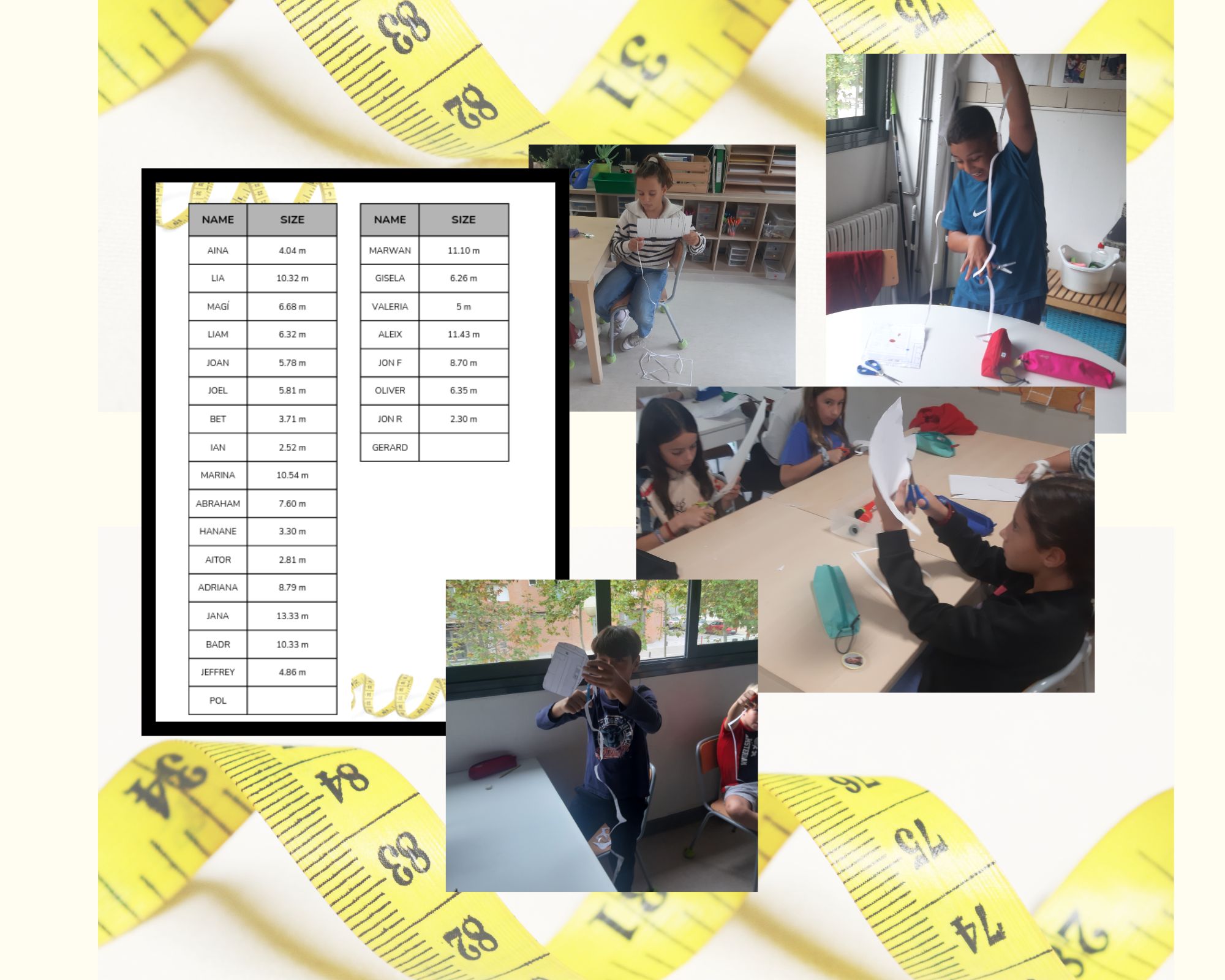
We still needed to discover what the average was and we suddenly were faced with a challenge: making the longest strip of paper with an A4 sheet. It was so fun! We cut and measured very carefully our strips and we organized all the data in a chart. 

This chart offered a precious opportunity to use the previously learned structure in context and we started to read and say sentences comparing our results. “Jana’s paper is the longest“,“Liam’s paper is longer than Jana’s”, “ No, it is shorter” are some of the sentences that occurred in the conversation. We are now ready to use this structure with any other adjective! What can we do with the Petits Princeps that didn’t do the activity? We can assign them the average!

After a lot of examples, including sweets and shoes, we learnt how to calculate the average. It implied so many mathematical operations that we have not finished yet! We are sure that in our quest for the average we will encounter opportunities to put this language in practice!

ABOUT FLAGS

“A true flag is torn from the soul of people. A flag is something that everybody owns, and that is why they work” Gilbert Baker


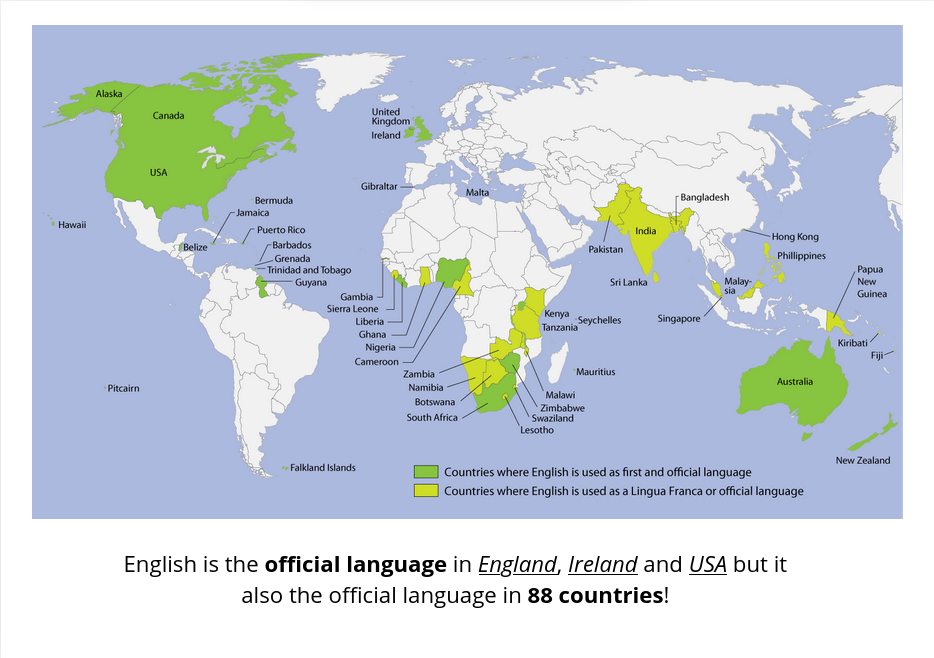
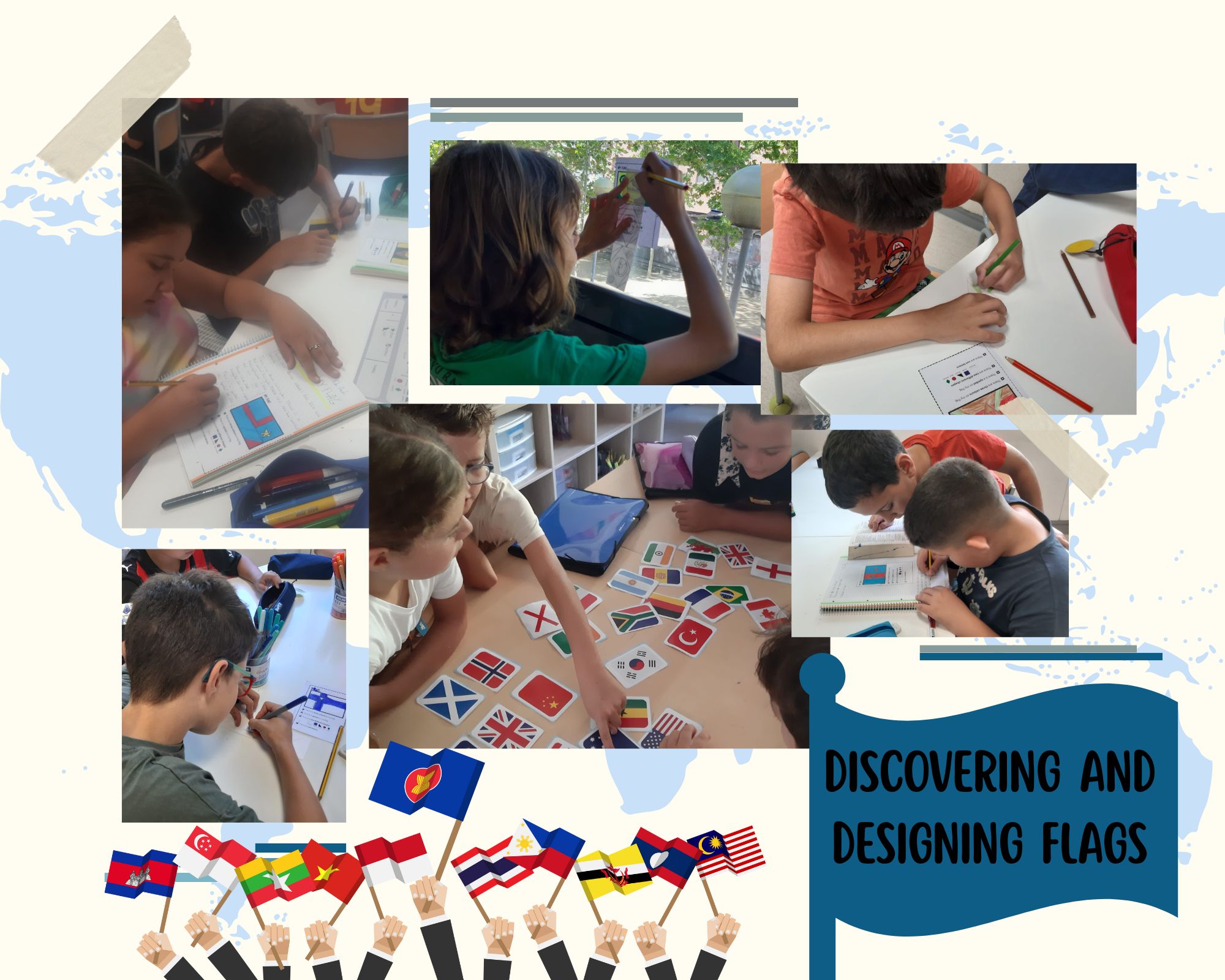
During all September we have been working on flags. It all started when we used flags to reflect on the countries where people speak English as a first language. We all knew about the USA, UK and Ireland but we were surprised to discover that it is also spoken in some countries of Africa and Asia. English is an official language in 88 countries in total!  

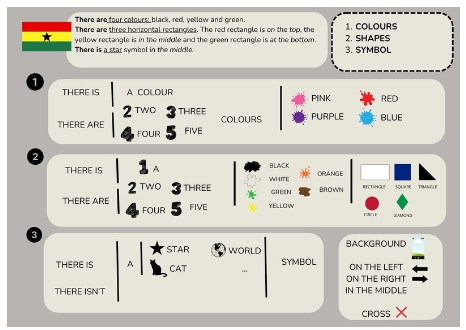
Every country has a flag to use as a symbol and we are familiar with a lot of them. By observing a set of flags we discussed and found that some are very similar and have some characteristics in common.  We discovered that they have plain colours and that there are some shapes like the rectangles, squares or circles in them. We also noticed that in some of them there are symbols but letters or numbers in them are not so common. 

Once our flag was ready, we had to imagine how to use it to design our English bookmark.

We also continued to put into practise our reading and listening skills by playing games in which we had to match descriptions to the corresponding flag. It was quite easy to understand the oral and written texts because the previous activities done in class helped us familiarize with the vocabulary related to flags. 

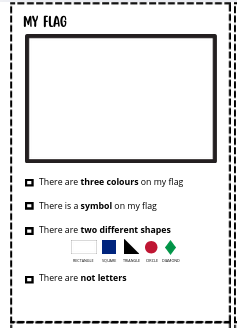
The final task in all this process was to describe our own flag. We thought it was difficult but we had example descriptions and writing frames that guided us in the process. These tools are very useful to write texts because they help us write correctly and they can be easily adapted: we can just follow the basic instructions or we can include the extra vocabulary. The important thing is that we can all write the description of our flag!

Take the challenge: create and describe your own flag!