INSTRUCTIONS: VERY EASY TO READ, DIFFICULT TO WRITE!

As part of our project “We make our board games” we are reflecting a lot about a text that is very present in our lives: instructive texts.

All the board games that we played had one characteristic in common: they all had a set of instructions. It is true that not everybody reads the instructions and this is a real problem. Not reading the instructions can make the game boring or even impossible to play!
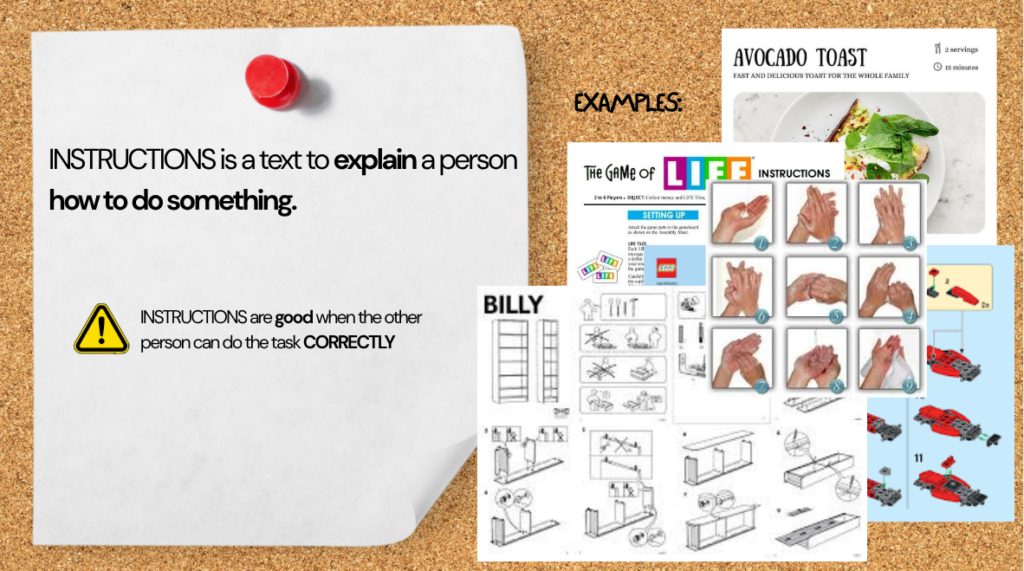
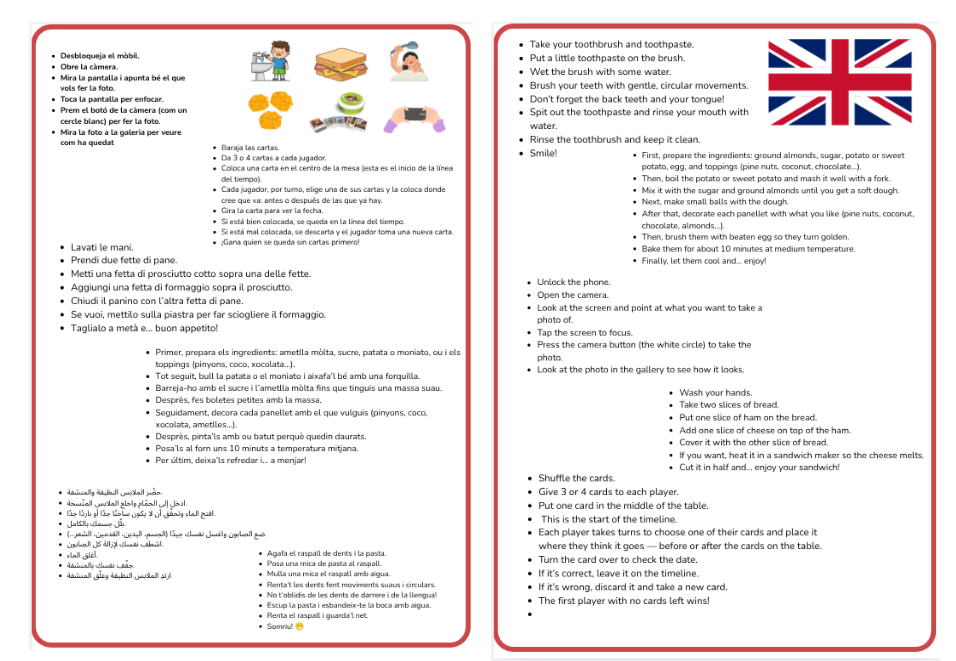
Now that we realized about the importance of instructions, it was time to read different sets and focus on their characteristics. We read a set of instructions in the different languages present in the school and we realized that they all had the same characteristics: they were short, direct, simple and sequenced. It was very interesting to do the activity in different languages because it also offered the opportunity to observe the similarites and differences between languages.

It was easy to understand the general idea of all the texts because of some key words very similar to Catalan and Spanish. And we could guess the meaning of difficult words in English just by using this strategy! Of course this was not possible with Arabic, which we learnt is a language that has a different origin and a different alphabet! Can you understand the texts? Can you match them with the set of English instructions?
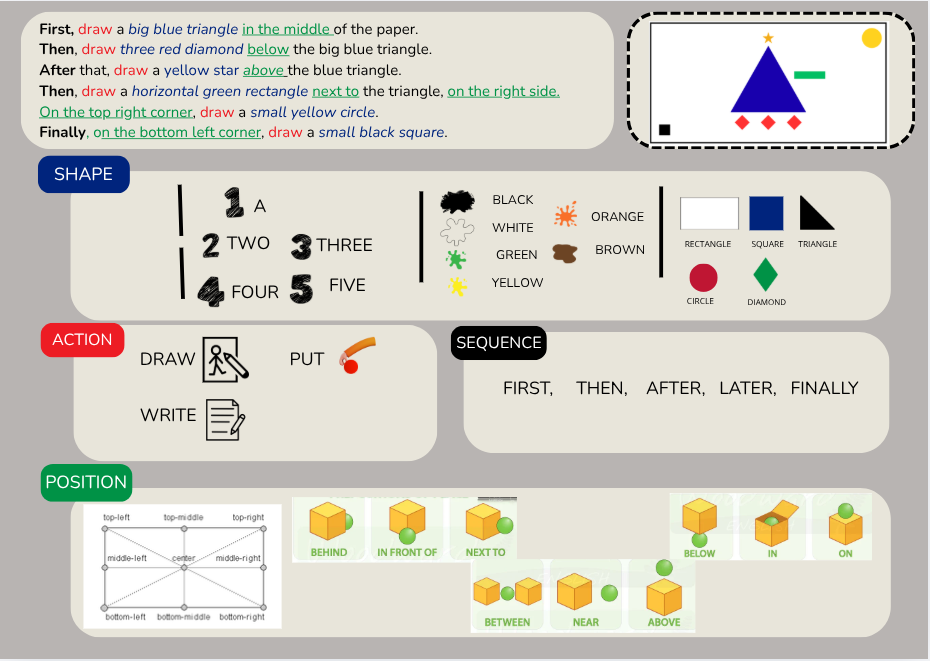
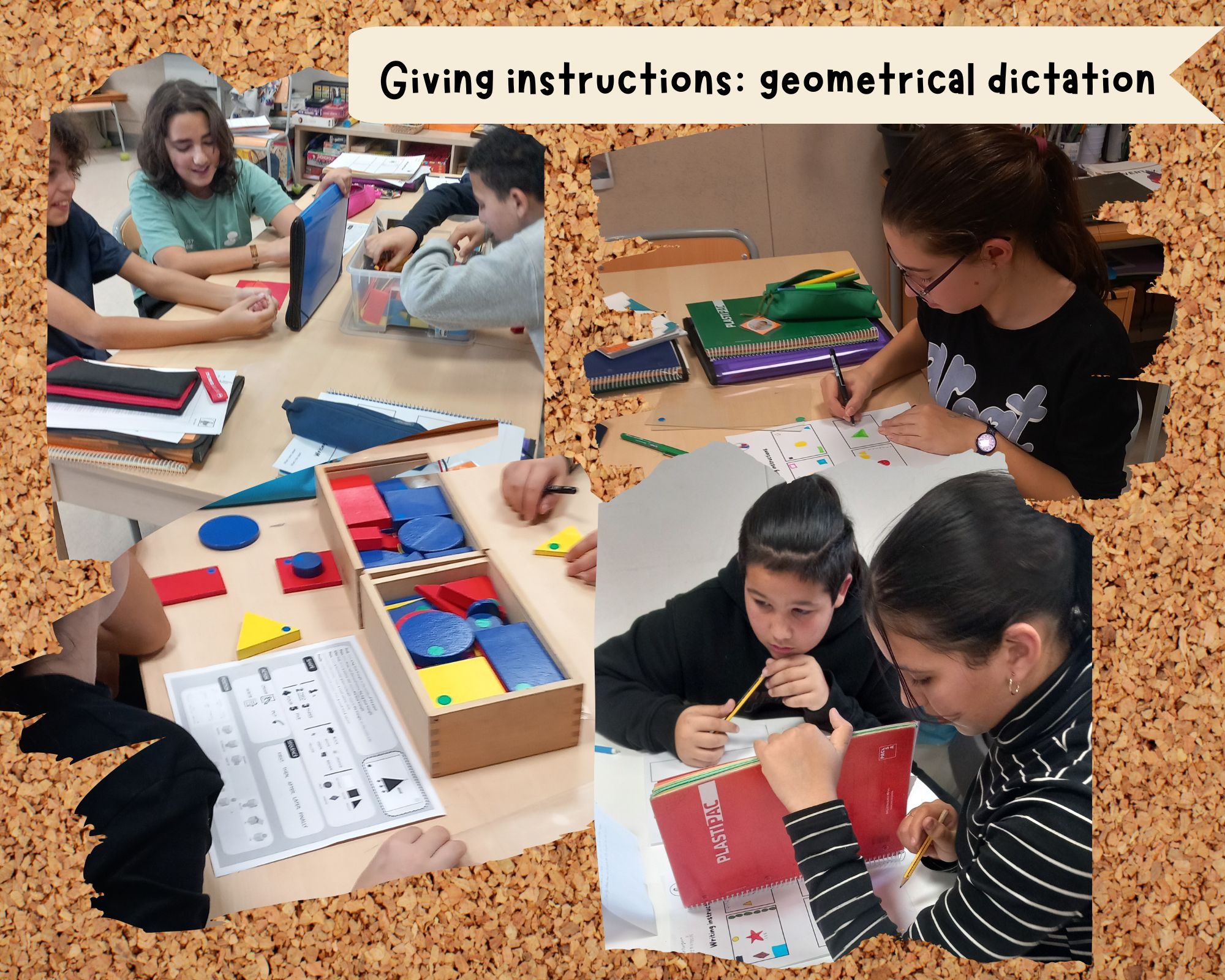
With all this ideas, we were ready to create our instructions. We started with a simple exercise: a geometrical dictation. We created pictures using different shapes and we had to write or tell the texts so that our classmates could replicate them. Simple? Not really! We discovered that we had to be very precise in doing the instructions and specify very clearly not only the position, but also the size and the colour.
While reflecting about all we have learned about instructions, one Matilda suddenly realized that clear instructions are the basis of COMPUTERS… We will have to test instructions on some of the robots we have at school!
ENCOURAGING READING

”If you don’t like to read, you haven’t found the right book.”

J.K. Rowling

As you know, once a week we read books in English. We decide the book we want to read from the English library where we can find books of all kinds of genres: picture books, comics, short adapted novels, magazines, cook books and other non-fiction books like biographies, encyclopedias and other scientific books.  

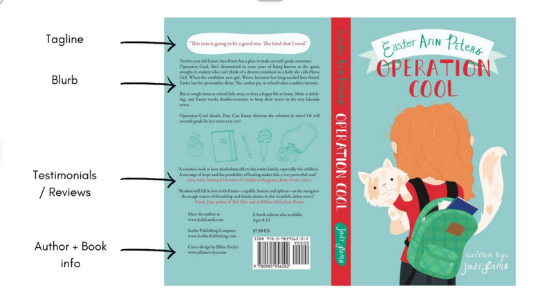
Choosing a book to read is a very important decision… You have to read the title, look at the pictures and read the blurb to see if it is interesting for you. In the case of reading for pleasure in English there is another aspect you have to consider: the complexity of language.  

In order to have fun when reading, we need to get a book that is just a bit above our level of competence so we can put into practice the reading strategies we are learning in class and understand the general meaning of the texts. We sometimes need to use the dictionary to understand words but, normally, looking at the images and the key words is enough.

As we are the oldest in the school, we are in charge of making recommendations to our school mates to help them to do with the books in English. 

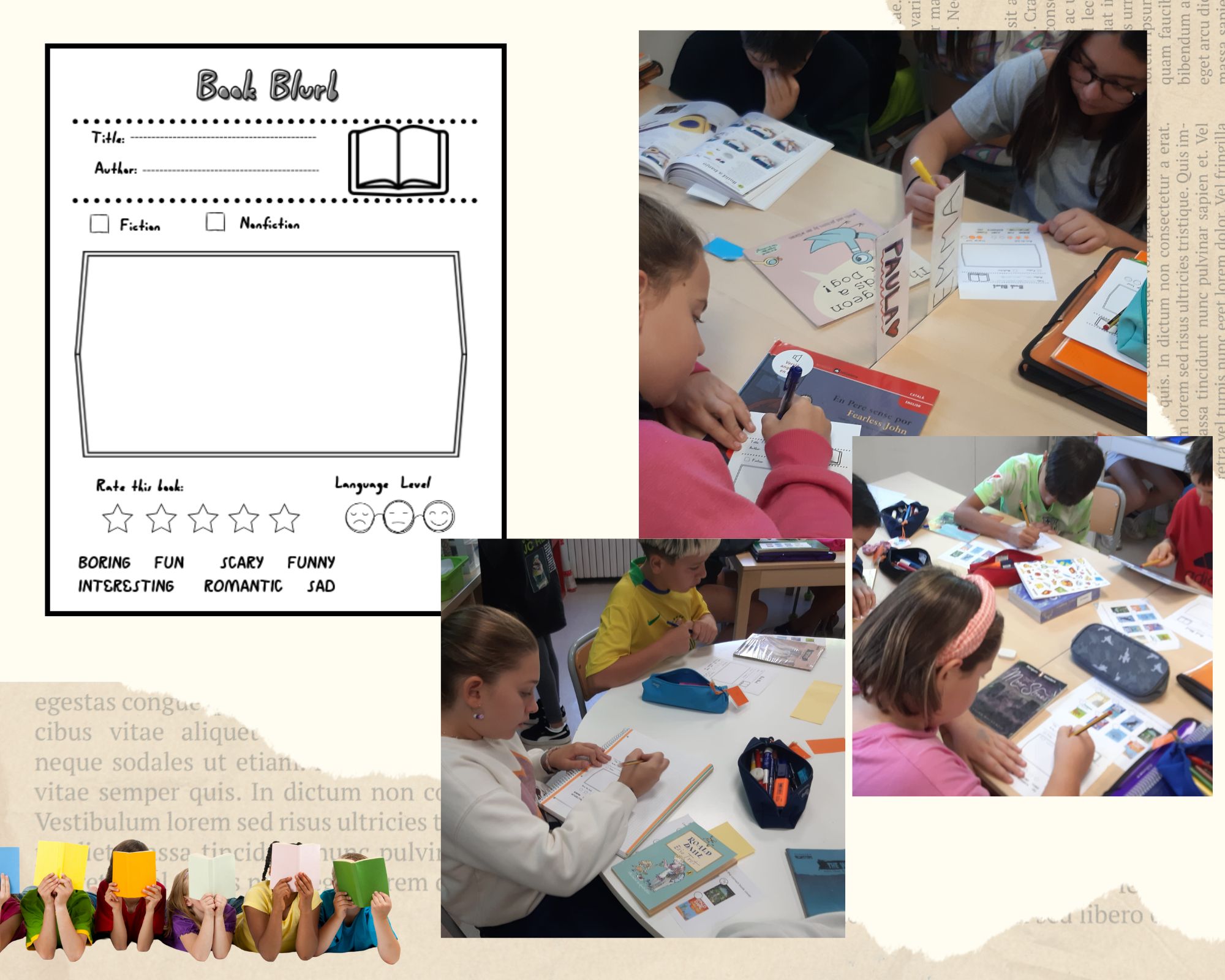
When we finish reading a book, we complete a short card with the basic information about the book. We use templates to write the book summary and we give our opinion about the book and the level of language. By doing so, we not only think about what we have just read, we share our opinions about reading and share enthusiasm while practising our writing skills in a meaningful context. 

ABOUT FLAGS

“A true flag is torn from the soul of people. A flag is something that everybody owns, and that is why they work” Gilbert Baker


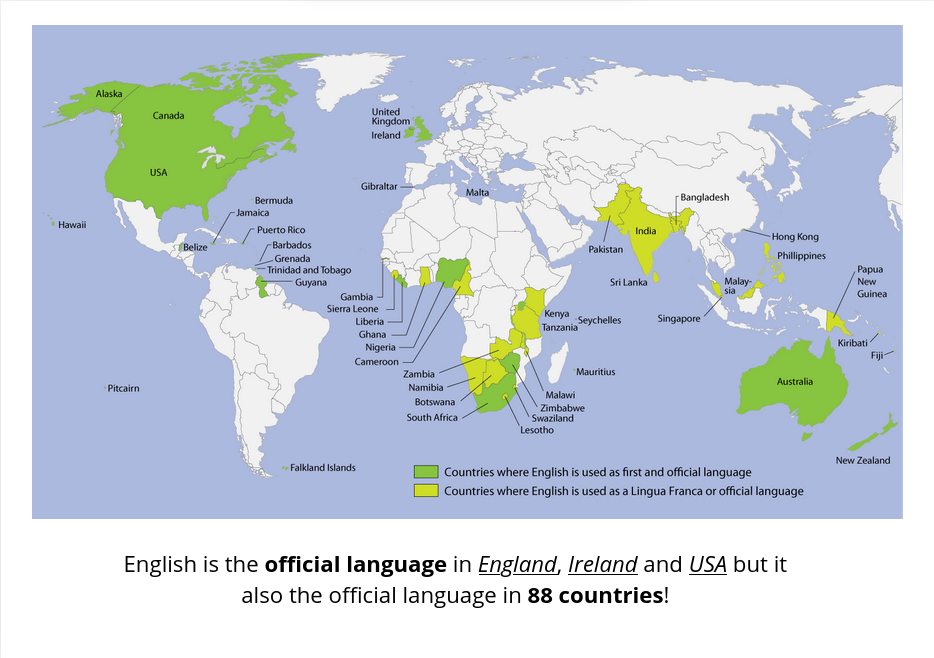
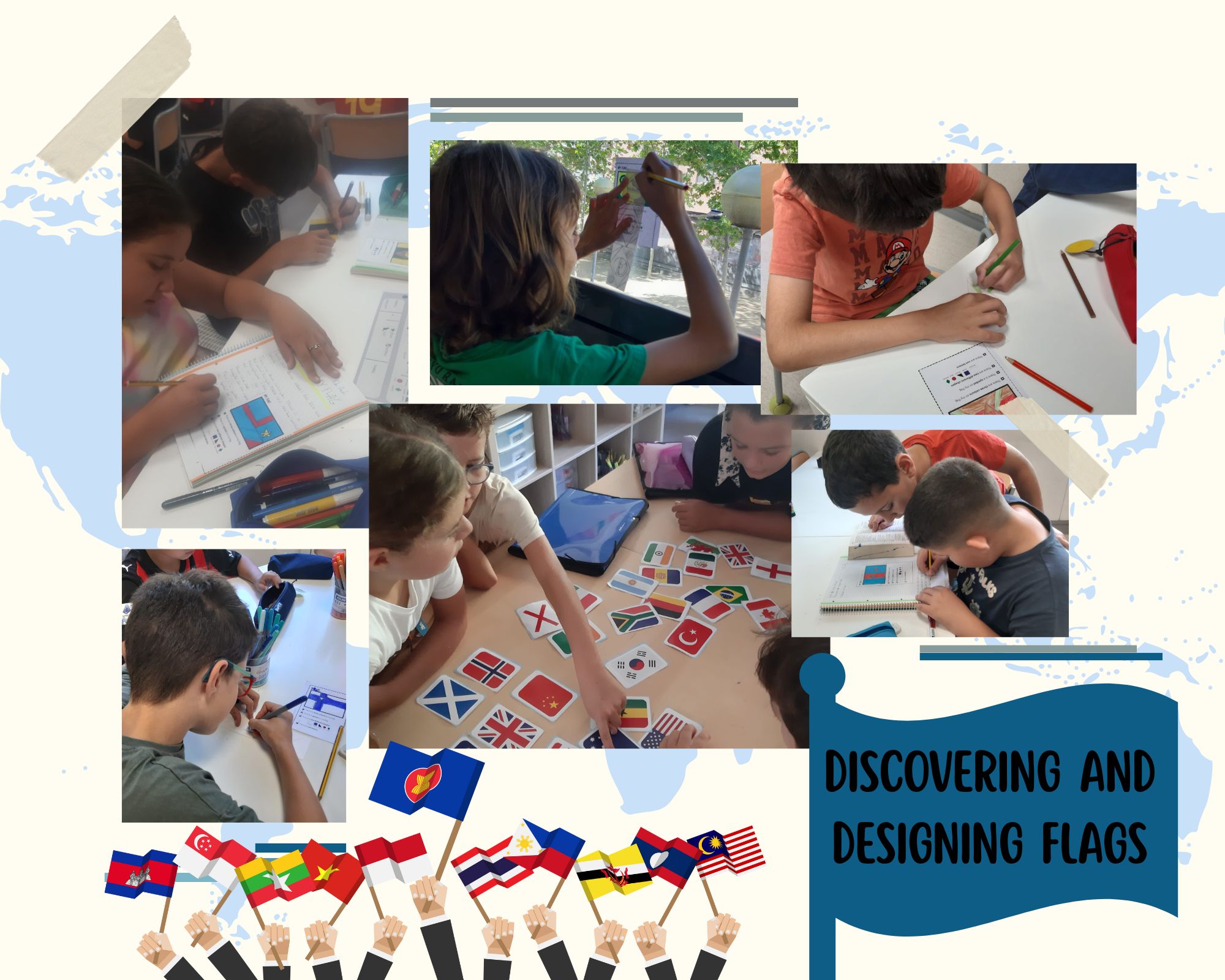
During all September we have been working on flags. It all started when we used flags to reflect on the countries where people speak English as a first language. We all knew about the USA, UK and Ireland but we were surprised to discover that it is also spoken in some countries of Africa and Asia. English is an official language in 88 countries in total!  

Every country has a flag to use as a symbol and we are familiar with a lot of them. By observing a set of flags we discussed and found that some are very similar and have some characteristics in common.  We discovered that they have plain colours and that there are some shapes like the rectangles, squares or circles in them. We also noticed that in some of them there are symbols but letters or numbers in them are not so common. 

Once our flag was ready, we had to imagine how to use it to design our English bookmark.

We also continued to put into practise our reading and listening skills by playing games in which we had to match descriptions to the corresponding flag. It was quite easy to understand the oral and written texts because the previous activities done in class helped us familiarize with the vocabulary related to flags. 

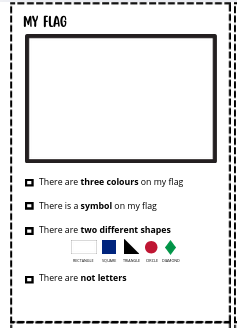
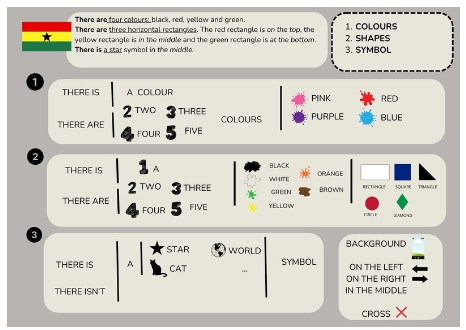
The final task in all this process was to describe our own flag. We thought it was difficult but we had example descriptions and writing frames that guided us in the process. These tools are very useful to write texts because they help us write correctly and they can be easily adapted: we can just follow the basic instructions or we can include the extra vocabulary. The important thing is that we can all write the description of our flag!

Take the challenge: create and describe your own flag!