DESCOBRINT EL CÒMIC

“Comics are words and pictures. You can do anything with words and pictures”

Harvey Pekar. 

A l’aula hem anat un pas més enllà de les descripcions físiques dels personatges. A partir dels còmics, hem descobert que les imatges també expliquen històries i que, sovint, ens transmeten molta més informació del que sembla a primera vista.

Per aquest motiu, hem analitzat els personatges del nostre còmic fixant-nos en l’emoció que transmeten en un moment concret i en la seva postura corporal. Gestos, mirades, moviments del cos o la manera de situar-se dins la vinyeta ens han ajudat a justificar què sent el personatge i quins motius ens porten a aquesta conclusió. Al mateix temps, hem observat el seu caràcter al llarg de la història, per entendre com és realment cada personatge i si canvia o evoluciona amb el temps.

Paral·lelament,també hem volgut conèixer la trajectòria històrica del còmic. A través d’un text en llengua anglesa hem descobert els seus orígens i les característiques principals d’aquest gènere. Aquesta activitat ens ha sorprès molt, ja que no érem conscients de l’antiguitat dels còmics ni de la seva importància al llarg de la història com a mitjà d’expressió i comunicació. 

And we discovered all that reading in English! To discover things about the comics we had two texts and we had to choose one. Which one would you prefer? The one with images?
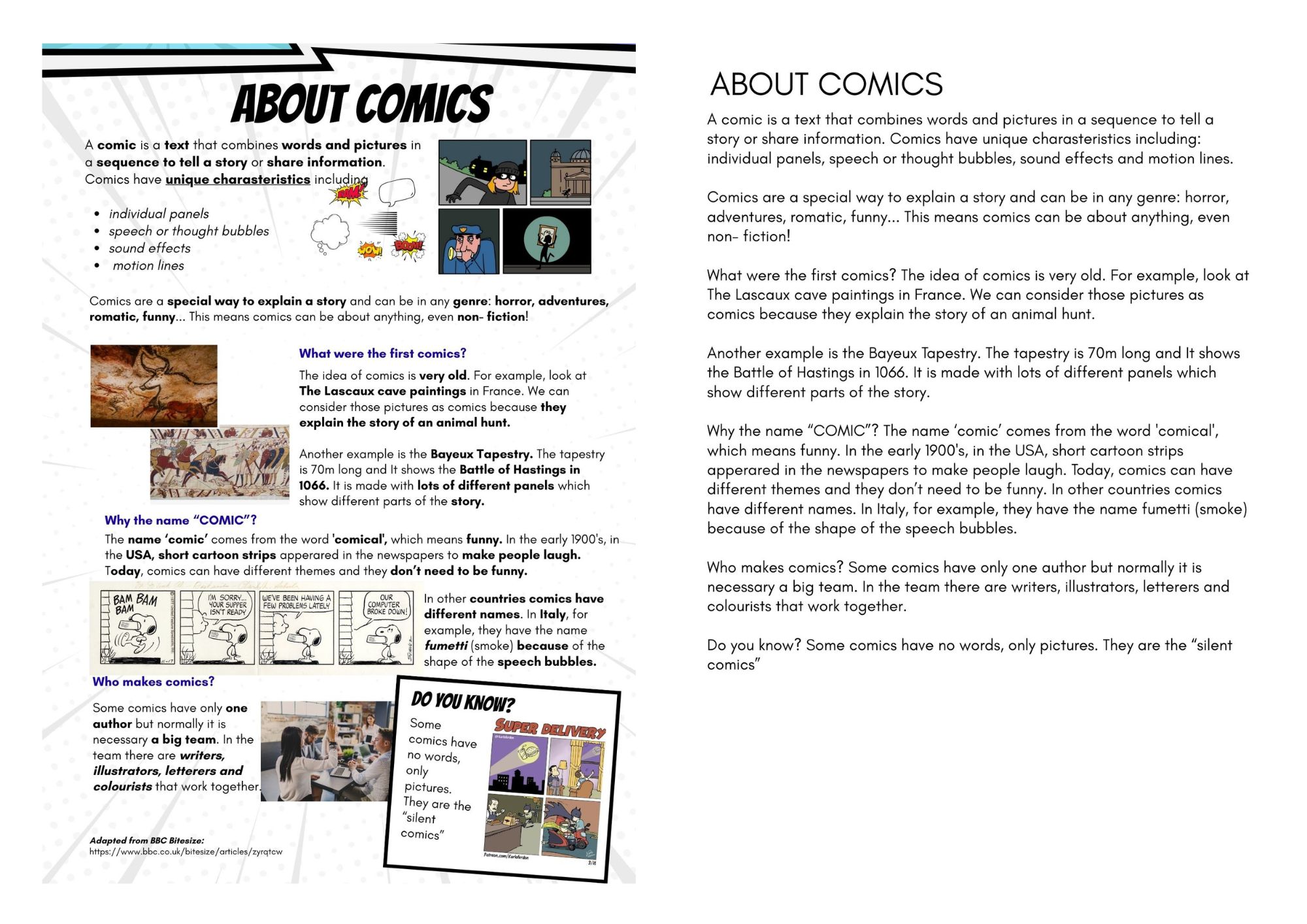
This is the text that we decided to read because the images help us understand the text. We also noticed the words in bold and we discovered that these help too because they are the important words. These are not the only strategies that we learned: we realized that we can guess a lot of words because they are very similar to Catalan.

If you need to read a text in English, just relax and use the strategies we use:

-Think about all your previous ideas about the theme

-Look at the images–they give a lot of information!

-Look for the important words and try to guess the meaning

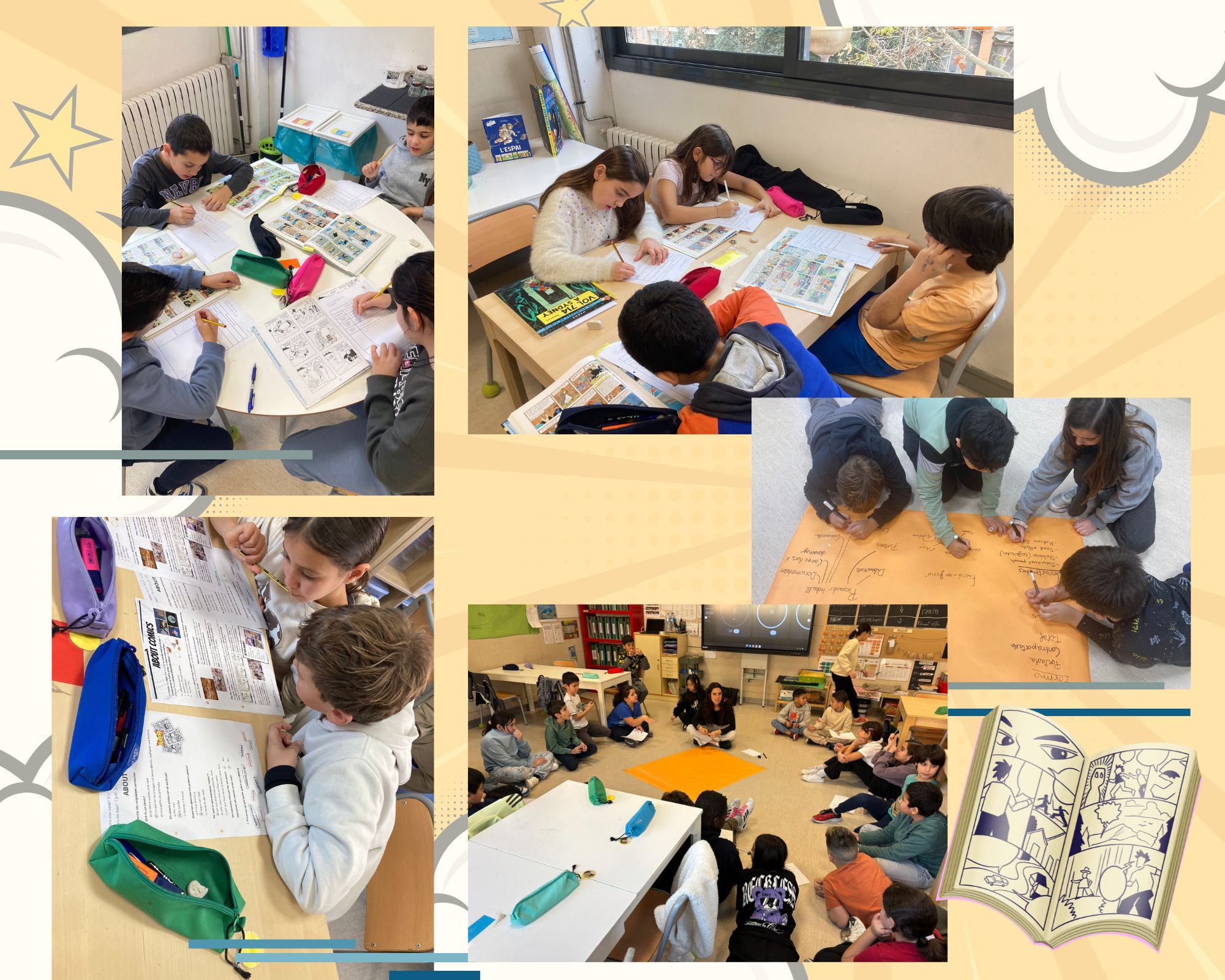
Per recollir tot el que hem anat aprenent, en petits grups hem posat en comú les nostres idees i coneixements, contrastant opinions i arribant a acords. Finalment, hem plasmat tota aquesta informació en un mural col·lectiu, que ens serveix com a base i referència per continuar avançant en el projecte.

Arribats a aquest punt, hem pres una decisió molt especial: acabar el còmic L’Art Alfa, una obra que Hergé no va arribar a finalitzar. Ho farem com a part de la celebració del 20è aniversari de l’escola, donant sentit al nostre treball i connectant-lo amb el projecte de comunitat Abracem el món.
COMIC CHARACTER DESCRIPTIONS

“Comics are the gateway to literacy”

David Kracov

During these months we have been discovering TINTIN, the character that gives name to our class. We read comics and watched the film

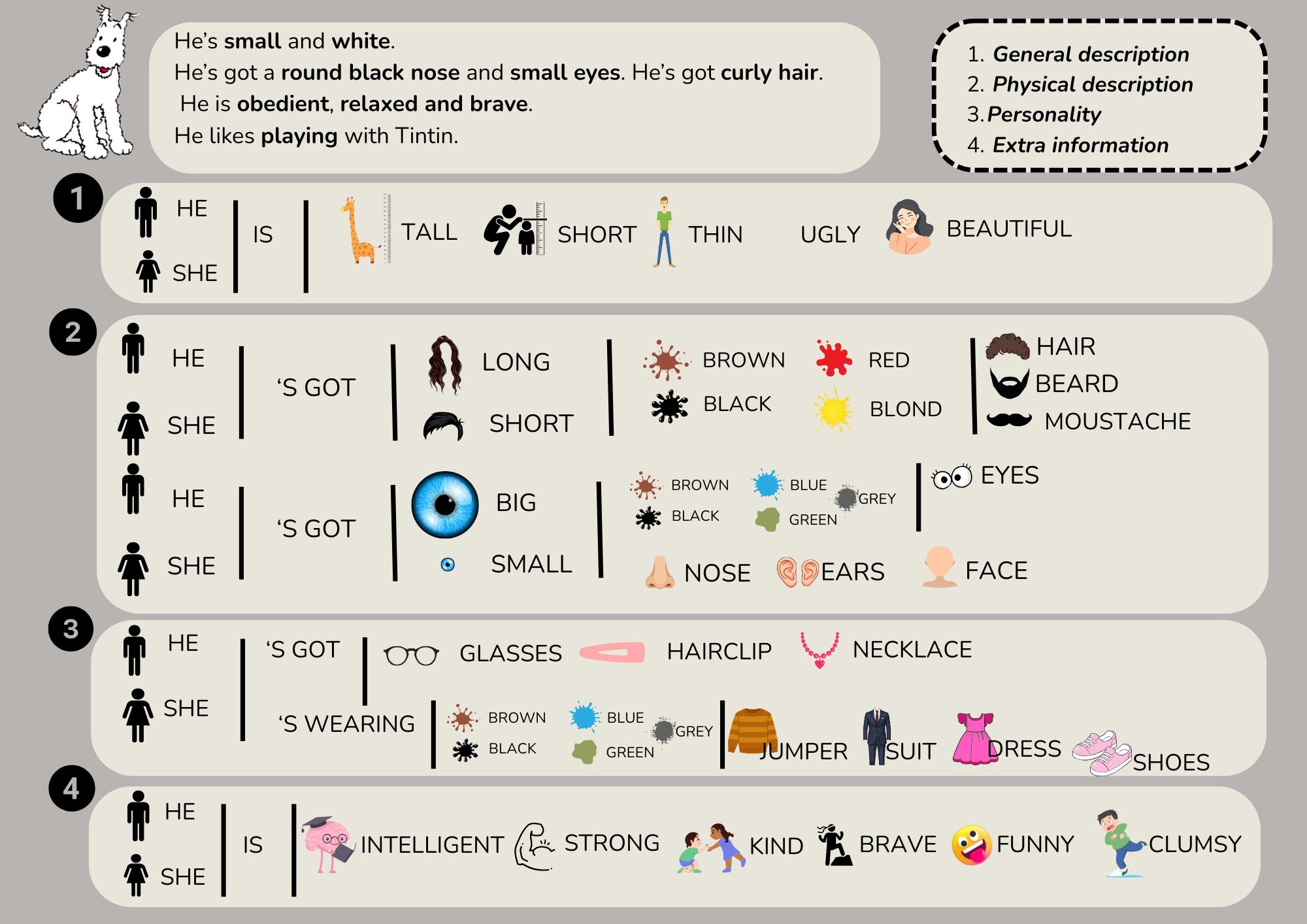
 “Castafiore’s jewels” and we discovered quite a lot about the characters. We have identified the main characters in the series and we have discussed their physical and psychological characteristics. We remembered the structure of descriptions and we wrote the descriptions in Catalan

When we found the same texts translated into English we realized that we were able to recognise some useful words just by comparing the Catalan and the English texts. Some words are very similar!

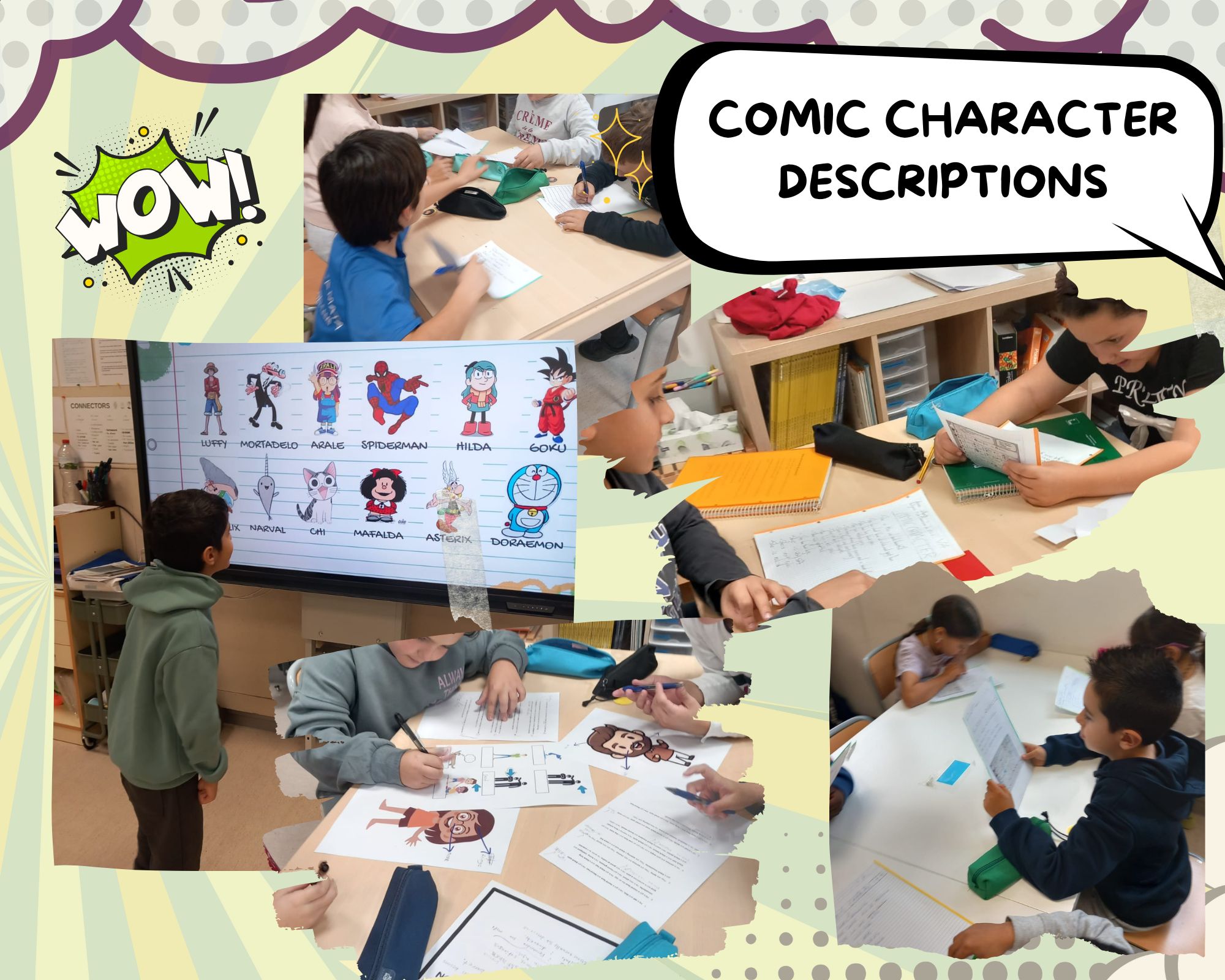
With our vocabulary a bit bigger we faced a challenge… Could we write a description in English?  Could the classmates recognise the characters?

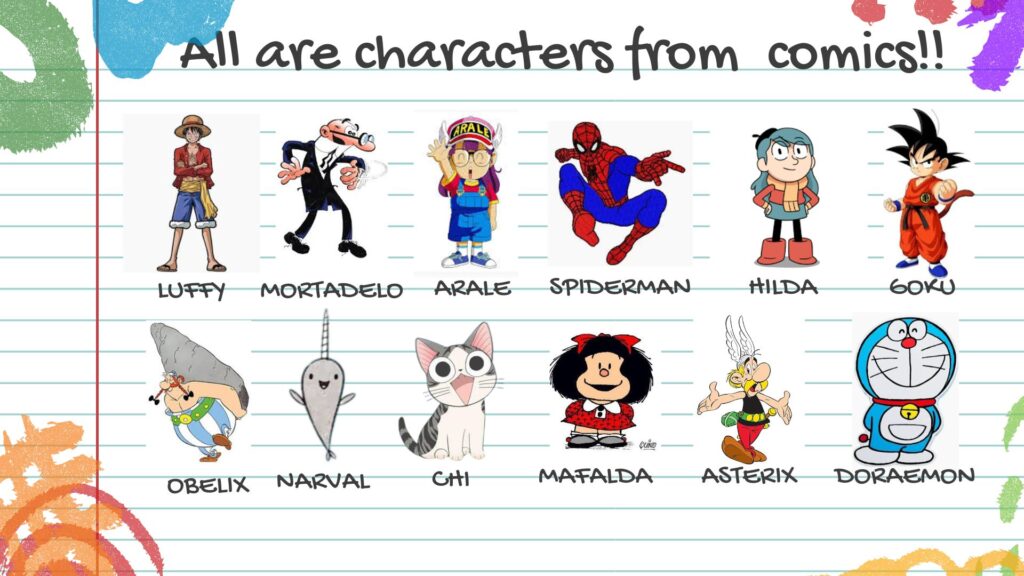
We thought about all the comic characters that we knew and, following a template, we wrote our texts… In English!

Our favourite part was when we read our classmates’ texts! Some texts were very easy but others were very difficult to read! 

We realized that when we write it is important to take into account not only the content but also the presentation, especially if another person has to read it. 

Do you want to try? Look at the image, read the texts and try to guess the character

ABOUT FLAGS

“A true flag is torn from the soul of people. A flag is something that everybody owns, and that is why they work” Gilbert Baker


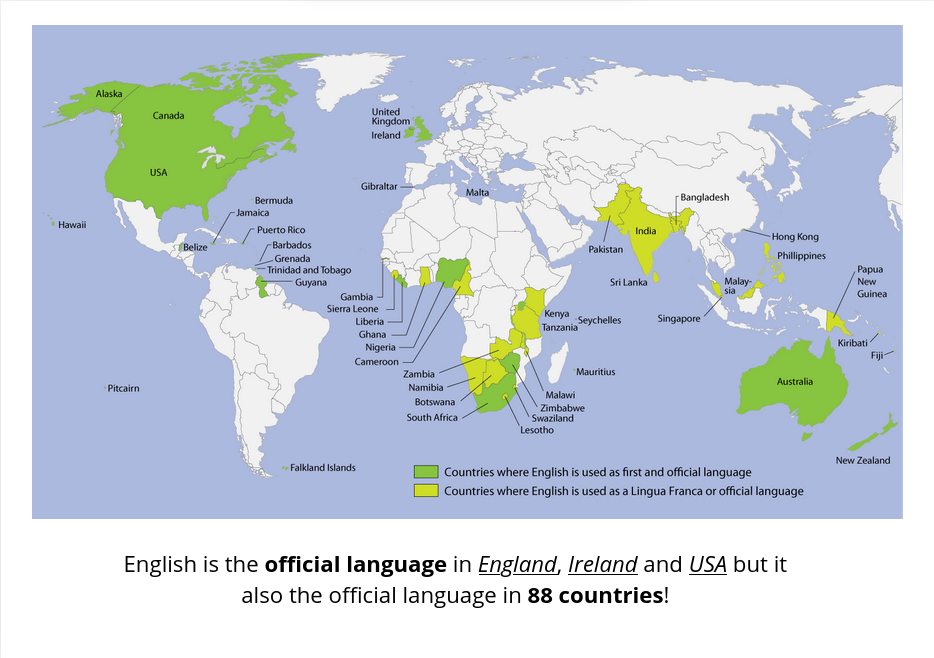
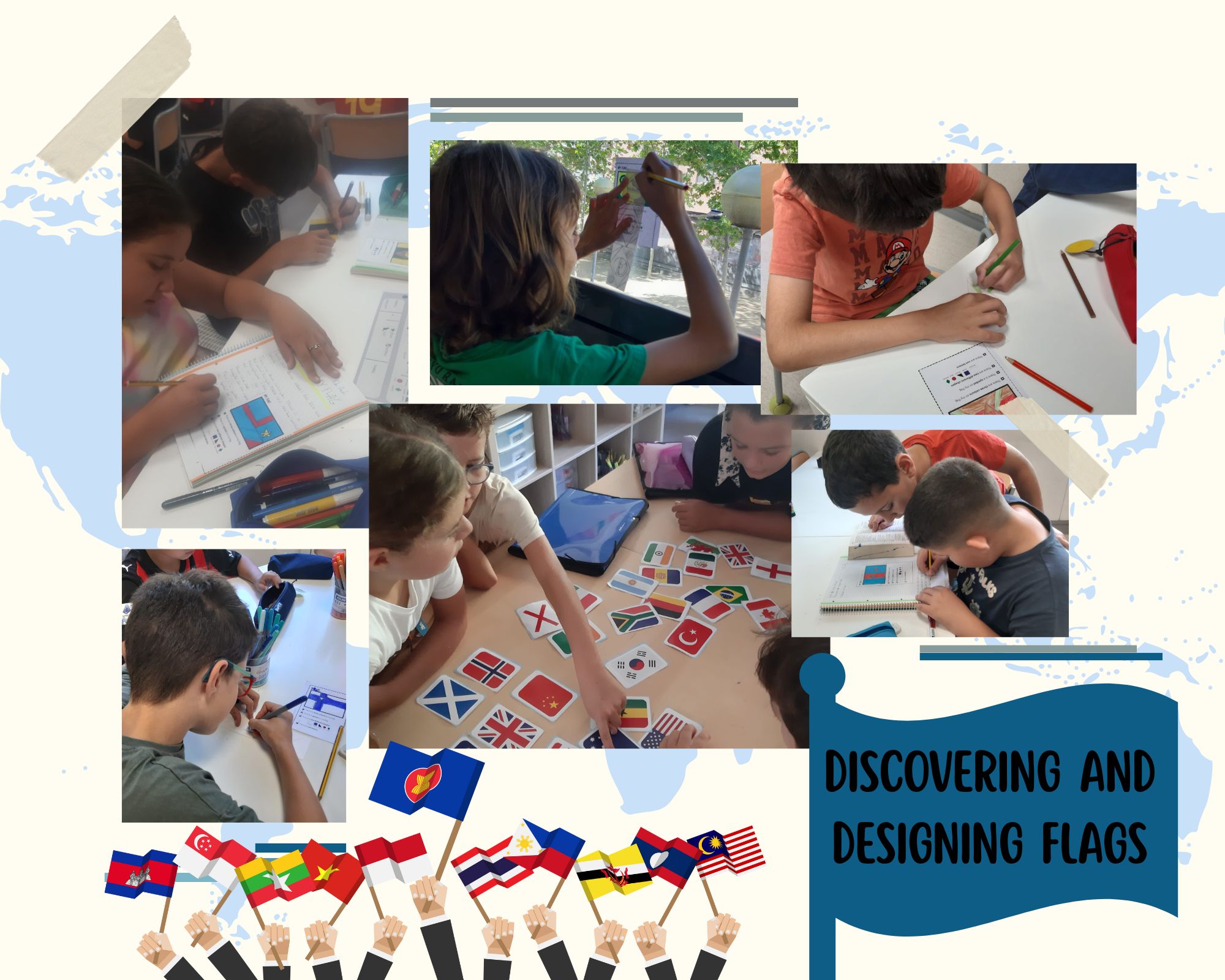
During all September we have been working on flags. It all started when we used flags to reflect on the countries where people speak English as a first language. We all knew about the USA, UK and Ireland but we were surprised to discover that it is also spoken in some countries of Africa and Asia. English is an official language in 88 countries in total!  

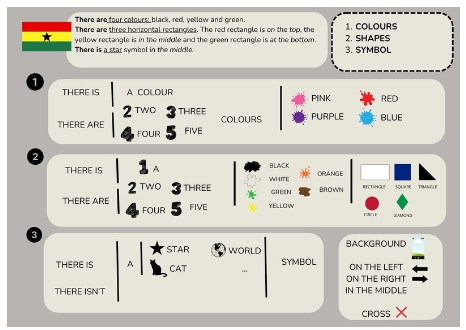
Every country has a flag to use as a symbol and we are familiar with a lot of them. By observing a set of flags we discussed and found that some are very similar and have some characteristics in common.  We discovered that they have plain colours and that there are some shapes like the rectangles, squares or circles in them. We also noticed that in some of them there are symbols but letters or numbers in them are not so common. 

Once our flag was ready, we had to imagine how to use it to design our English bookmark.

We also continued to put into practise our reading and listening skills by playing games in which we had to match descriptions to the corresponding flag. It was quite easy to understand the oral and written texts because the previous activities done in class helped us familiarize with the vocabulary related to flags. 

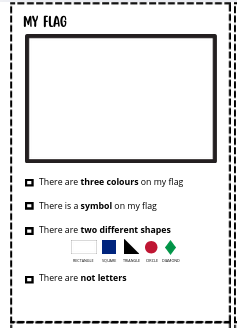
The final task in all this process was to describe our own flag. We thought it was difficult but we had example descriptions and writing frames that guided us in the process. These tools are very useful to write texts because they help us write correctly and they can be easily adapted: we can just follow the basic instructions or we can include the extra vocabulary. The important thing is that we can all write the description of our flag!

Take the challenge: create and describe your own flag!

DISCOVERING THE ENGLISH LIBRARY

“It is what you read when you don’t have to that determines what

you will be when you can’t help it.”

Oscar Wilde

We are now Tintins and one of our routines is reading in English every week.

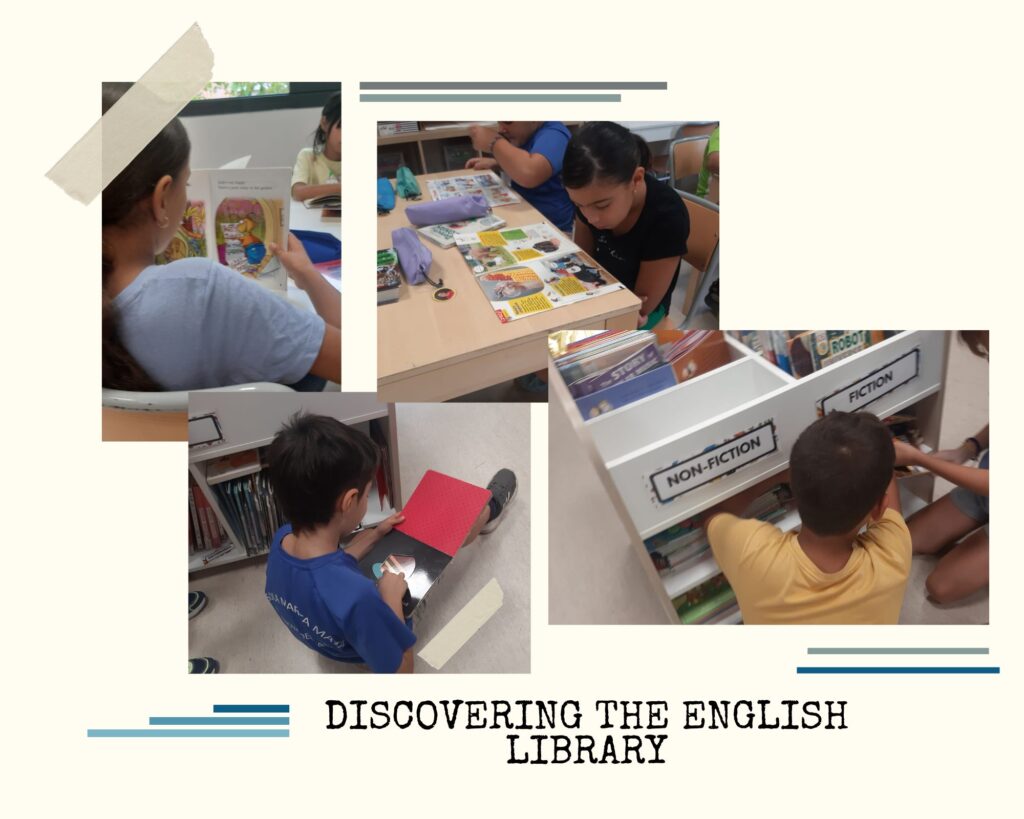
We read some books in English last year but we never thought about how they were organized in the library.

We discovered that the portable library has lots of books and they are organized in two categories: fiction (invented stories) and non-fiction (books with biographies, scientific information or recipes). In the library there are also storybooks we know and magazines full of comic strips.We also discovered that there are books of all levels of language and that sometimes the most simple books are the most difficult to understand. Fortunately we have the classmates, the teachers and the dictionaries to help us!

By deciding which book to read in English we can adjust the book to our interests, motivation and level of language while promoting a love of reading and improving comprehension skills.