INTERNATIONAL BOOK DAY

The 23rd of April is a very important day in Catalonia because of St. George celebration. But, did you know that it is celebrated worldwide as the International Book Day?

It all started in 1995 when the UNESCO decided to dedicate a day a year to promote reading, a lifelong skill key in learning that also adds richness to our lives.

They chose this date to honour two of the most famous writers ever who died on a 23rd of April…
We realized that, by reading a short summary (or blurb), we were able to recognize the title of one of the most popular works by Shakespeare: Romeo and Juliet.

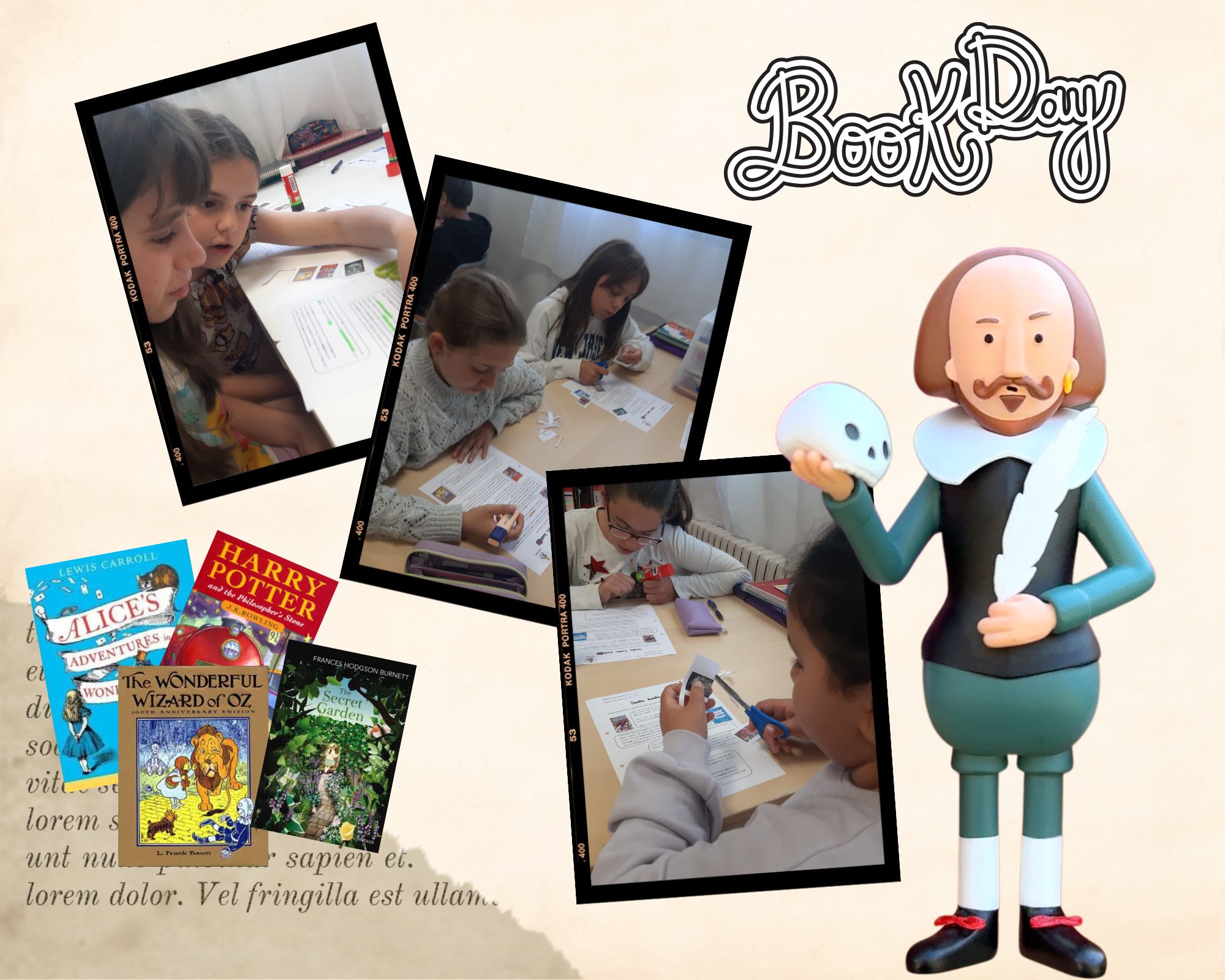
To test our abilities in recognising books, we did, in groups, an activity that consisted in reading blurbs and match them to the correct book cover. It was very easy!

We realized that it was not necessary to understand all the words in the text and that we used a lot of different strategies to fulfill the task. Some looked at the cover and single words that matched them while other focused on some words (like rabbit or superhero) related to the stories we already knew.

After doing this activity, we were faced to a questionnaire and, in that case, it was necessary to understand ALL the text. Again, we shared strategies like guessing word meaning by context and their similarities to Catalan words.
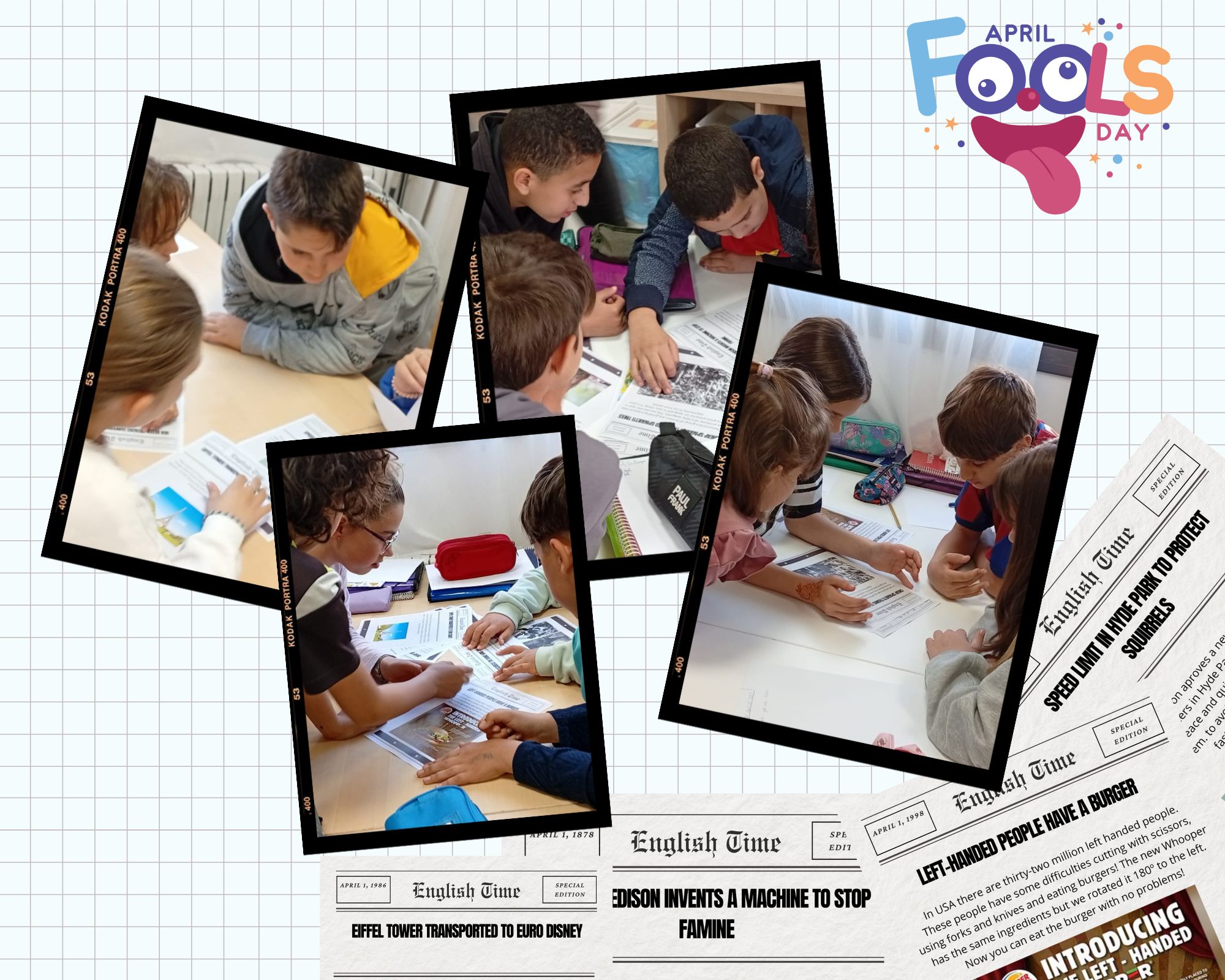
APRIL FOOL

We discovered that today it is a very special day in the United Kingdom and in the United States of America… today it’s April Fool’s day!

On this day, it is common that everybody plays jokes or tricks to make fun and have a laugh, even companies and newspapers! It is quite fun to read or watch the news today because you have to guess what article is fake.

This is precisely what we did today, we read a lot of real articles (adapted but real) that appeared on the news and we had to guess which two were real. It was not as easy as it seemed! Can you guess the two real ones? Click and have a go!

Reading together to distinguish the fake from the real ones, we realised that the important part was to get the general idea. It was not so important to know all the words in the text because only knowing the key words (which we can translate with the use of dictionaries) and the images that go with it we could guess most of it.

The strategies we used were very different when we had to answer the questions about specific information. In this activity, we had to select first the correct article to locate then the information using the key words.

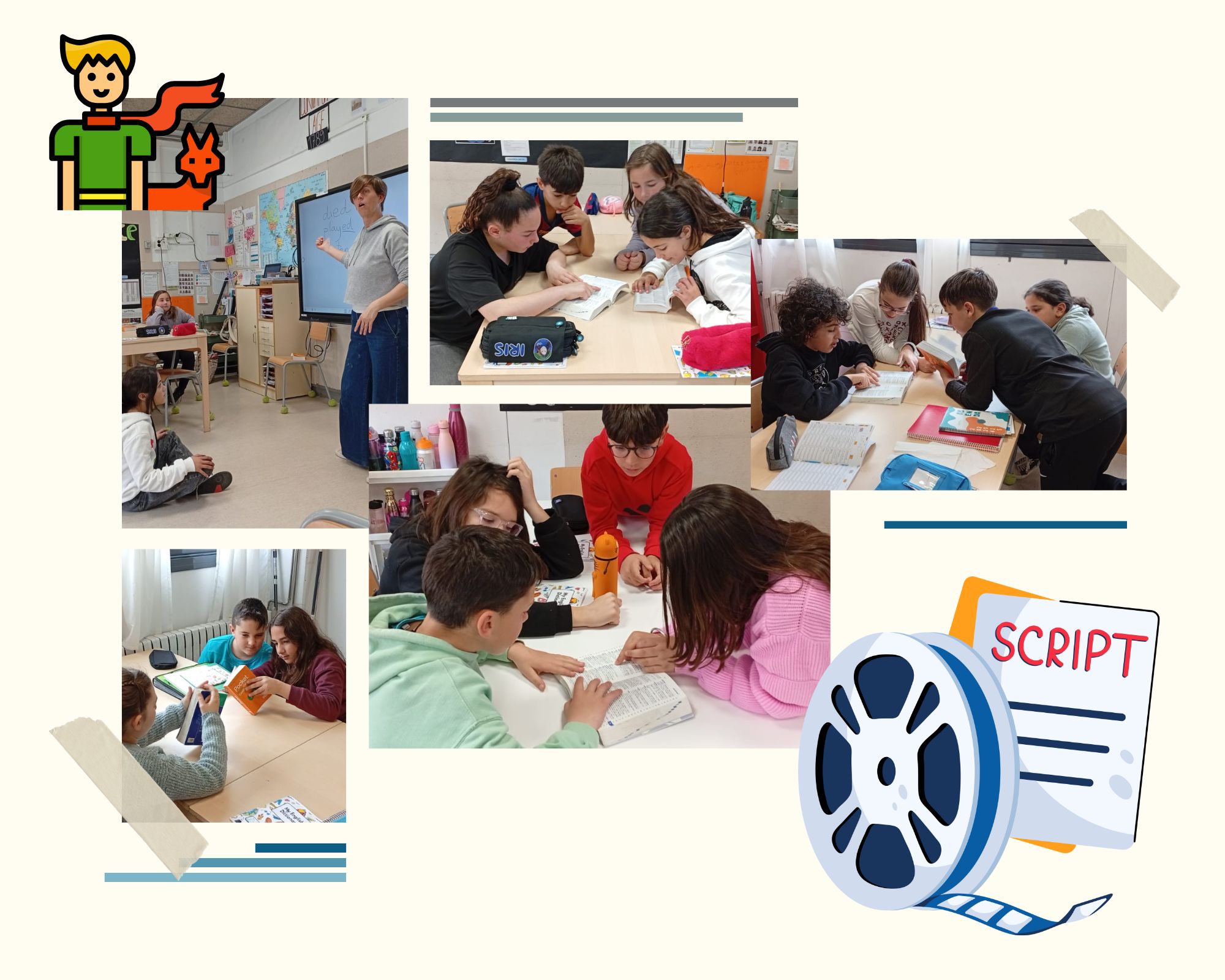
WRITING TOGETHER THE SCRIPT

We have just finished writing the script and we are ready to start rehearsing! We don’t want to give any spoilers but, in the play, there is a part in English. Believe it or not, it was us who wrote it!

At first, we were a bit scared because it was a complex text we had to write but we managed to do it. The key was to break the task in small manageable bits. We agreed that it was better to write the text in Catalan because we were not fluent enough to write a complex text in English. We then put into writing our ideas using simple Catalan expressions and verb tenses.

How can we turn our text into English? Somebody suggested using Google translator but we refused the idea on the grounds that usually the resulting translation is not always correct and that by doing so we do not learn! How could we do it? With the use of dictionaries!

We organized in groups and, together we decided what words were necessary to translate. Surprisingly, we realized that we didn’t need to look for so many words… We already know a lot of words!

Writing the script we came across a new verb tense… the past! By looking at the dictionary, we realized that to write a verb in past we only need to add -ed to the verb but there are a lot of exceptions!

By writing a text like this together we not only practised the structures we already know but we also had the opportunity to reflect on the functioning of the English language and how it differs from Catalan.

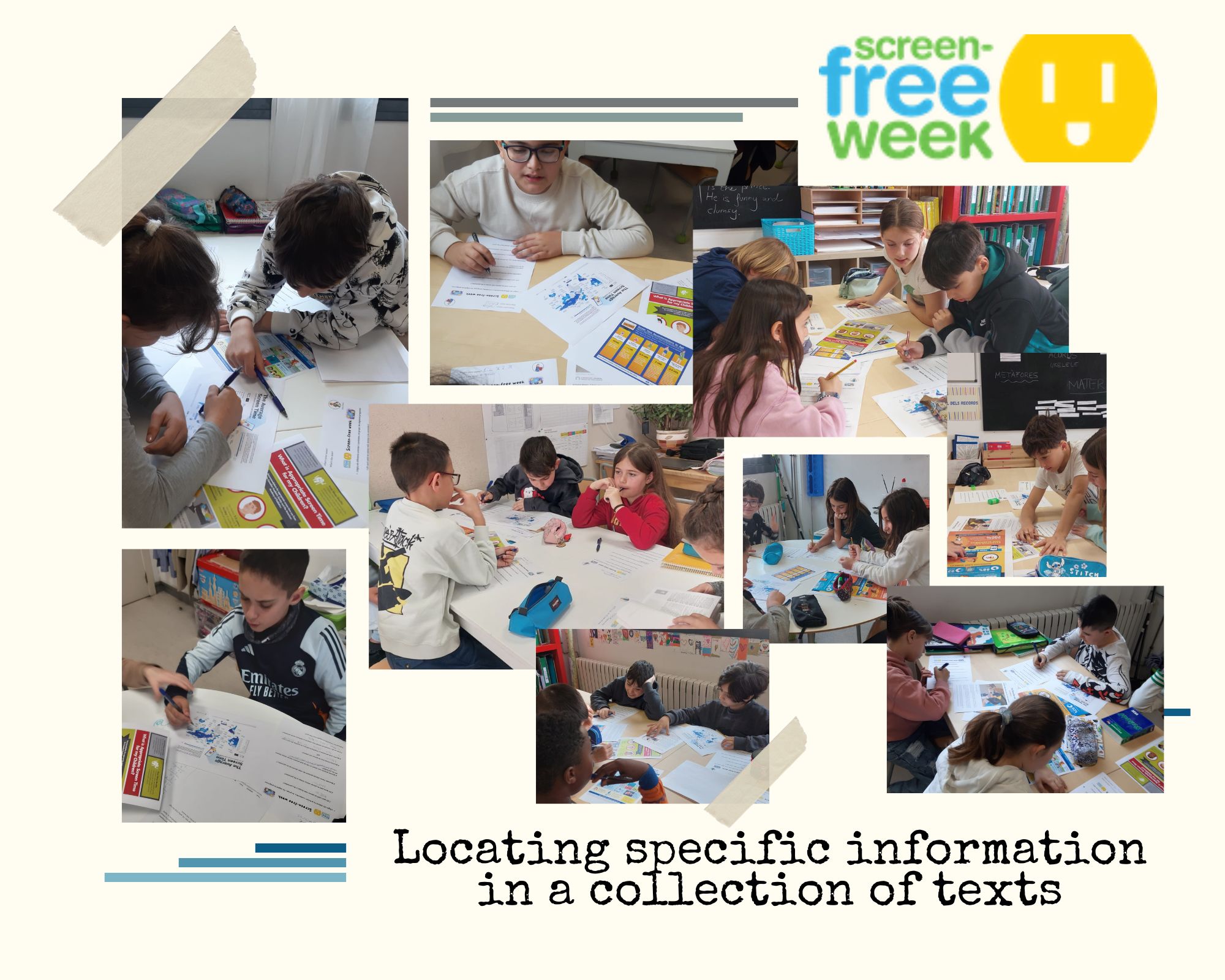
TEXTS ABOUT THE SCREEN-FREE WEEK

Last week was the first after the experiment of living without screens during seven days. It was a time to analyse the pros and cons of such an activity and we shared all our discoveries. It was very difficult for some, but the general opinion was that it had a lot of advantages and everybody claimed to have changed their routines in some way.

We discovered that these experiment was not new and that it has been held in USA since 1994. This fact made us realize that screen usage is a worldwide problem.

We found a lot of texts about the perils of screens and, of course, they were all in English. This is what generally happens when you make a search on the Internet, that the vast majority of texts are in English. Nowadays, with the use of Google translator, there are no major problems to understand the gist of any kind of text but it is not a good idea to rely exclusively on the answers provided by AI tools. It is much more benefitial to develop strategies that enable you to understand any kind of text. In this occasion, the texts about screens provided the perfect opportunity to practise how to locate specific information.

The main goal of this activity was not to read and understand a whole text but to be able to find the answer of some questions. The questions were in Catalan and, in groups we had to critically analyze all the aspects of the text to select the correct text from a collection and then locate the answer on it.

Titles and images were useful to discard texts that were not related to the topic, for instance, and they also paid notice to words in bold, that offered hints about where in the text the information would be.

The fact of being able to understand texts that were not adapted was very encouraging too! English is not as difficult as it may seem!

LET’S GO TO THE THEATRE!

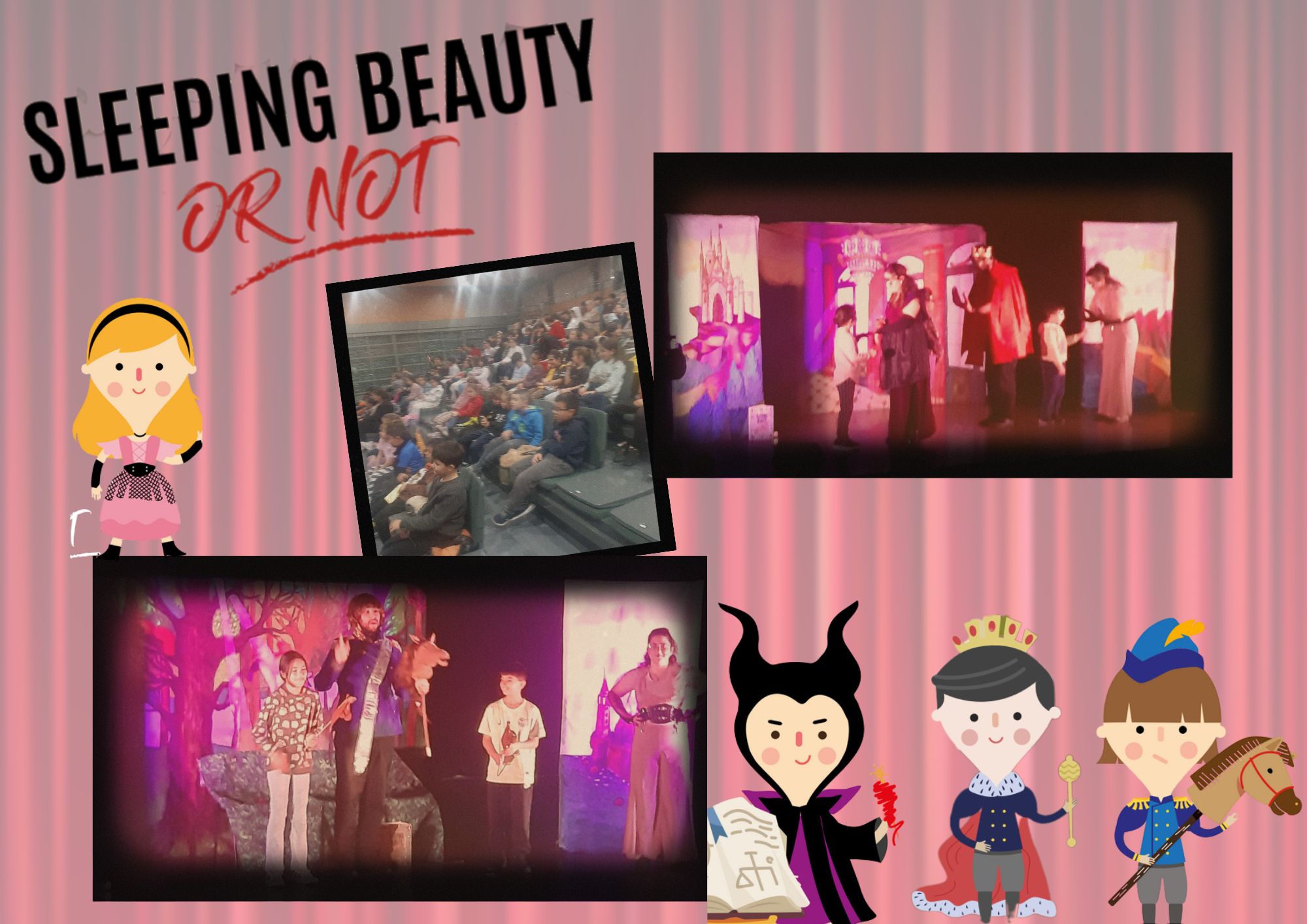
Yesterday we had a great opportunity to practise English while having a good time by watching a play: Sleeping Beauty (or not).

Mitjans” and “Grans” had been preparing the theatre for weeks and they knew the story very well: it was a new version of the traditional fairy tale in which the princess, Aurora, changed the story to fit her true desires.

The students laughed and sang together with the characters and… some even became actors and danced or rode toy horses!

All in all, students discovered that, knowing the context and some basic language, it is possible to understand a complex story with lots of unknown words. Why don’t you give it a go and watch cartoons or films in English? You may be surprised!

WHAT TIME IS IT?

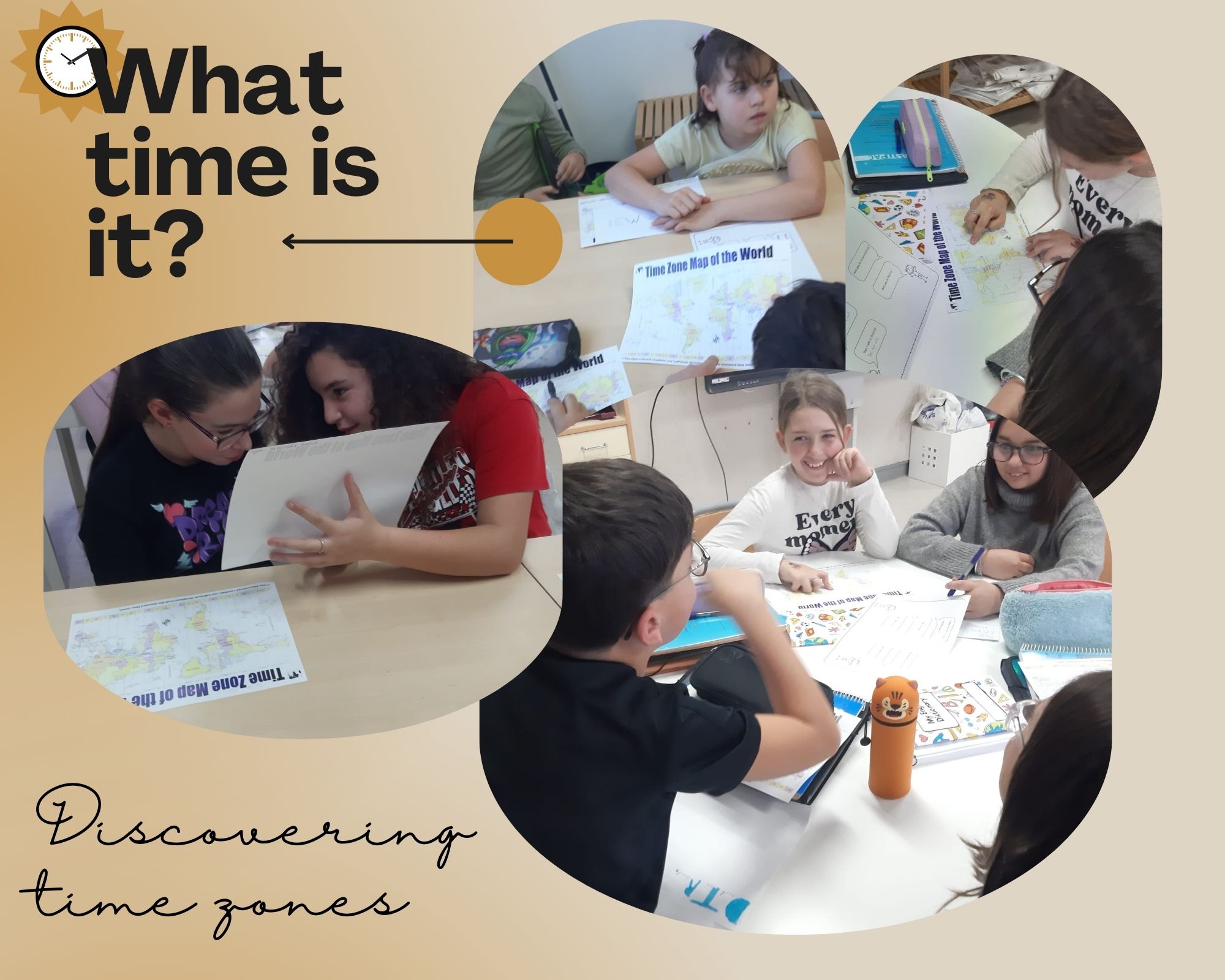
In “The little Prince” it is said that the planet where the Prince lives is so small that he saw the sunset forty-four times. Having this in mind, the Petits Prínceps tried to answer the question that was waiting for them to start the term… Is it possible to celebrate New Year’s twice?

As you can see, last year there was an air company that offered the possibility to celebrate the arrival of the New Year twice by taking advantage of the International date line. Amazing!

After learning that time zones were stablished in 1883 taking London as the starting meridian, the Petits Princeps looked at the map and discovered what was the time in different cities around the world.

Once they had that clear, it was time to have fun while learning to tell the time in English at the same time. In pairs, they played a game in which they had to guess a city in the world just by saying the time…

It was a perfect and meaningful way to practise speaking!

TIMELINE: A FUN GAME

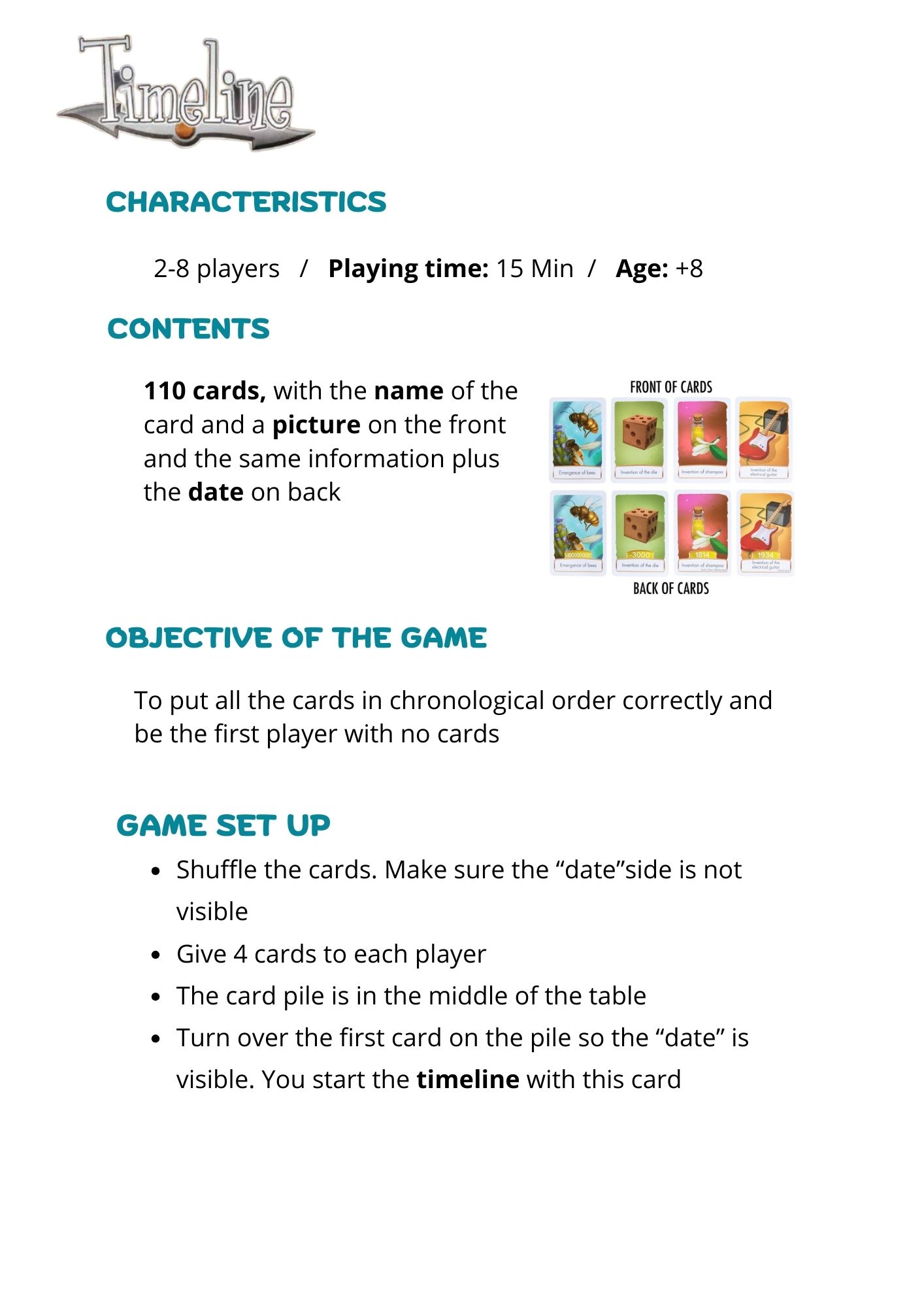
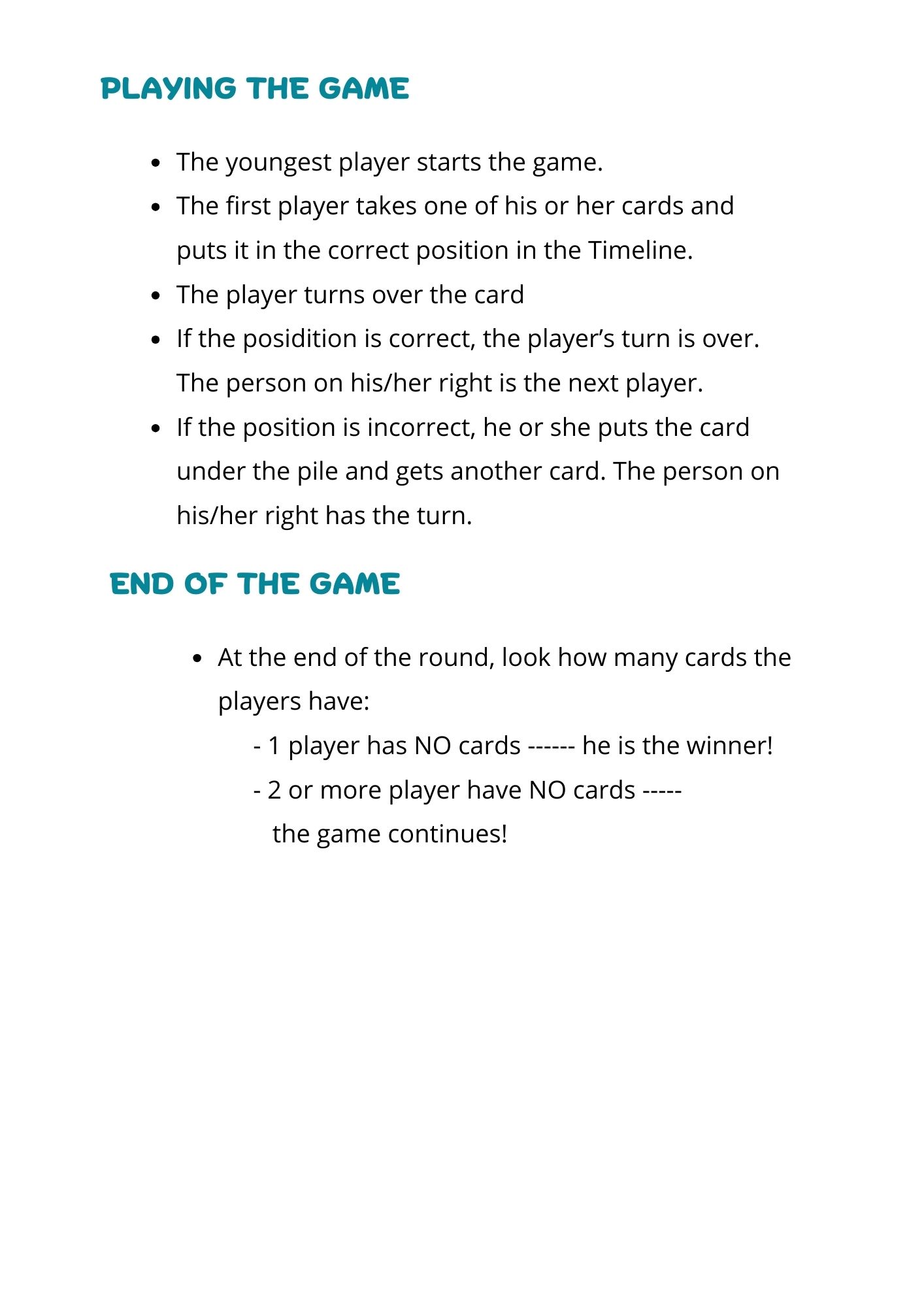
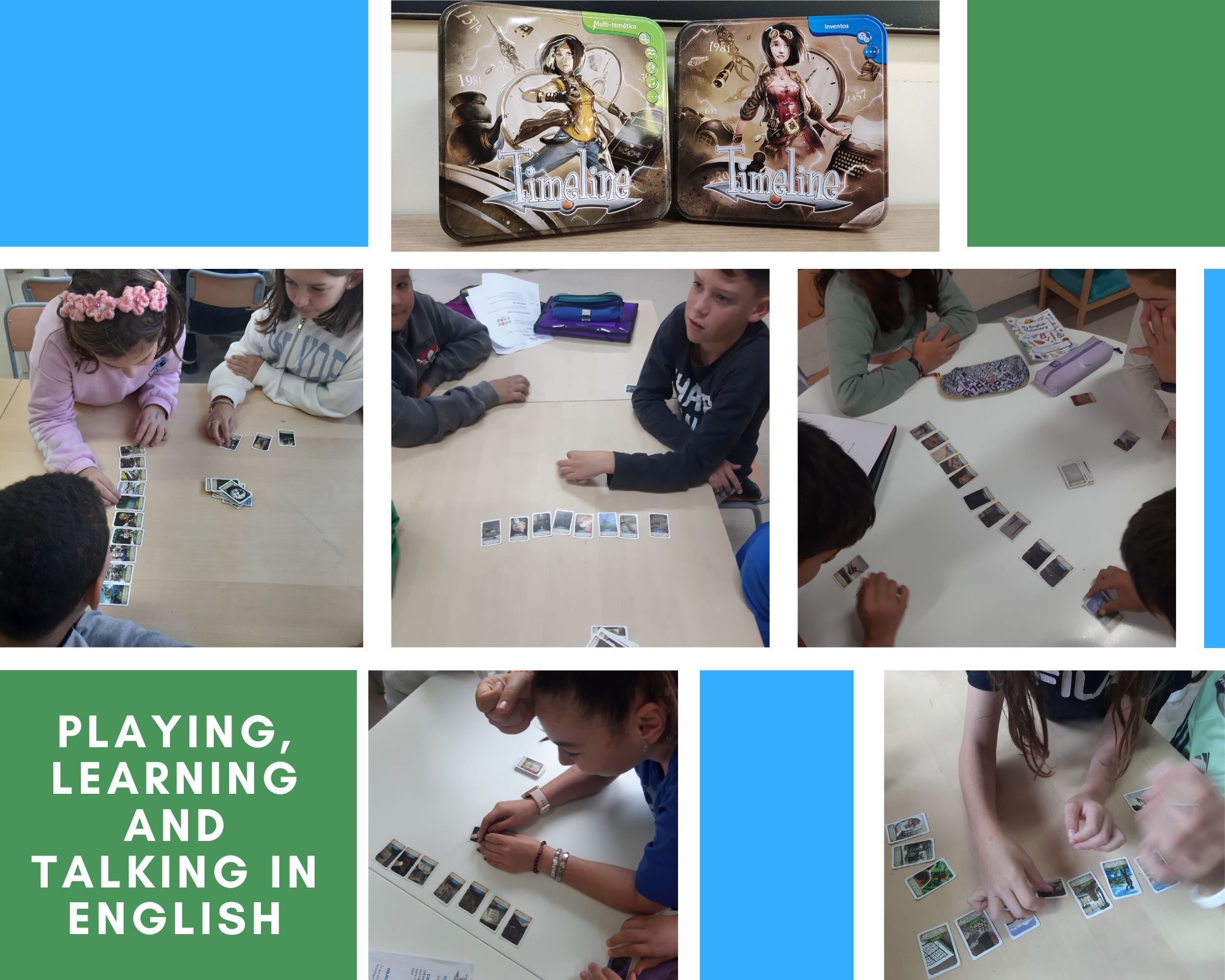
In the class we are doing a timeline and we had a board game just about that! The name of the game is “Timeline” and it is a card game in which players have to make a timeline putting in the correct place an event card.

Well, we know that now because first we had to read the instructions… and they were in English! We had to use reading strategies to infer the meaning of the unknown words and, in some case, we had to use the dictionaries. Can you understand the instructions?

Once we had the instructions clear, it was time to play! Needless to say, we played the game using expressions like “it’s my turn”, “i’ts your turn”, “this is not correct”, “take a card” and “I’m the winner!”. It was also a great opportunity to say the years in English. It was so fun!

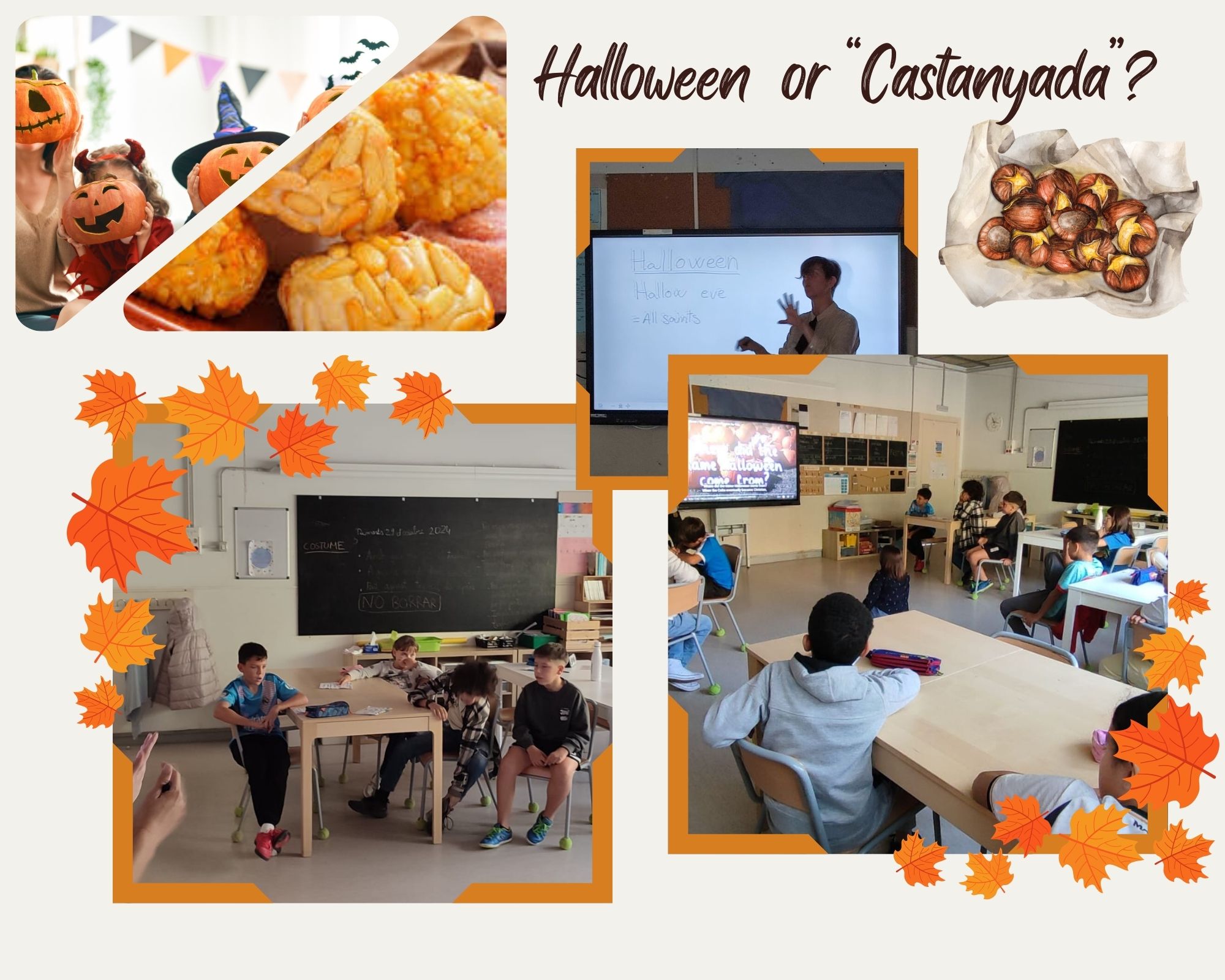
Halloween or “Castanyada”?

Today some Petits Princeps were very happy because on Thursday it’s “Halloween”. It is very fun to wear costumes and go trick-or-treating but we do not know much about  “Halloween”, though.  We saw a video that was very eye-opening…

We thought that the Americans invented Halloween recently just to have fun but we discovered that, in fact, it is a very old tradition that has a long history. And, much more importantly, we discovered that “Halloween” and “Castanyada” have the same origin!

In ancient times, the Celts, a tribe that lived in Ireland and the United Kingdom, celebrated harvest time with a big meal they called “Samhain.” They also thought that, on the 31st of October, the separation between the world of the living and the world of the dead didn’t exist. 

To avoid ghosts, people in Ireland started to dress up to protect themselves from bad spirits. They also left food outside the house to feed the ghosts and avoid them entering. These ancient traditions evolved with time and became the popular “Halloween” traditions that we know.

As somebody in class said “we celebrate the same (harvest and remembering the dead), but we do it in a different way”. 

It was really very interesting! If you want to know more, just check the video

Reading in English

Once children are confident using the language orally, they must start reading in order to fully master English. Learning to read in English, though, is quite different.

Since the children can already read in Catalan and Spanish, they can activate different strategies to be able to get the meaning of different messages. One of these strategies is being able to find similarities between words that help them infer the meaning.

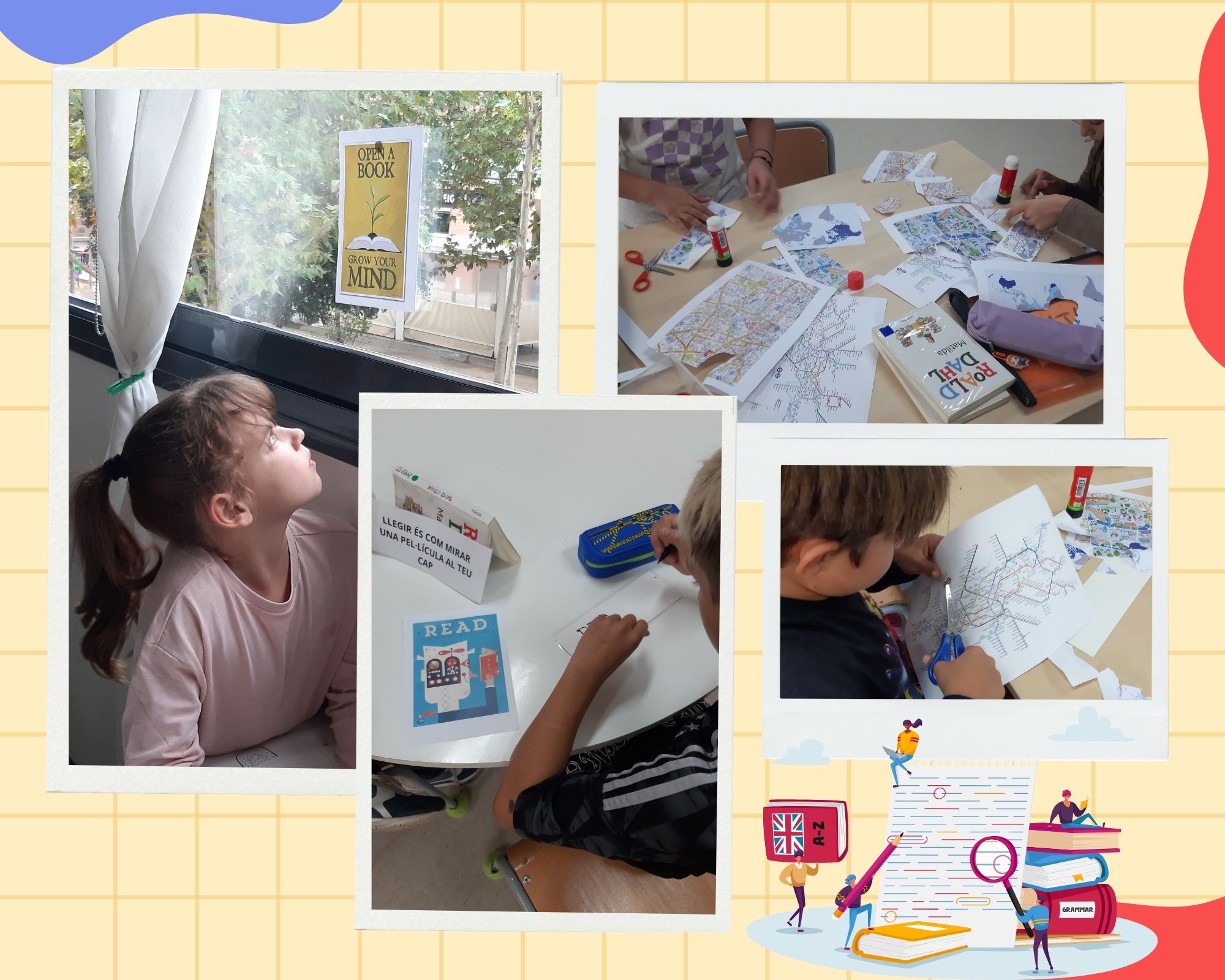
To help them develop this strategy and stress the importance of reading, at school we have distributed posters around the classroom that encourage reading for pleasure. The children had the sentences in Catalan and, working in pairs, they had to match them to the correct poster. After finishing the activity, they explained the strategies they used to find the solution. They all agreed that it was easier than it seemed: “si hay palabras casi iguales”.

This sense of achievement creates a positive attitude towards reading in English for pleasure, an activity we do once a week with the “big ones”.