
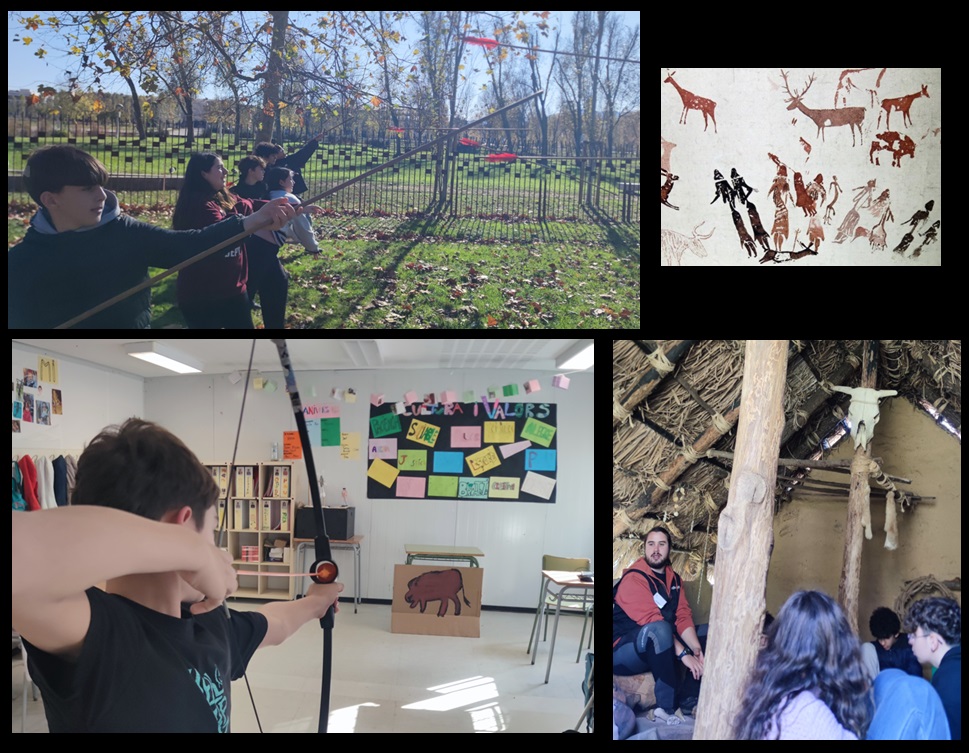
This term, 1st ESO launched a new CLIL project linking Social Sciences in English with Physical Education: the Prehistoric Sports Festival. Instead of learning about the Paleolithic from a desk, students worked in groups, outdoors and hands-on — just as active as the people they were studying.
Each team investigated a real archaeological site as a historical source:
- Laetoli footprints (Tanzania)
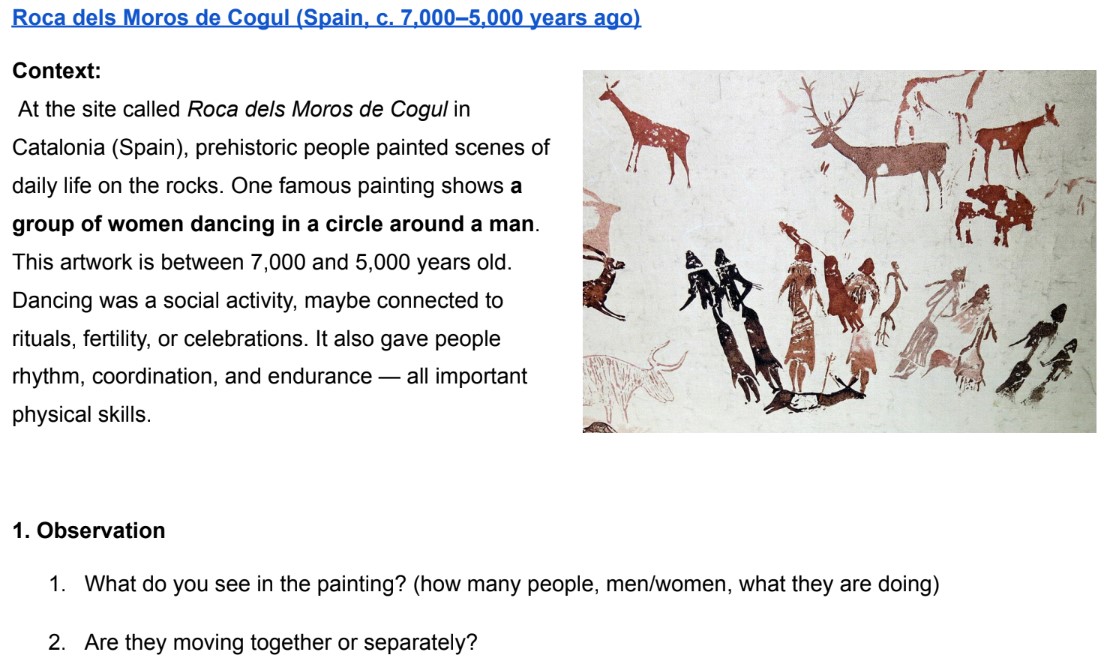
- El Cogul Cave paintings
- La Draga settlement
- Toquepala hunting paintings (Peru)
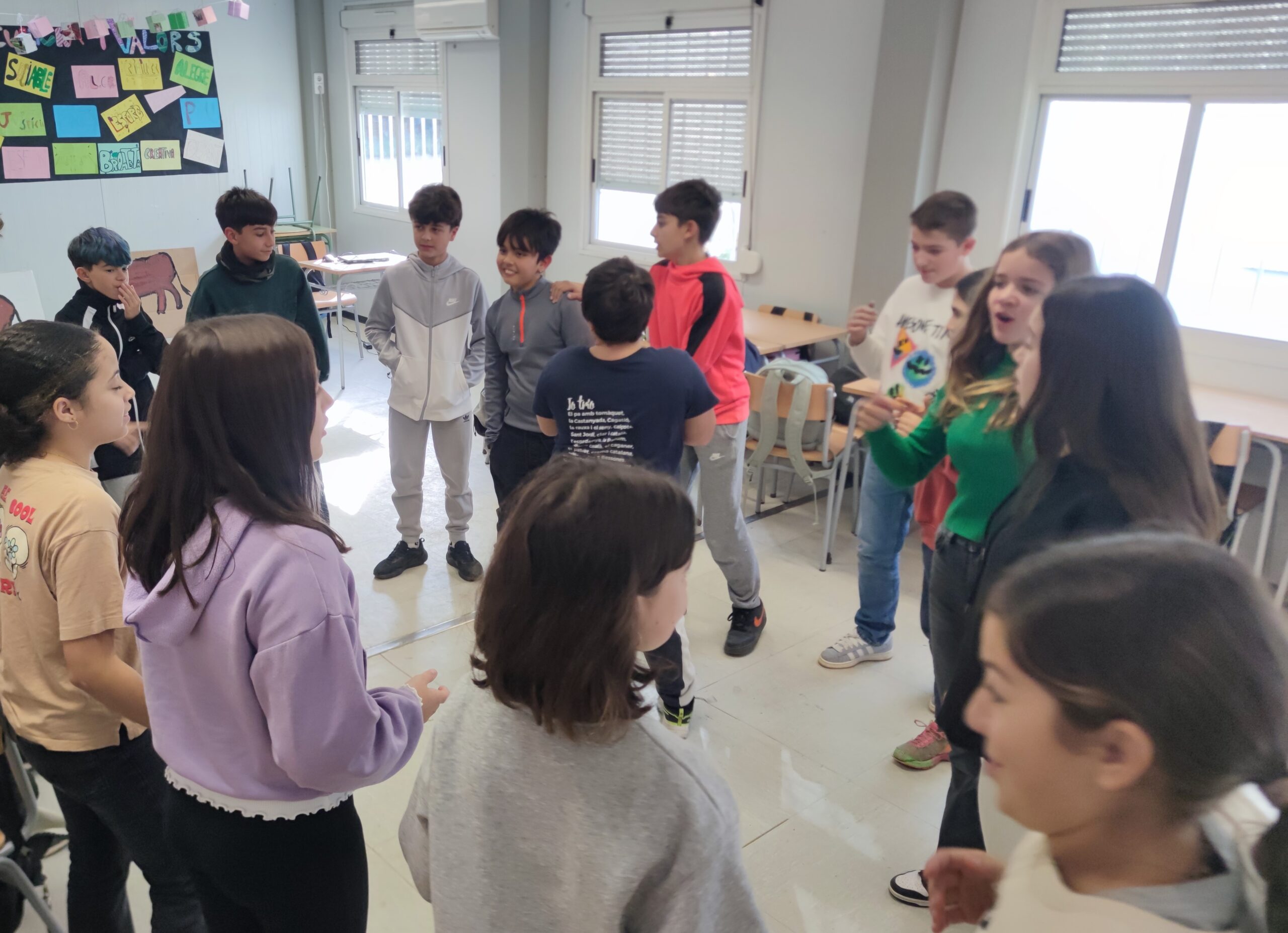
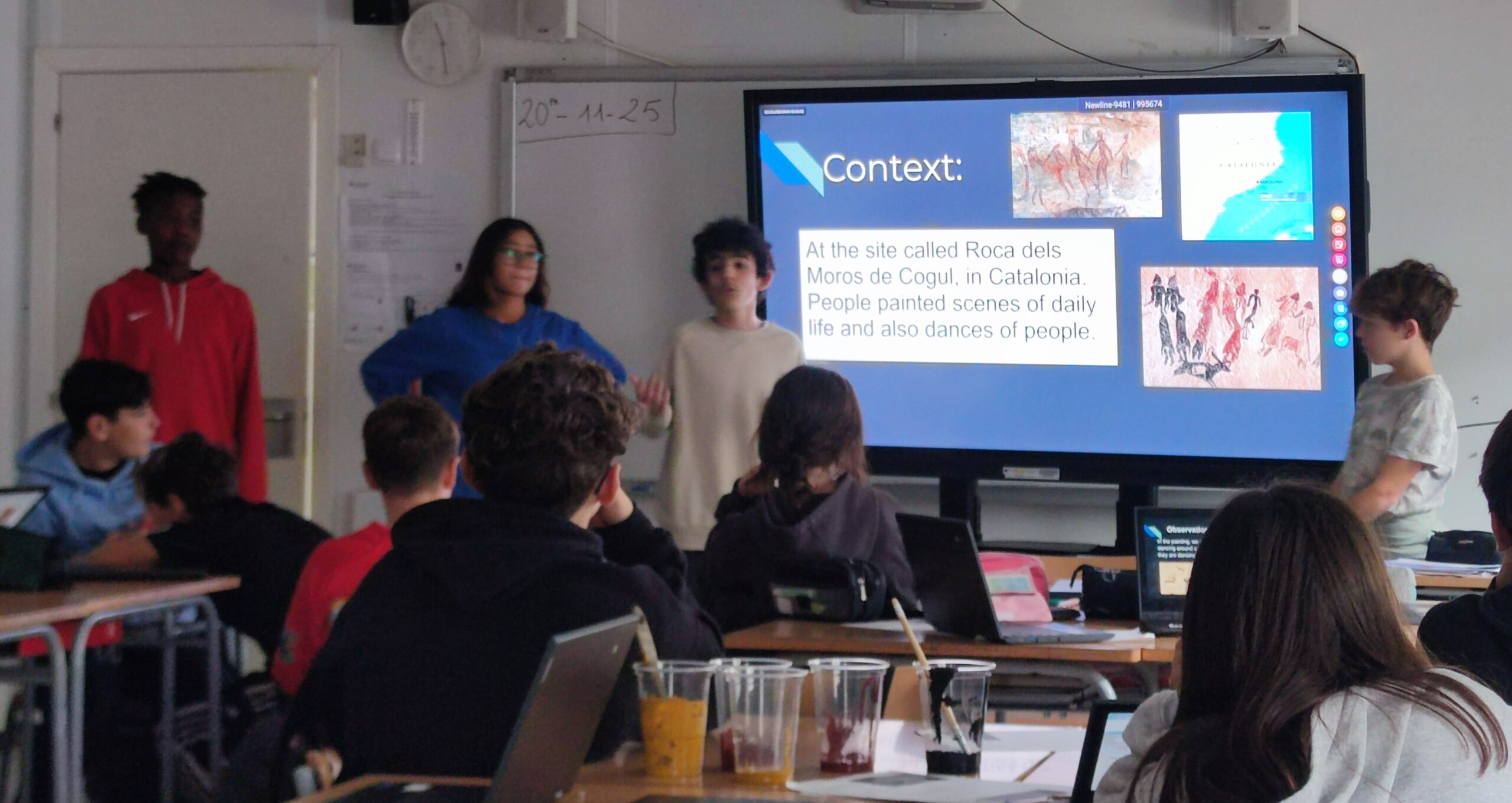
After analysing the evidence, students designed a new sport inspired by prehistoric physical activities such as running, tracking, gathering, dancing or collective hunting. They presented their work orally in English and later put all their games into practice during a joint P.E. session.
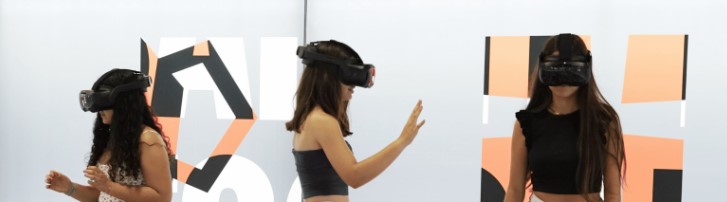
The project also included the VR experience Els ulls de la història, which allowed students to “enter” the Coves del Cogul and see the very same rock paintings they had studied.
By the end of the project, students learned that — when it comes to the most important things — we move, feel and need just like the people in the Paleolithic did.
See other CLIL Projects here.
Quins esports practicaven els humans del Paleolític? Els alumnes de 1r d’ESO ho han descobert
Aquest trimestre, 1r d’ESO ha començat un nou projecte CLIL que combina Ciències Socials en anglès amb Educació Física: el Prehistoric Sports Festival. En lloc d’estudiar el Paleolític des del pupitre, l’alumnat ha treballat en grup, a l’aire lliure i de manera pràctica — tan actius com les persones que estaven estudiant.
Cada equip ha investigat un autèntic jaciment arqueològic com a font històrica:
- Petjades de Laetoli (Tanzània)
- Pintures rupestres del Cogul (Lleida)
- Poblat de la Draga (Banyoles)
- Pintures de caça de Toquepala (Perú)
Després d’analitzar les evidències, els alumnes han dissenyat un esport nou inspirat en activitats físiques prehistòriques com córrer, rastrejar, recol·lectar, dansar o caçar en grup amb llances i arcs i fletxes. Han presentat el seu treball oralment en anglès i, posteriorment, han posat en pràctica tots els jocs en una sessió conjunta d’Educació Física.
El projecte també ha inclòs l’experiència de realitat virtual Els ulls de la història, que ha permès als alumnes “entrar” a les Coves del Cogul i veure exactament les mateixes pintures rupestres que havien estudiat.
En acabar el projecte, els alumnes han descobert que — quan es tracta de les coses més importants — ens movem, sentim i necessitem el mateix que les persones del Paleolític.
Veure altres activitats de Ciències Socials i Expressió artística aquí.

