


.
.
| Enric Bolaño Vendrell
Institut El Morell El Morell (Tarragona) ebolano@xtec.cat
|
Joan Pellicer Jaconet
Institut Cendrassos Figueres (Girona) jpellic2@xtec.cat |
Josep Bofarull Martínez
Institut Coster de la Torre La Bisbal del Penedès (Tarragona) jbofaru6@xtec.cat
|
ABSTRACT
This project has been designed thanks to the effort of three Technology teachers from three different secondary education centres, members of the Robolot Team.
Students from the fourth grade of ESO from these schools have carried out the construction of the stadiums, the design and programming of the robots, the goals, the decoration and the lighting system.
That has been possible by virtue of the involvement of the three schools in the “Let’s encourage Robotics learning!” scheme, promoted by the Catalan Education Department.
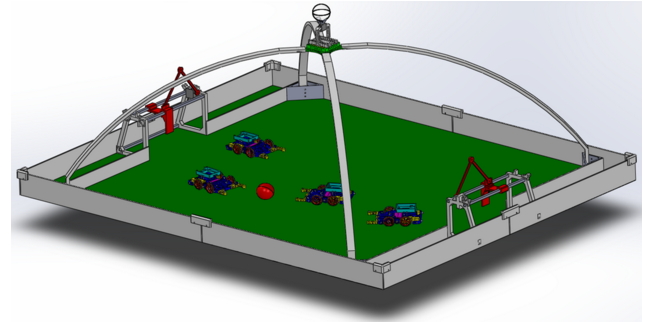
Figure 1: appearance of the design of the stadium with the robot players, the goals and the dome
Keywords: Robotics, Programming, App Inventor, Arduino, 3D printing, Robolot.
INTRODUCTION
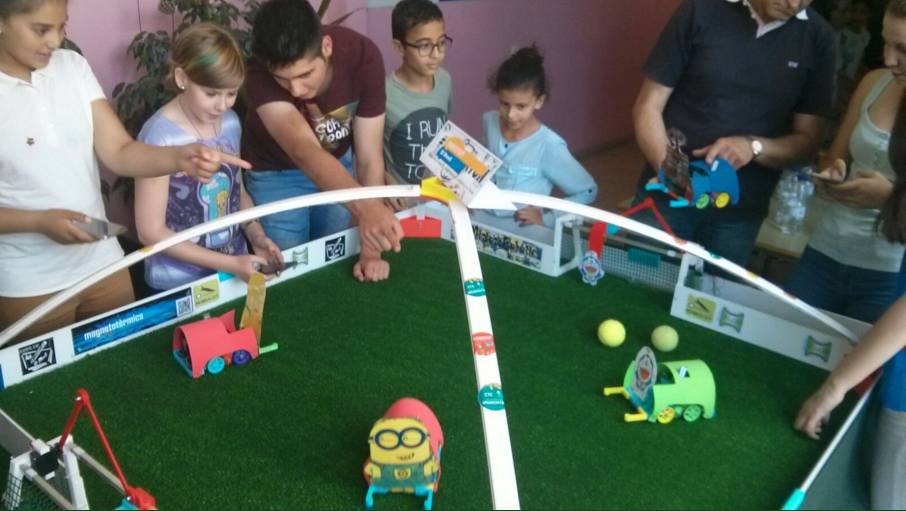
This project consists in designing, building, programming and decorating three stadiums with the corresponding robot football players controlled by Bluetooth. This work has been simultaneously carried out by three different Secondary education centres. (Figures 1, 2, 3 and 4).
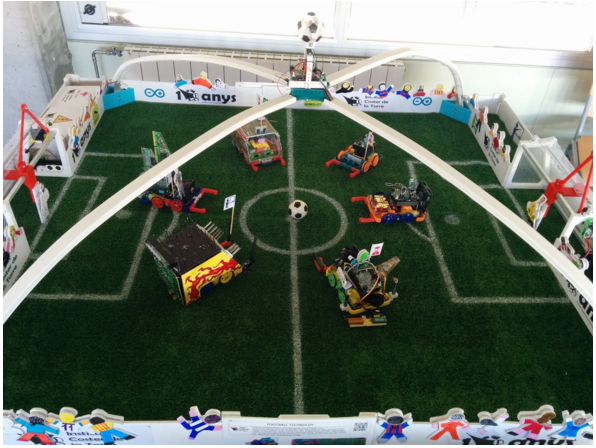
Figure 2: appearance of the stadium with the robot players, by Institut Coster de la Torre
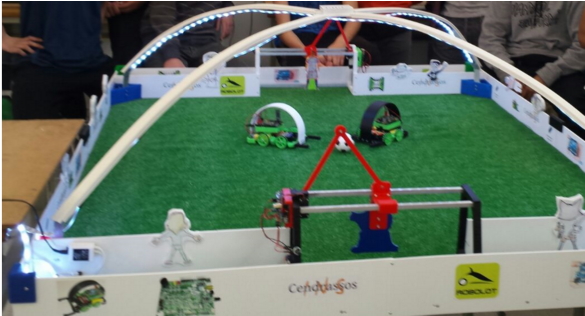
Figure 3: appearance of the stadium with the robot players, by Institut Cendrassos
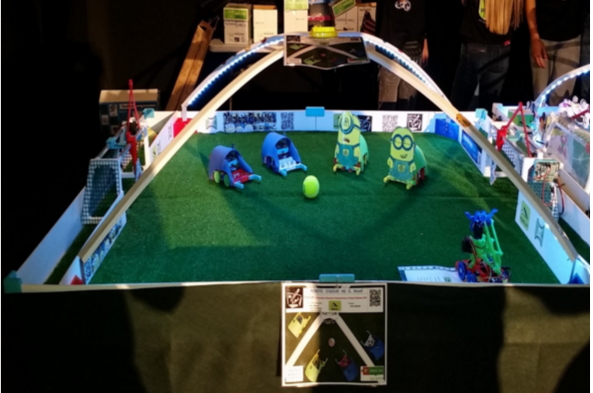
Figure 4: appearance of the stadium with the robot players, by Institut El Morell
All the elements of the stadium are modular. That allows an easy adaptation for the resolution of different didactic challenges, and also facilitates its transport and use in any place.
Originally, the stadium has been developed to enable the practice of football. However, its design has been conceived to be used as a platform to work other robotics and programming challenges.
Two foldable tables have been used in the construction of the stadium, as for the rest of the structure, different types of pieces and materials have been employed. On top of the foldable tables, artificial turf has been placed in order to obtain a more realistic look and also to cover the junction point between both tables.
The design of the stadium includes automatic components such as the goals and the lighting system (Figure 5), comprising RGB multicoloured LEDS controlled by an infrared remote control.
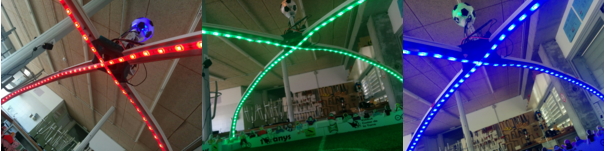
Figure 5: appearance of the RGB LED lighting system of the stadium
Some of the designs have been created with 3D printing technology, like the goals (Figure 6) and the robot football players (Figure 7).
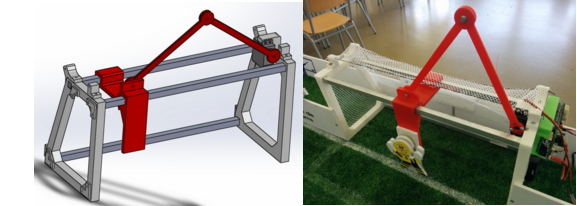
Figure 6: appearance of one of the goals
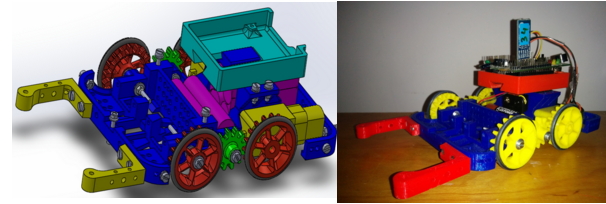
Figure 7: appearance of the design of the robot football player
All the control elements of the robots and the automatic parts have been programmed using Arduino Uno/Genuino Uno boards (Figure 8) and Shield Imagina Arduino V2 designed by the Robolot Team (Figure 9).
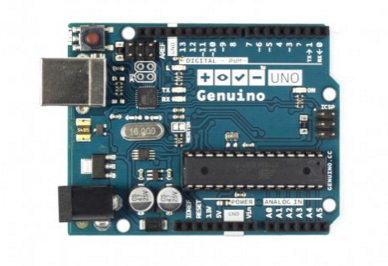
Figure 8: microcontroller board Arduino/Genuino Uno
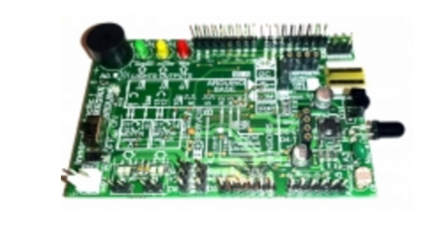
Figure 9: shield Imagina Arduino designed by the Robolot Team
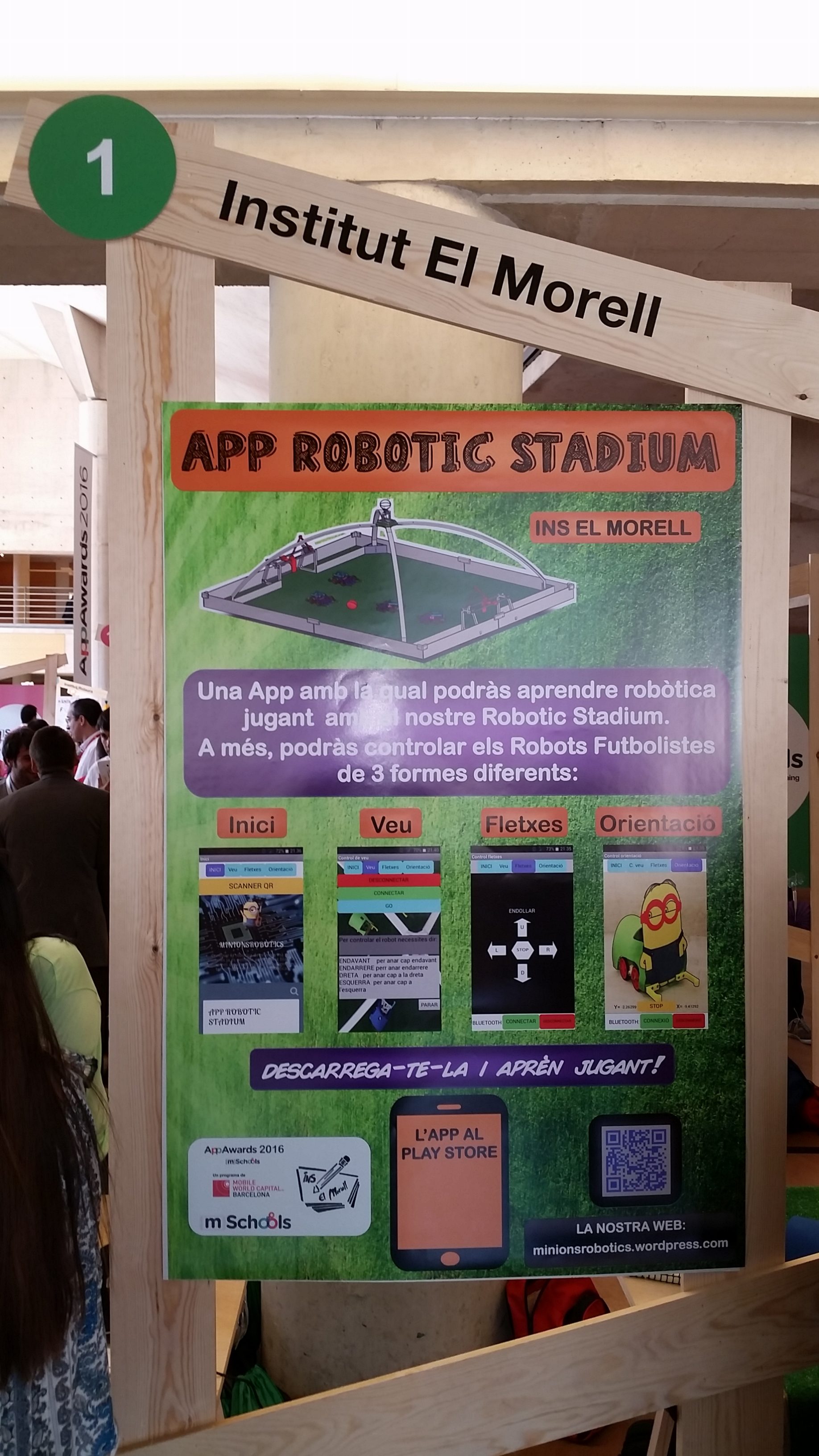
The robot football players are controlled via Bluetooth by Android mobile apps, that the students have created with App Inventor. The most relevant of those apps are: Imagina3dBot4x4 (Figure 10) and the app Robotic Stadium (Figure 11). The apps communicate with the robots with the Bluetooth module HC-06 (Figure 12).
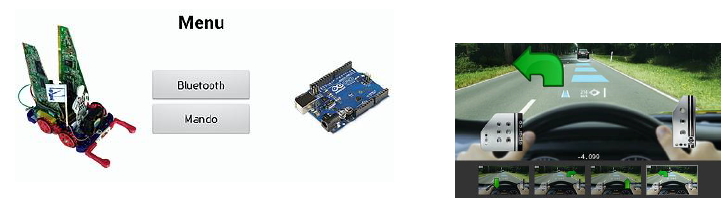
Figure 10: appearance of the app Imagina3dBot4x4
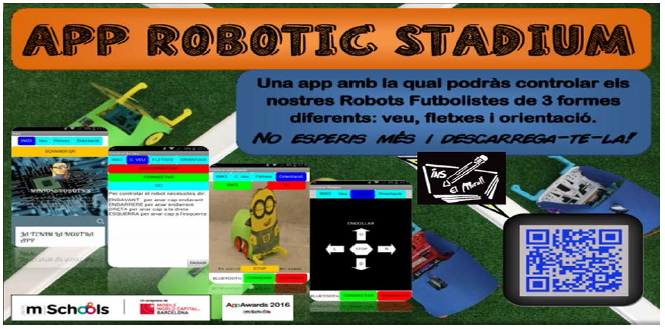
Figure 11: appearance of the app Robotic Stadium
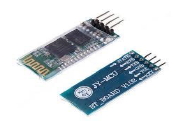
Figure 12: Bluetooth module HC-06
COURSE / LEVEL / SUBJECT
4th grade of ESO (Spanish Secondary education) in the Technology subject.
METHODOLOGY
The main competence worked in this project is the design and construction of simple technological objects which are able to solve problems and assess the suitability of its results.
It also enables the development of other cross curricular competences such as teamwork, creativity and communication skills, which don’t belong to the scientific-technical field.
The design of the robots’ bodywork and the apps that control them has been accomplished in a creative manner by teams of three or four students. The project has been presented in several conferences, where the students themselves have showed the communications to the audience.
The methodology used in the classroom is based on solving challenges adjusting its level of difficulty towards the goal of being able to build, decorate and programme all the parts of the stadium, the robots and the mobile apps.
The project was carried out from September 2015 to February 6th 2016, date on which it was presented in Cosmocaixa, Barcelona, as part of the “Let’s encourage Robotics learning!” scheme. Subsequently, new improvements have been developed during the rest of the school year.
The fact of developing the project in three different types of centres at the same time allowed for observing its adaptation to diverse scenarios and needs. The project itself
enables the work of Mechanics, Electronics and Programming contents with different levels of difficulty and depth, covering a wide range of the students’ educational needs.
REMARKABLE RESULTS
This project has permitted the work of two key competences of the Technology subject in the 4th year of ESO, such as Programming and Robotics, in a playful and motivating way for the students. At the same time, it has allowed for working complex contents about electronics, automatic control and programming in a very practical way, favouring its comprehension.
The project has been presented in several technological conferences by students from the three centres involved in it. In those presentations, the students were accompanied by their families. That helps to improve the relations between the schools and the families, bringing them closer to the activities of the centre.
The design of the robot football players features 4×4 differential traction that enables their use on non-flat surfaces, for instance the artificial turf of a football field. That gives the robots a great deal of versatility in order to design new challenges in future years.
Finally, we would like to highlight that this project fosters teamwork, entrepreneurship, creativity, along with work with new technologies such as microelectronics, mobile apps, 3D printing and learning through projects.
IMPROVEMENT SUGGESTIONS
The electromechanic design of the robots has been tested throughout many hours of functioning in different sessions and in the classroom, obtaining highly satisfying results. No robot has suffered any damages caused by an unsuitable design.
Suggested upgrades:
- Designing and developing a system that enables the robot football players to kick the ball harder.
- Making the goals completely automatic, incorporating ultrasonic sensors which detect the trajectory of the ball and place the goalkeeper accordingly.
- Designing and building an automatic scoreboard which counts the goals and shows the time of the match as it passes by.
- Adapting a robotic arm to the robots’ chassis structure. That will open up a wide range of possibilities of solving new didactic challenges about programming, for example basketball games.
- Adding encoders to the robots’ wheels. That will enable many more didactic possibilities for the stadium to work contents from other subjects, since it will be possible to programme itineraries for the robots to solve problems involving contents about Maths, Geometry, Science…
REFERERENCES-BIBLIOGRAPHY
Arduino & Genuino products, Arduino UNO & Genuino UNO, https://www.arduino.cc/en/Main/ArduinoBoardUno, consulted September 2015.
Shield Imagina Arduino V2, http://www.picaxe.biz/datostienda/descargas/SHIELD_IMAGINA_ARDUINO_V2_0_CAS.pdf, consulted October 4th 2015.