Learning foreign languages through subjects 

This school year the Institut Manuel de Cabanyes has started its participation in a pedagogical innovation program called Plurilingual Generation (GEP) whose purpose is to improve students’ foreign language skills. The actions of the three-school-year-duration program are guided, on the one hand, at increasing students’ exposure time to curricular foreign languages ​​and, on the other hand, at accompanying schools in the process of deploying and consolidating its own multilingual language project.

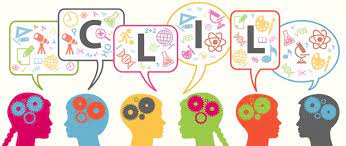
Born in 2013 as an experimental program, GEP is addressed to schools teaching primary or secondary education, baccalaureate or initial vocational training and owned by the Department of Education, municipally owned and privately owned in concert. During three-years-time teachers from the participating centers with sufficient accreditation of foreign language knowledge receive training on integrated learning of content and foreign language (CLIL) in English. The management teams, in turn, receive guidance for the implementation of the program in the center, the design of an action plan and the preparation of a final report.

The training

The training associated with the GEP program is aimed, in the first instance, at teachers of non-linguistic subjects who accredit a minimum level B2 (MECR) of a foreign language. However, a foreign language teacher can also participate in the training, although not exclusively.

Objectives and structure of GEP training:

  1. First year training. The aim of the first-year training of teachers of English GEP centers is to initiate teachers of non-linguistic subjects in the integrated learning of foreign language and contents (CLIL), in order to enable them to teach contents of the subject in English. The training consists of a 45-hour part-time course.
  2. Second year training. The aim of the 2nd year GEP training is to deepen the CLIL approach in order to train teachers to develop and implement competence projects in English in non-linguistic subjects and areas, integrating ICT. The training will consist of a 45-hour part-time course.


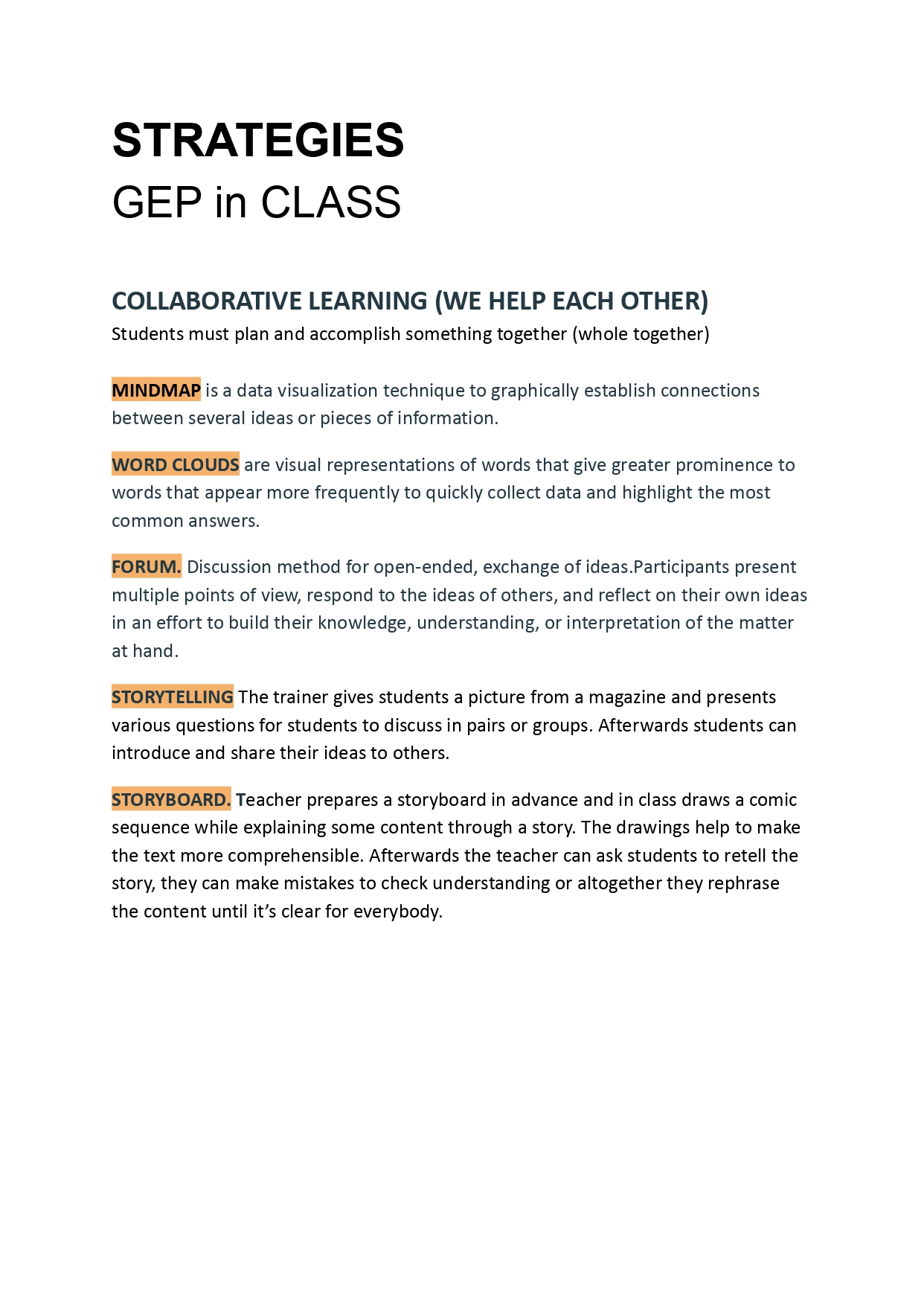
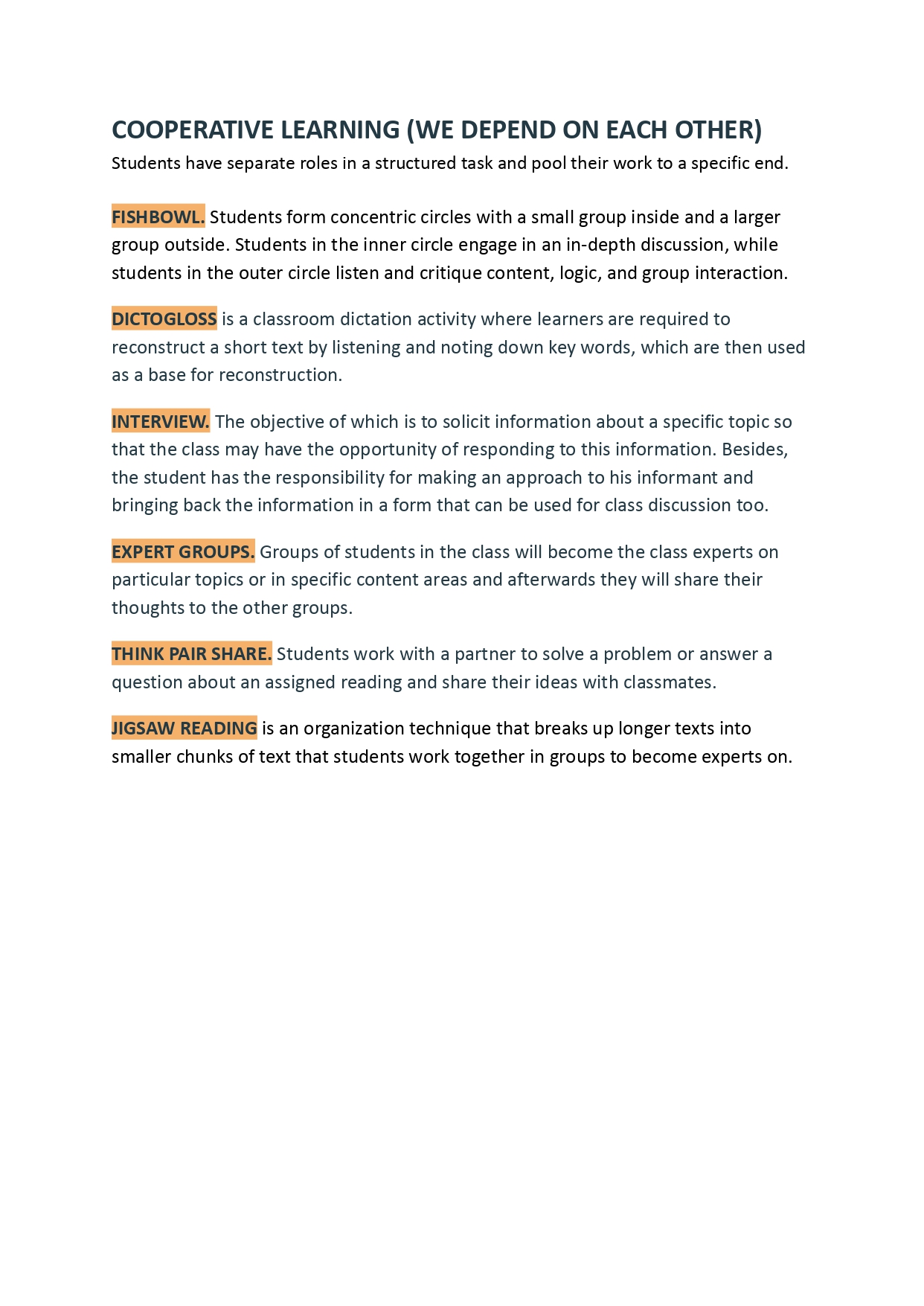
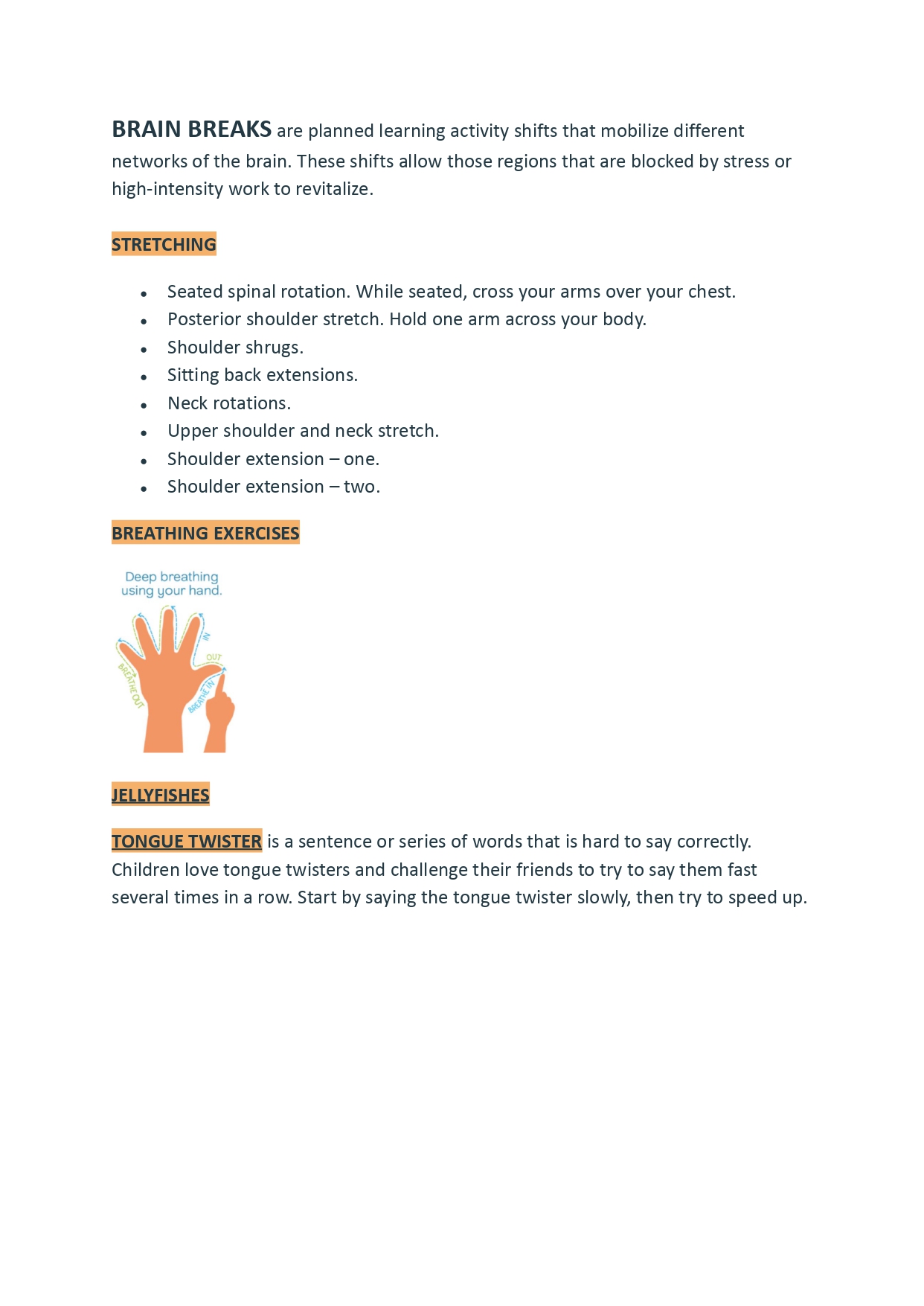
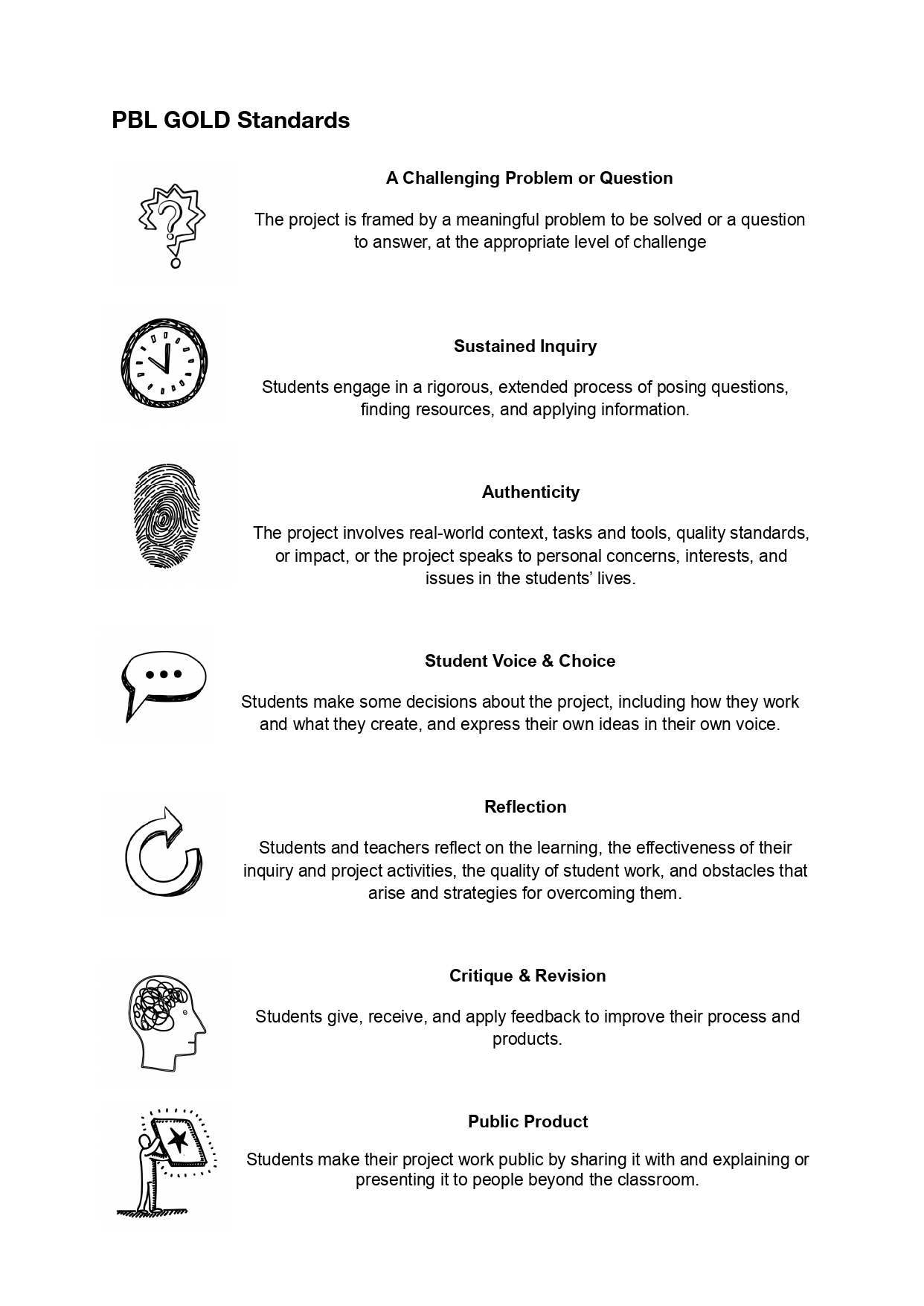
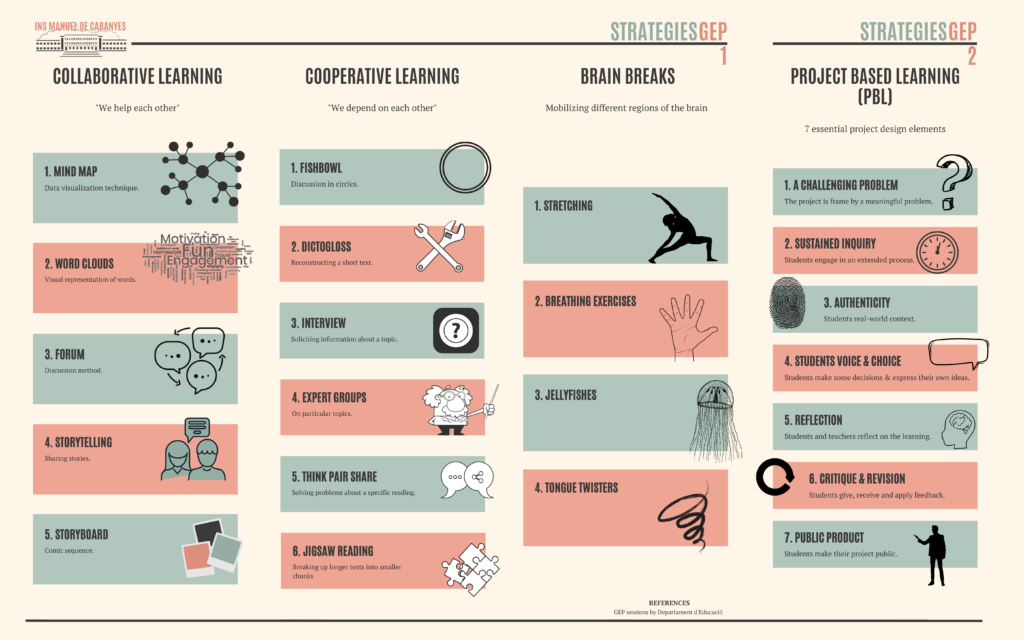
Links to strategies:


For further information please visit: http://xtec.gencat.cat/ca/projectes/plurilinguisme/programes/institucionals/gep/

Introduction to gamification

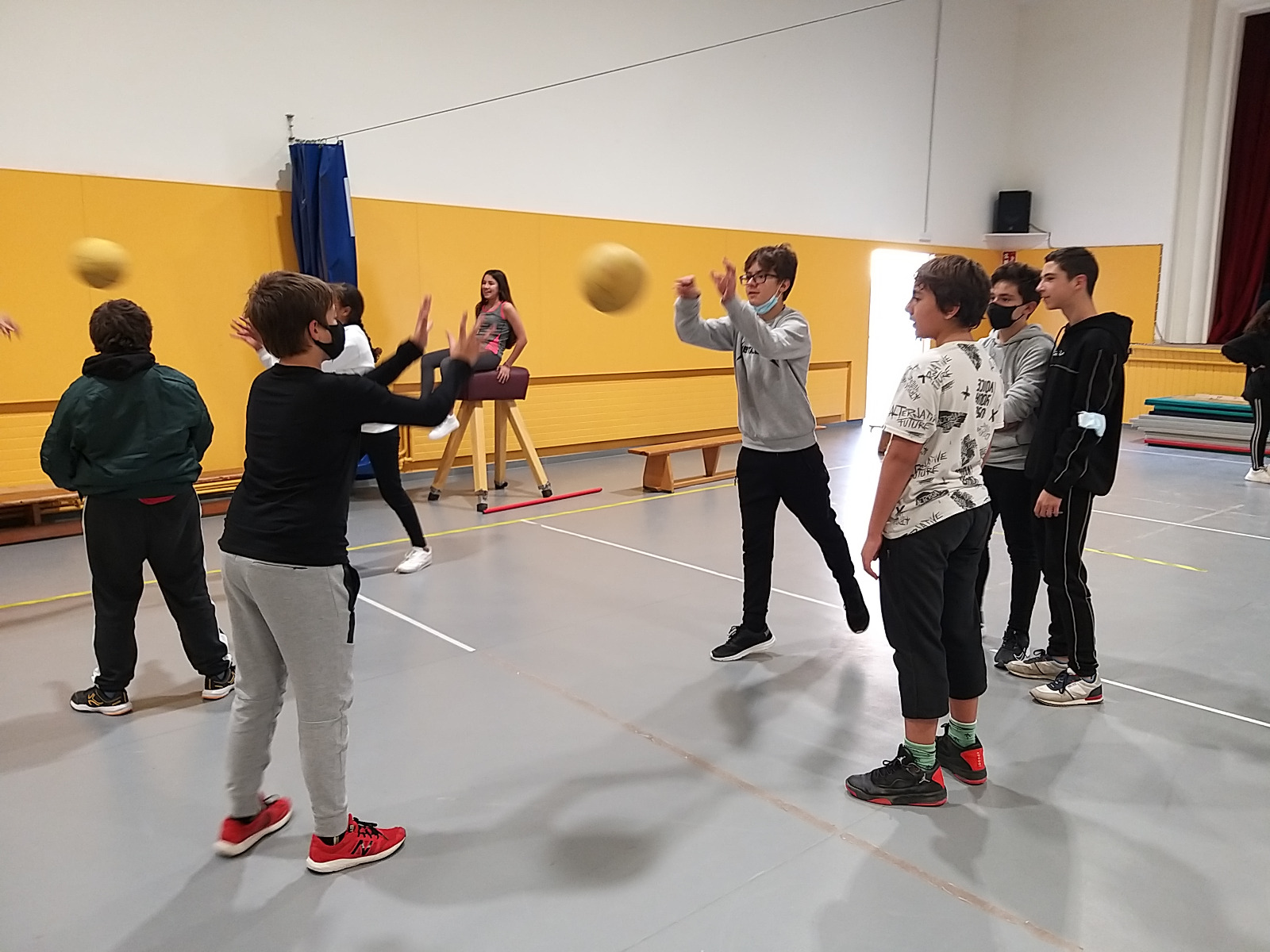
In the 1st year of ESO, they work on their physical condition and healthy habits through gamification. This is an innovative and motivating learning strategy which is used as a tool to capture students’ attention and invite them to learn from a playful perspective. Using a board similar to the “Game of the Goose” students should work cooperatively in groups of four. Whenever they fall into a box they have to answer questions related to health (diet, posture habits, rest, hydration, decalogue of healthy habits) and active lifestyle (physical activity, rest, sport, fair play, safety) and then perform the corresponding strength and endurance exercise. Good job, first!… Llegeix més»
eTwinning project (I)

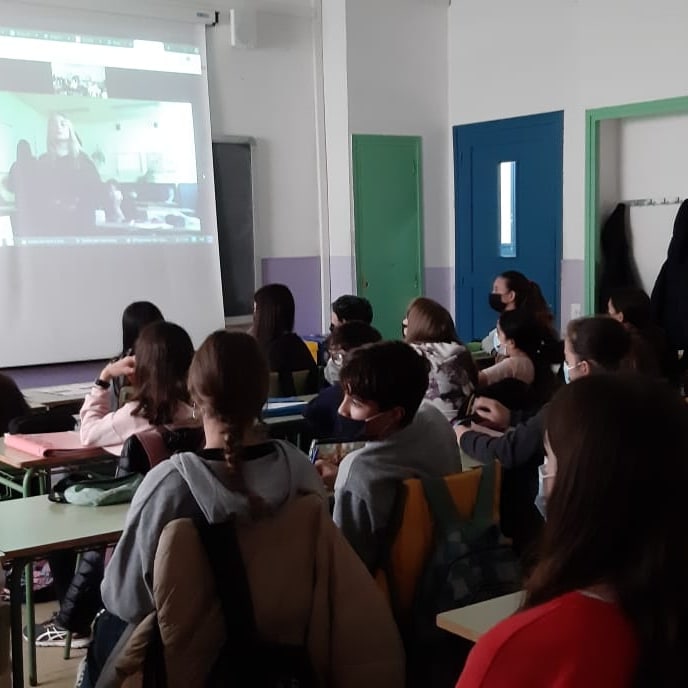
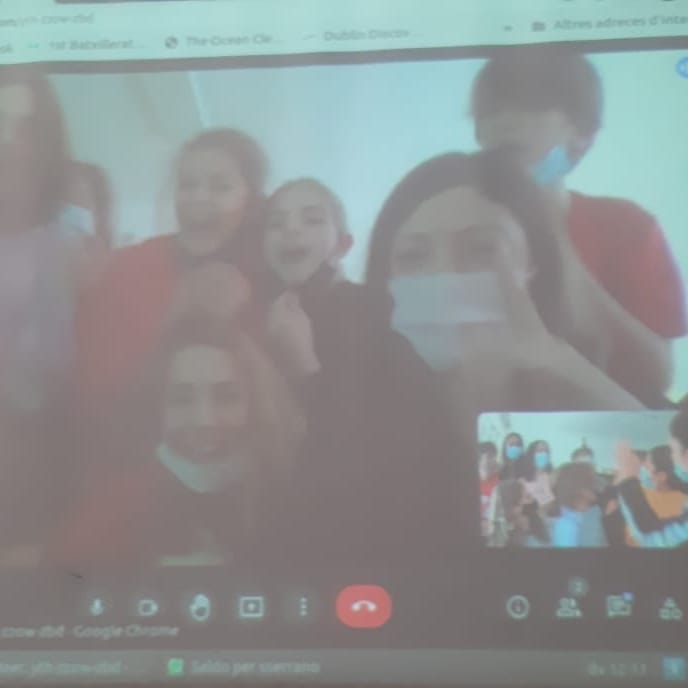
As in the last years, our high school is taking part of the eTwinning project, which offers a platform for staff, working in a school in one of the European countries involved, to communicate, collaborate, develop projects, share and, in short, feel and be part of the most exciting learning community in Europe. Last Monday we met, virtually and for the first time, with our Italian partners from Istituto Comprensivo Pinerolo II –  Lower Secondary School “Adolfo Gustavo Rol” in San Secondo di Pinerolo, Torino. Keep on going!… Llegeix més»

GEP – What is the responsability of parents in CLIL?

One of the most important aspects is having the support from home to make the CLIL system work well. Sometimes it is difficult for families to support their children, especially in a foreign language. Therefore, it is very important to follow the student’s progress and detect in time if there is a lack of this support from home. In this case, a solution should be provided for these students, such as doing an extra session to update them and hence they can continue at the same level as the rest of the class.… Llegeix més»

GEP – Could learning in the additional language hurt the child’s first language?

The development of the first language is one of the aims of CLIL. When children are managing more than one language, different stages of mixing and interfering are usual as a part of the whole process. There is no evidence showing that if learning in the additional language will hurt the first language though. Furthermore, if we make children capable of thinking about any concept in different languages we will help enrich their way of thinking and connecting ideas.… Llegeix més»