
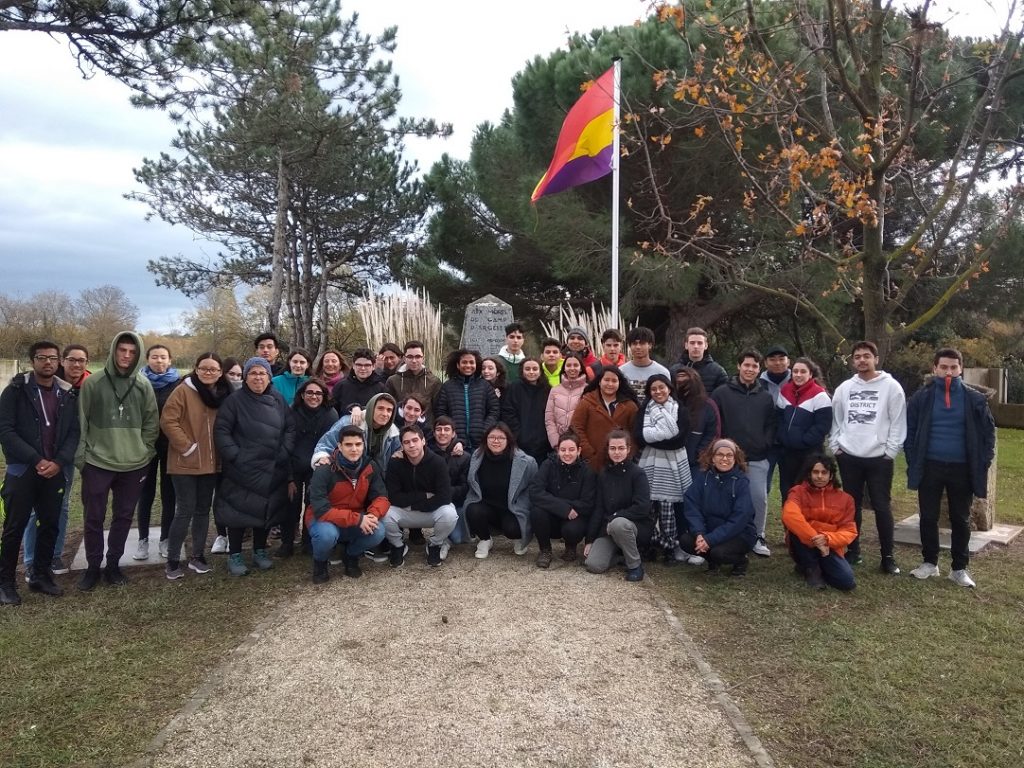
El 13 de desembre l’alumnat de segon de batxillerat i un grup de professors i professores vam sortir cap al sud de França.
L’objectiu principal era apropar-nos a la història de l’exili republicà. Aquests fets, conseqüència de la Guerra Civil espanyola, van portar a experiències difícils i dramàtiques en moltes ocasions.
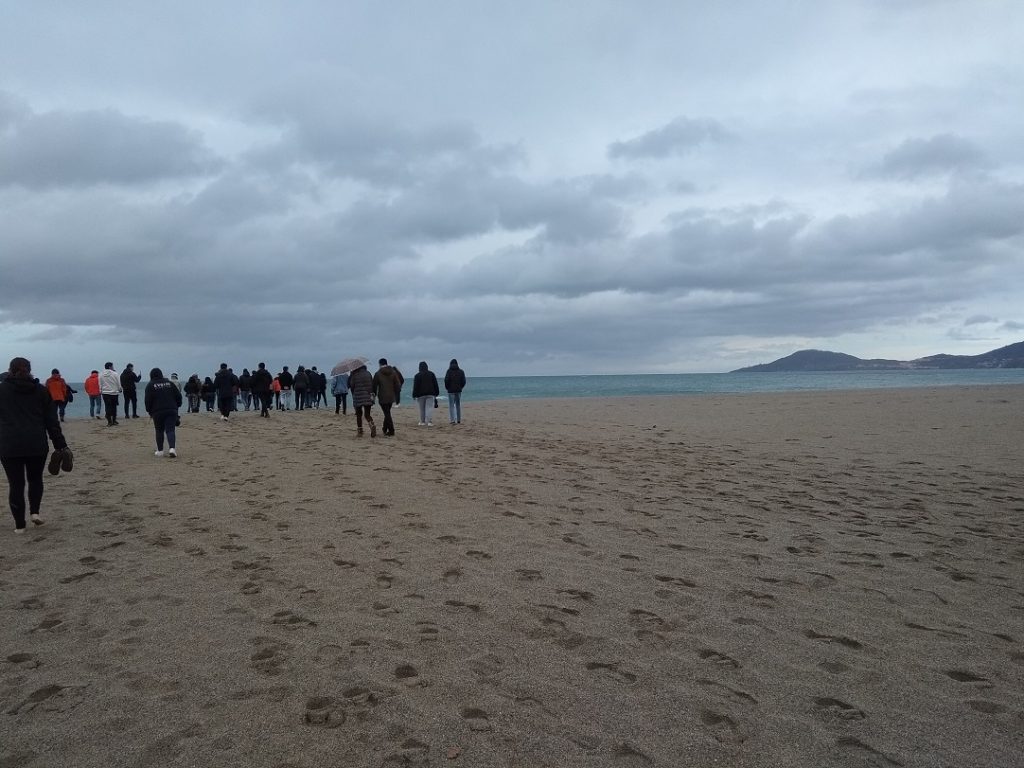
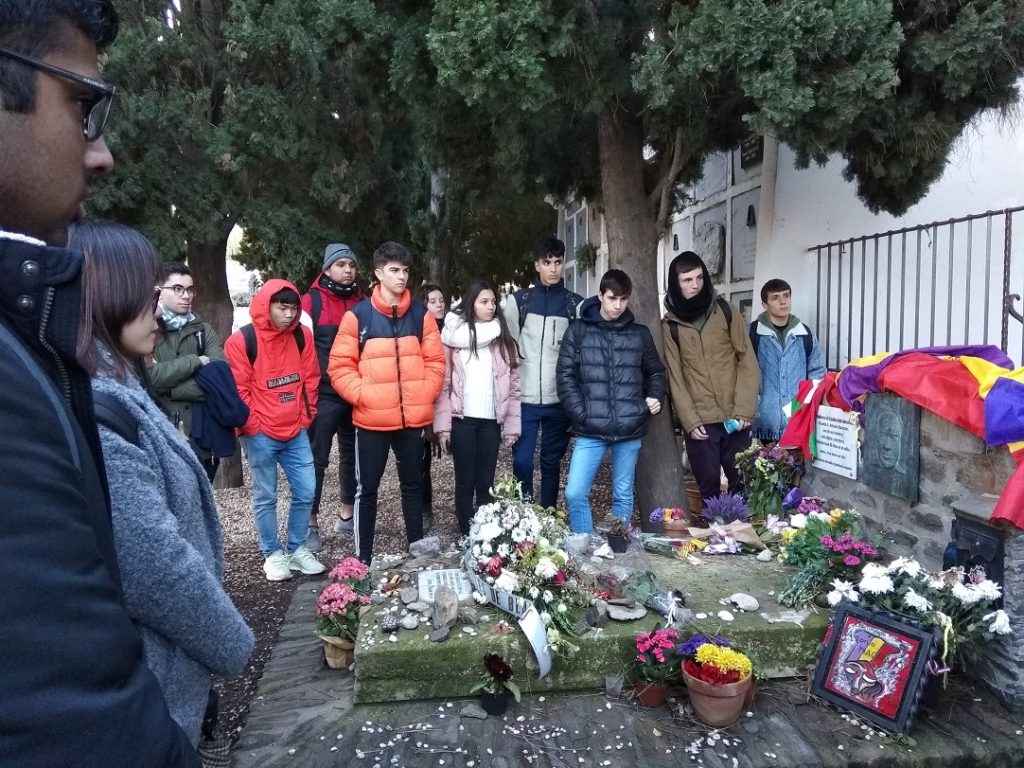
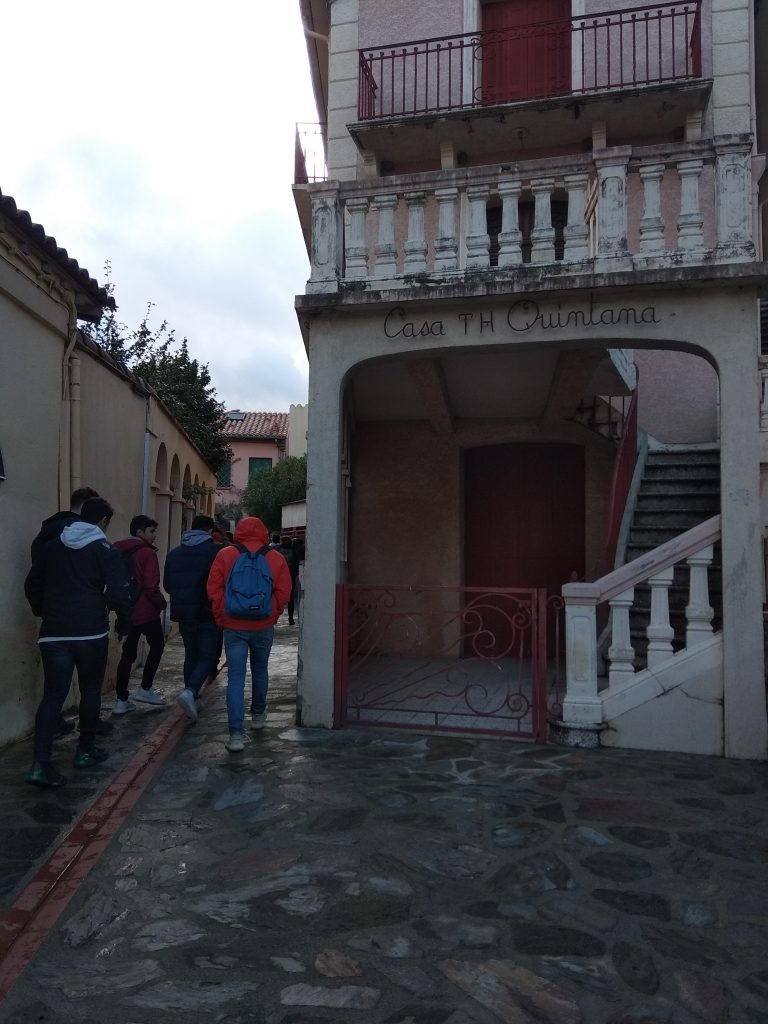
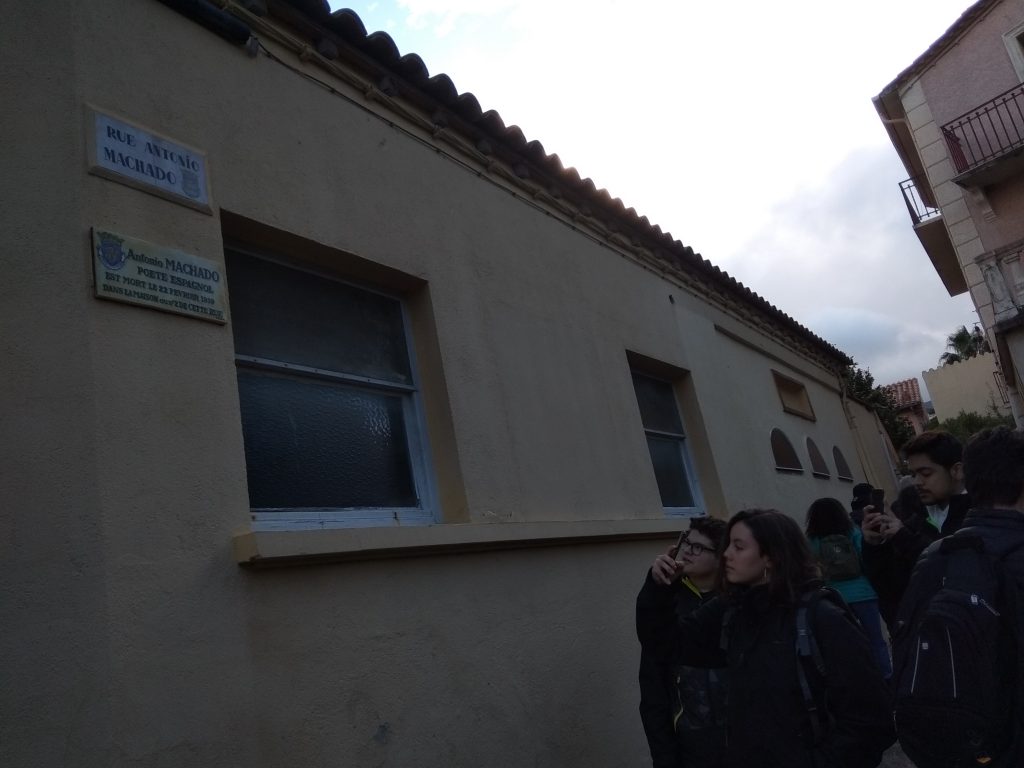
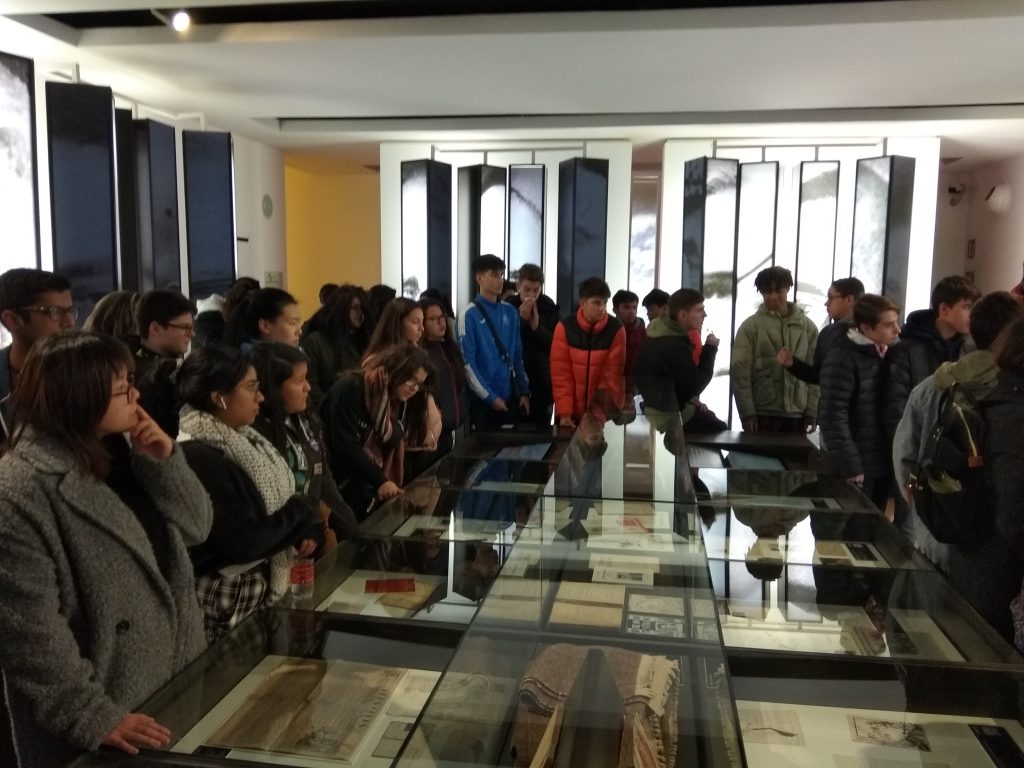
Vam visitar la Maternitat d’Elna (impressionant exemple d’humanitat dins d’un context tan hostil), la Platja d’Argelers (un dels camps de concentració de la població espanyola que va haver de fugir), Cotlliure (localitat on vam visitar la tomba d’Antonio Machado) i el Museu de l’Exili de la Jonquera.
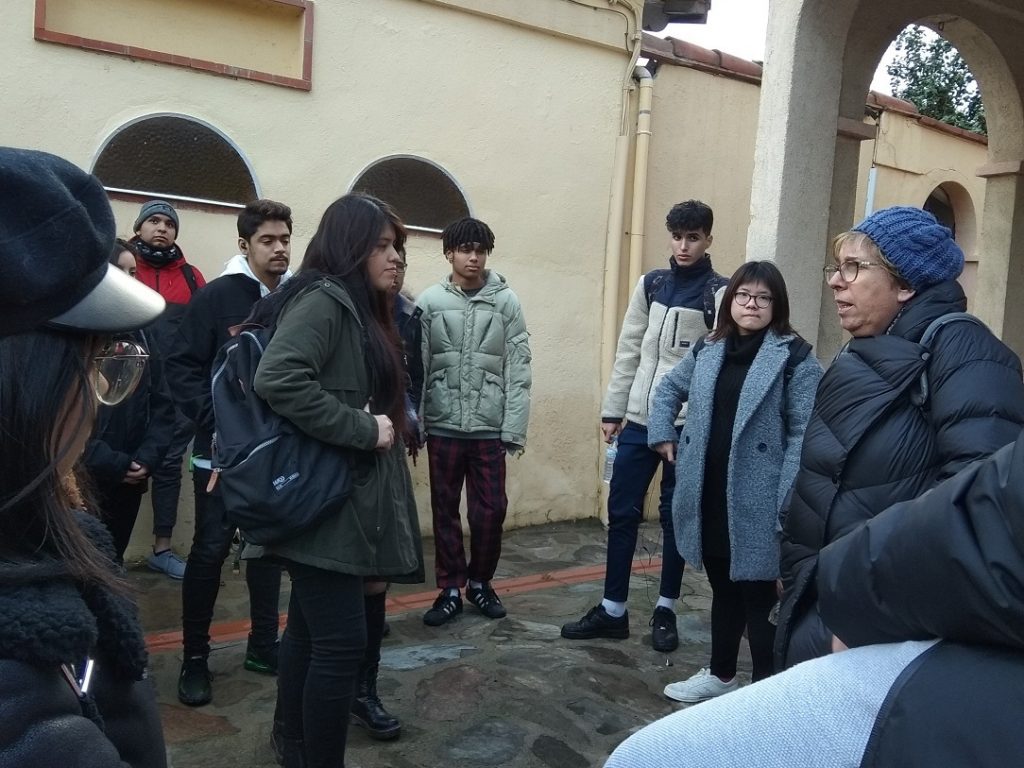
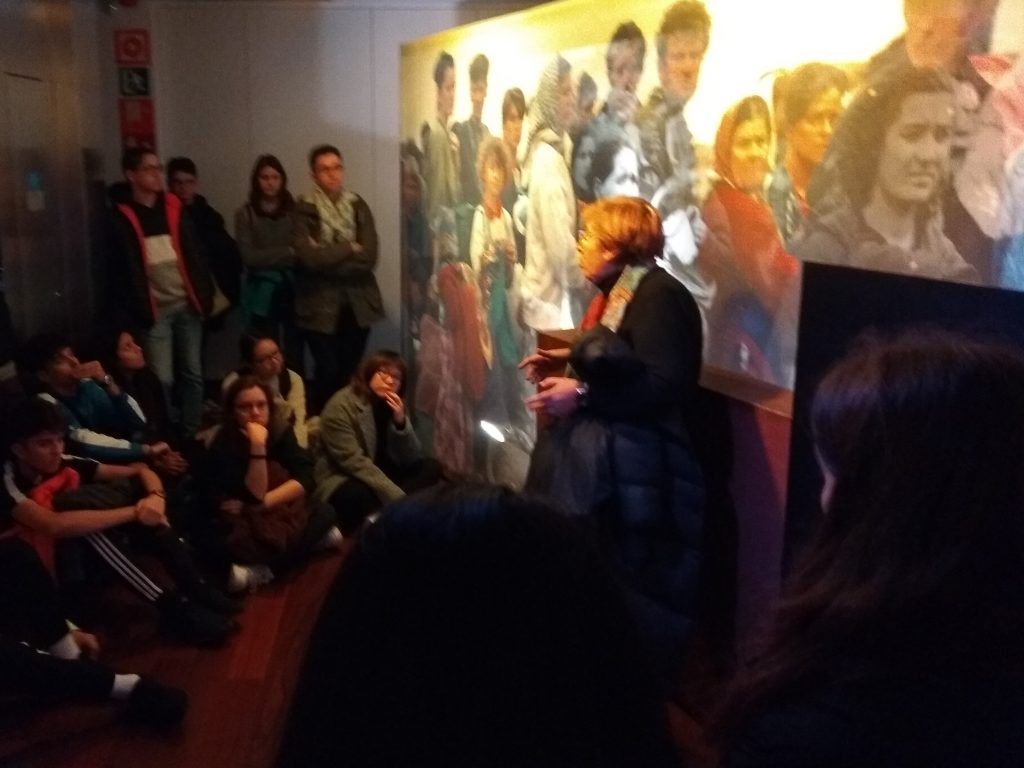
Vam tenir la sort de comptar amb una guia excepcional: l’Assumpta Montellà, escriptora i historiadora que ha dedicat molts esforços en recuperar la dolorosa experiència de l’exili recollint els testimonis de les persones anònimes que la van viure en primera persona.
A l’arribada a Barcelona, ens vam acomiadar amb la satisfacció d’haver-nos aproximat a un episodi tan important de la nostra Història recent i al que significa viure l’exili.




As a follow-up activity , our students had to write an e-mail to their English teacher explaining their trip, how they enjoyed it and any other anecdotes that they wanted to add. Here are some excerpts of their messages:
I went with my classmates and with my teachers to redo the journey the Spanish refugees did when the Civil War ended. We visited three places: Elna, Argelès and Collioure. In Elna, we went to the Maternity Home, an old House where the women gave birth. We saw some pictures of them, it was so emotive. Afterward, we went to the beach of Argelès, the place where the French government built a concentration camp. The refugees were forced to stay there; a big, windy beach with just one exit: the sea. Finally, we went to Antonio Machado’s gravestone in Collioure. It was full of flowers, republican flag, drawings etc., and it even had a mailbox. It was a very touching moment.
Itxaso Muñoz, 2B
The whole class went to Collioure by coach, it was a nice trip although the time we had to wake up (6.00 am)… is that even legal?It was an instructive activity, we learned a lot of unhappy things but they are so important to be known because we all can learn about them so as not to make the same error that were made in the past.
Alex Noguera, 2B
I could say that if you have a sensitive heart this trip was full of emotions, it made me really understand what pain must have felt like; there were tears in some of my classmates’ eyes.
I bought the book written by Assumpta Montellà, who was our guide on this trip. She has done a very thorough research about the Maternity Home of Elna, whose founder, Elisabeth Eidenbenz, played a big role in saving approximately 600 children from an almost certain death.
Tayub Sheik, 2B
The refugee camps of Argelès and Sant Cebrià de Rosselló were the first large containers of the migratory flow consisting of 465,000 civilians who had crossed the border .Hunger, thirst and cold were the deplorable conditions of the camps. For many refugees, that was the beginning of another nightmare.
In that context, pregnant women had a hard time trying to keep their babies alive. Sant Lluís de Perpinyà Hospital was saturated and the administration prioritized the wounded and sick. Consequently, the pregnant women were taken to the Hares stables, by the Perpignan station. There, with total lack of health guarantees, in the midst of manure and Straw, babies were born. The infant mortality rate exceeded a heartbreaking 95%.
Marta del Hoyo, 2B
It felt a little overwhelming to keep on listening to all those sad stories but I think it is a really necessary and important thing because through history people can educate future generations and learn from the mistakes so it never happens again.
Peini Chen, 2A
I enjoyed the day. At the beginning I believed that it would be a little boring but I was wrong. The guides knew to capture our attention, or at least mine. I wish there were more excursions like this.
Berna Calzada, 2B
In addition, we also visited the “Exile Museum”, where we could find out more about the history and the important intellectual people who were deeply affected by the war and other political issues. An exemple would be Antonio Machado, whose grave we visisted the same day and it’s located in Collioure, a little coastal village in Southern France. We all had such a great time… I think that getting to know how history was really like, how the war affected innocent poeple in such a harsh way, reached our hearts and affected all of us in different ways.
Liah Polanco, 2B
Then we arrived at the shores of a beach in Argelès-sur-Mer, a place used as a concentration camp for all those Spanish refugees who fled Spain during the civil war. Assumpta explained that many people died there because of the bad conditions in which they lived. That’s why we made a minute of silenci as a tribute to all those people. After a small pause, we arrived at Antonio Machado’s grave. In addition to talking about the life of this important poet, one of us recited one of his poems. It was a very moving moment.
Mario Bernabeu, 2A
The Maternity Home of Elna was created to aid the women who used to bear their children on the wet sand in the beach where they were concentrated. The director was a Swiss woman, Elisabeth Eidenbenz, who help 597 children to be born there. After that we went to the beach in Argelès. We paid our respects to those who suffered there by keeping silent for one minute. I even took off my shoes to feel the cold and the wet sand like a symbol of my respect to those refugees. It was a very emotional moment
Ainara Expósito, 2A
Aquí podeu veure un altre treball sobre la sortida.