Science project. Inmortal Jellyfish. 1ESO A
Science project. Inmortal Jellyfish. 1ESO A Llegeix més »


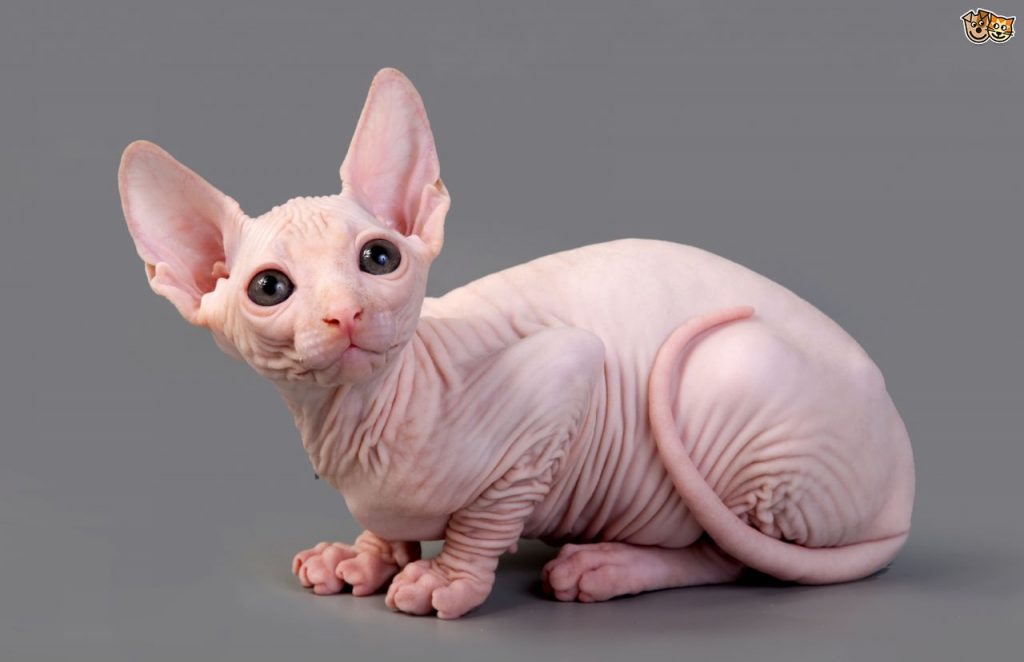
SPHYNX CAT The sphynx is a breed of cat. The most striking features is the apparence, it hasn’t got fur. Its slim and slender. The sphynx is a medium-zized cat, alongated and muscular. The head very angulated, with the very salted checkbones. The ears are big and separated. The skin forms folds in the snout,
Science project. Sphynx cat 1ESO C Llegeix més »
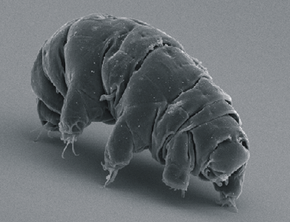
STRANGE SPECIE: TARDÍGRADO Our animal is the tardigrado is a very strange species. Most tardigrades are terrestrial. More than 1000 species of tardigrades are known. Is gray, it seems it wears clothes and has two eyes tucked in I have a very rare and very large nose. It’s thick and very big. It lives in
SCIENCIE PROJECT. TARDIGRADO 1ESO A Llegeix més »
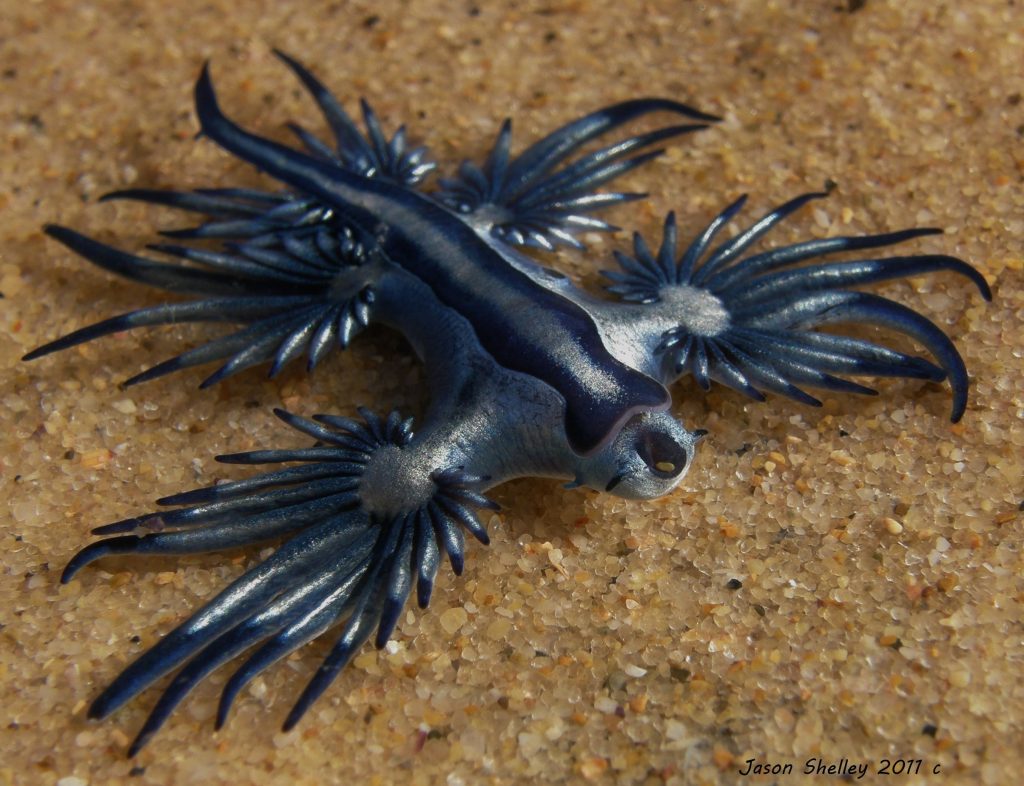
GLAUCUS ATLANTICUS INTRODUCTION Hello, our name’s are Marçel, Ian and Ariadna. This is our work: The name of our strange species is blue dragon, and it’s cientific name is Glaucus Atlanticus. The dragon is a species of mollusk of family Glauciade, it’s hermaphrodite and oviparous. It’s floting koreans temperate and tropicals waters of the world.
SCIENCE PROJECT. GLAUCUS ATLANTICUS. 1ESO C Llegeix més »
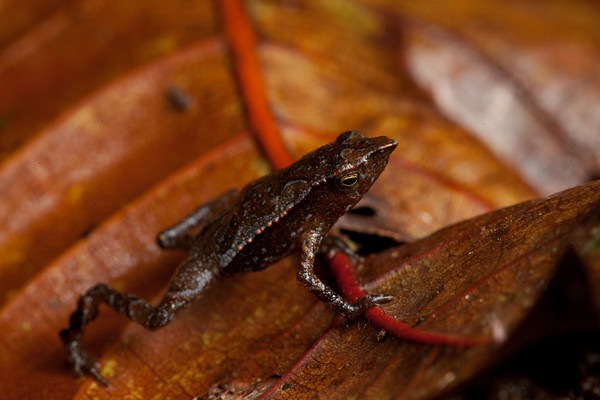
We’re agoing to tolk about Simpson Toad. This animal (Simpson Toad) is very strange and very dificult found. It’s scientific name is rhinella yunga. They’re live in the west of Colombia. This strange specie eats insects, raincoat flys, mosquitos ants and dragonflys. They love this food becouse it provides a lot of energy. They has
Science Project. Simpson Toad 1ESO C Llegeix més »
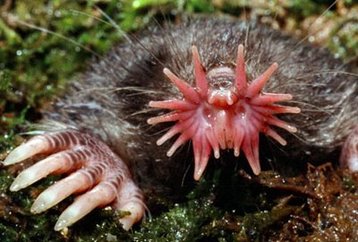
THE STAR-NOSED MOLE The STAR-NOSED MOLE is a small mole found in wet low areas of earten Canada and the northeastem United States,with records exentending along the Atlantic coast as far as extreme southeastem Georgia. It is the only member of the tribe Condylurini and the genus Condylura. Scientists to say is one of the
Science Project. STAR-NOSED MOLE 1ESO D Llegeix més »
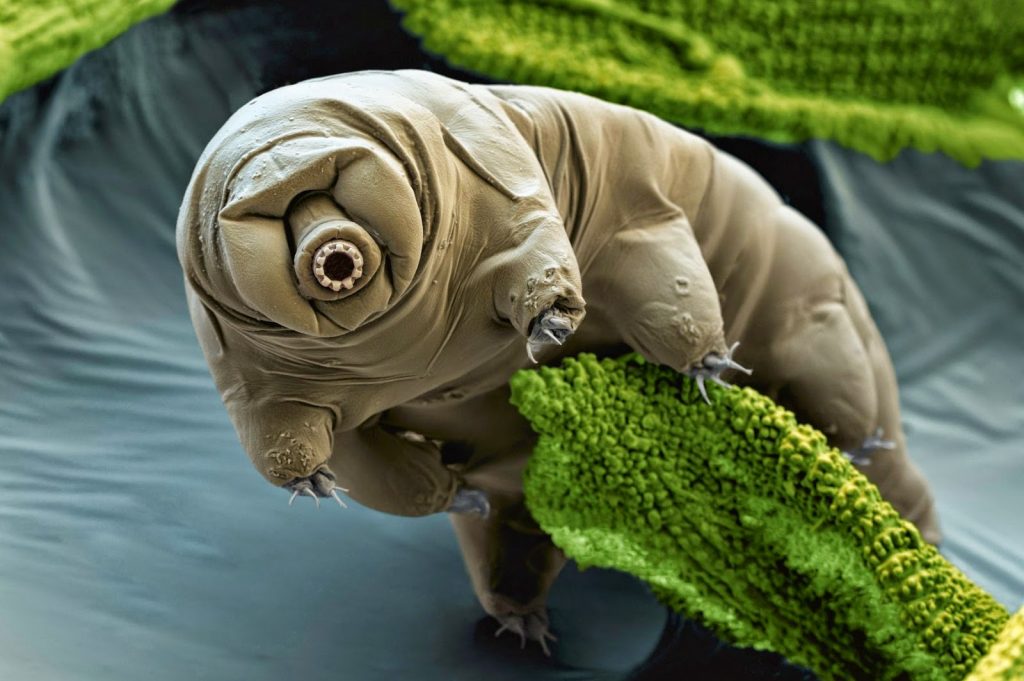
All the Tardigrades are considered aquatic because they need water around their bodies to allow the exchange of gases. Can be found more easily living in a film of water on lichens and mosses, as well as in doubts of sand, earth sediment, and litter. Cast up to – meters below water they lack embryonic
The Tardigrade (Water bear) Llegeix més »
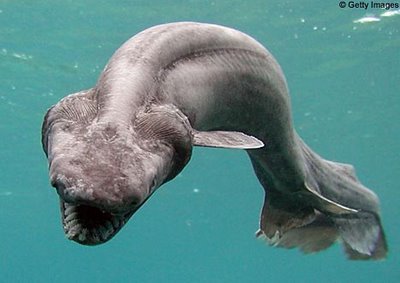
Today we talk about the frilled shark,its scientific name is Chlamydoselachus anguineu. The caracteristic of the frilled shark are: considered a living fossil. It reaches a leength of 4 meters and prehistoric shark has a dark brown colour, and eel body but has a shark head. It body has got a dorsal, pelvic, and
SCIENCE PROJECT. FRILLED SHARK 1 ESO D Llegeix més »
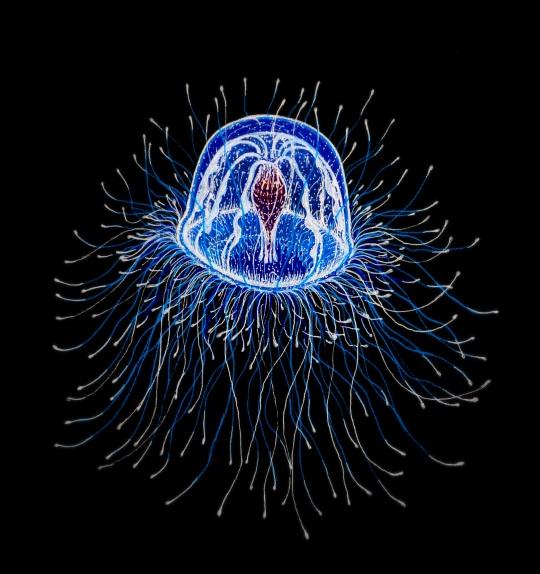
TURRITOPSIS NUTRICULA We think that the strangest organism in the Earth is Turritopsis nutricula. It’s a hidrozoo hidroideo jellyfish of the family of Oceanidae. It’s an original species from the Caribbean Sea, but now it’s around the world, in all the warm and tropical seas. Scientists have seen it from Colombia since Japan and also
SCIENCE PROJECT. TURRITOPSIS NUTRICULA. 1ESO D Llegeix més »