 |
 |
Project Number: 2018-1-MT01-KA229-038477_4
Project website: https://storytellingcld.wixsite.com/storytelling
Mobility for teachers and students. It is started by students in the 3rd year of ESO and finish it when they are in the 1st year of Baccalaureate.
Schools participating in this project:
-
- Newark School (Sliema, Malta) Coordinator
-
- Mirche Acev Gjorce Petrov Skopje (Skopje, North Macedonia)
-
- Scoala Gimnaziala Romanu Braila (Braila, Romania)
-
- Highschool of Makrychori (Thessaly, Greece)
-
- INS Carles Rahola i Llorens (Girona, Spain)
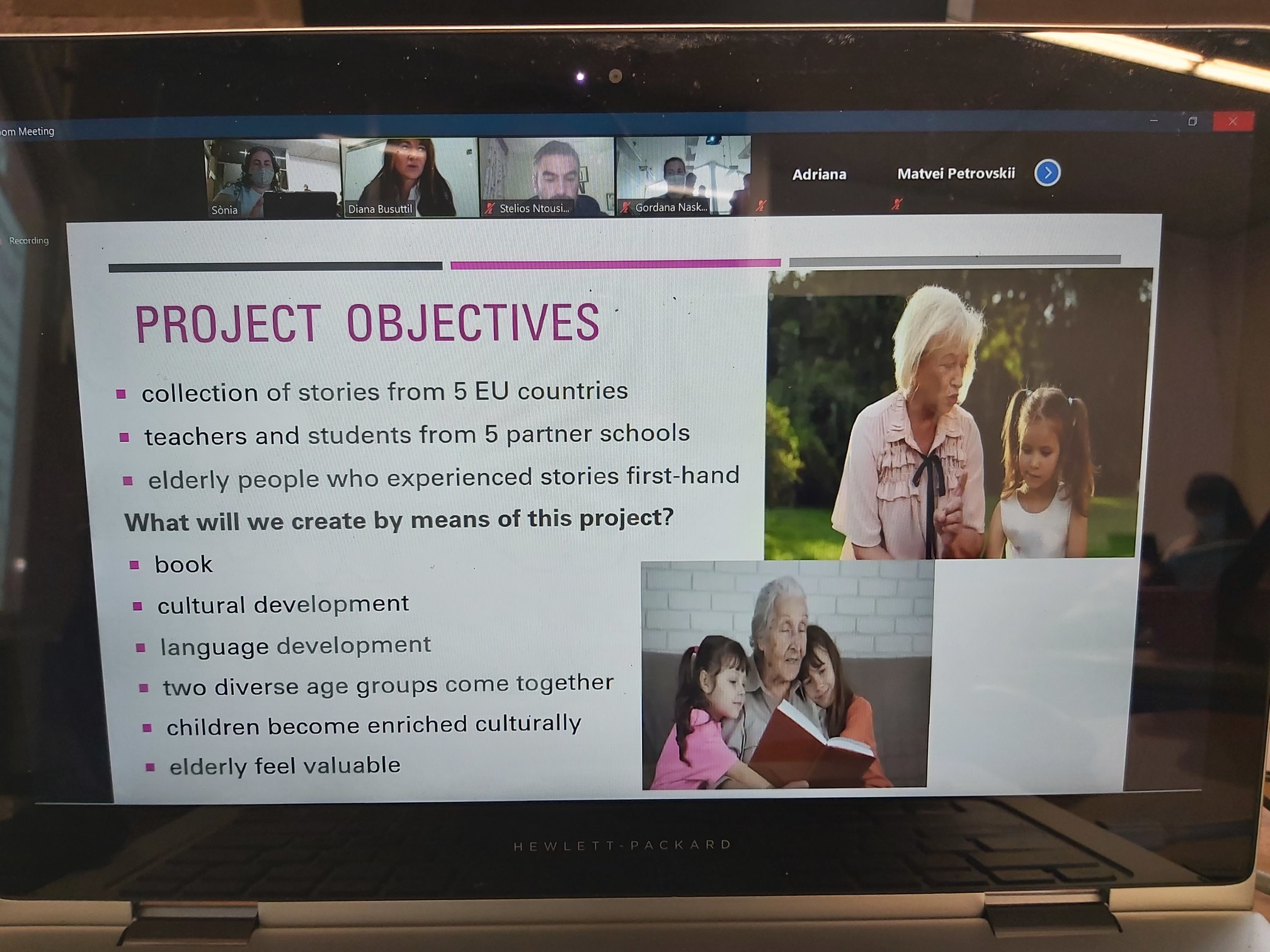
This project has the following objectives:
-
- Use of storytelling as an educational methodology.
-
- Recognition of the importance of the oral transmission of stories as a social and cultural activity, for the purpose of entertainment, education, cultural preservation, and inspiring moral values.
-
- Valorisation and social inclusion of the elderly as a disseminator of the oral tradition to the following generations.
-
- Know stories of oral tradition from other countries.
-
- Know different traditions, customs, and cultural values of other countries.
-
- Learn to work with students from other countries to achieve a common project.
Methodology:
The centre receives 10 elderly people who have a relevant personal history to tell. As our centre take measures to promote gender equality, there are 5 men and 5 women: Camila Kleiner, Carme Ayguavives, Mia Casellas, Pilar busquets, Pilar Valls, Joan Masaller, Josep Cano, Josep Lluís Massó, Narcís Reixach, Ponç Feliu.
Some of the speakers are part of the Project Great Experts of the Program of Elderly People of Càritas Diocesanes of Girona, and they have already worked their talks because they offer them in primary schools. Through the talks there is an interesting transfer of experiences from one generation to another. (The school also implements in the 4th year of ESO the Càritas program, “Sponsor an elderly person”).
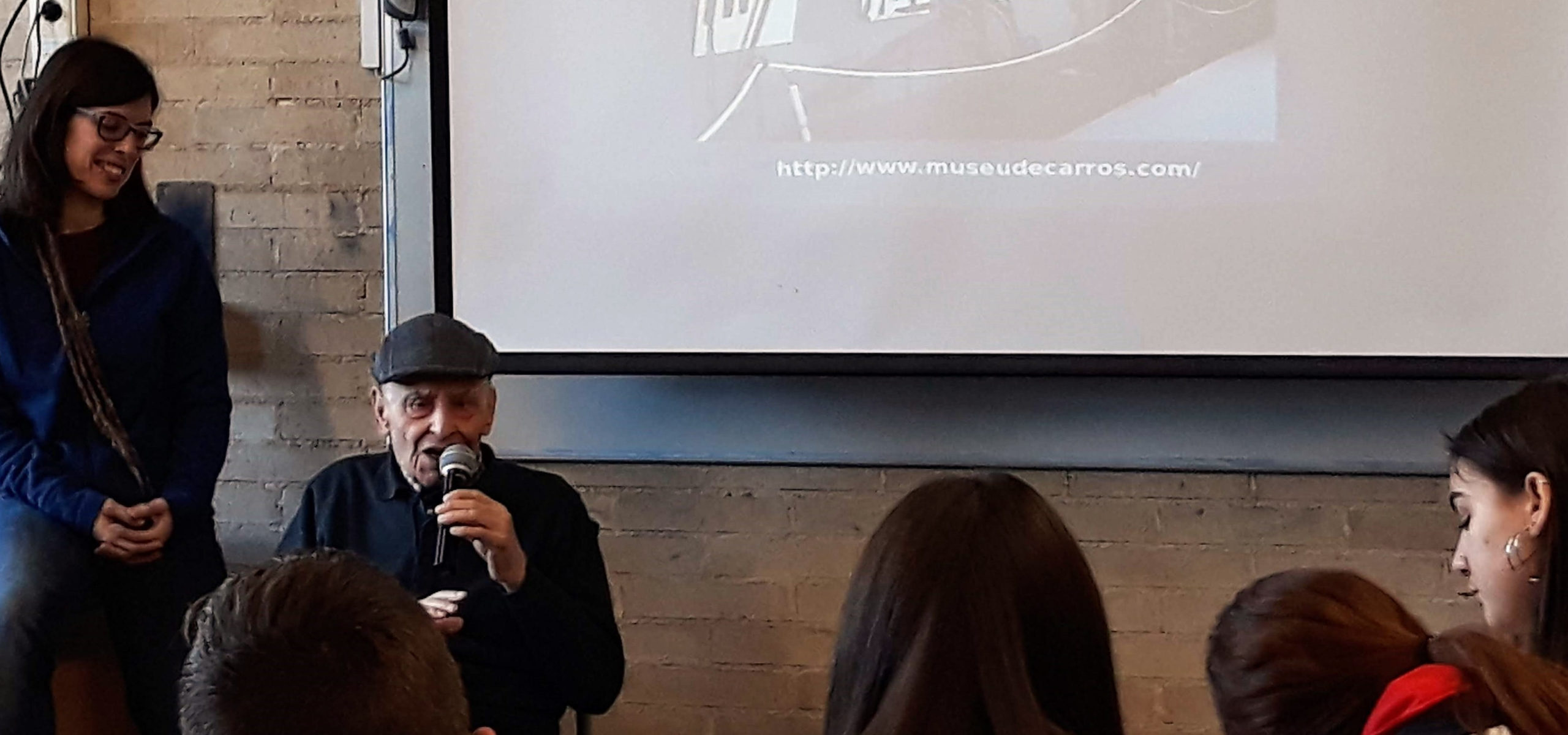
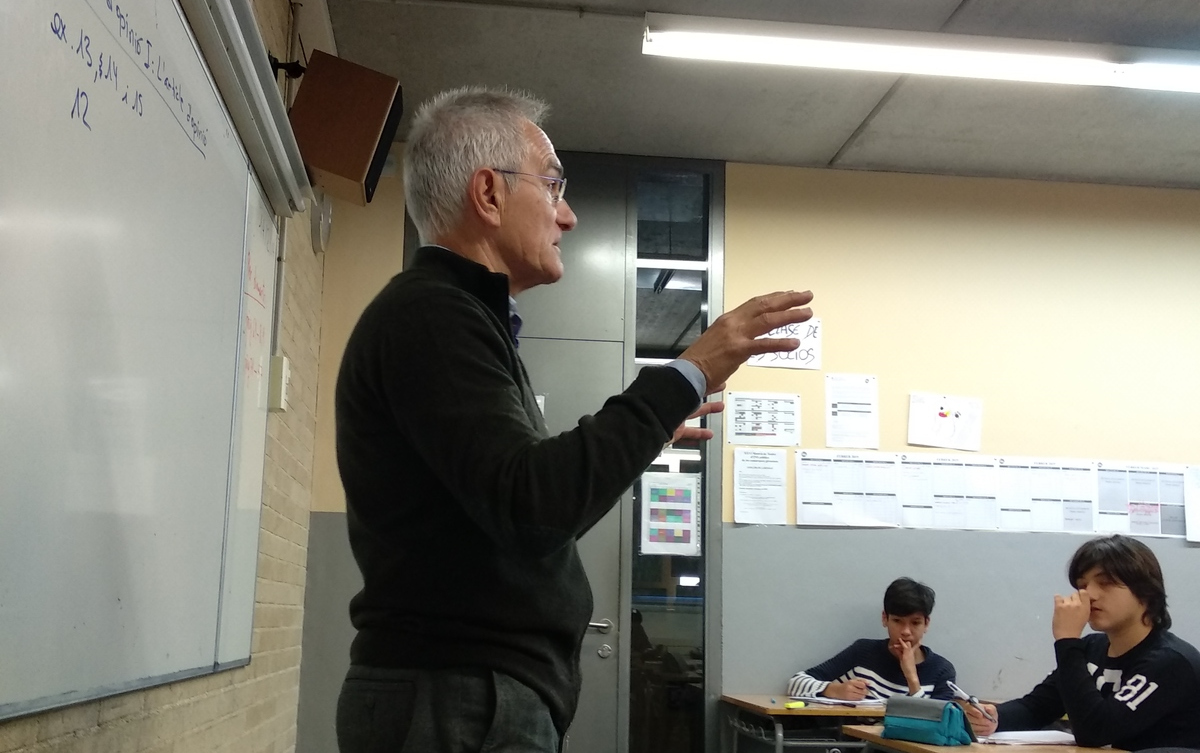
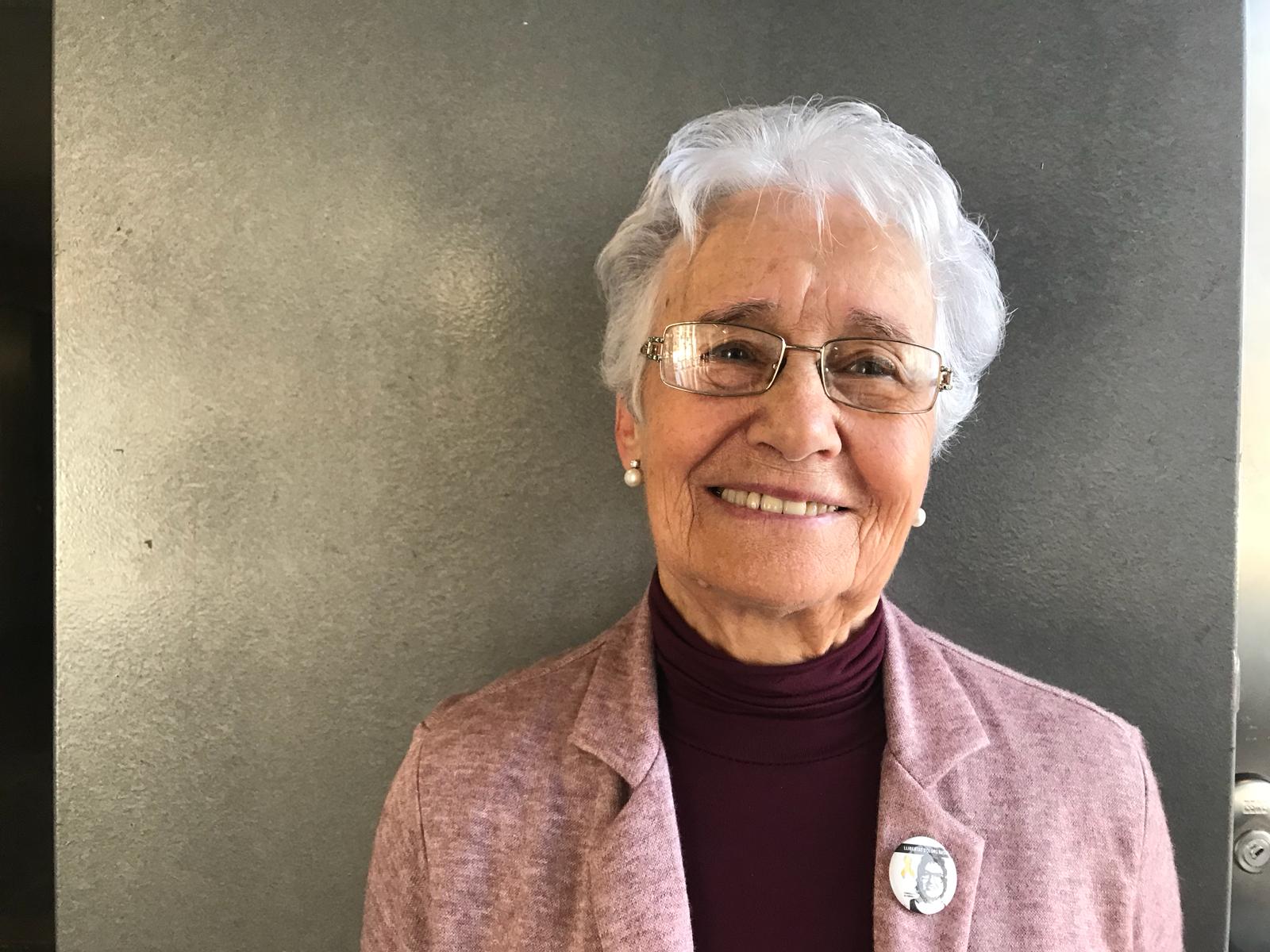
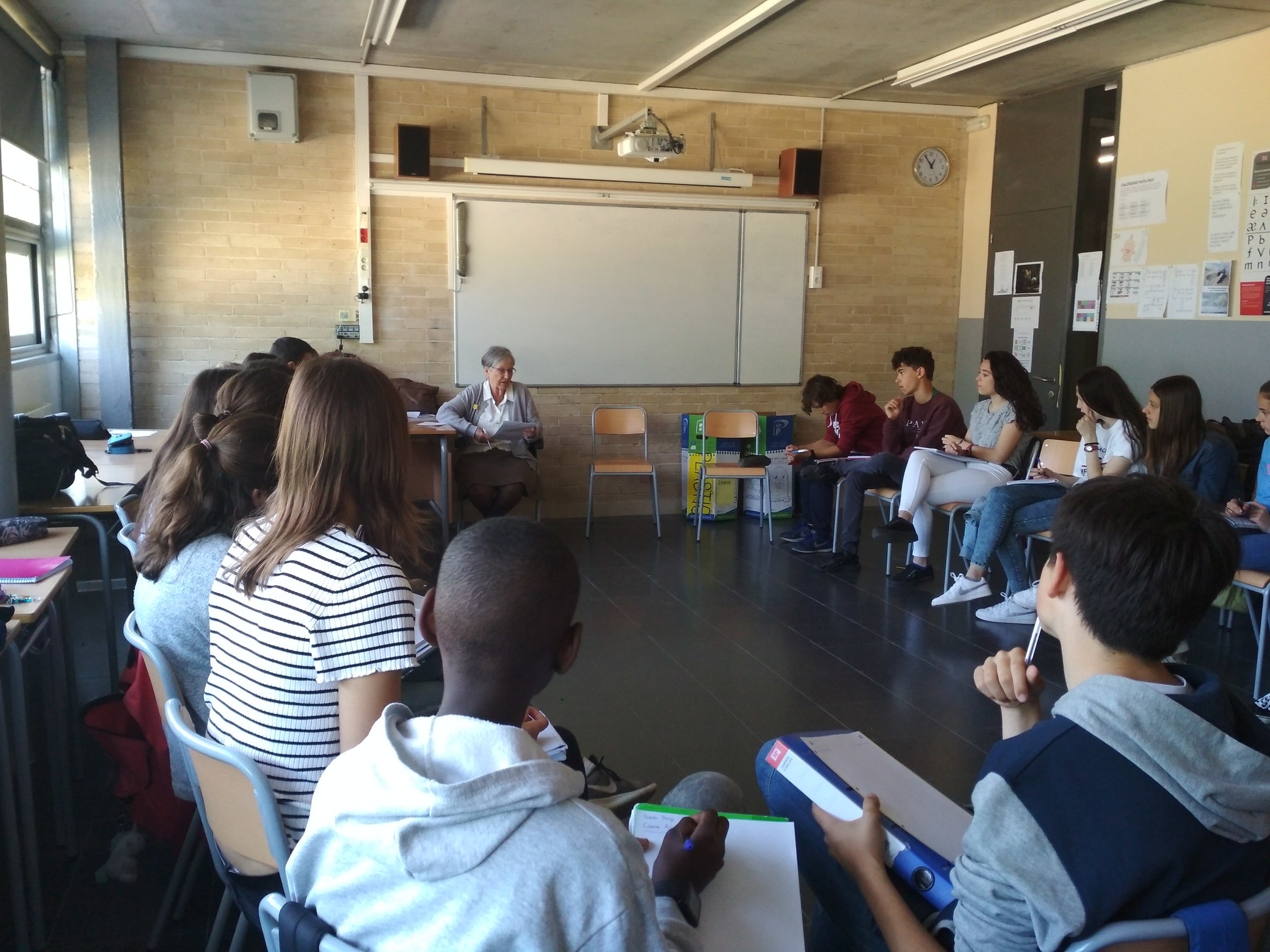
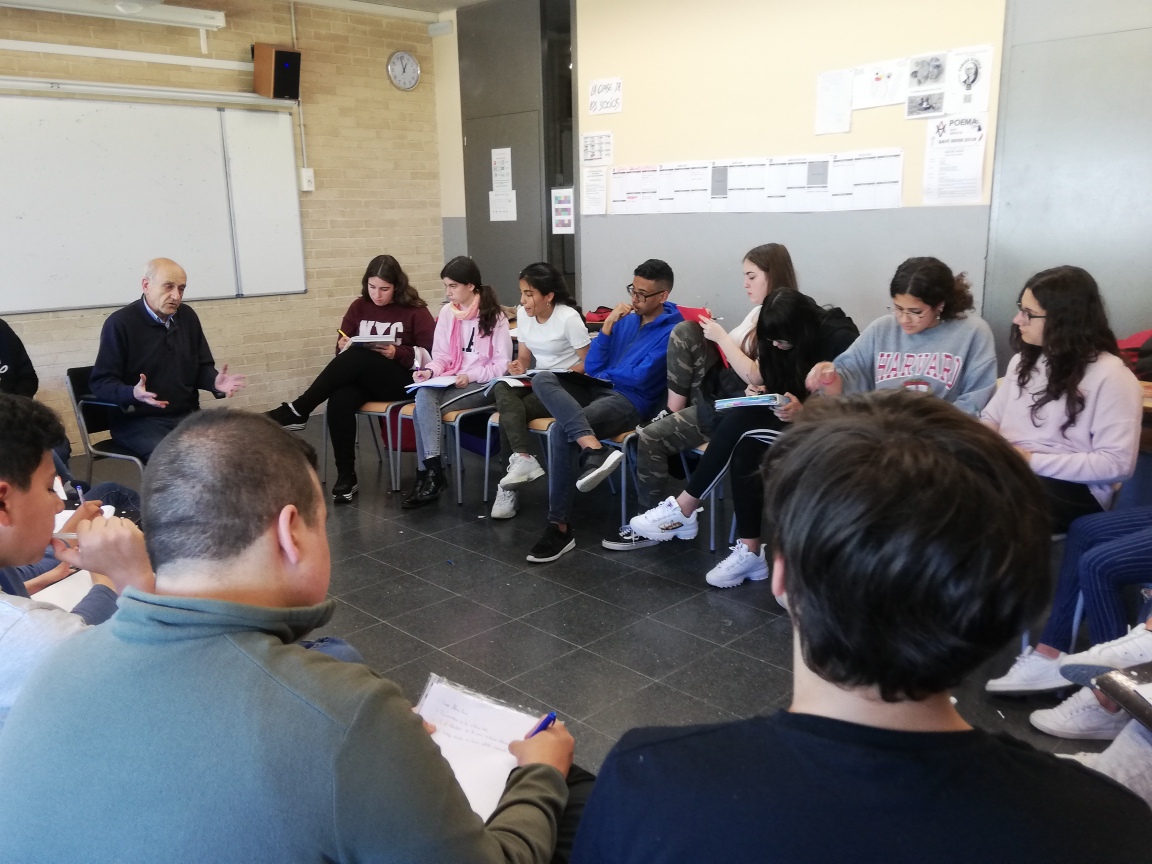
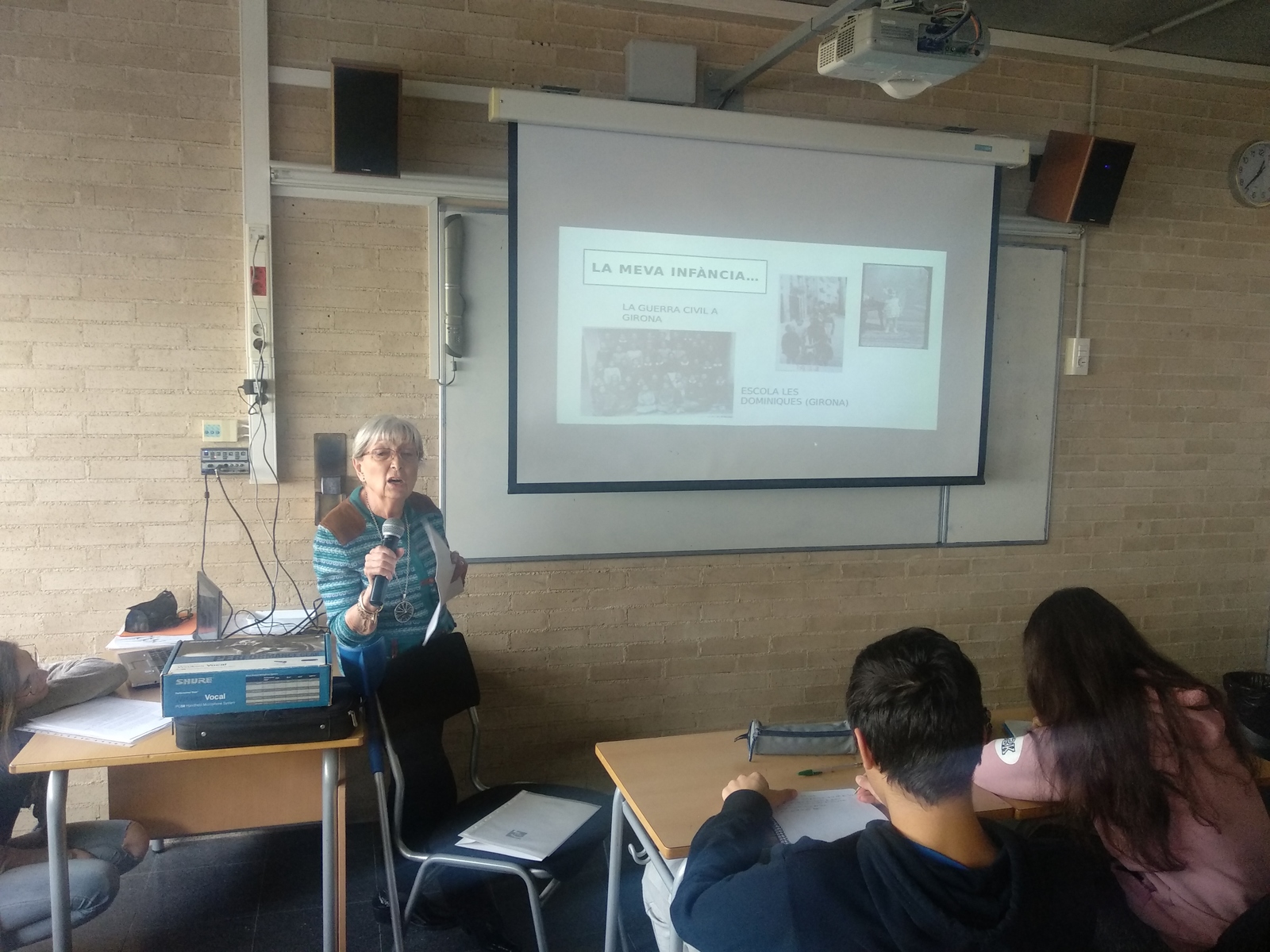

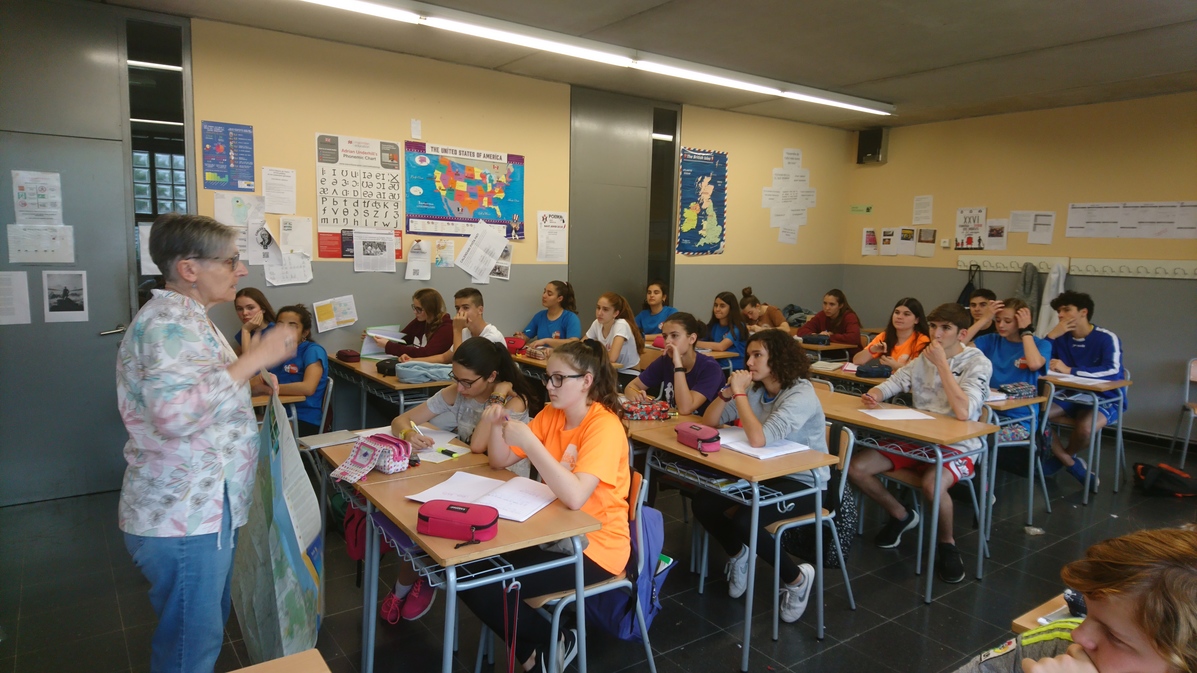
All 3rd year students listen to the talks and, as a linguistic activity, they write about it. The best are chosen, translated into English and illustrated.
Finally, a book is published with the stories provided by all the European centres of the project. In addition, each story is accompanied by a question that can be asked to the students to see if they have understood it. In the book you can also find a comparison between the stories of all countries, where you can see the similarities that exist in the narratives of countries so far from each other.

At the same time, at different times of the project, competitions are called for students:
-
- Design of the project logo. The best in each country are chosen. Finally, the best is chosen among the participating countries.
-
- Illustrations that should accompany the stories of the book. The best are chosen for the book.
The project contains several mobility of students and teachers funded entirely by the EU:
-
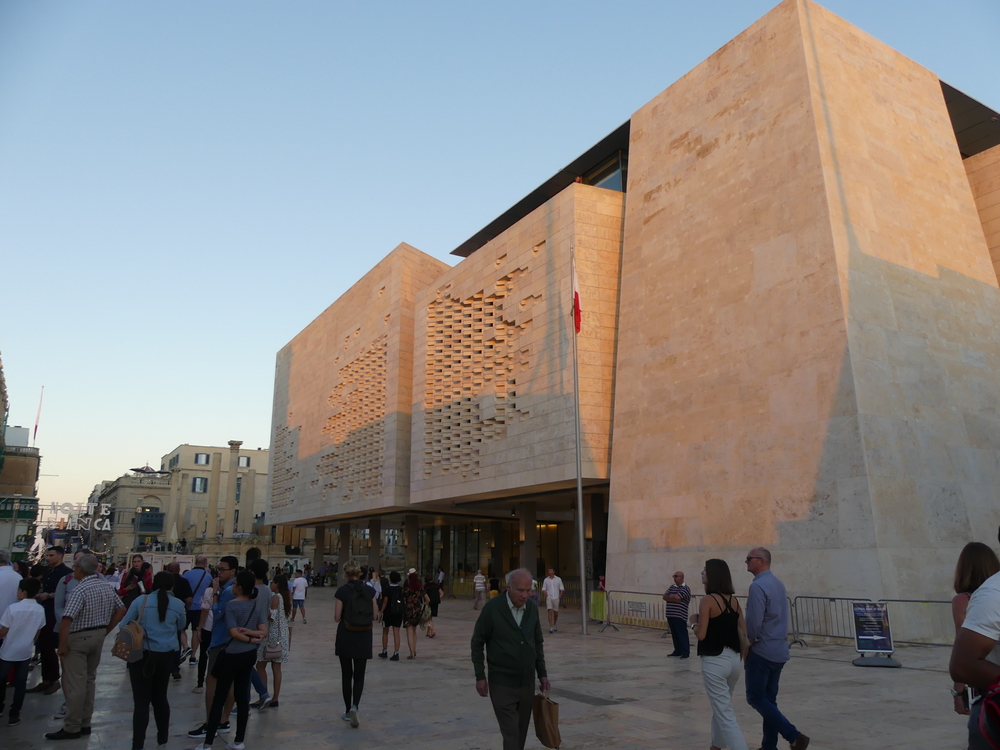
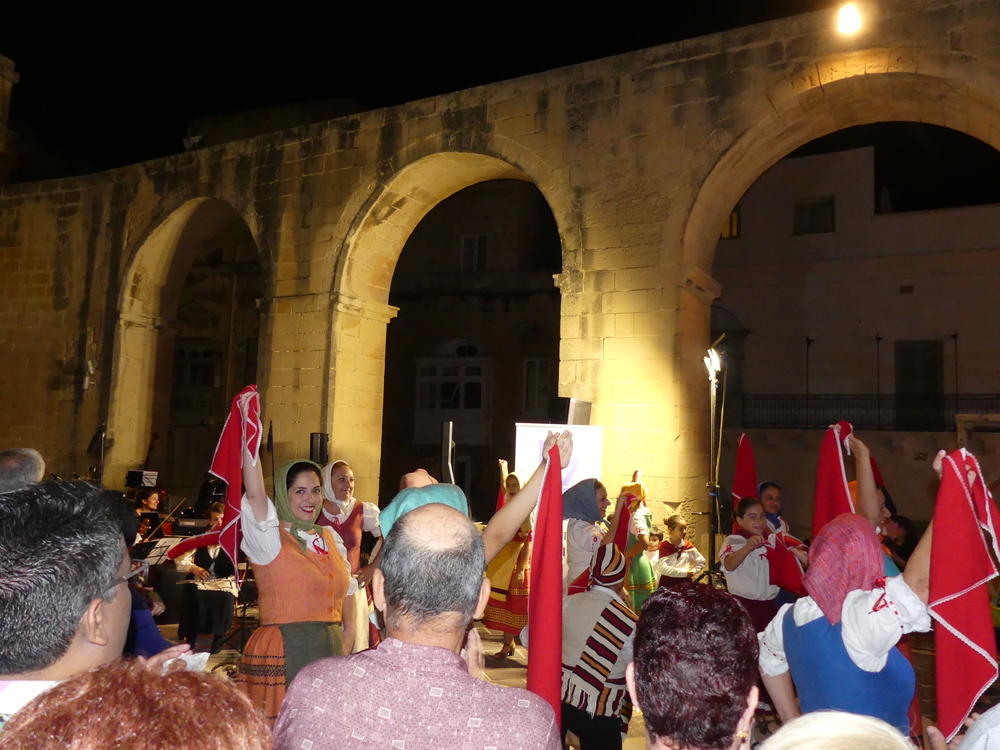
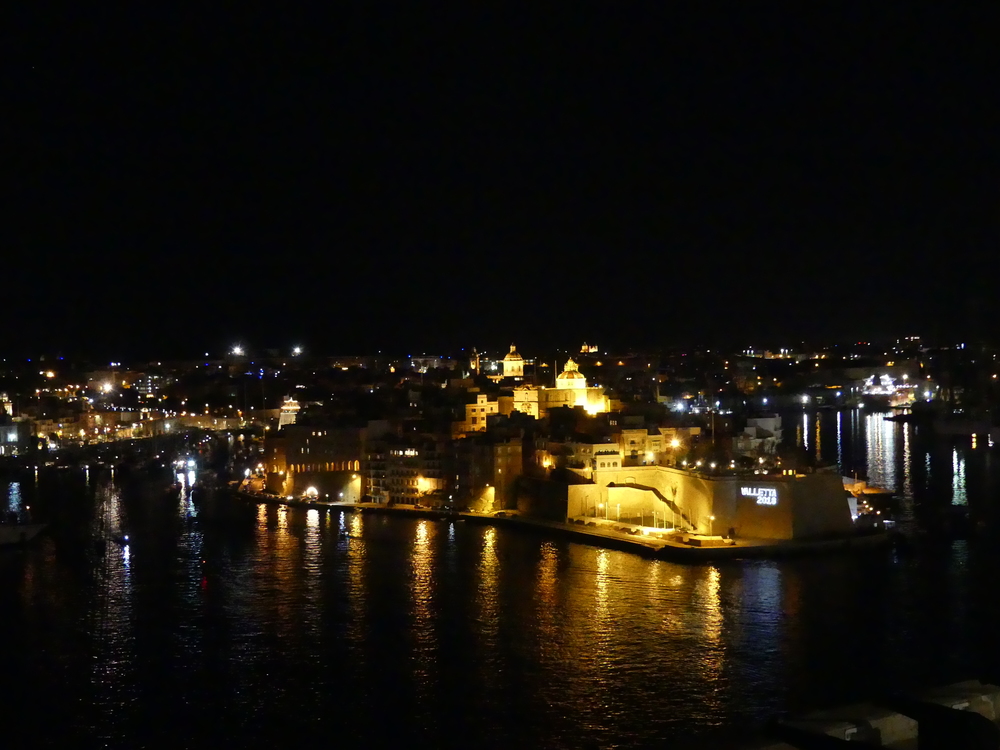
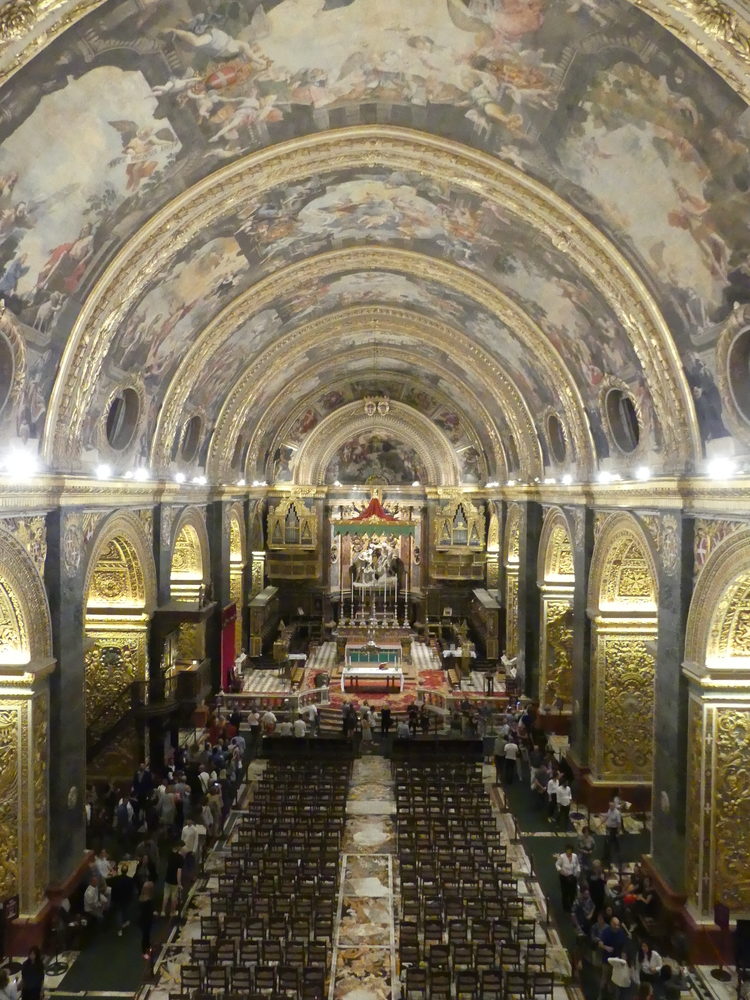
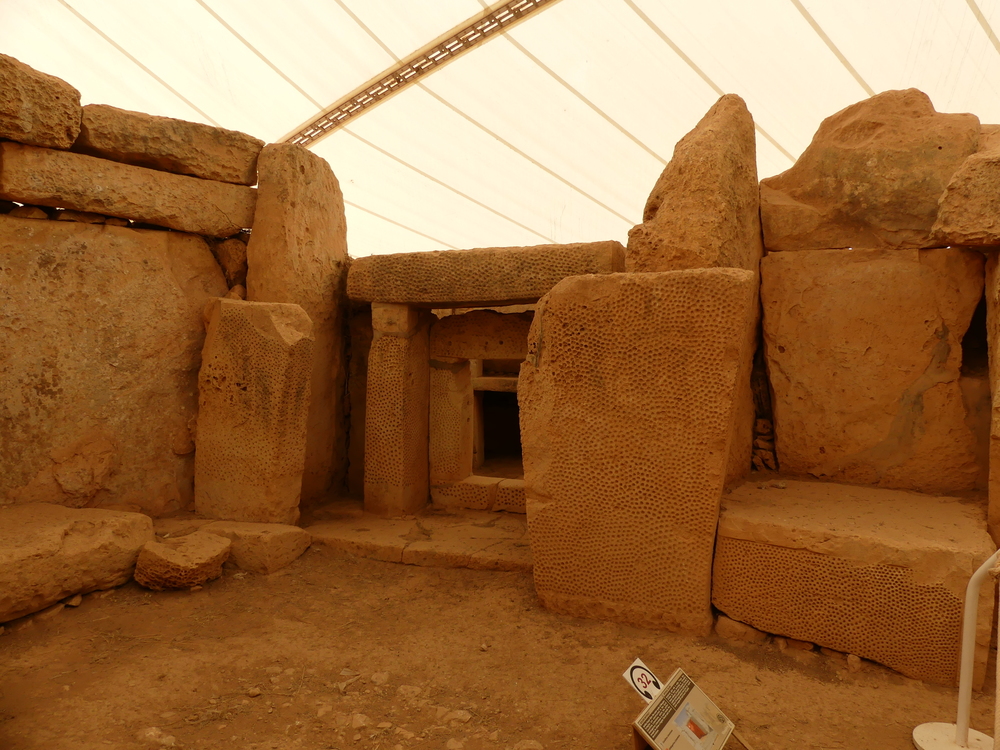
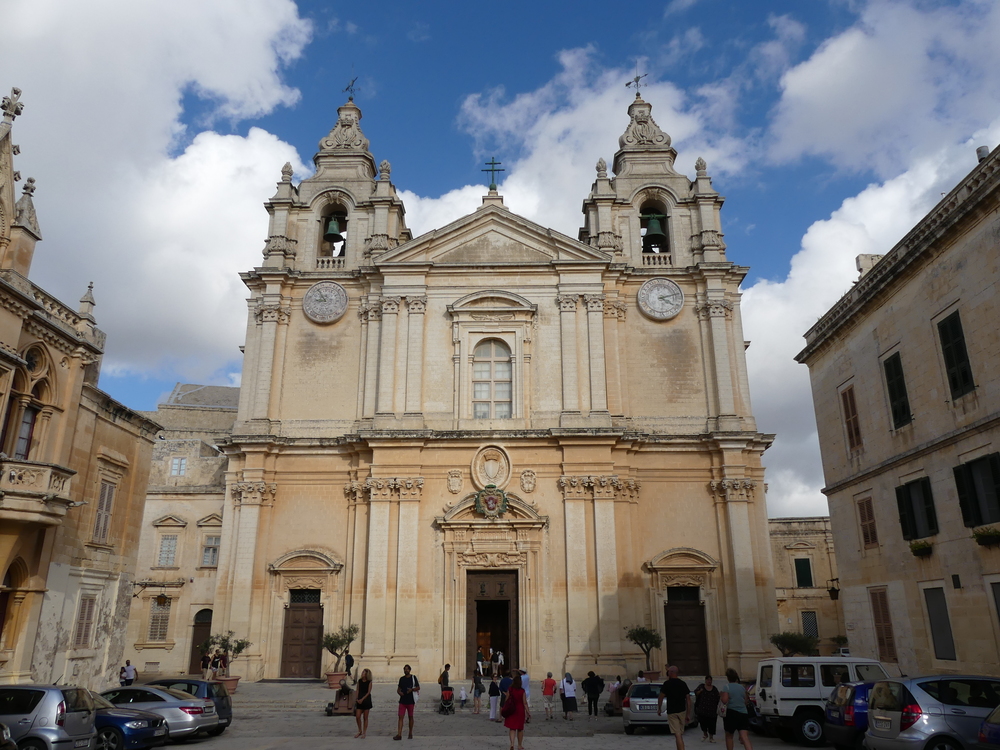
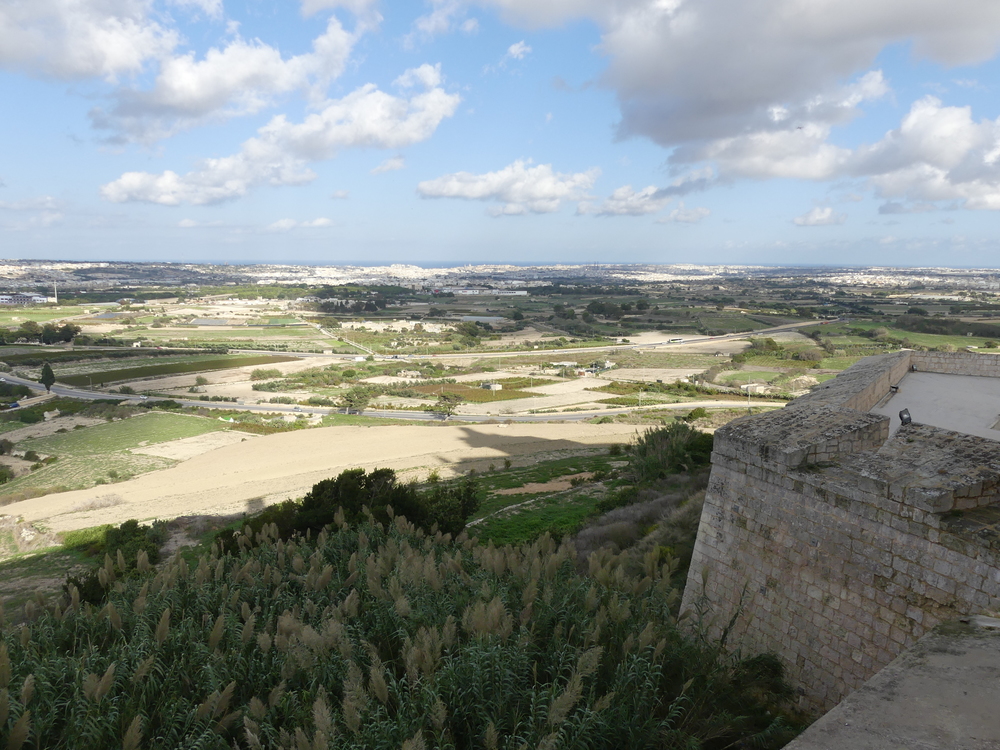
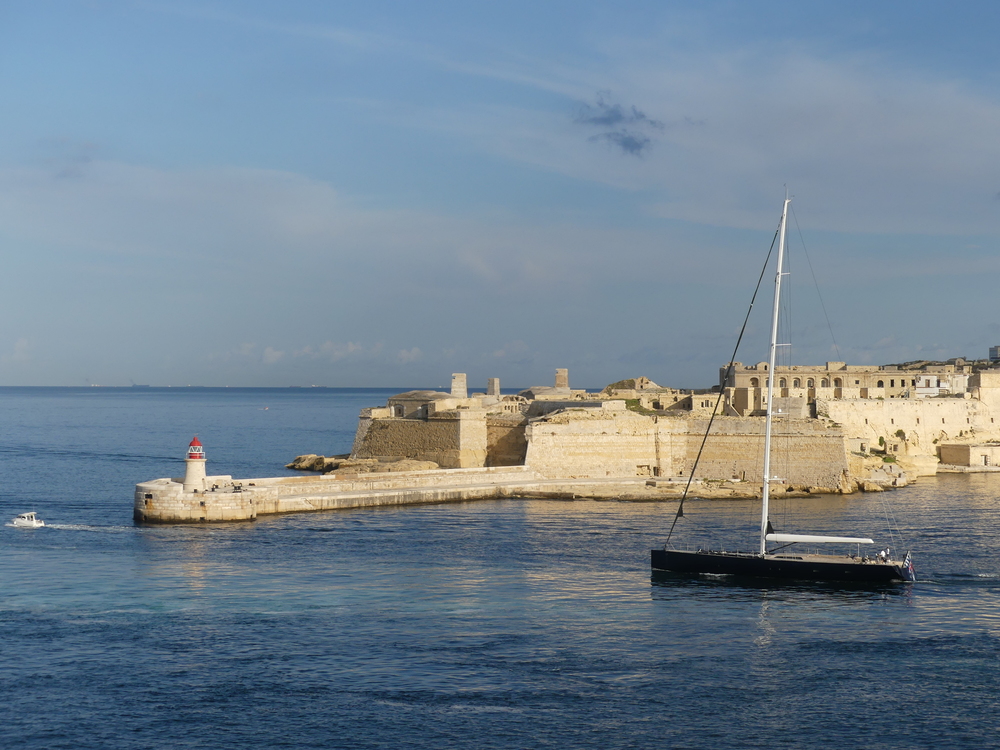
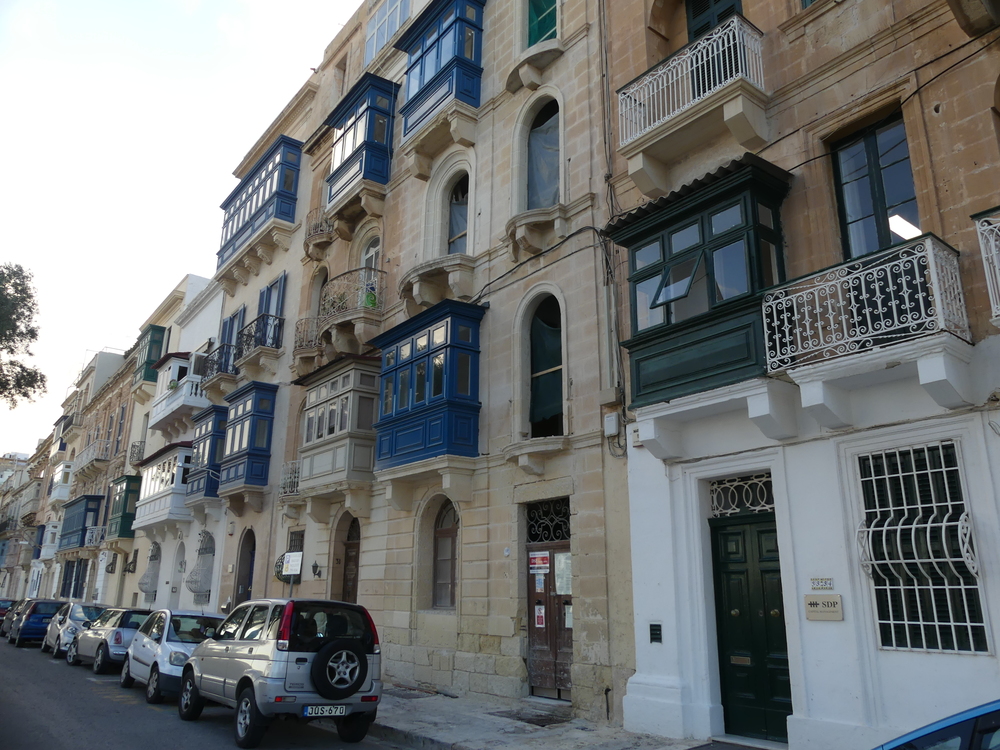
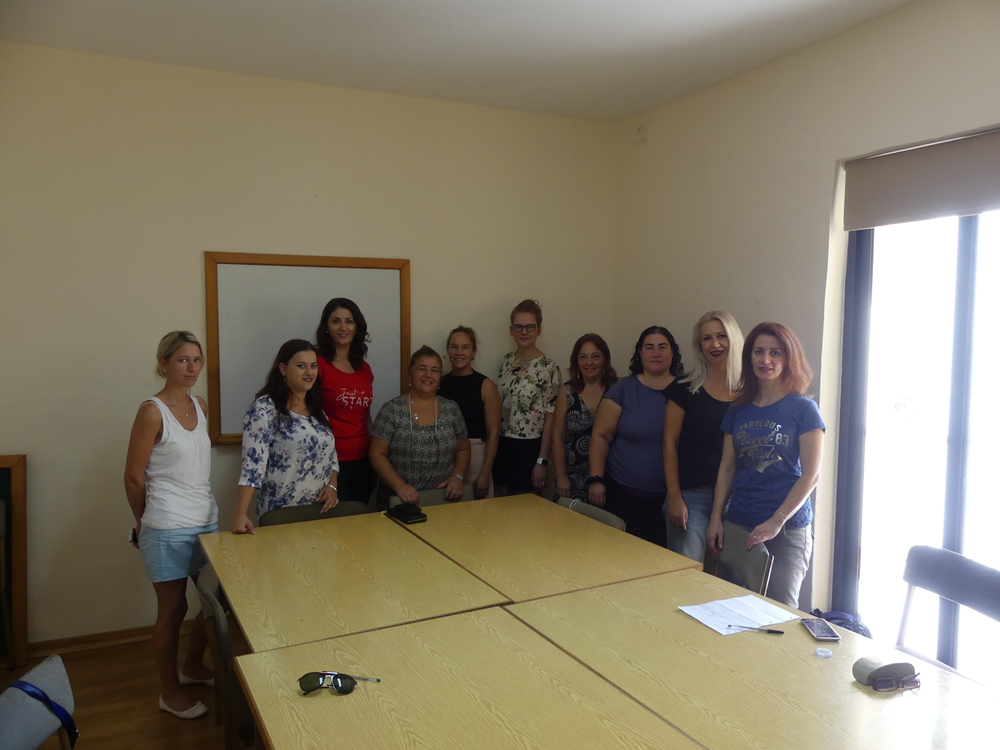
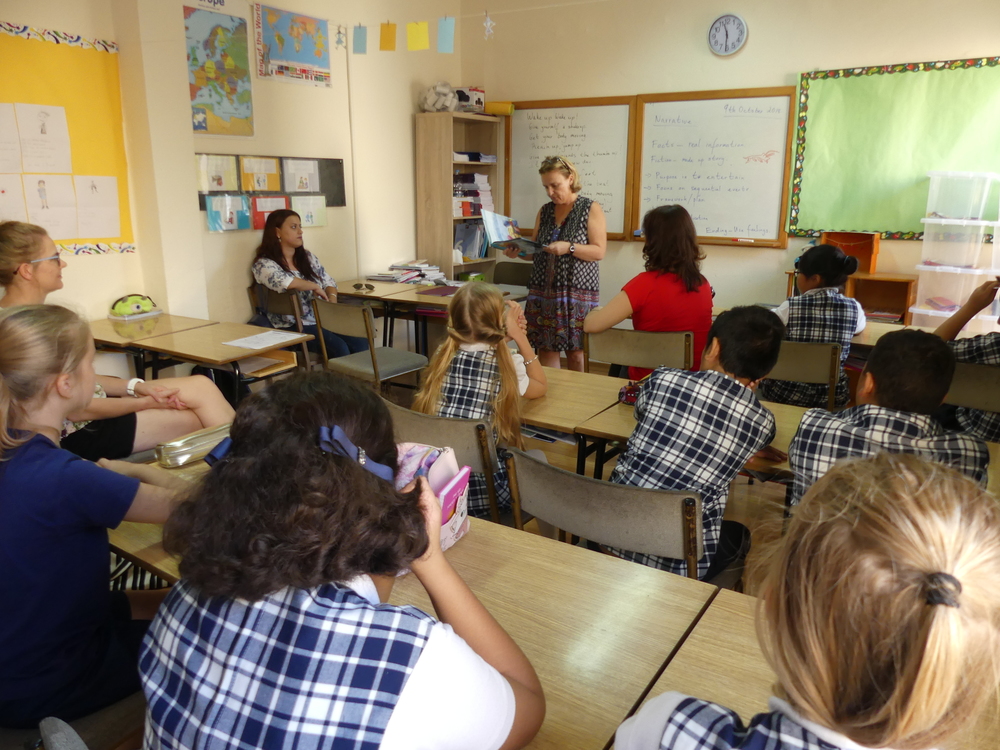
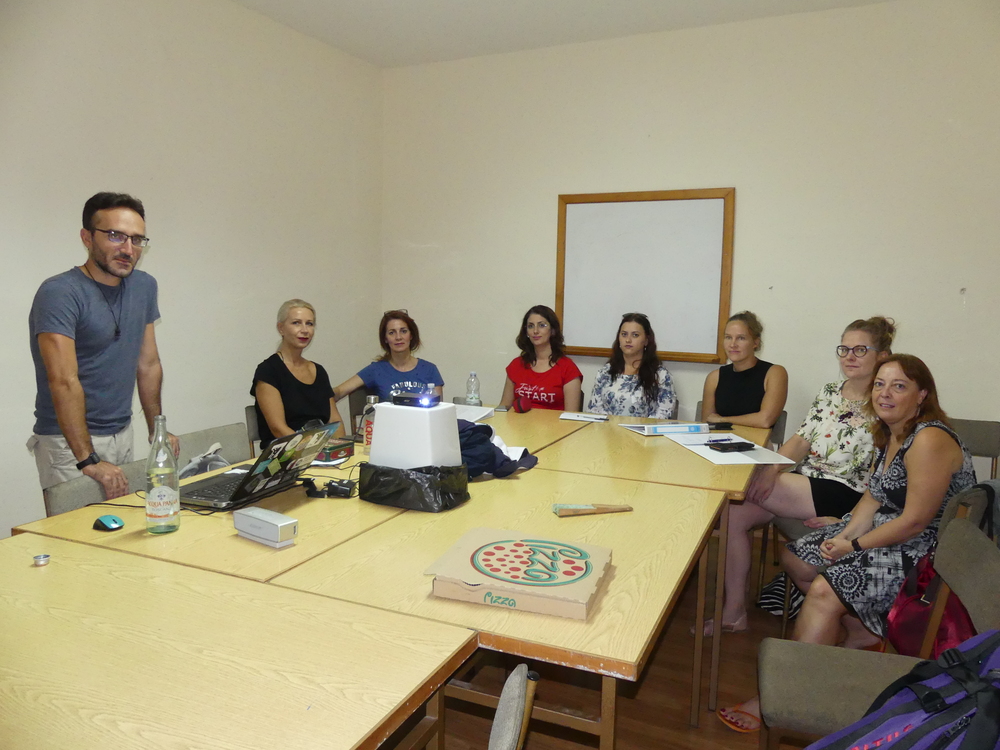
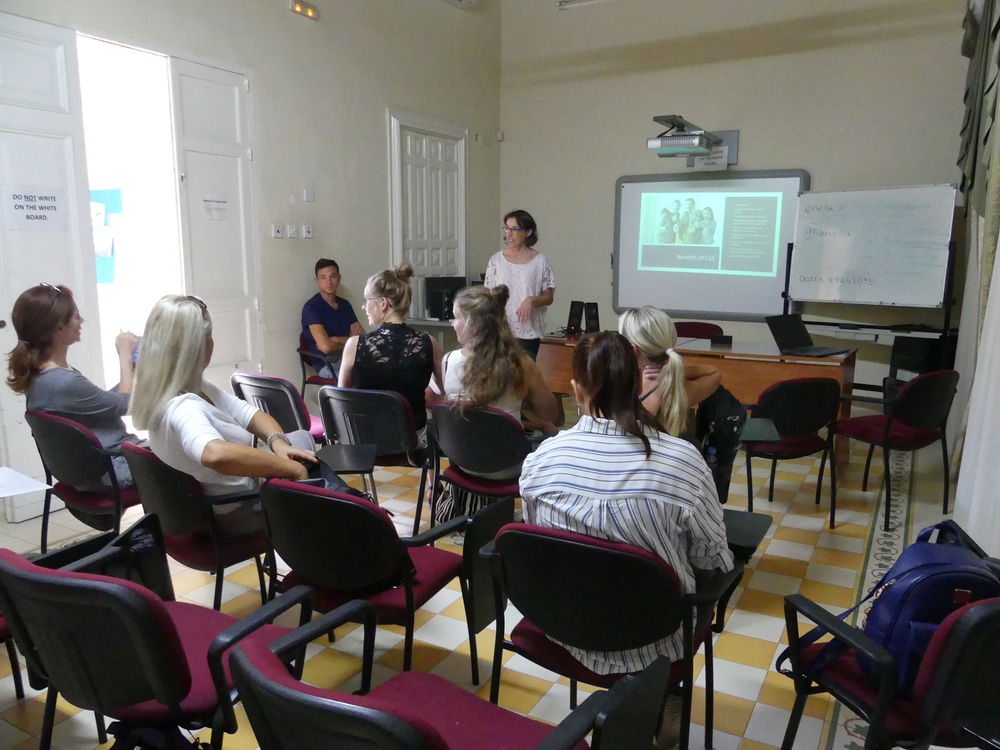
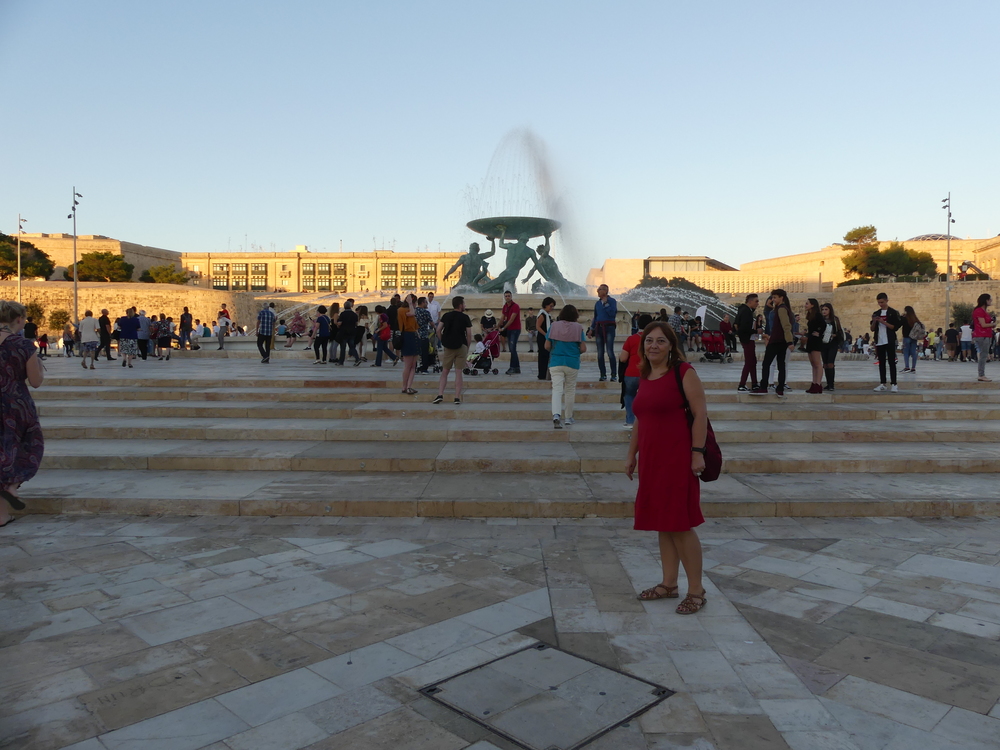
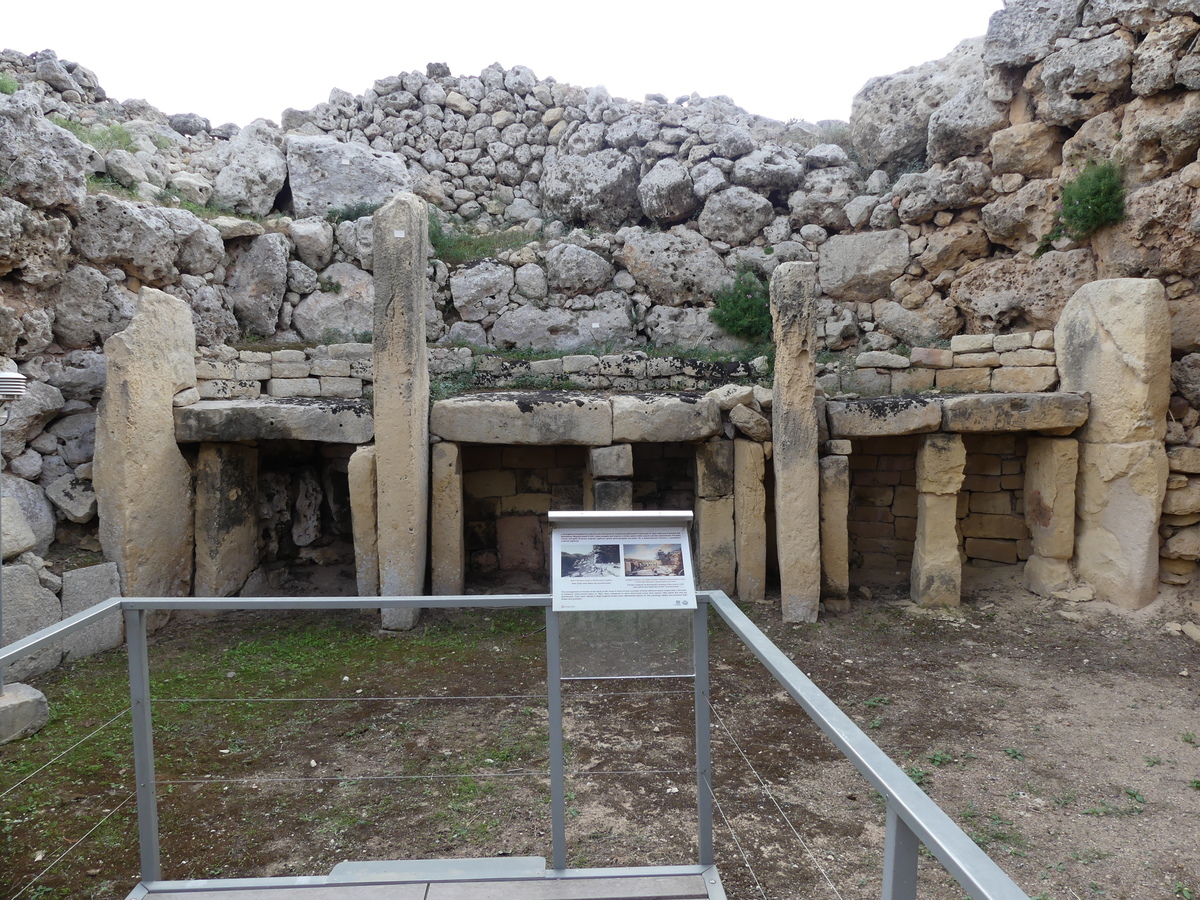
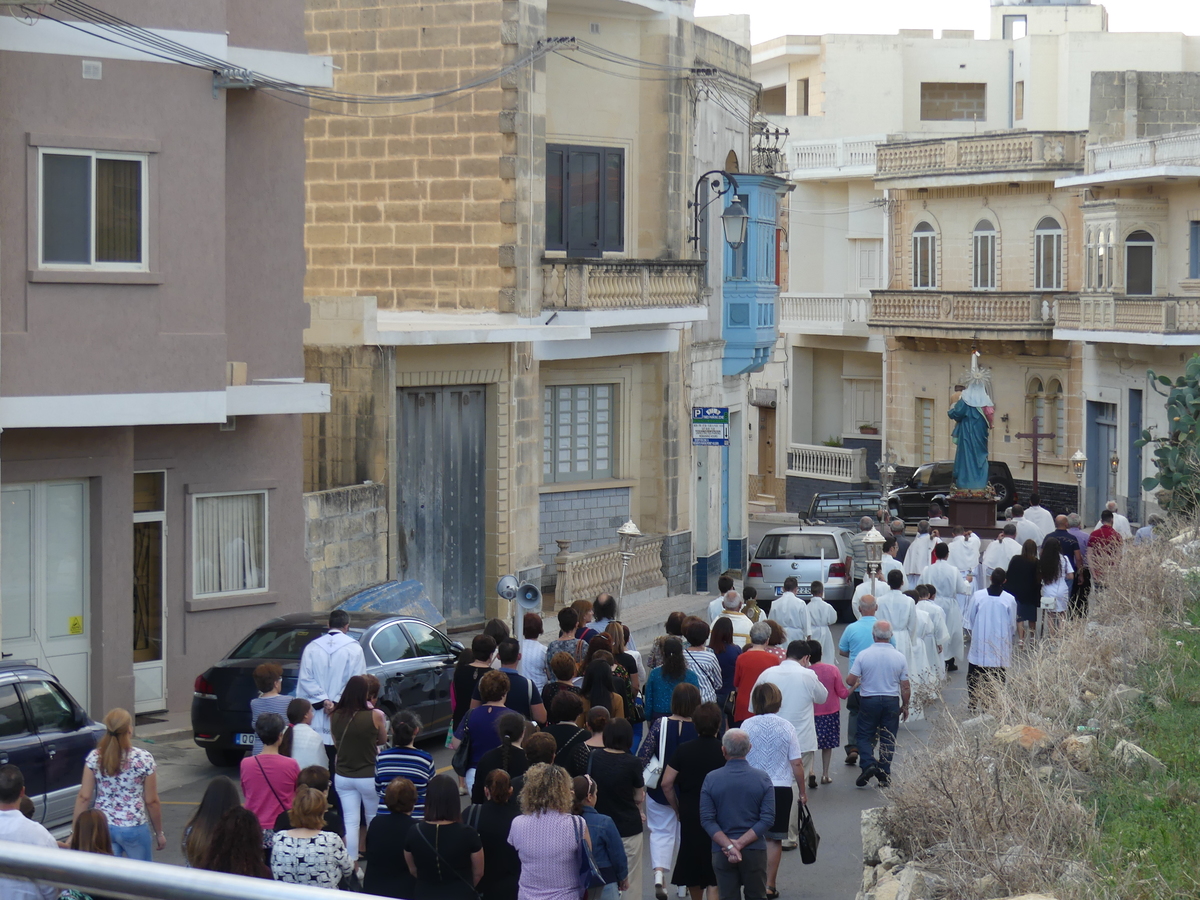
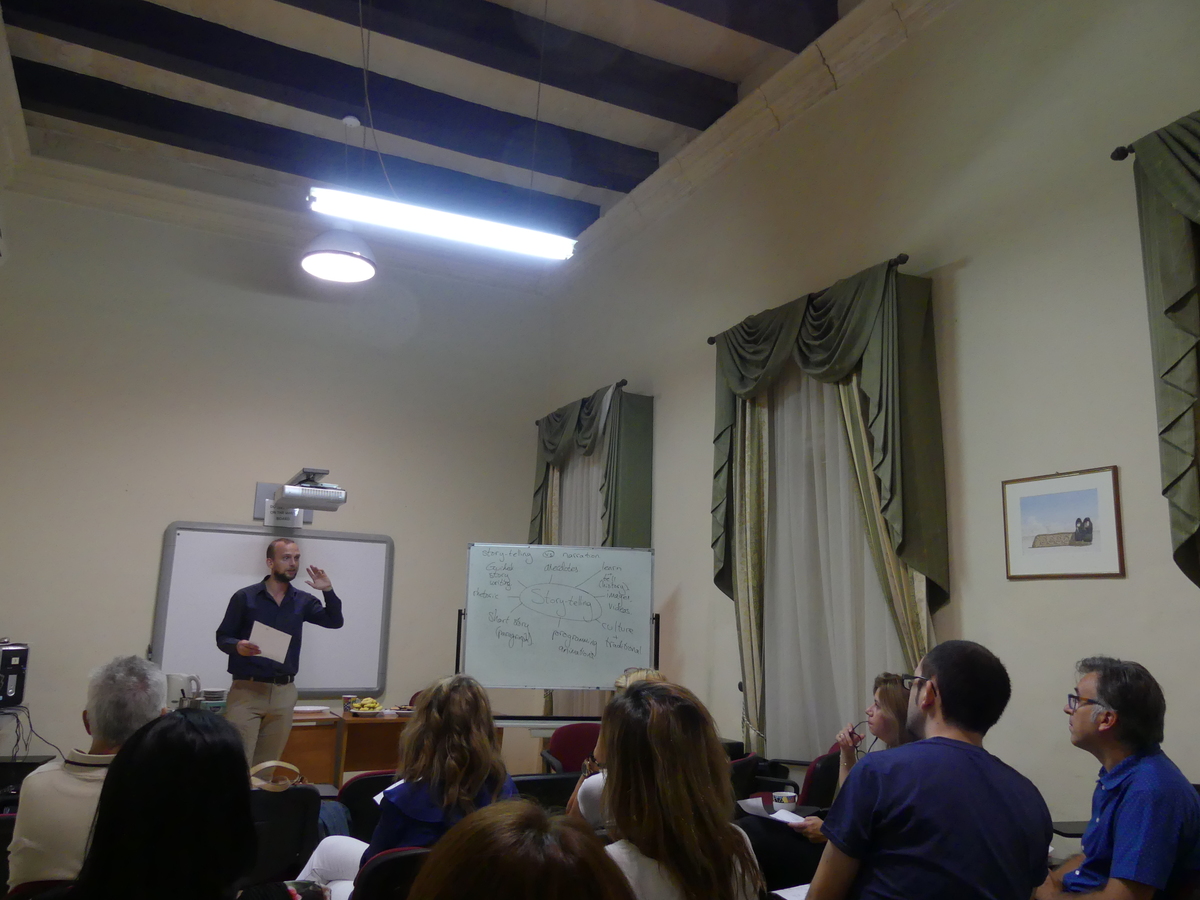
- October 2018 – Malta. 2 teachers travelled to receive specific storytelling training and hold the 1st project coordination meeting.
-
-
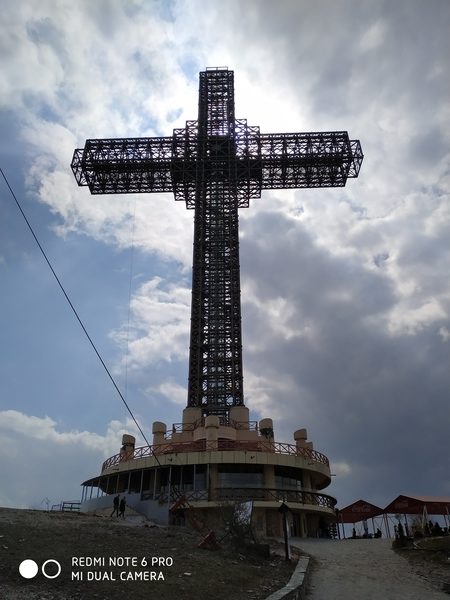
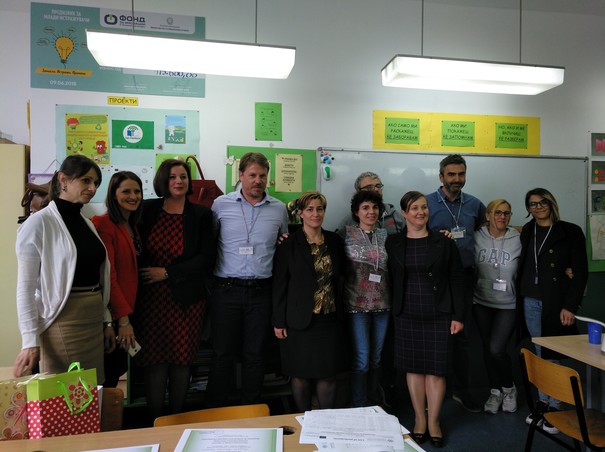
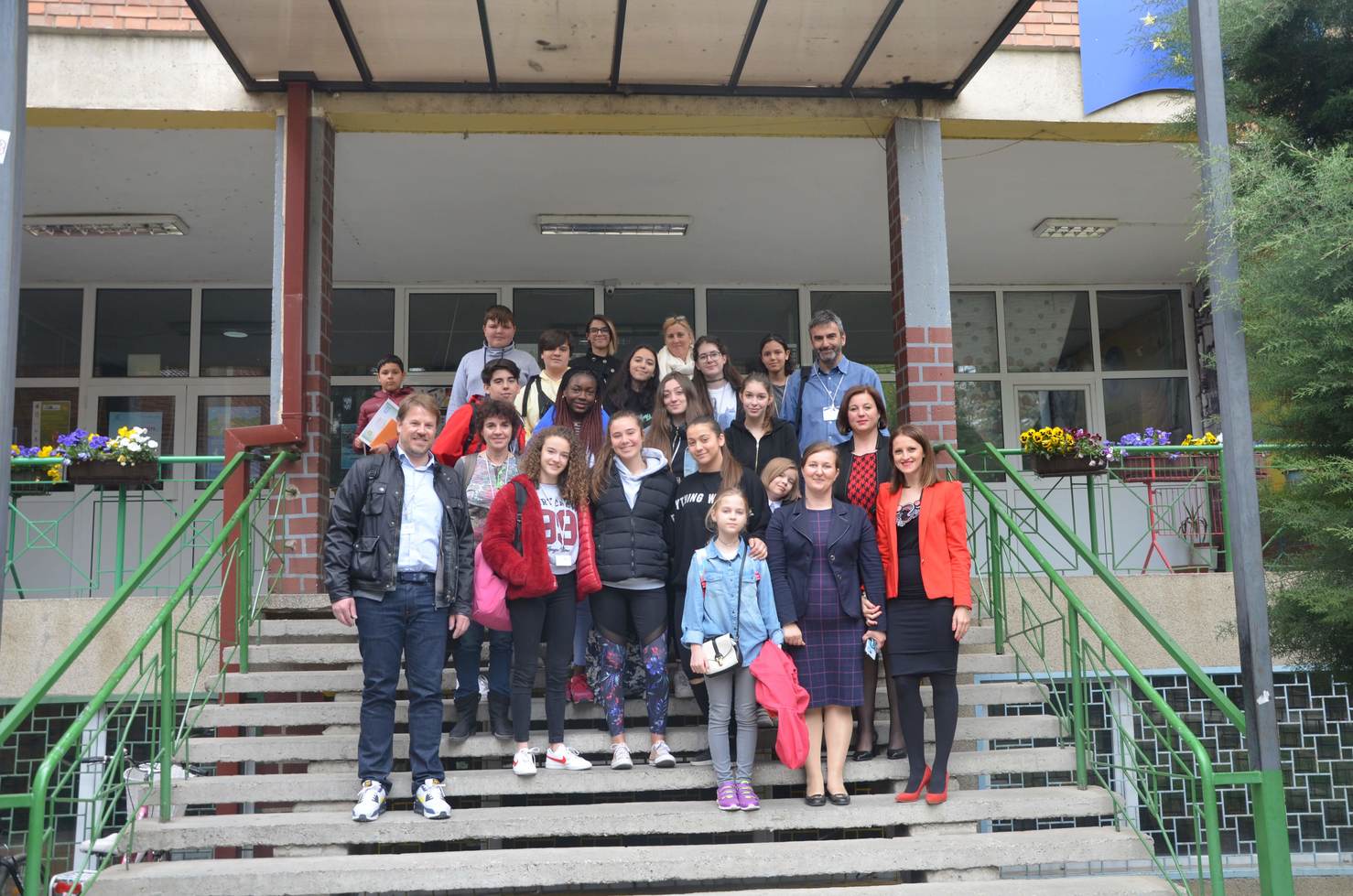
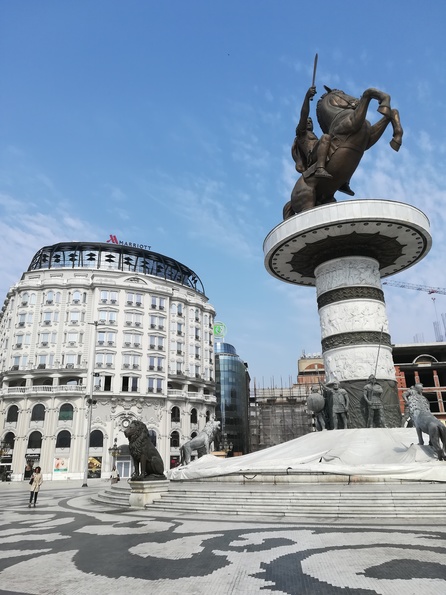
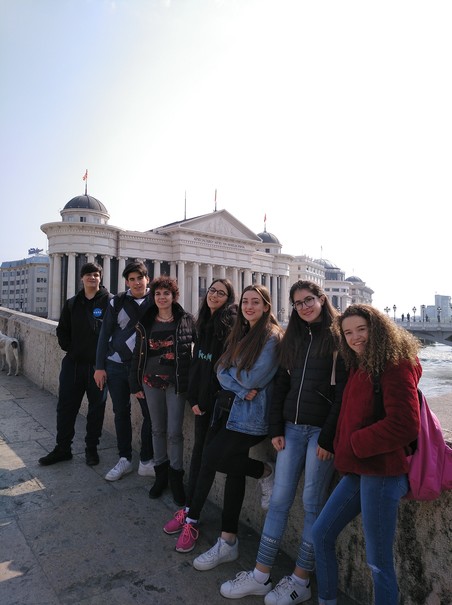
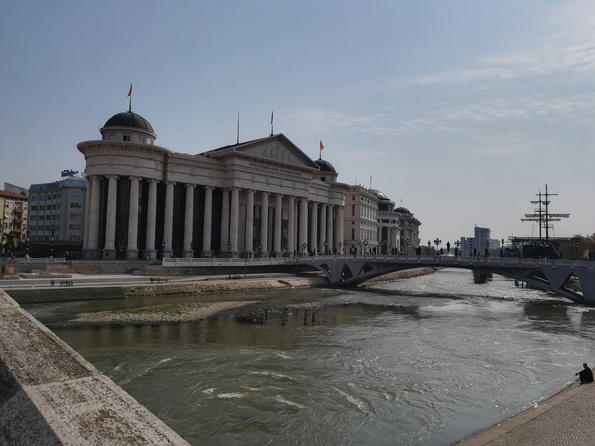
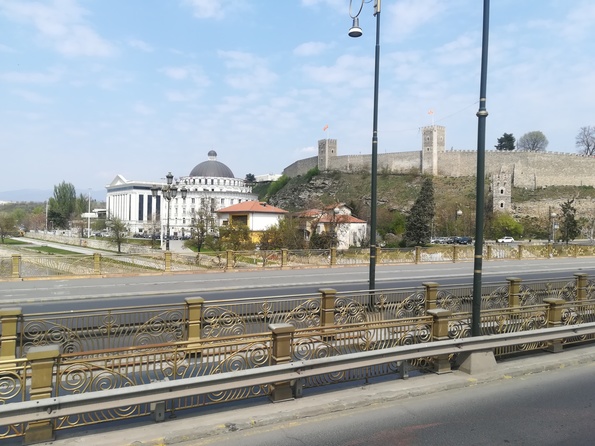
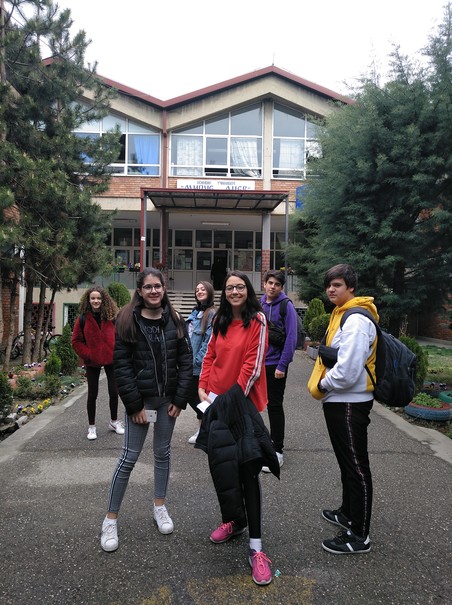
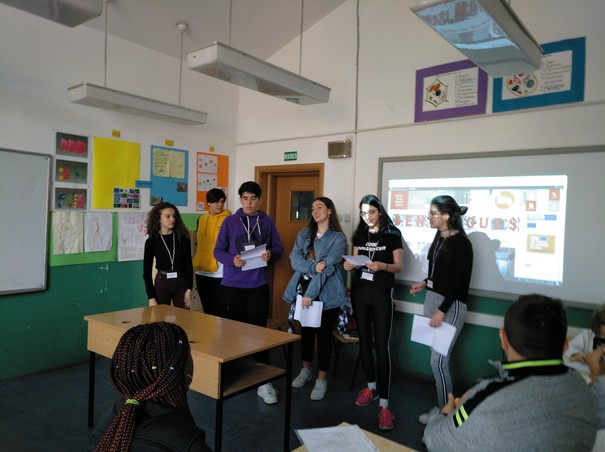
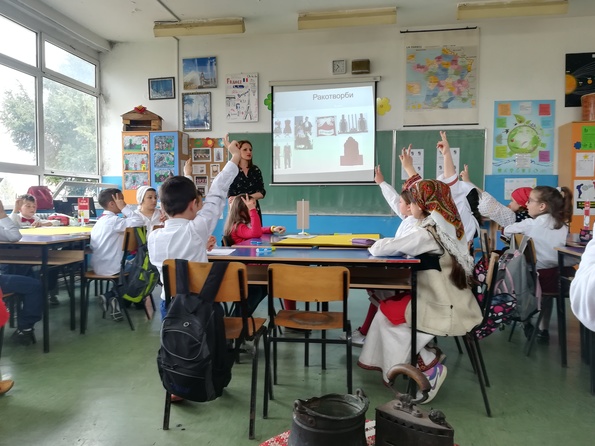
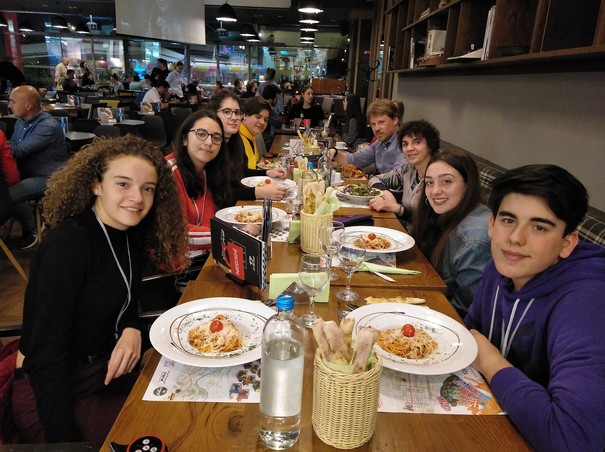
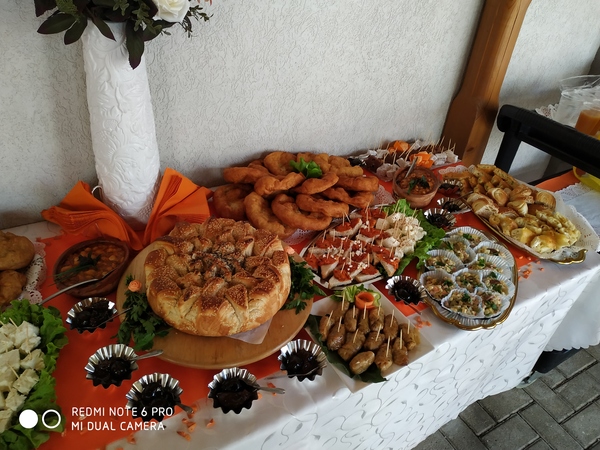
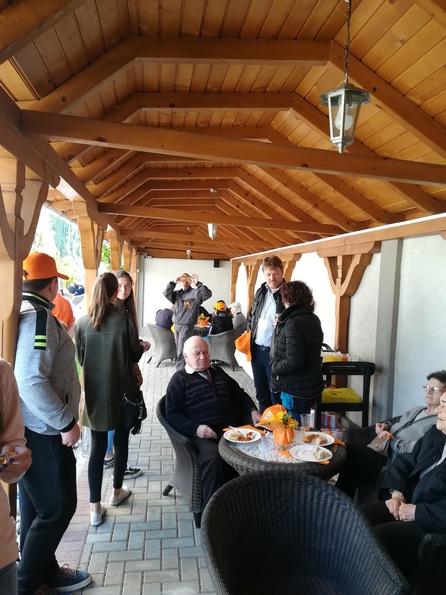
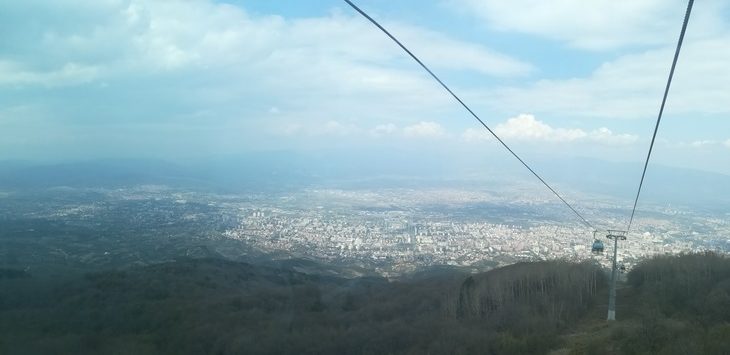
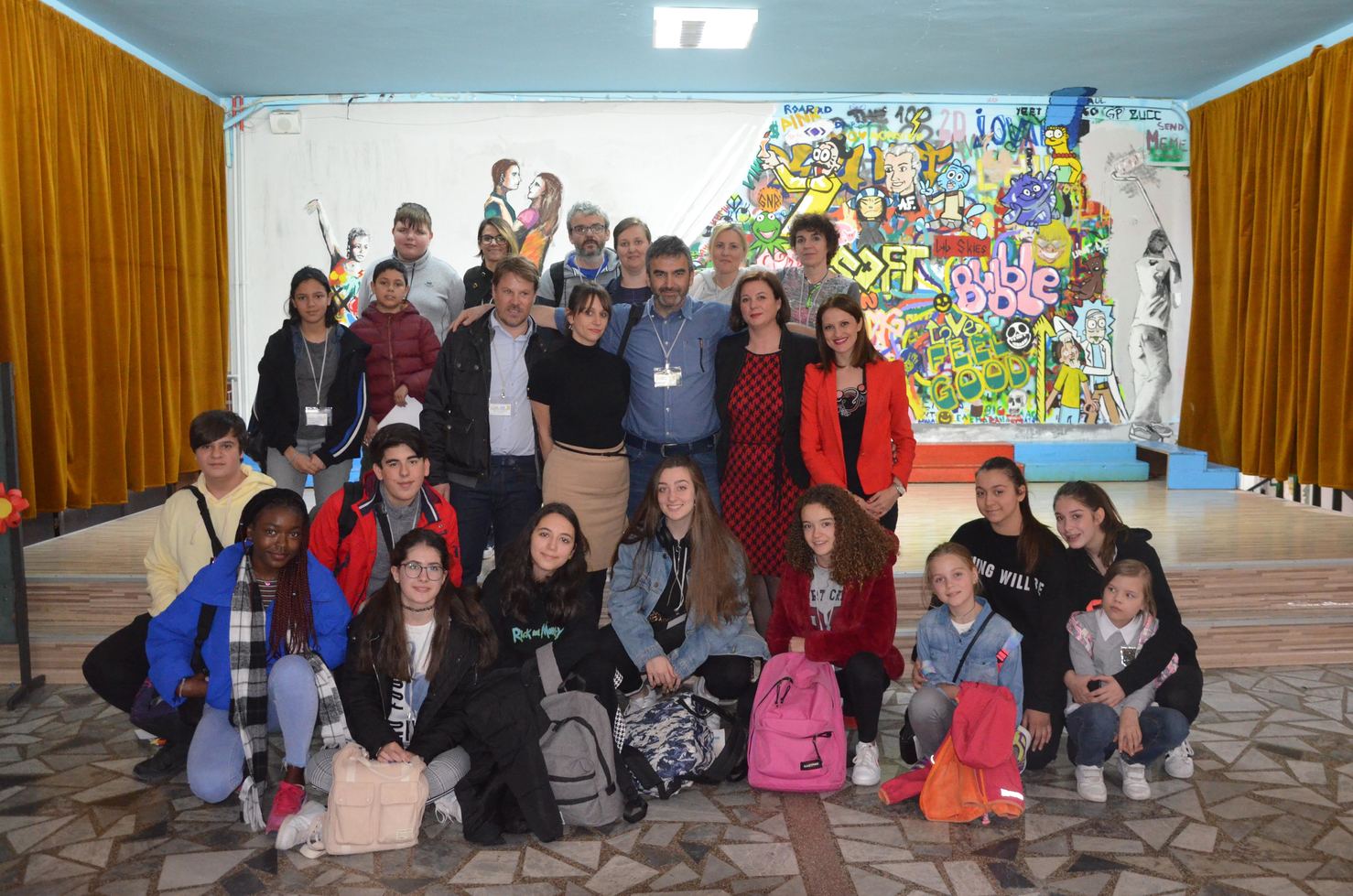
- April 2019 – North Macedonia. 2 teachers and 6 students (4 girls and 2 boys) participated in a meeting with other students from all the countries of the project. There they have carried out activities of the project, have seen their school, and have made cultural and tourist visits.
-
-
-
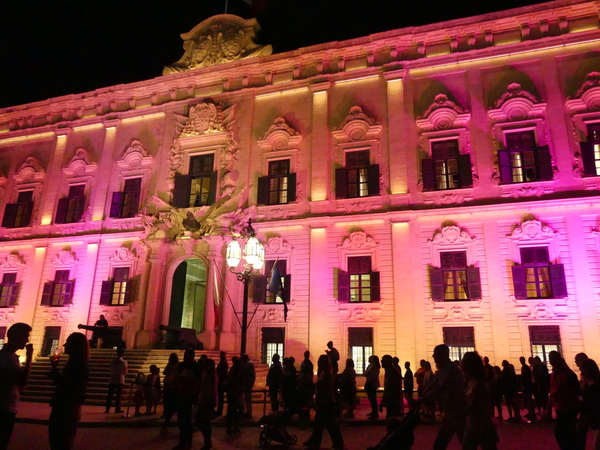
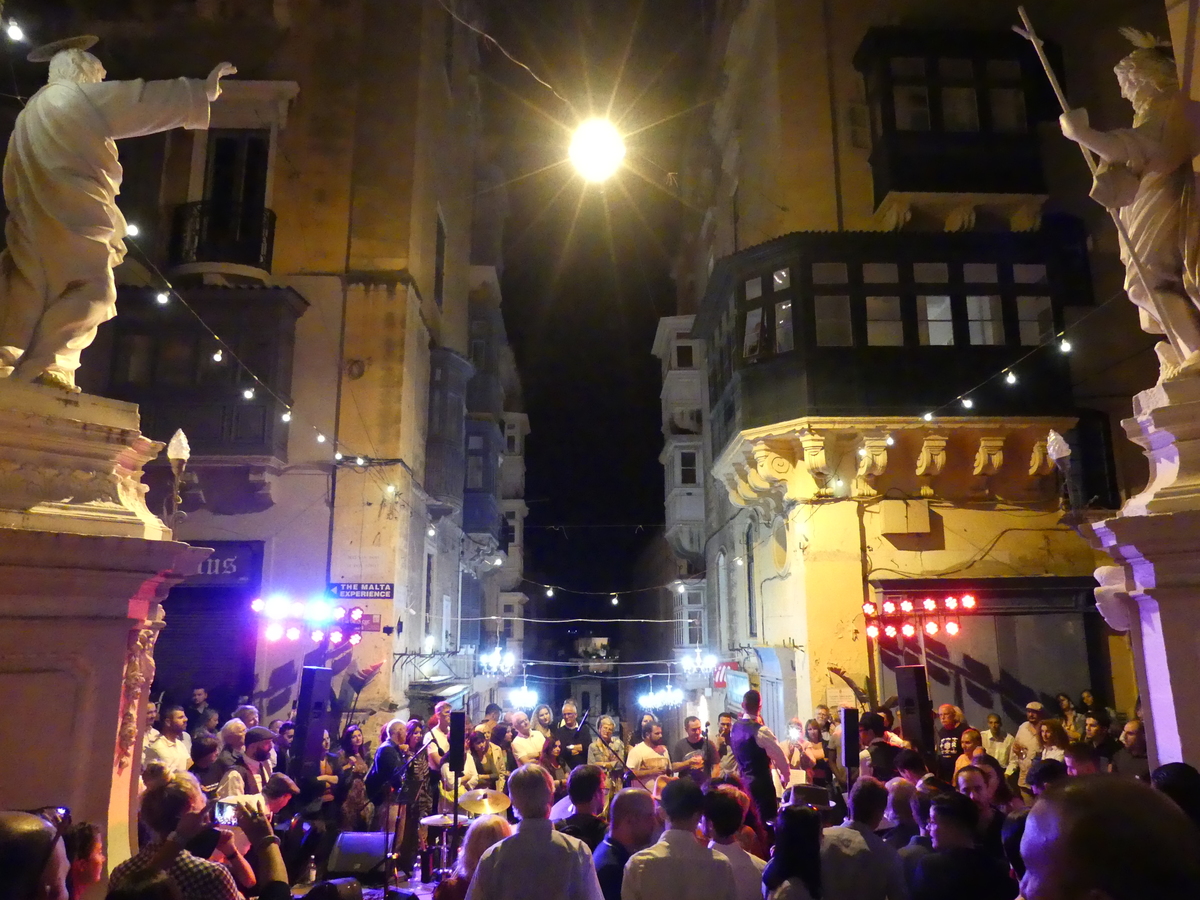
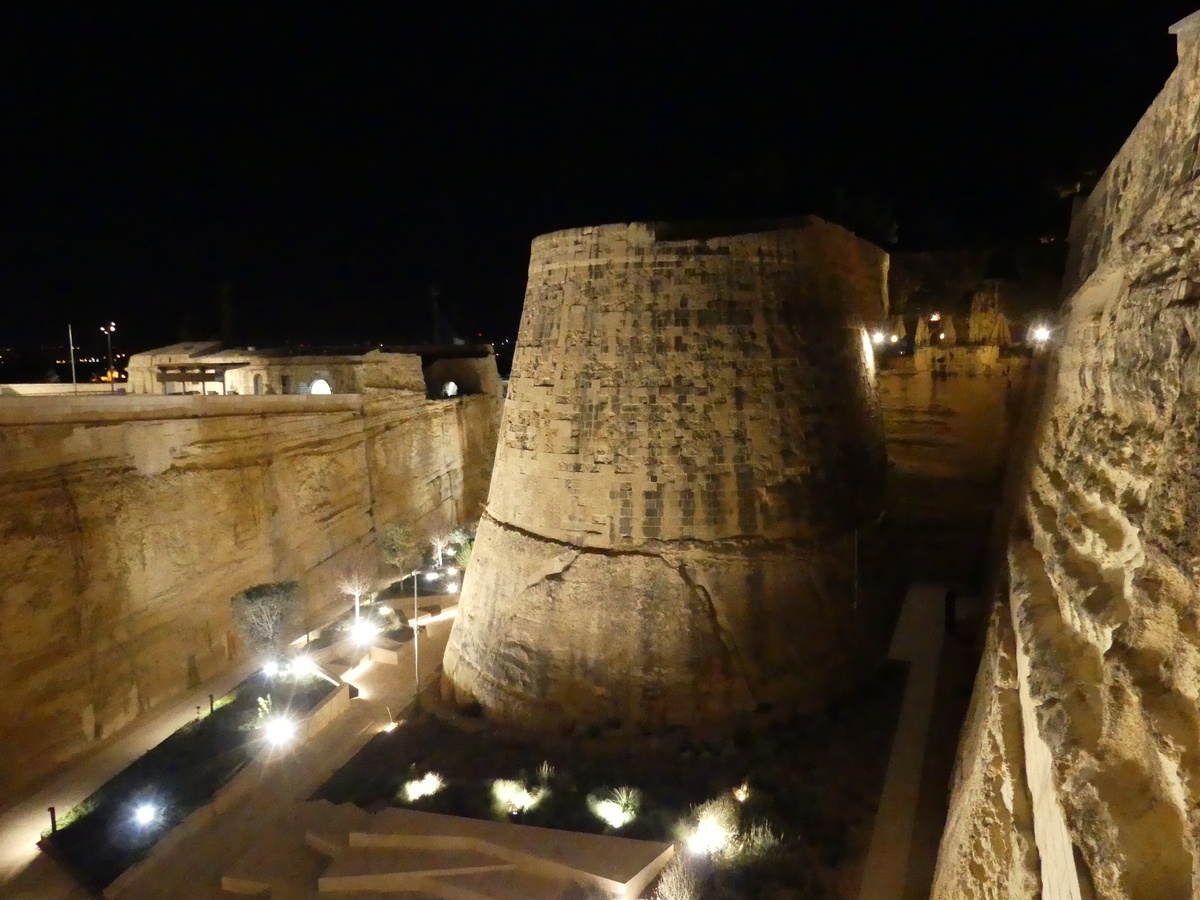
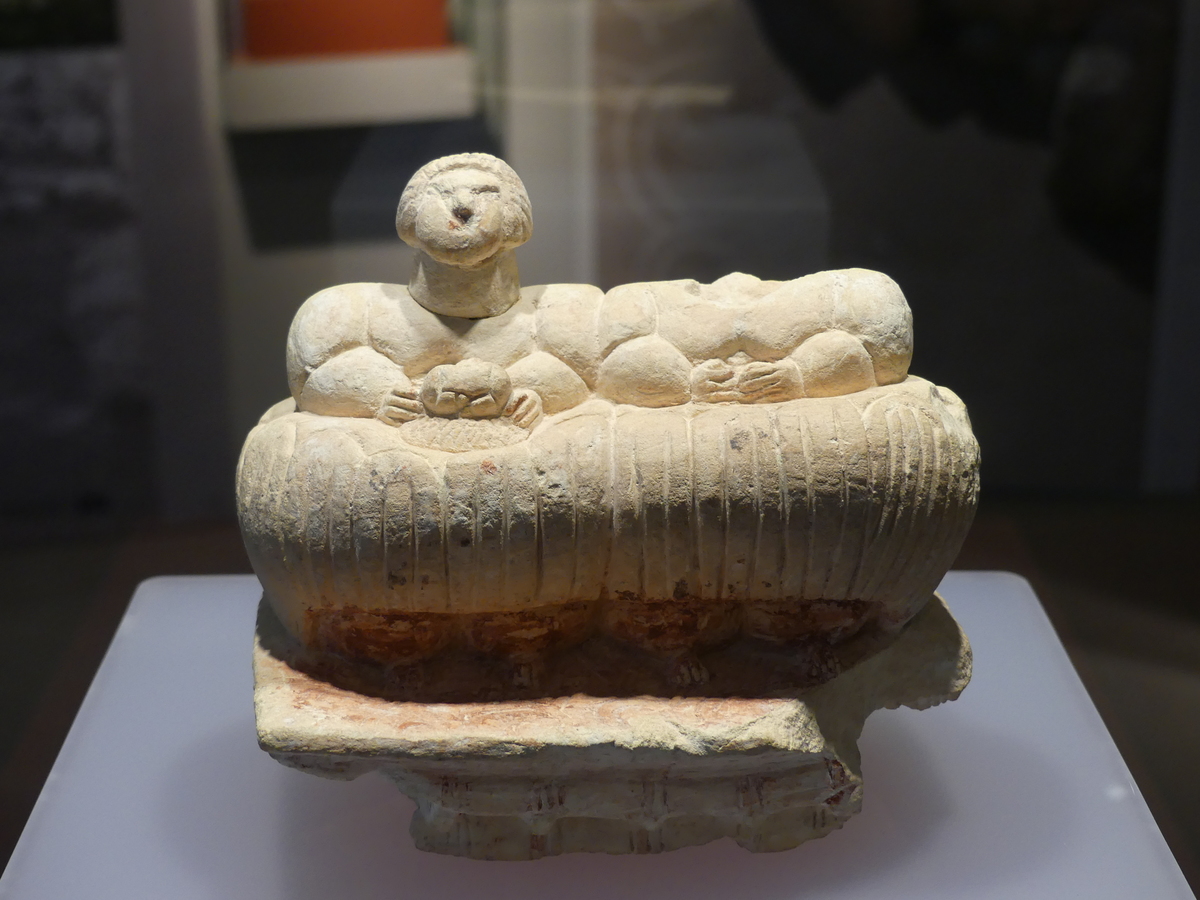
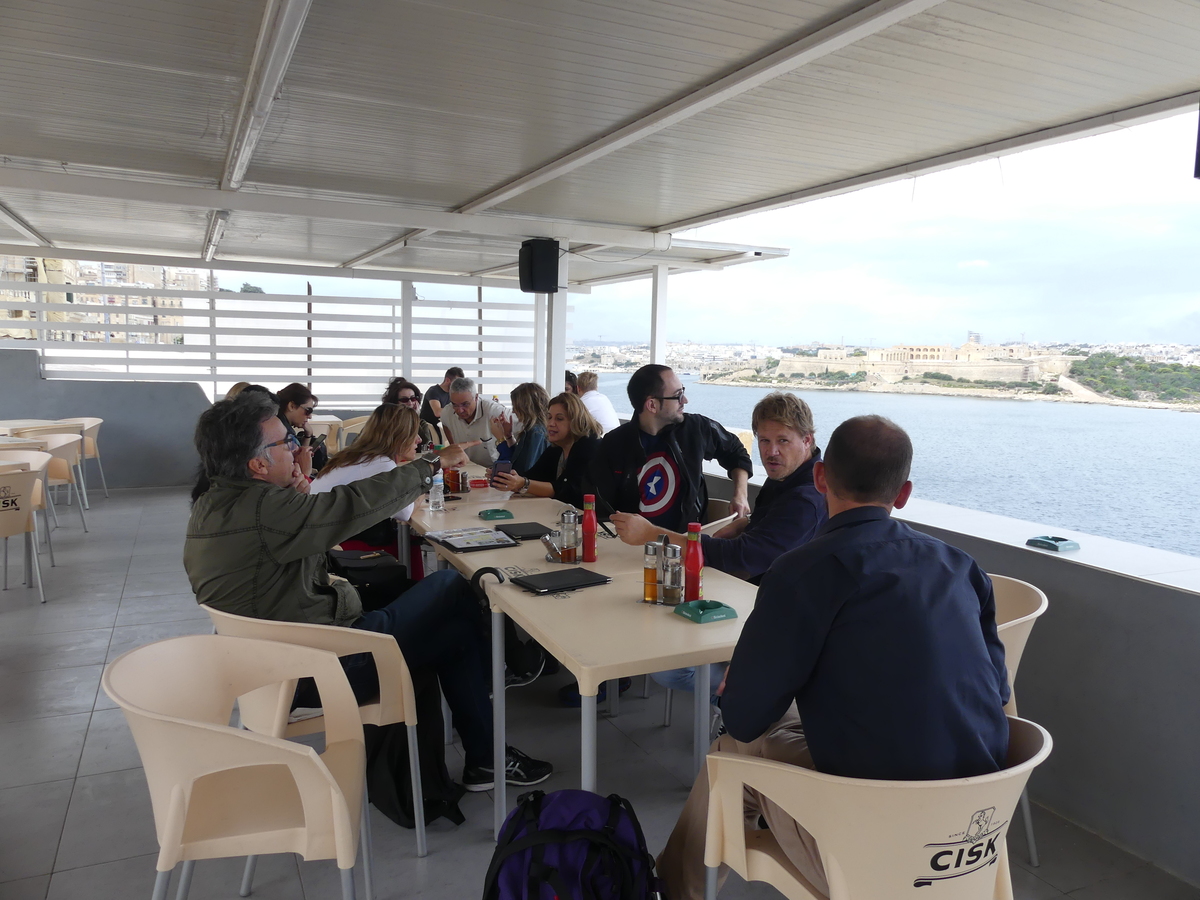
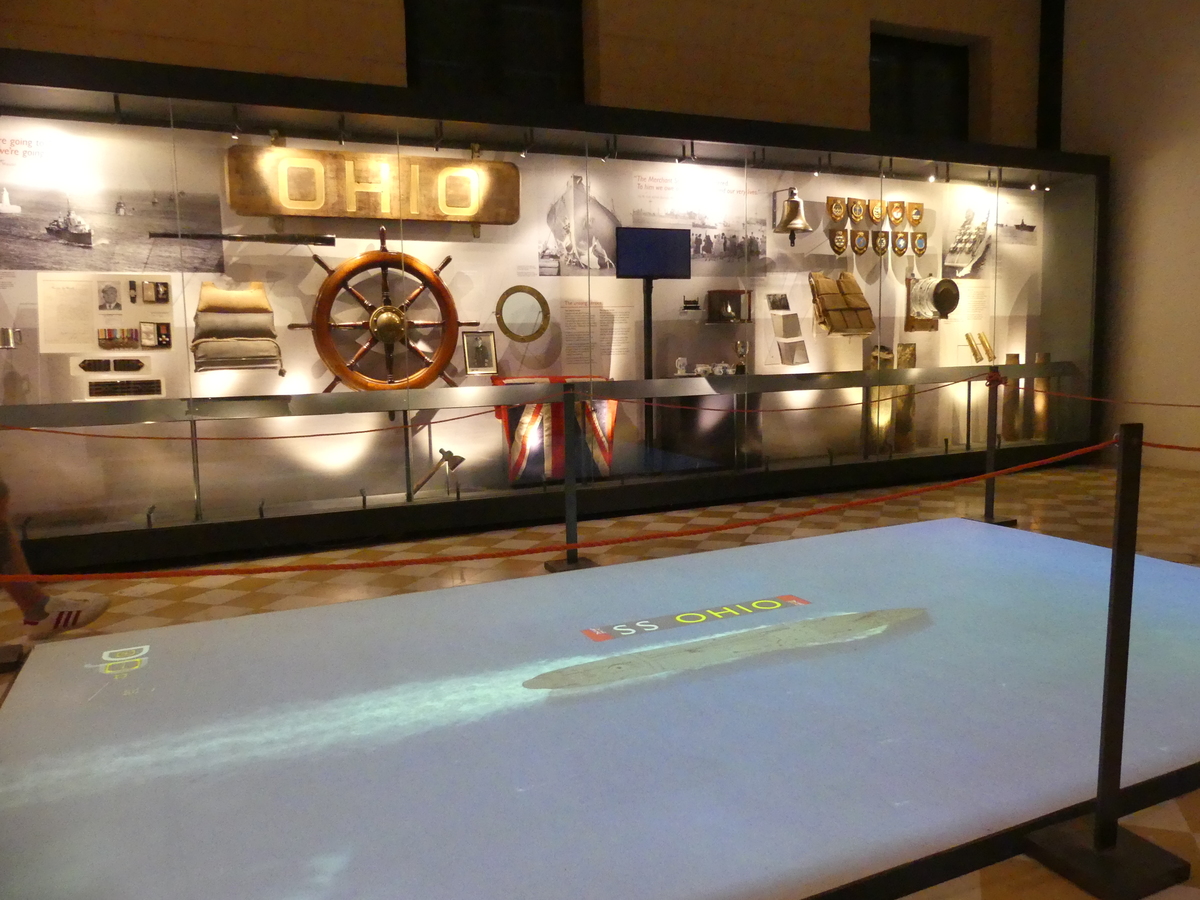
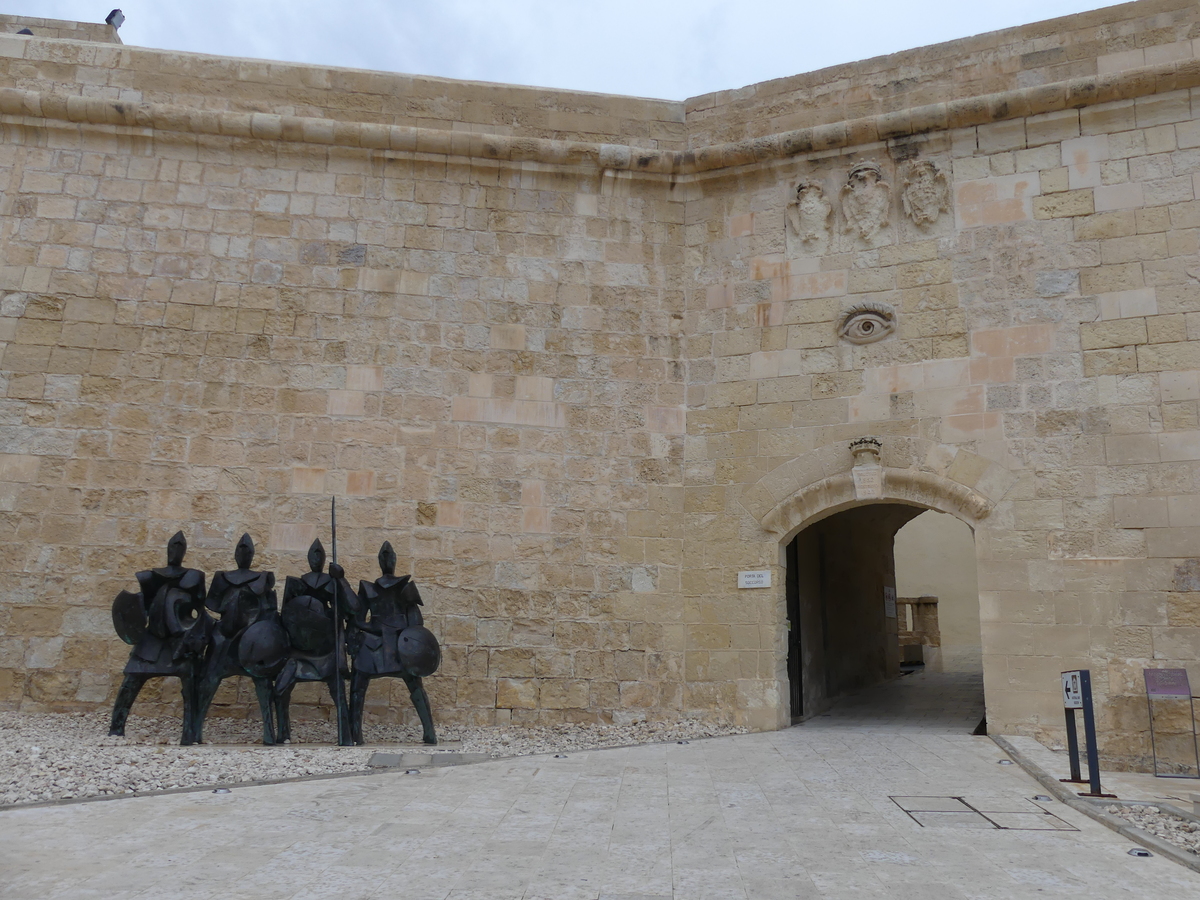
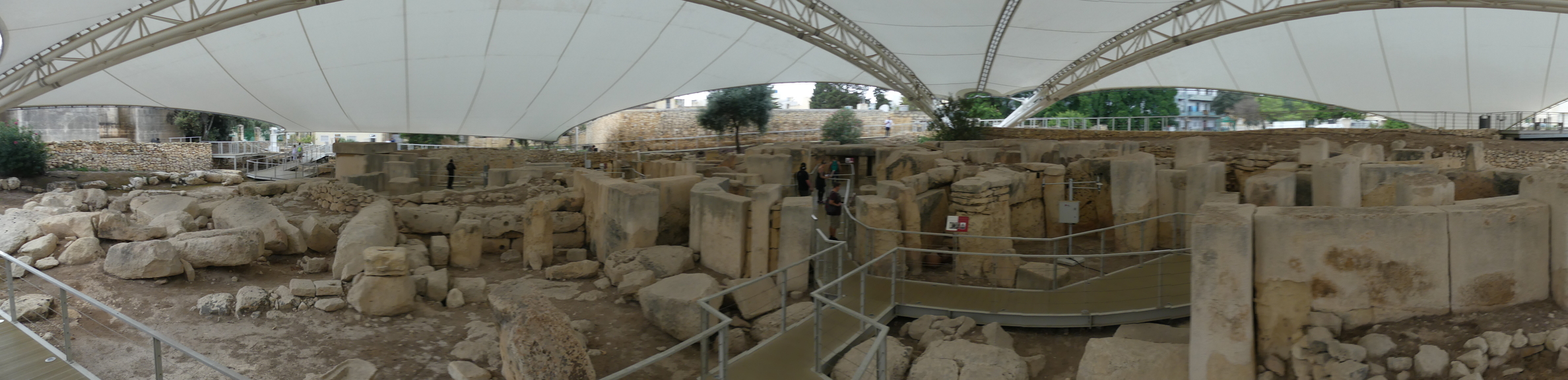
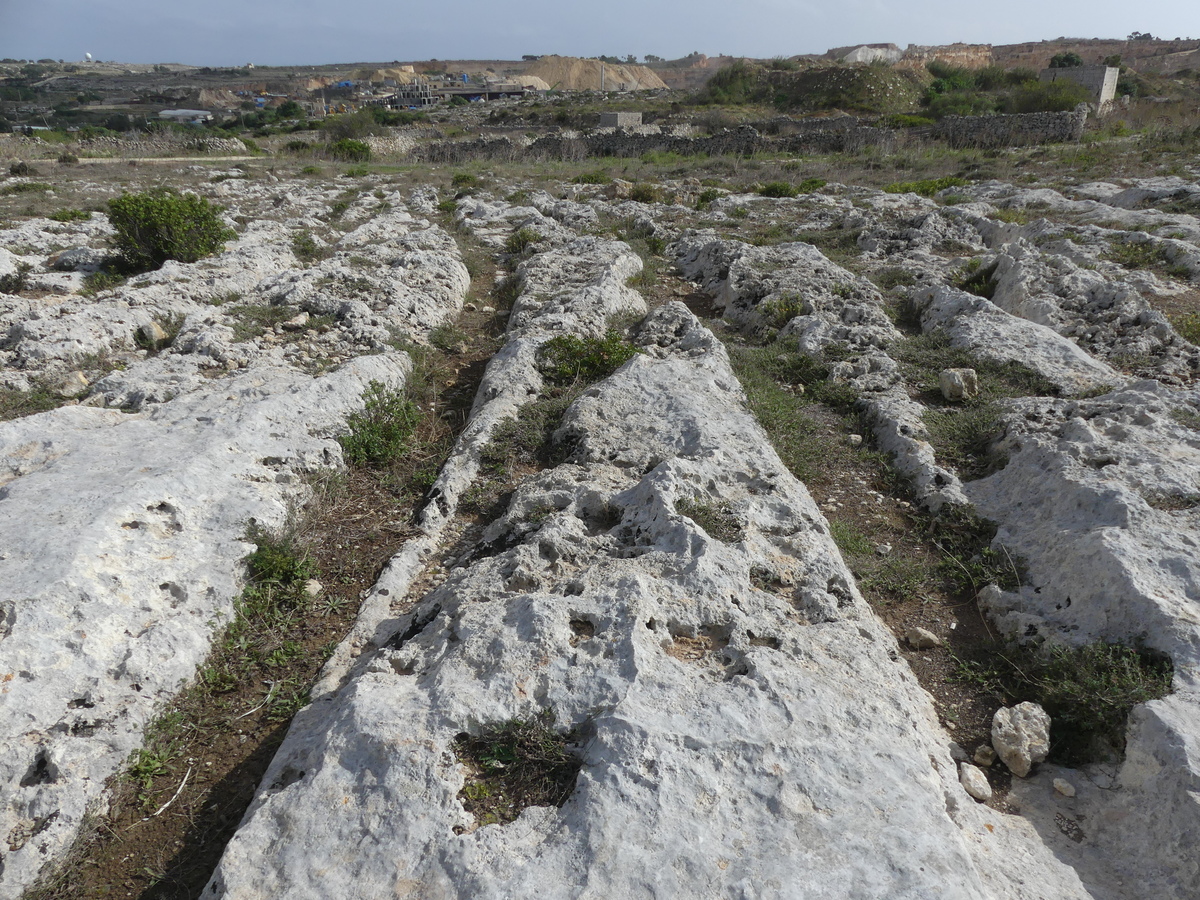
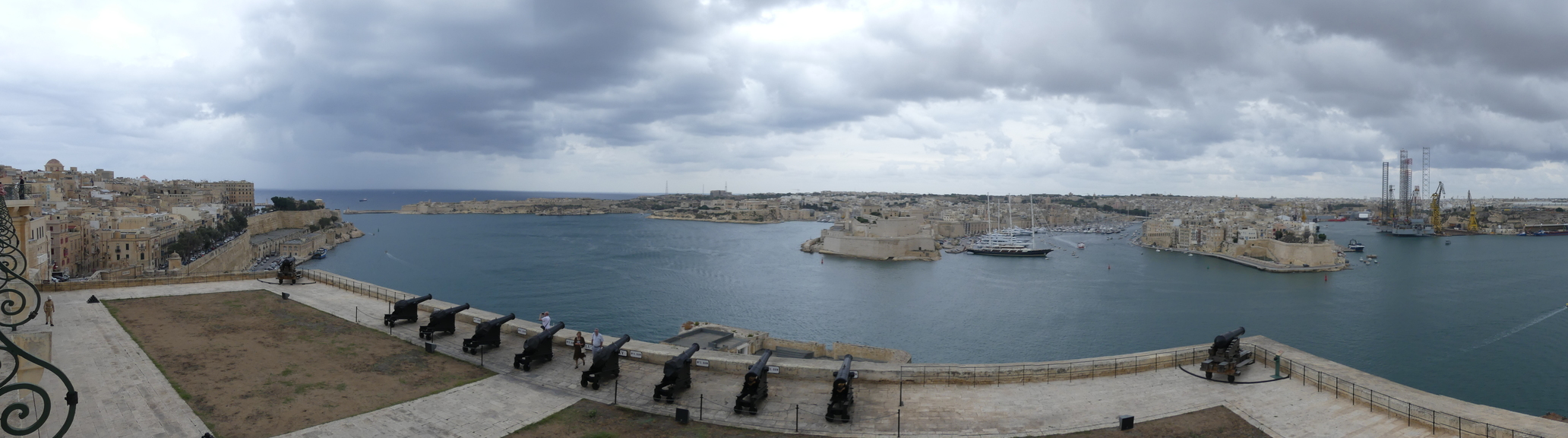
- October 2019 – Malta. 2 teachers travelled to receive specific storytelling training and hold the 2nd project coordination meeting.


-
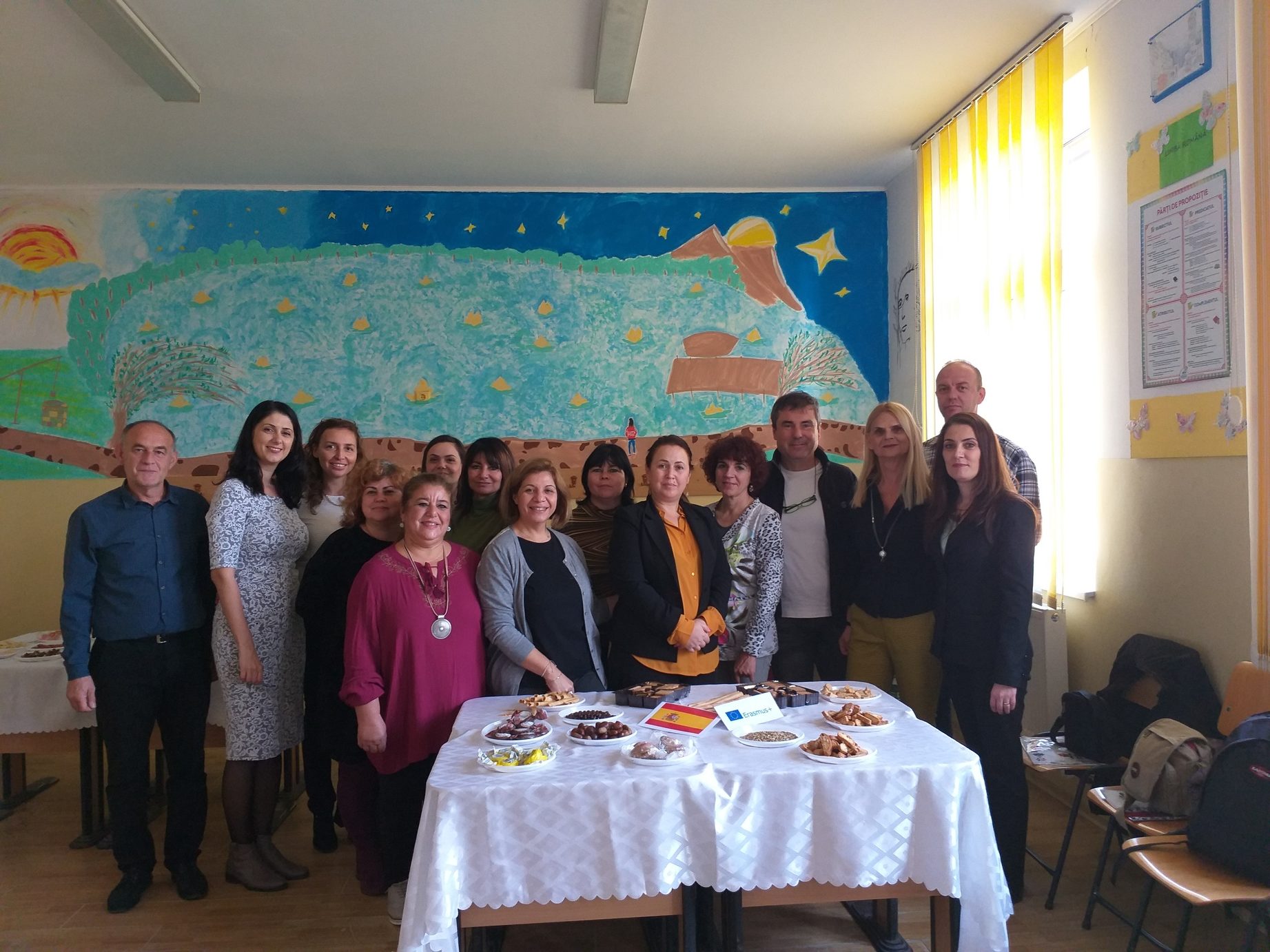
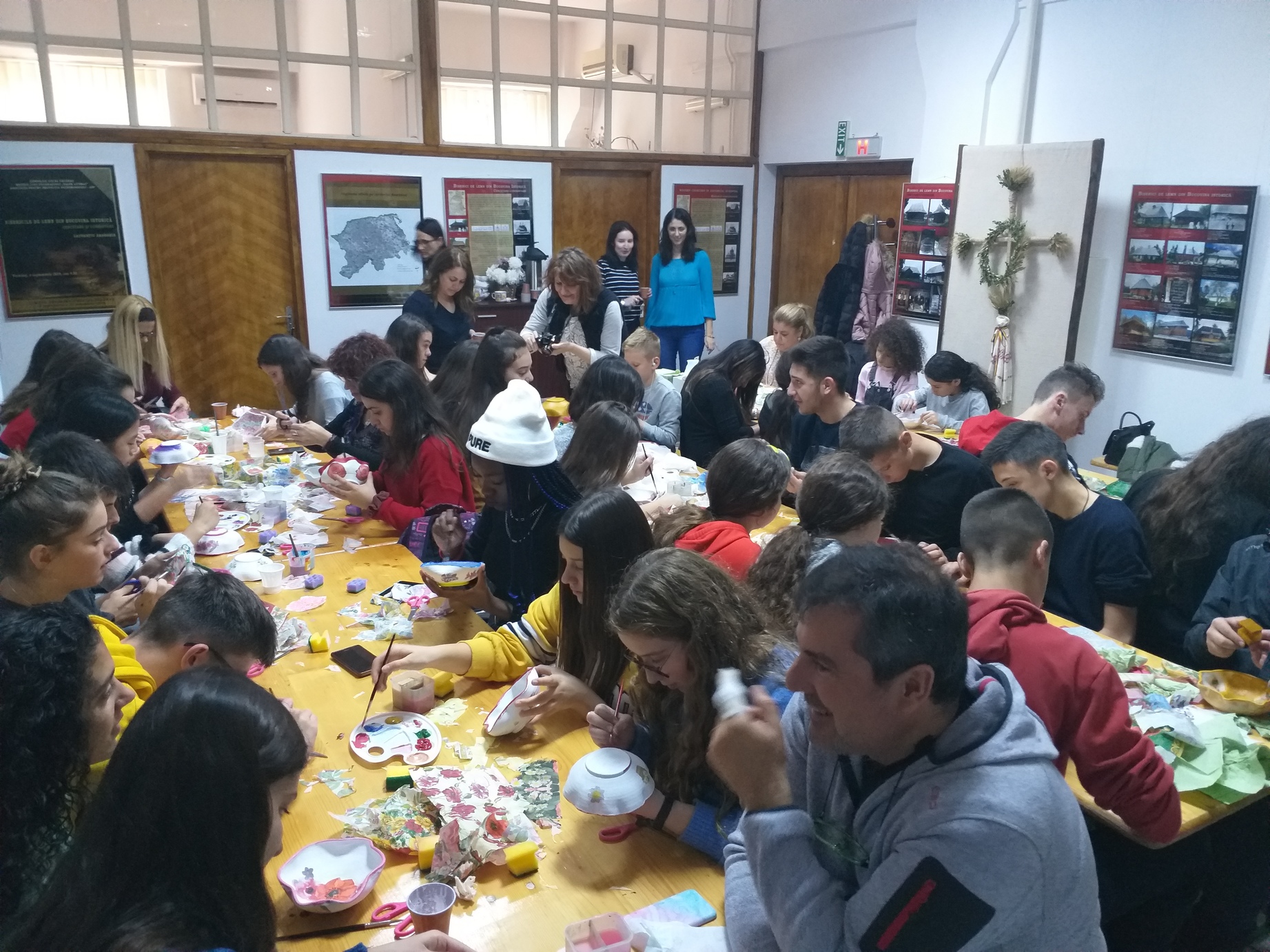
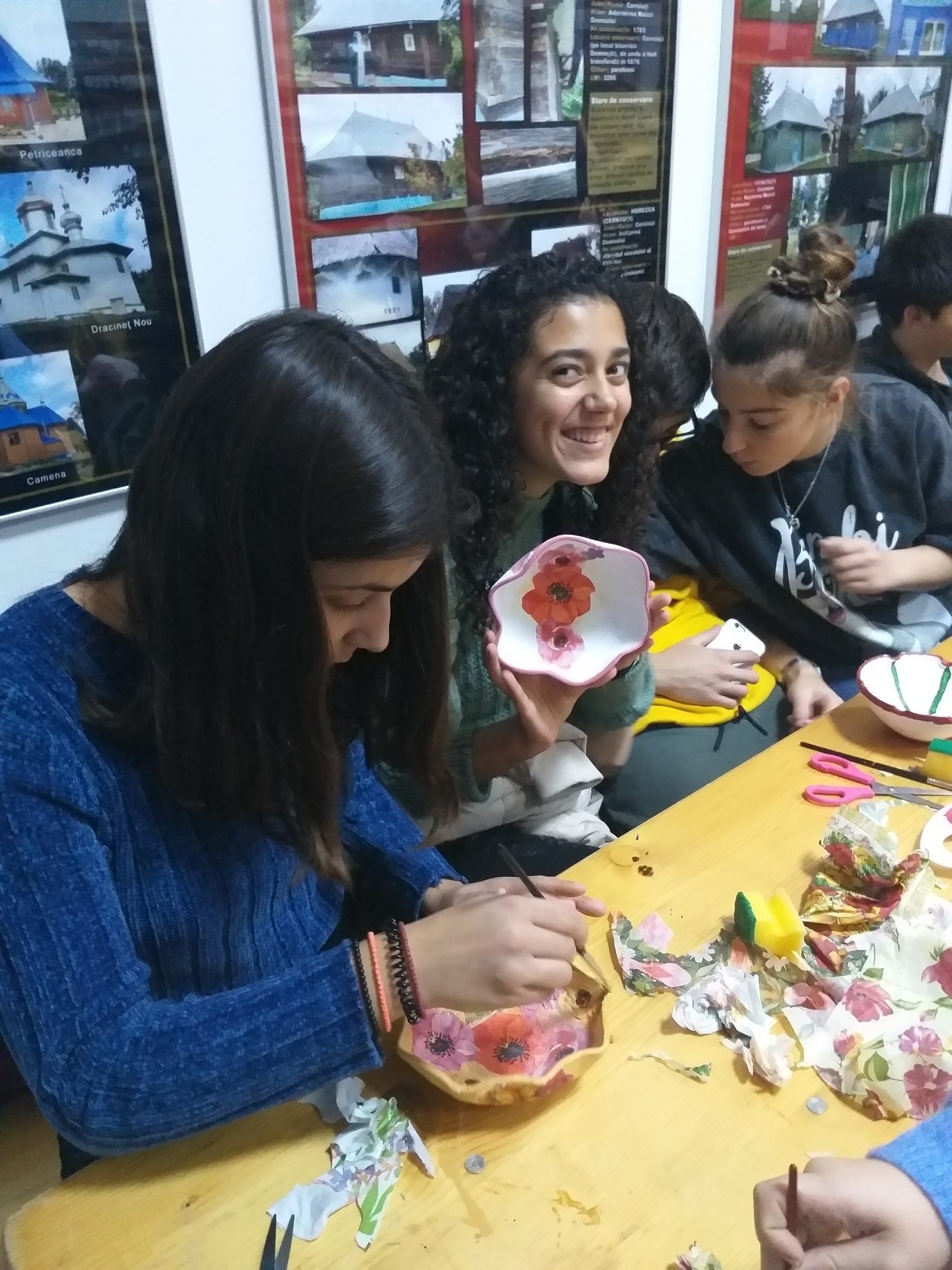
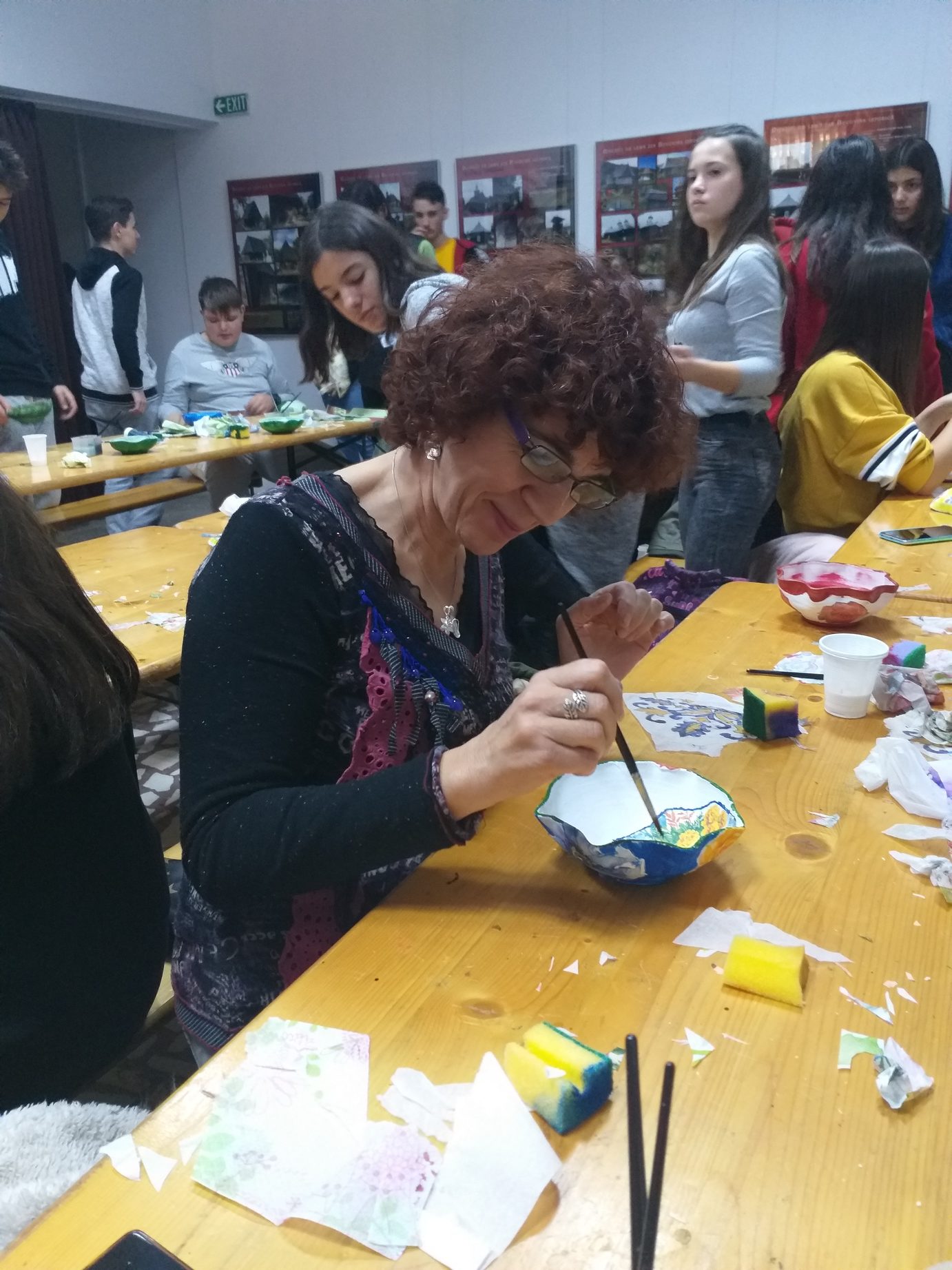
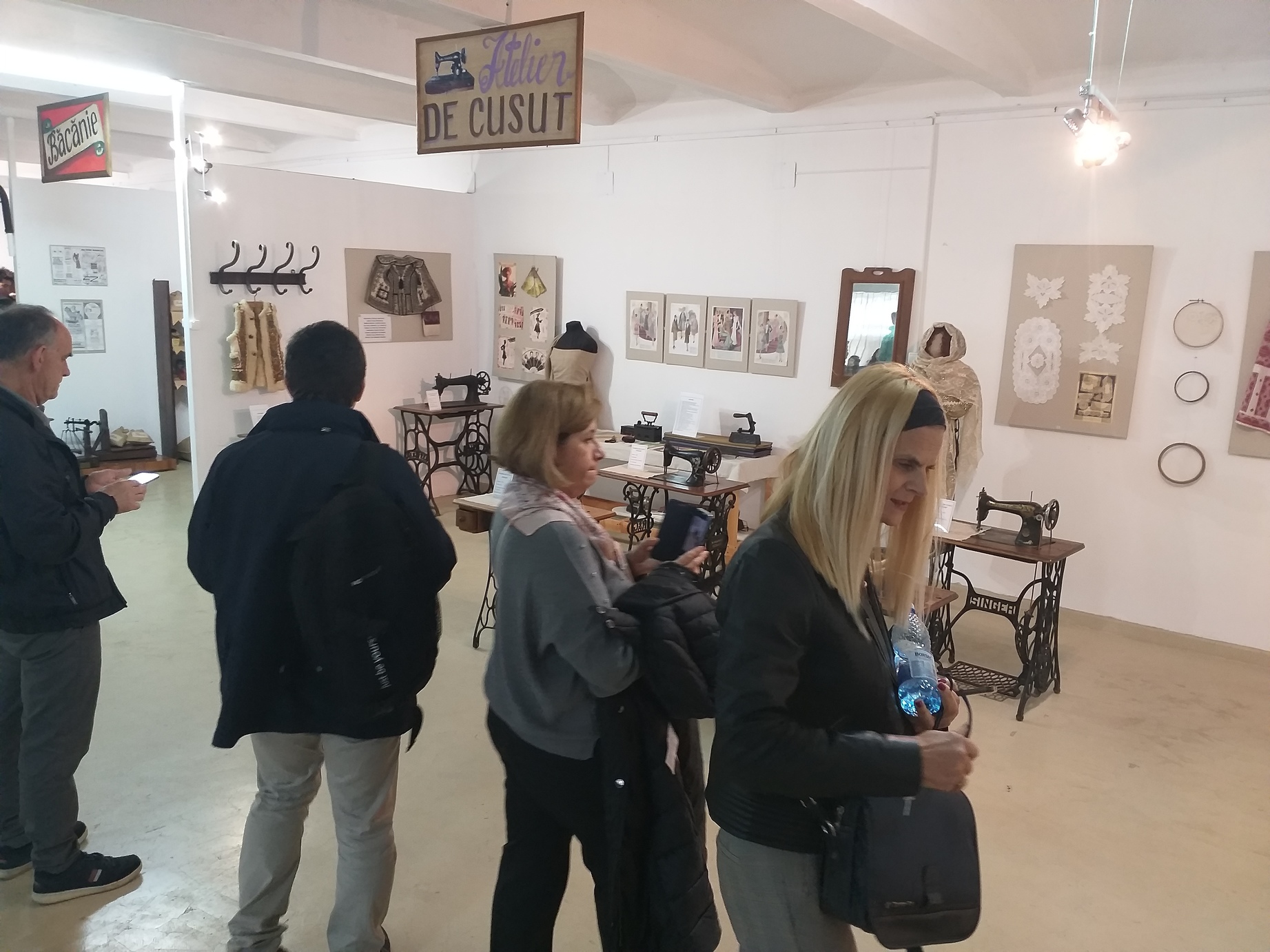
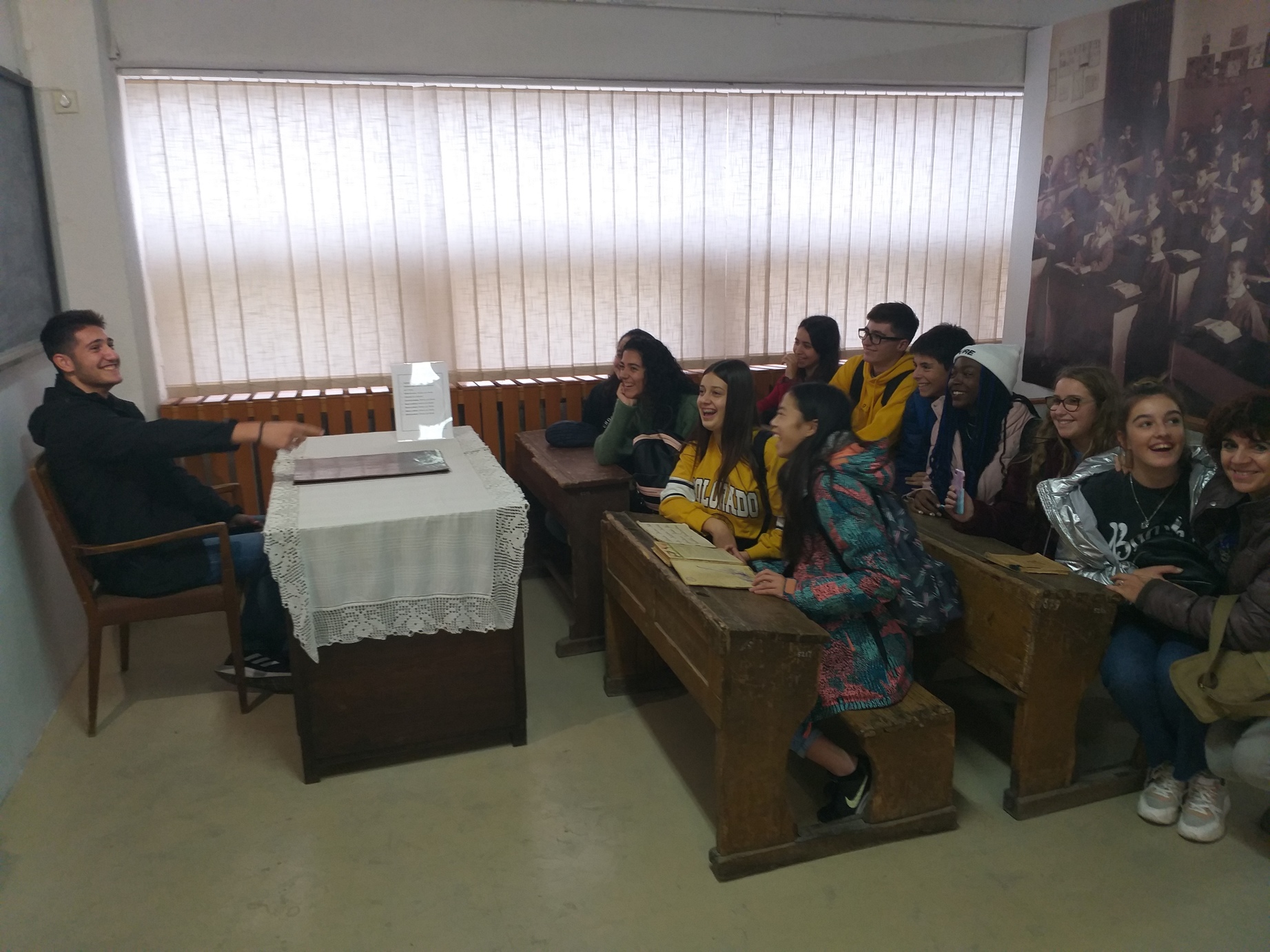
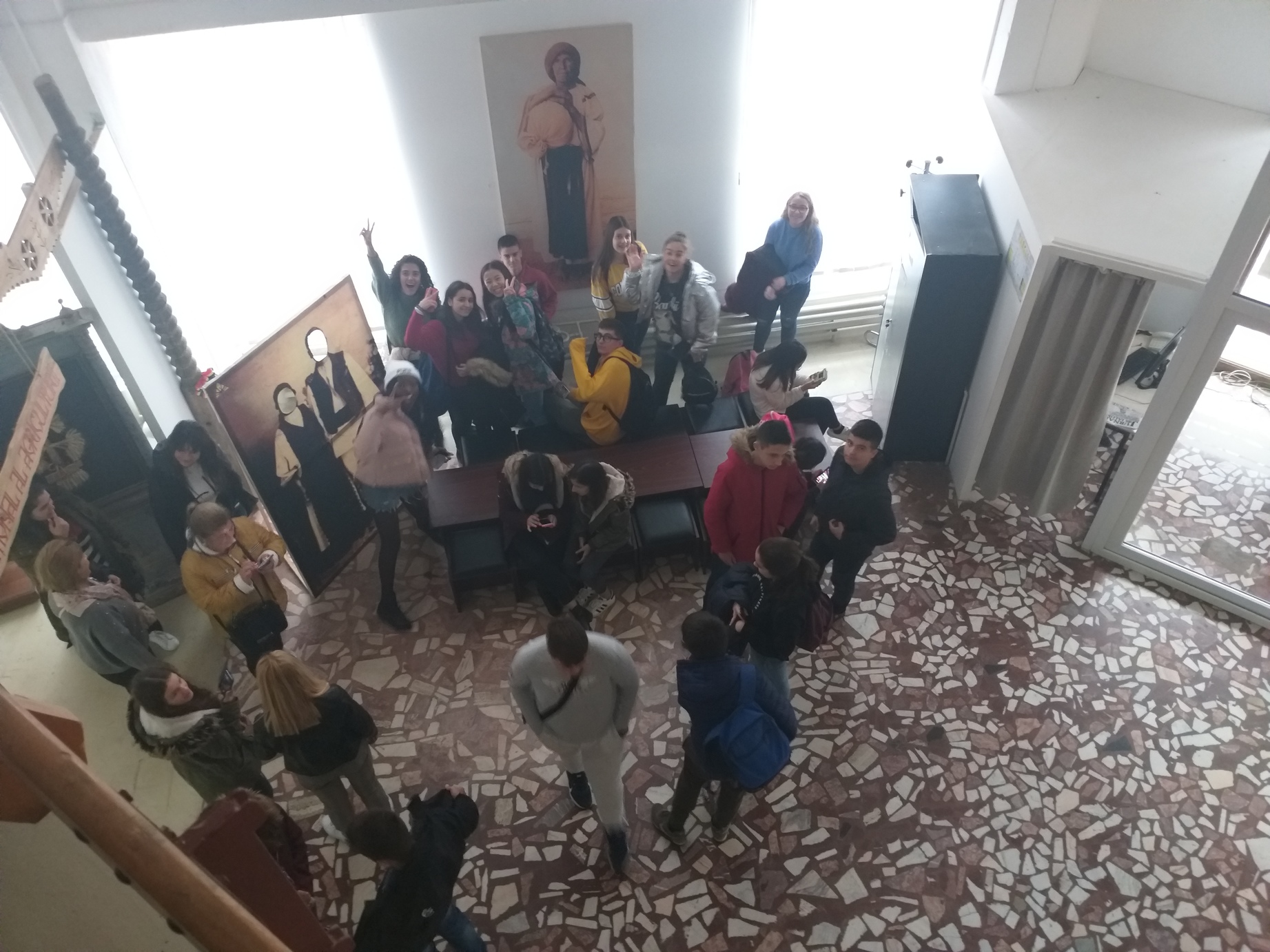
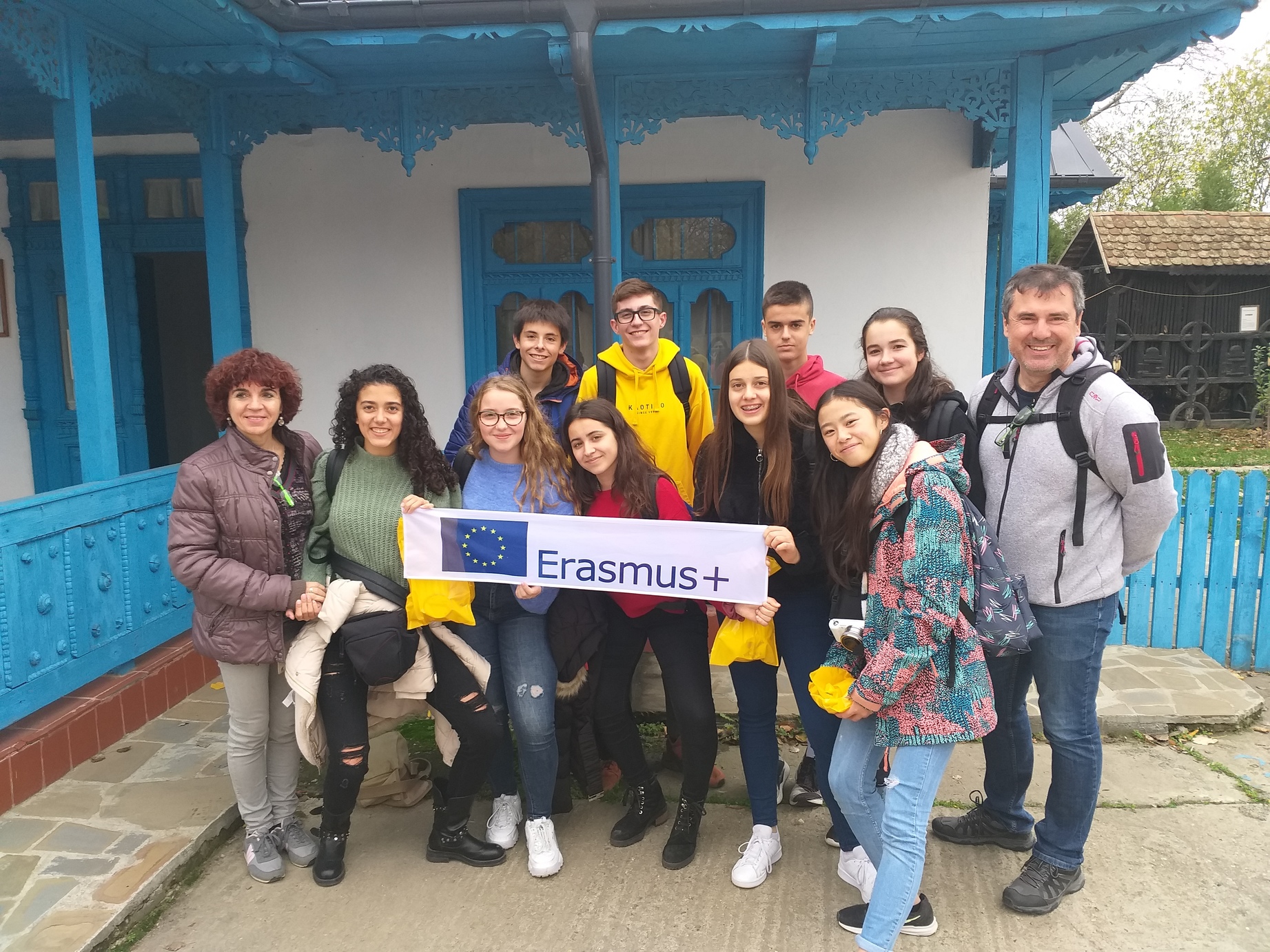
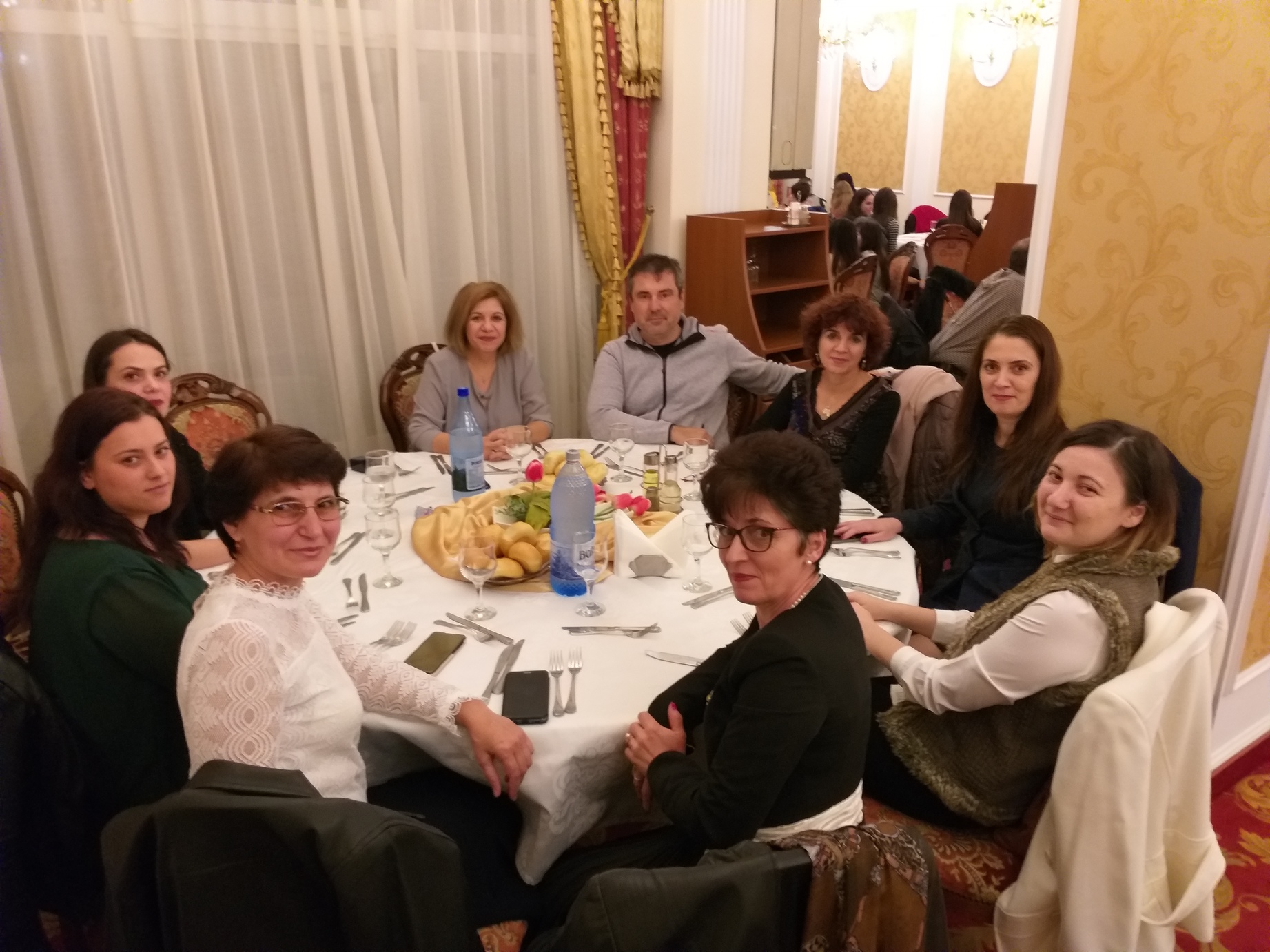
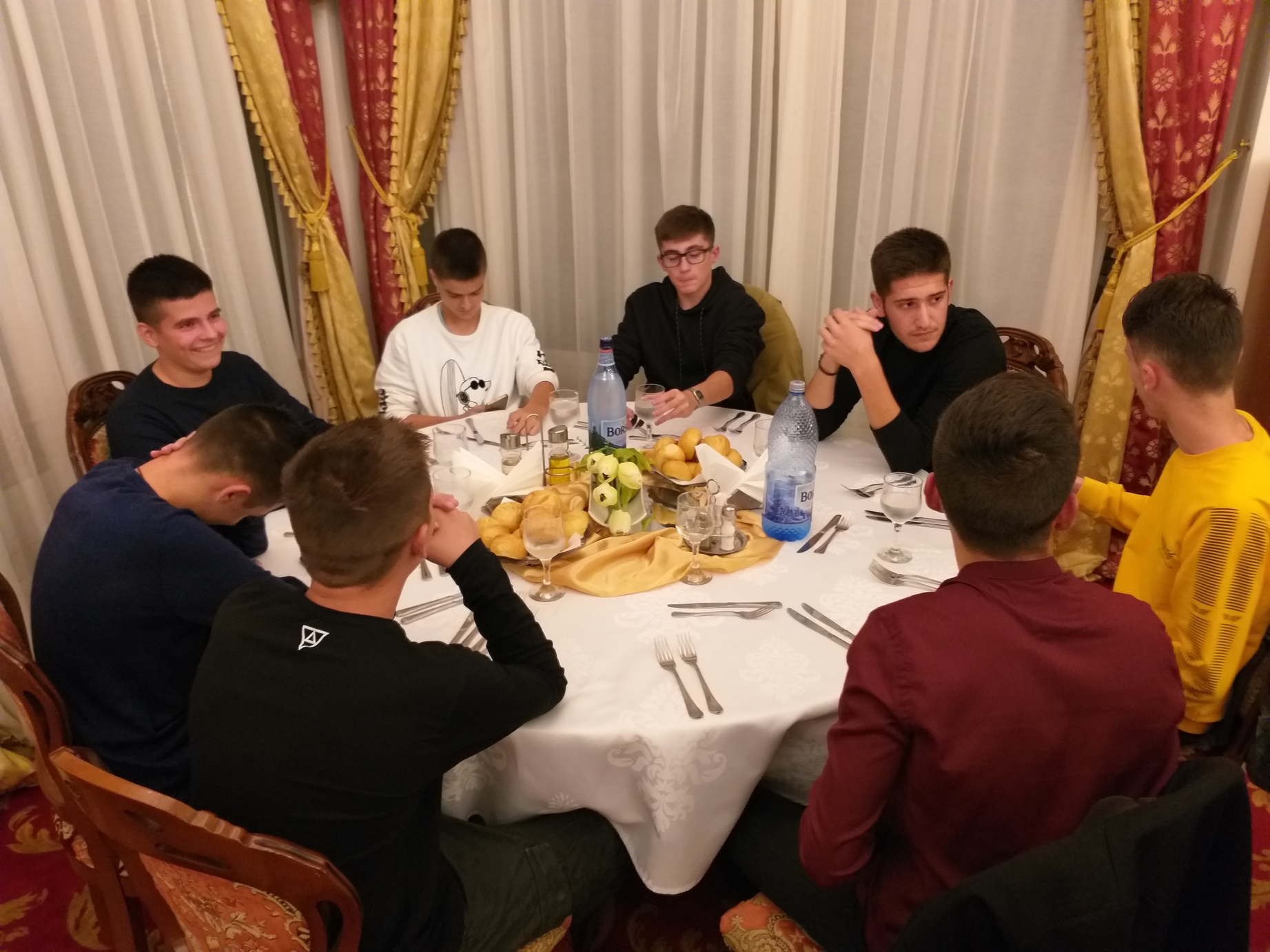
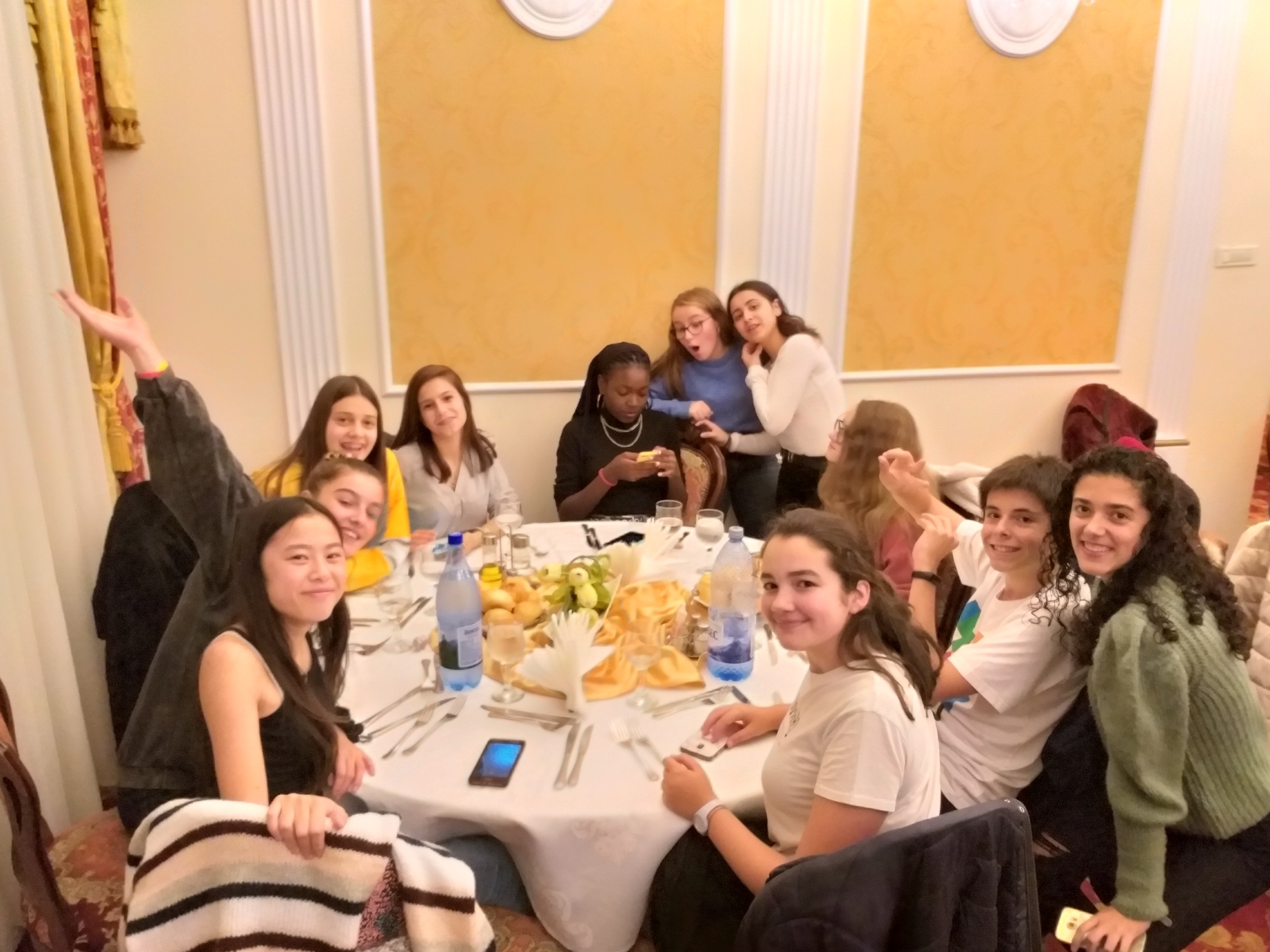
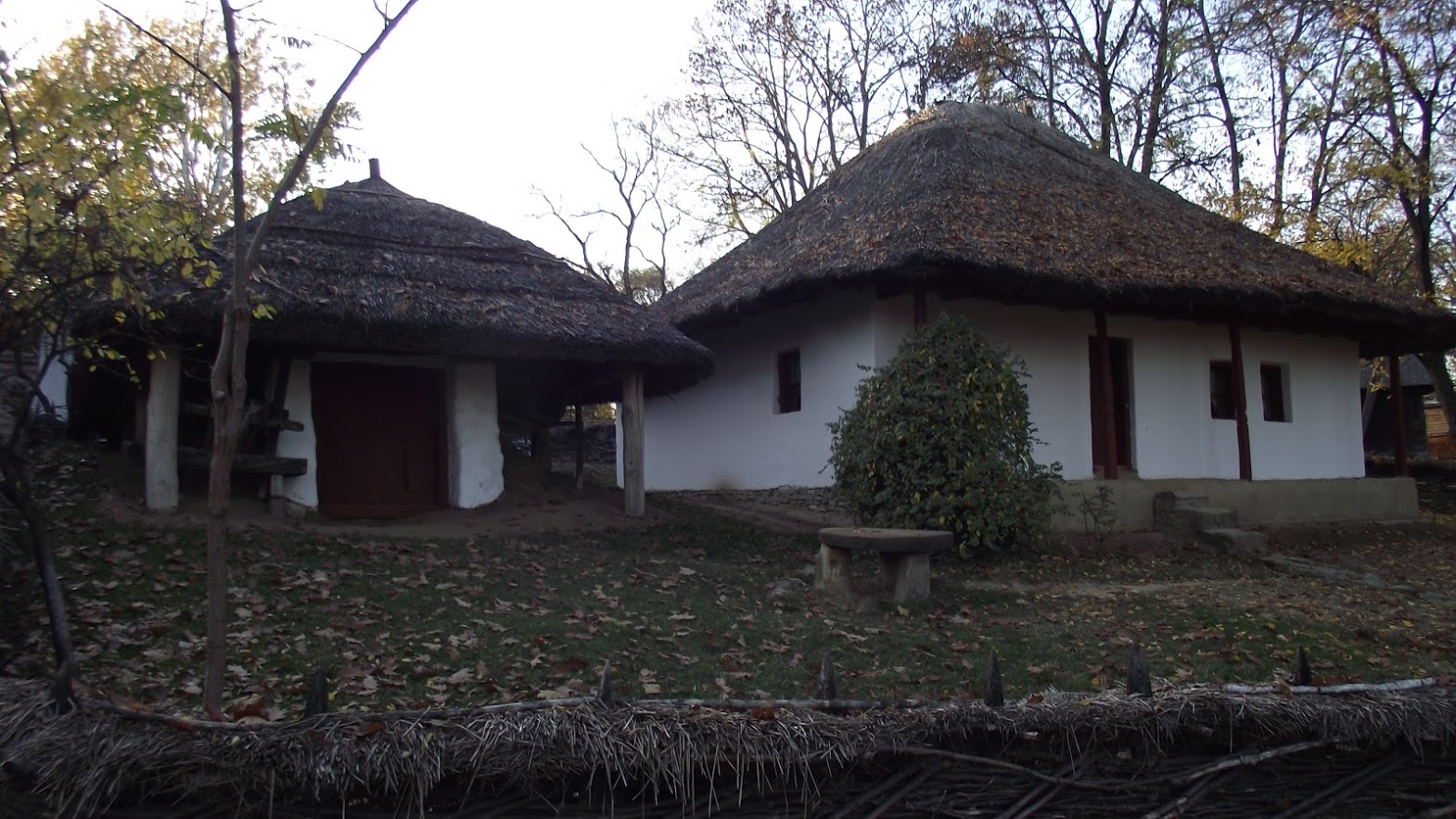
- November 2019 – Romania. 2 teachers and 9 students (6 girls and 3 boys) participated in a meeting with other students from all the countries of the project. There they have carried out activities of the project, have seen their school, and have made cultural and tourist visits.


-
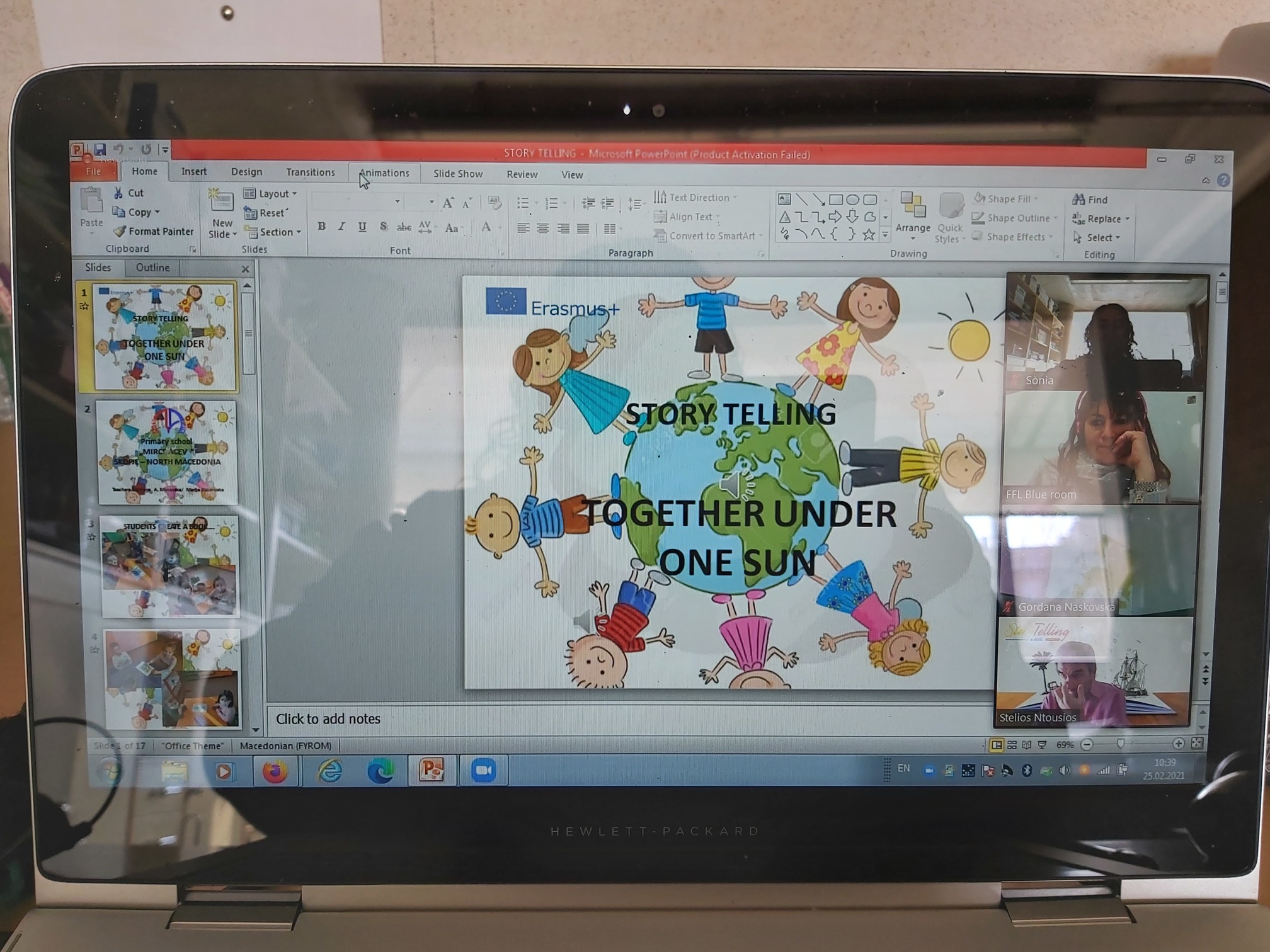
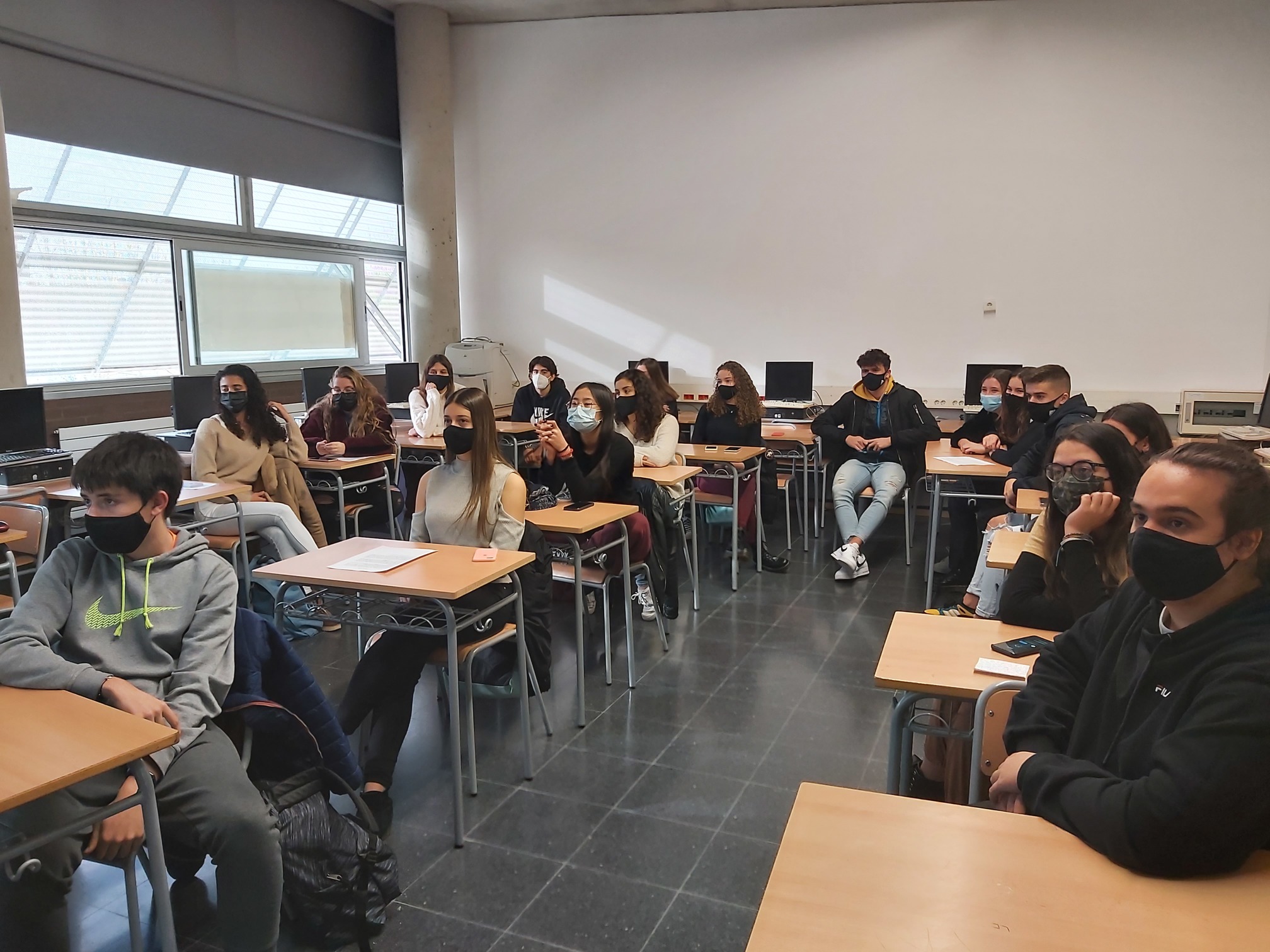
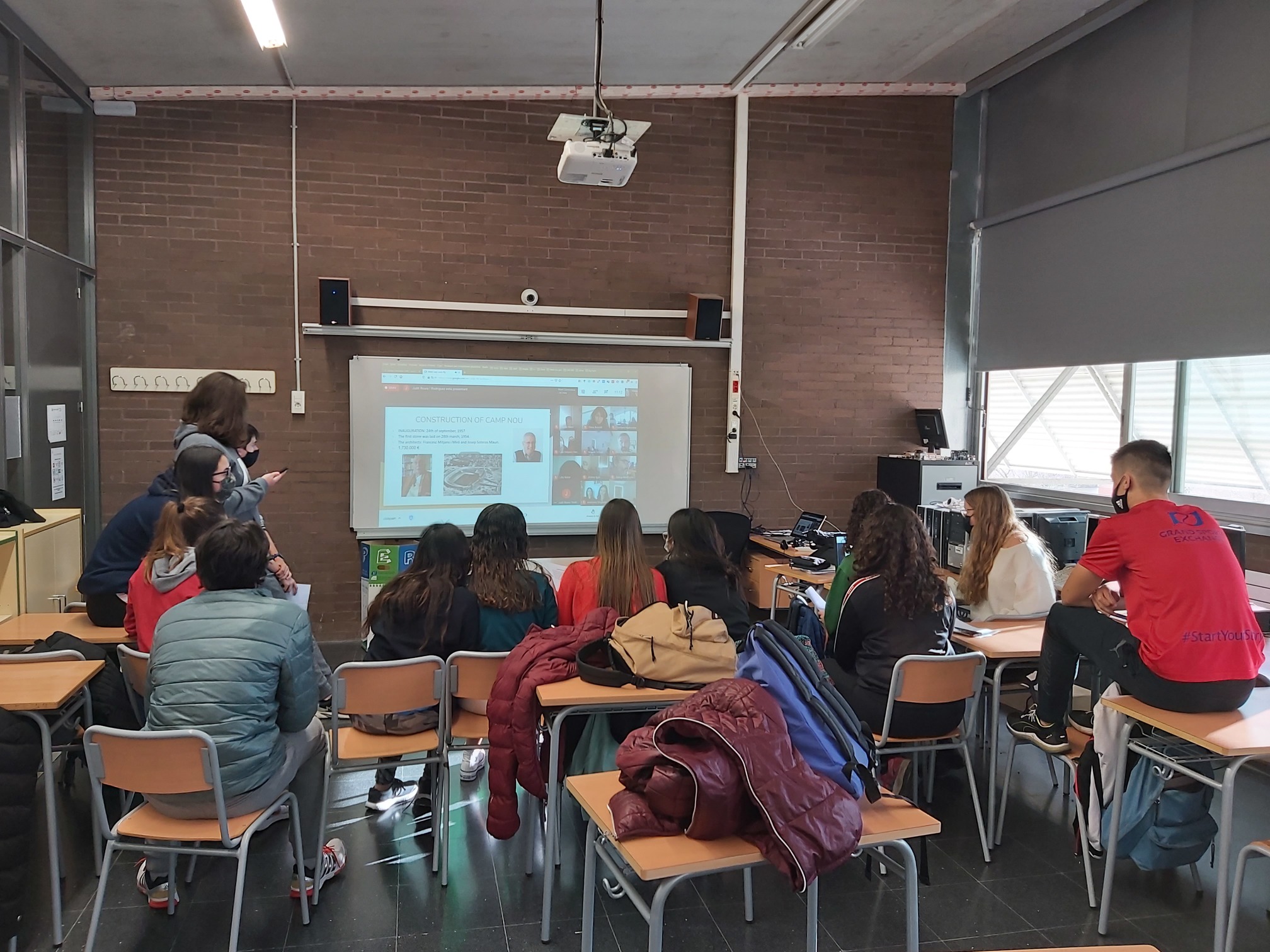
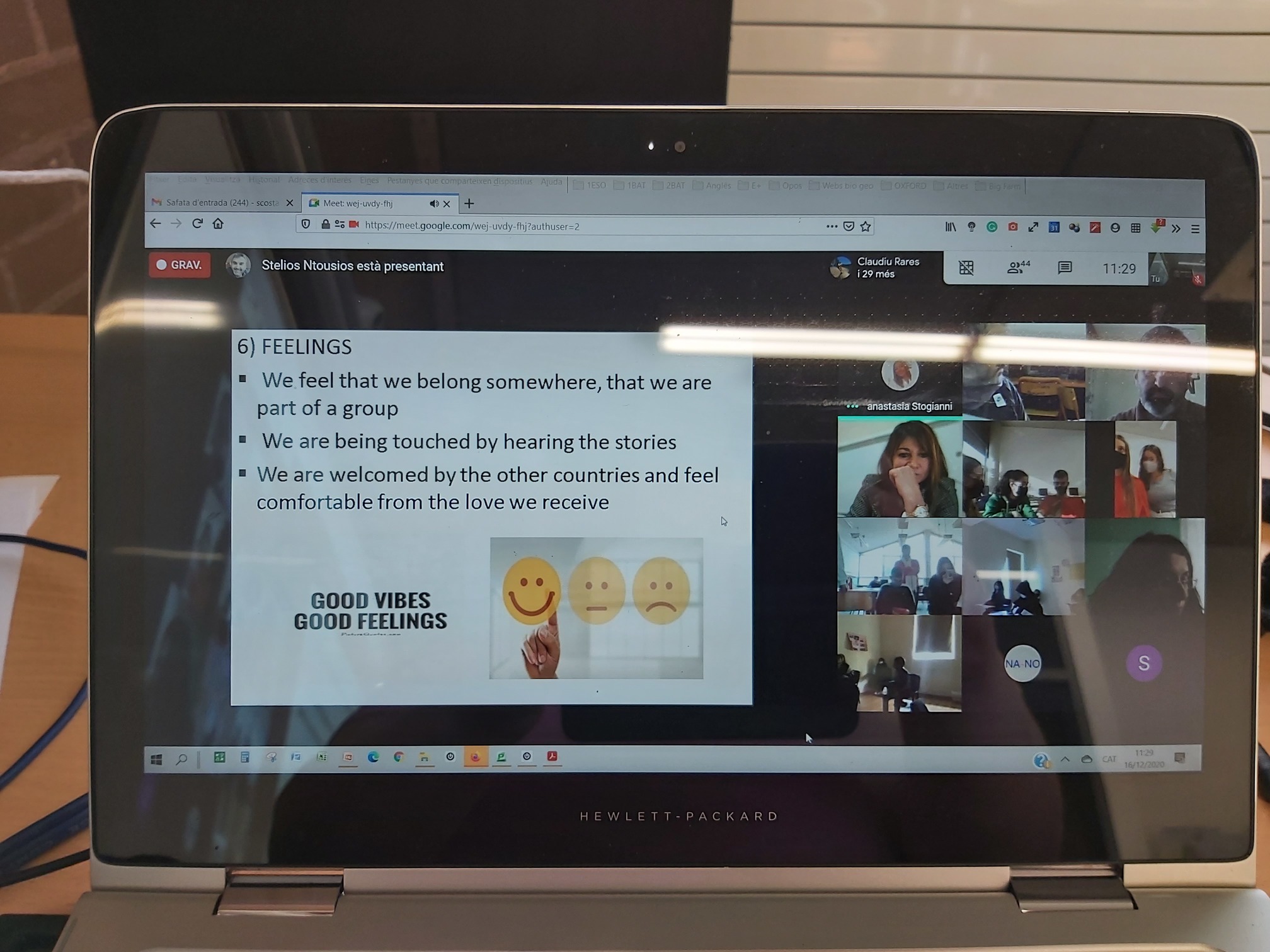
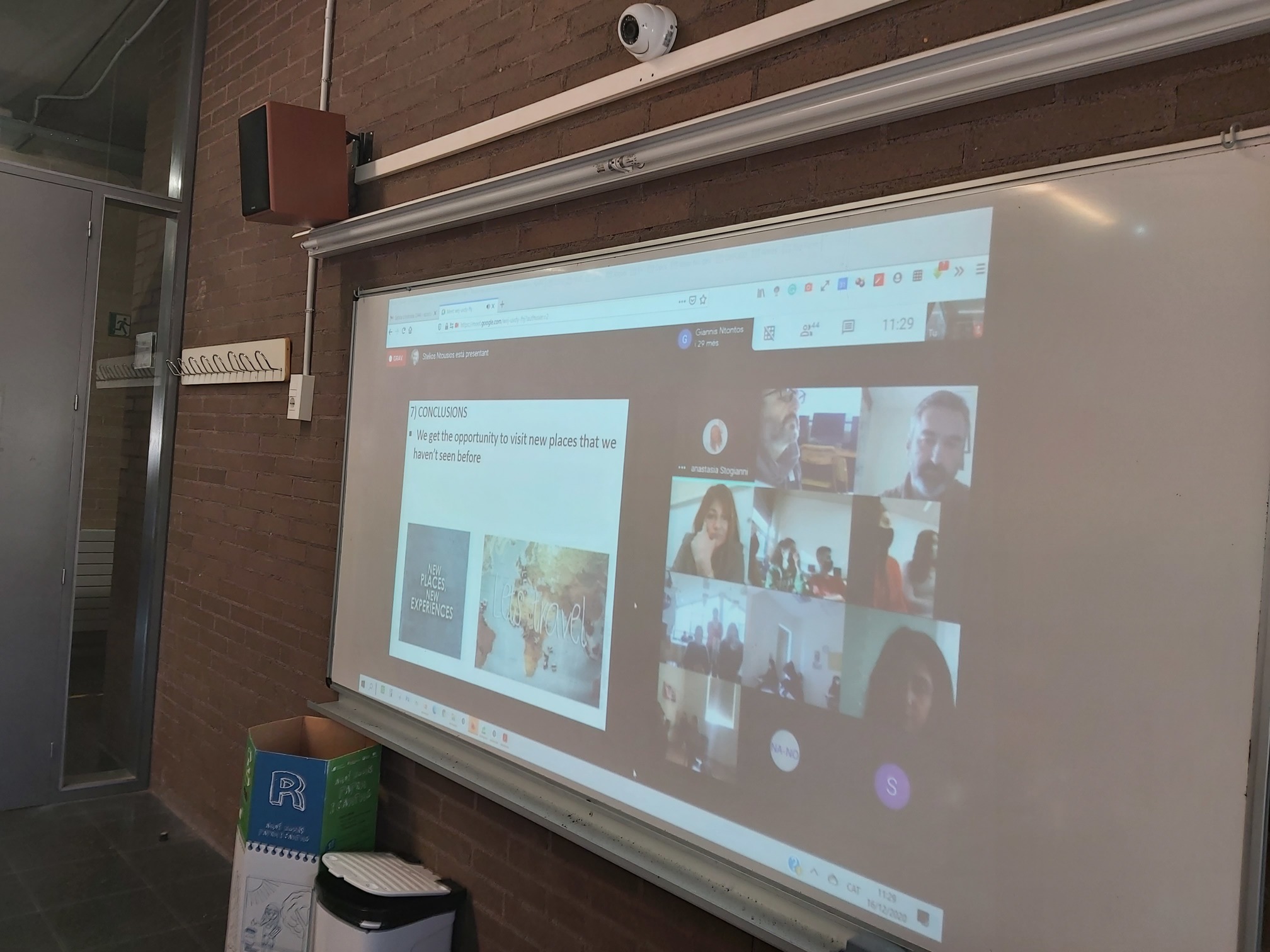
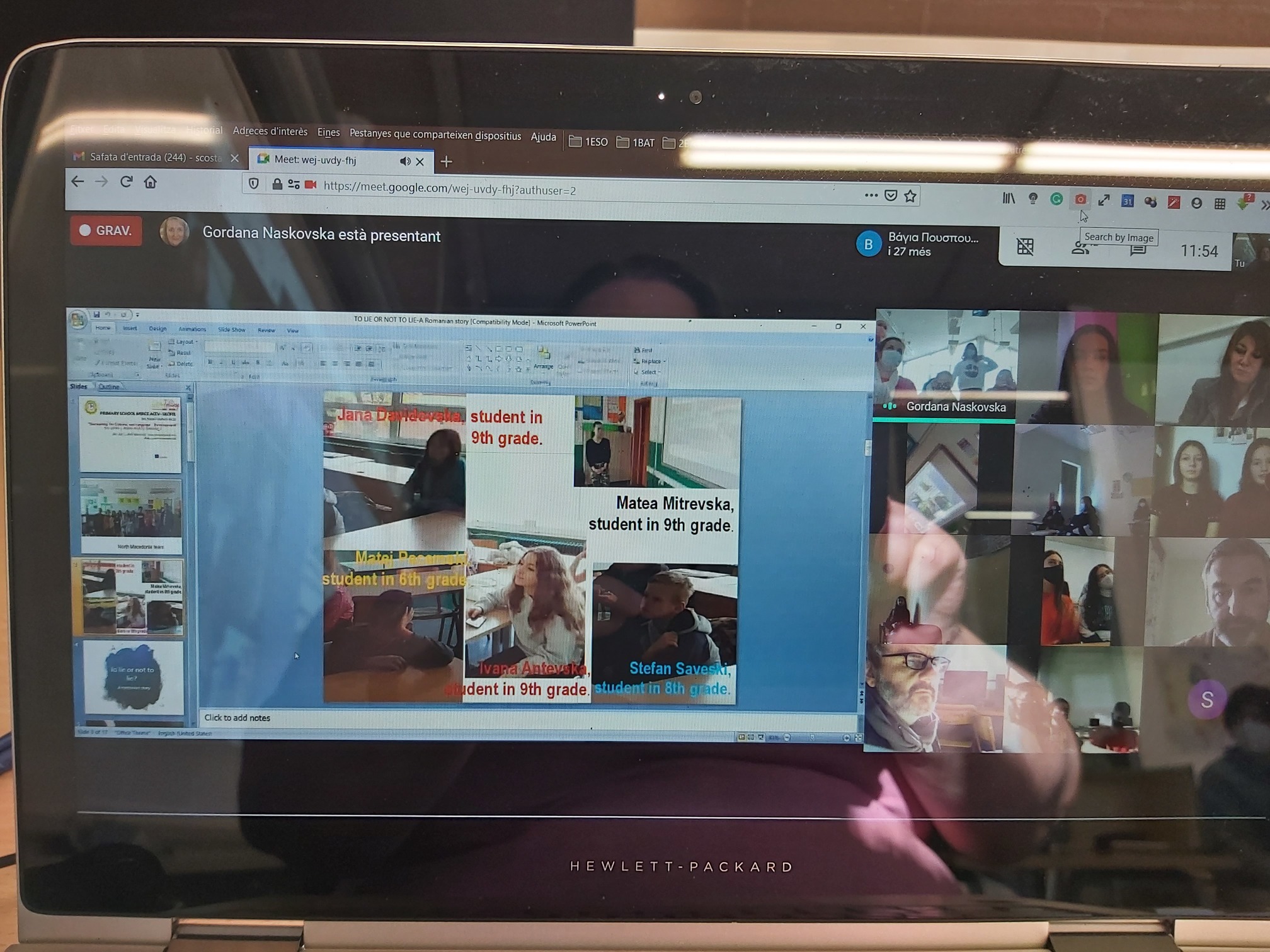
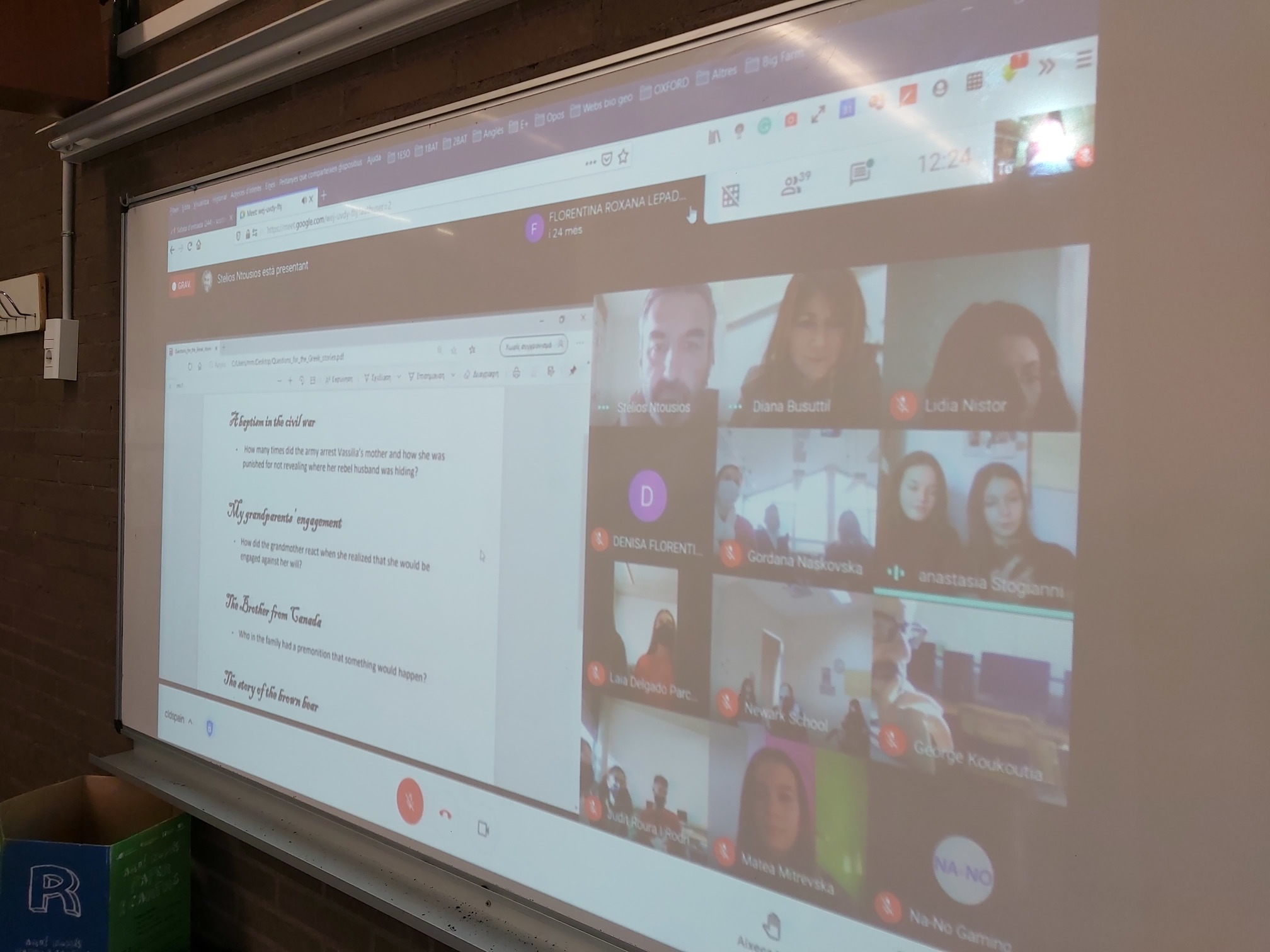
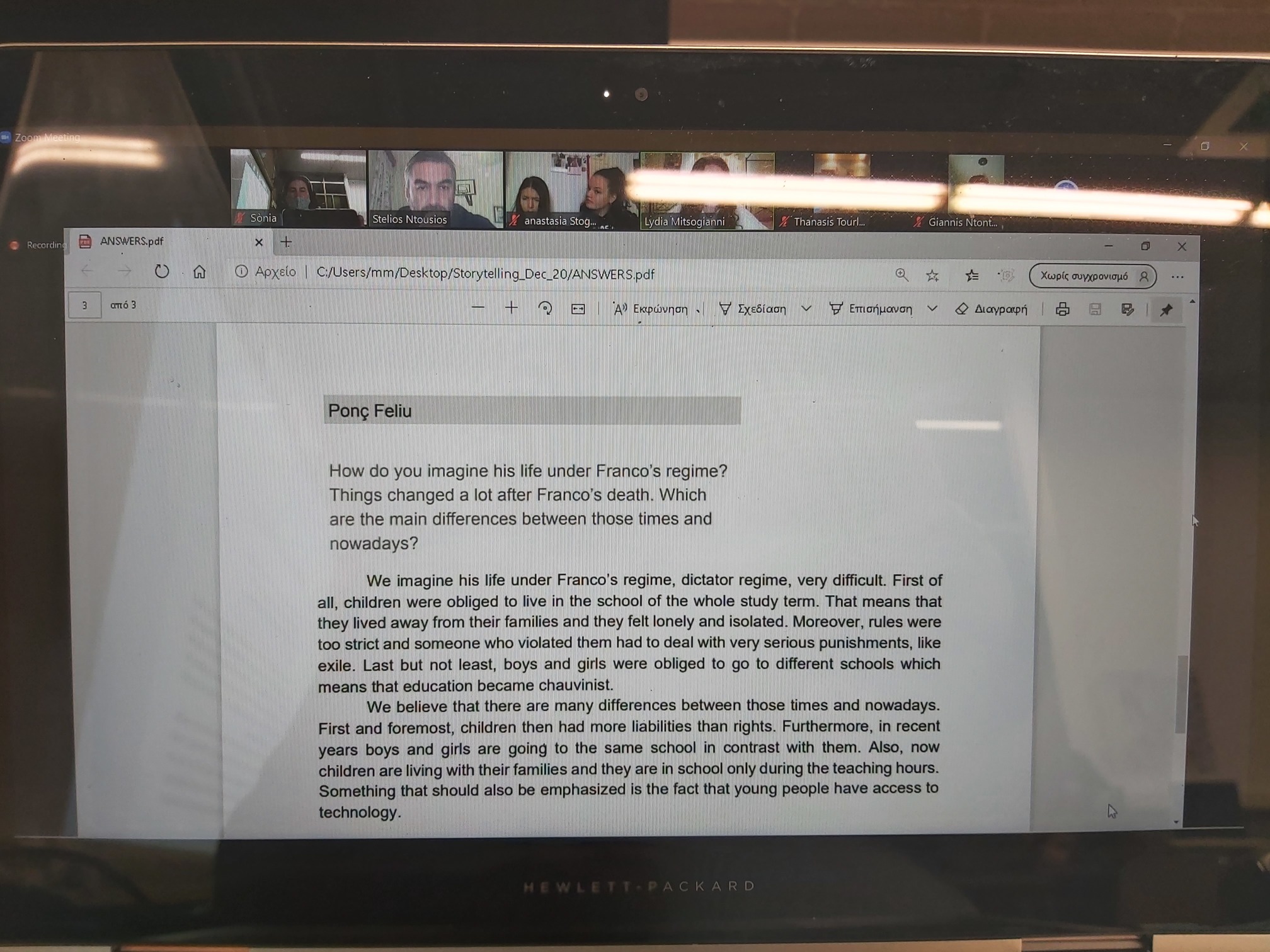
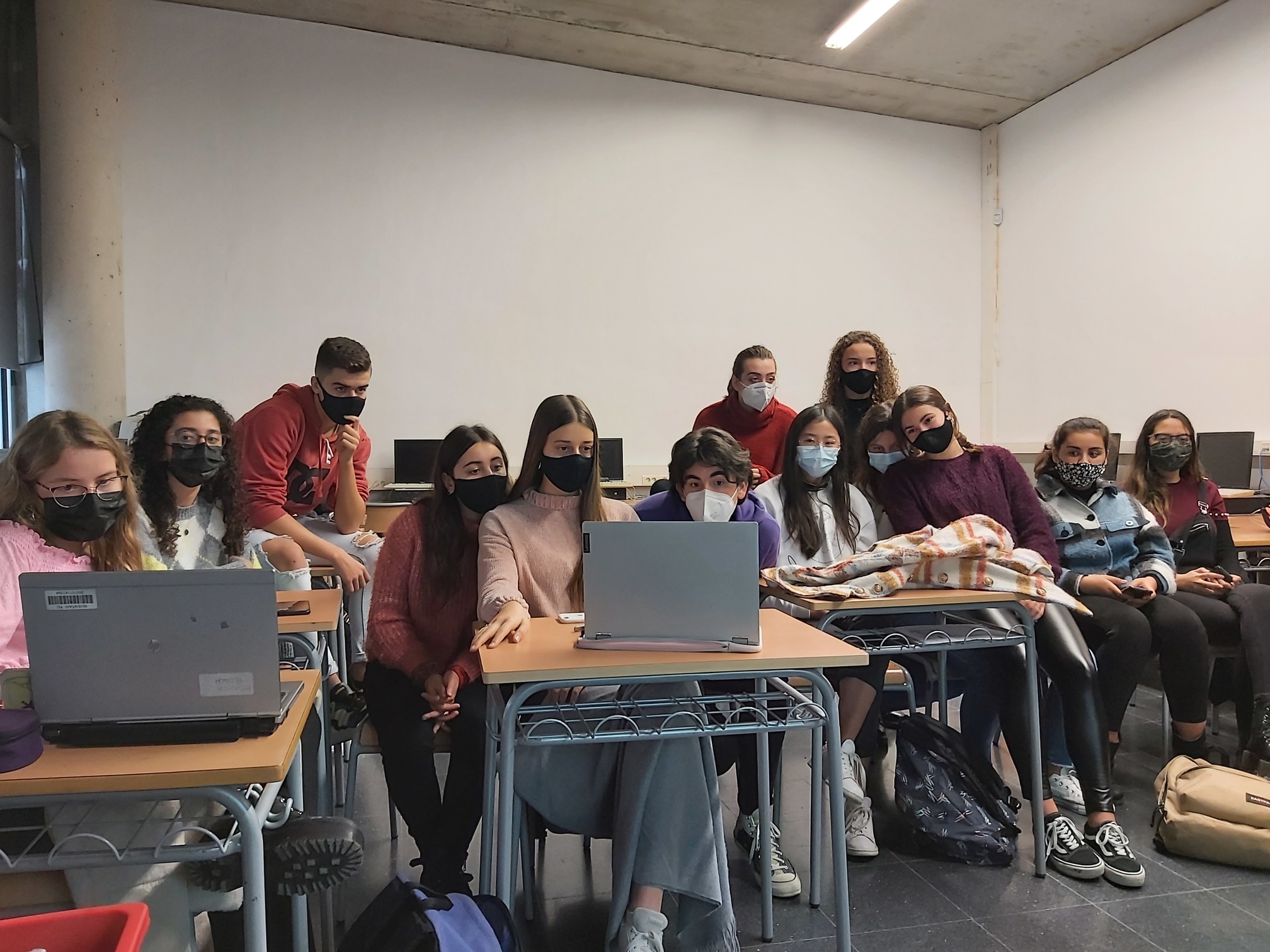
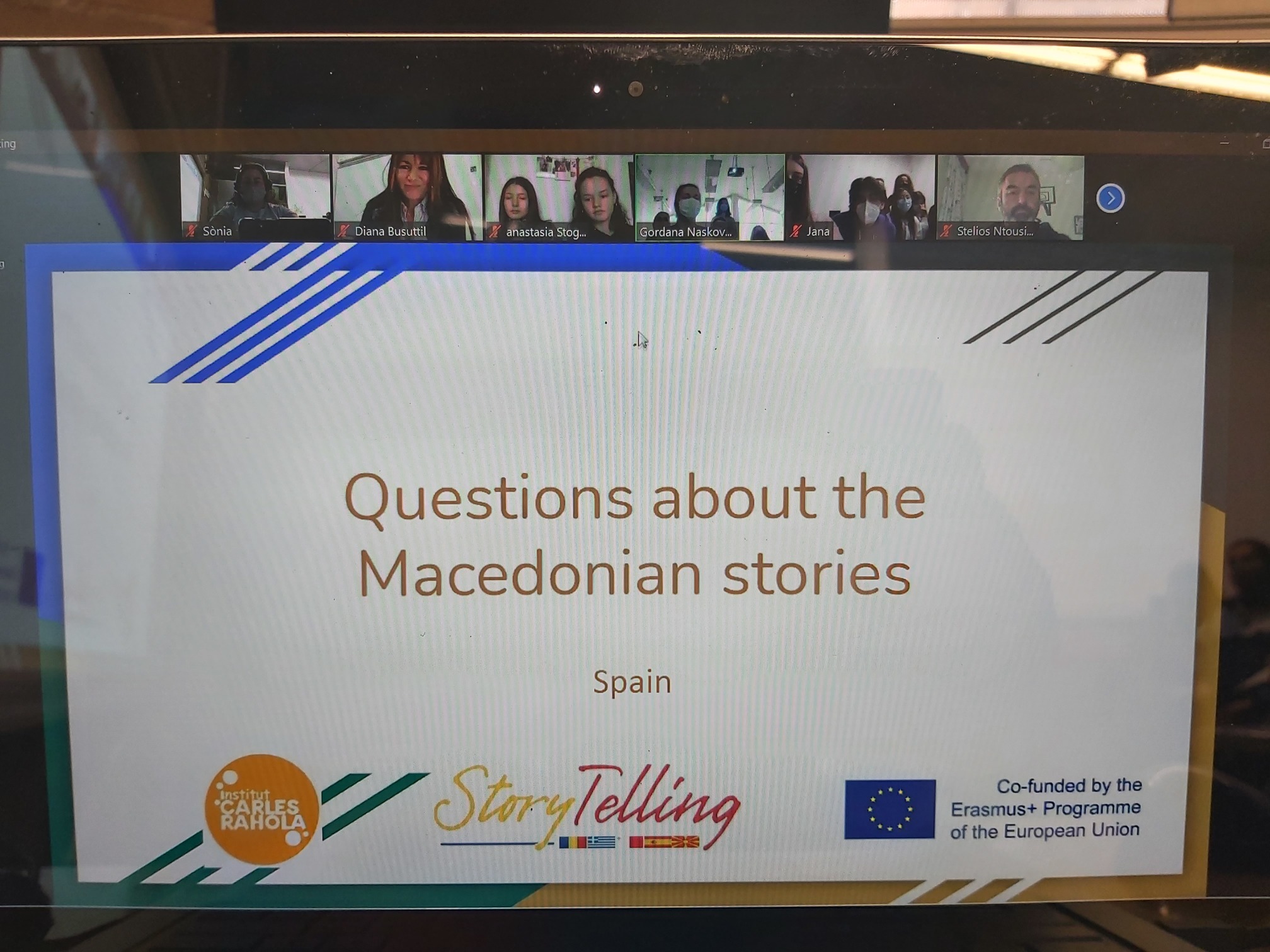
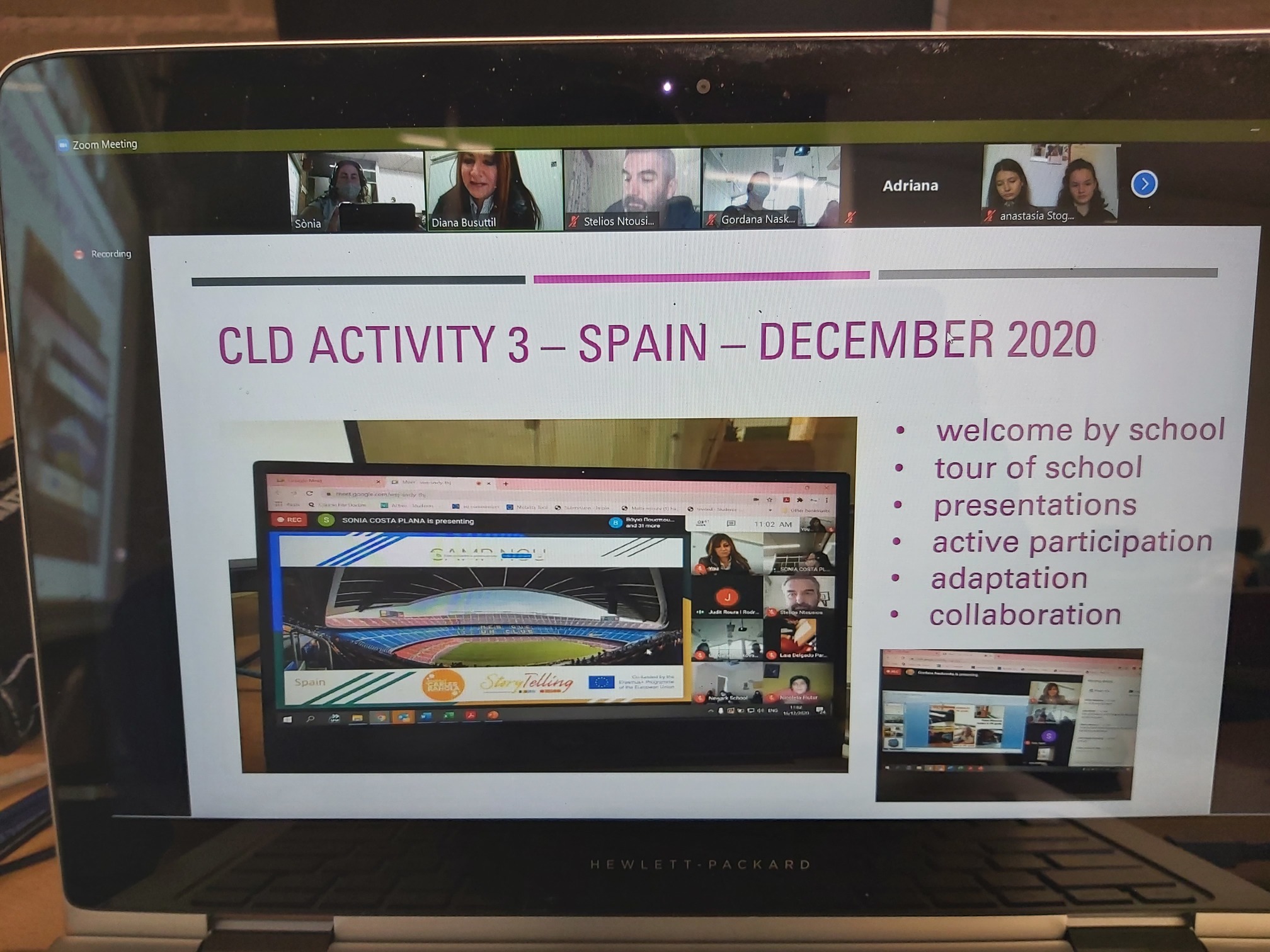
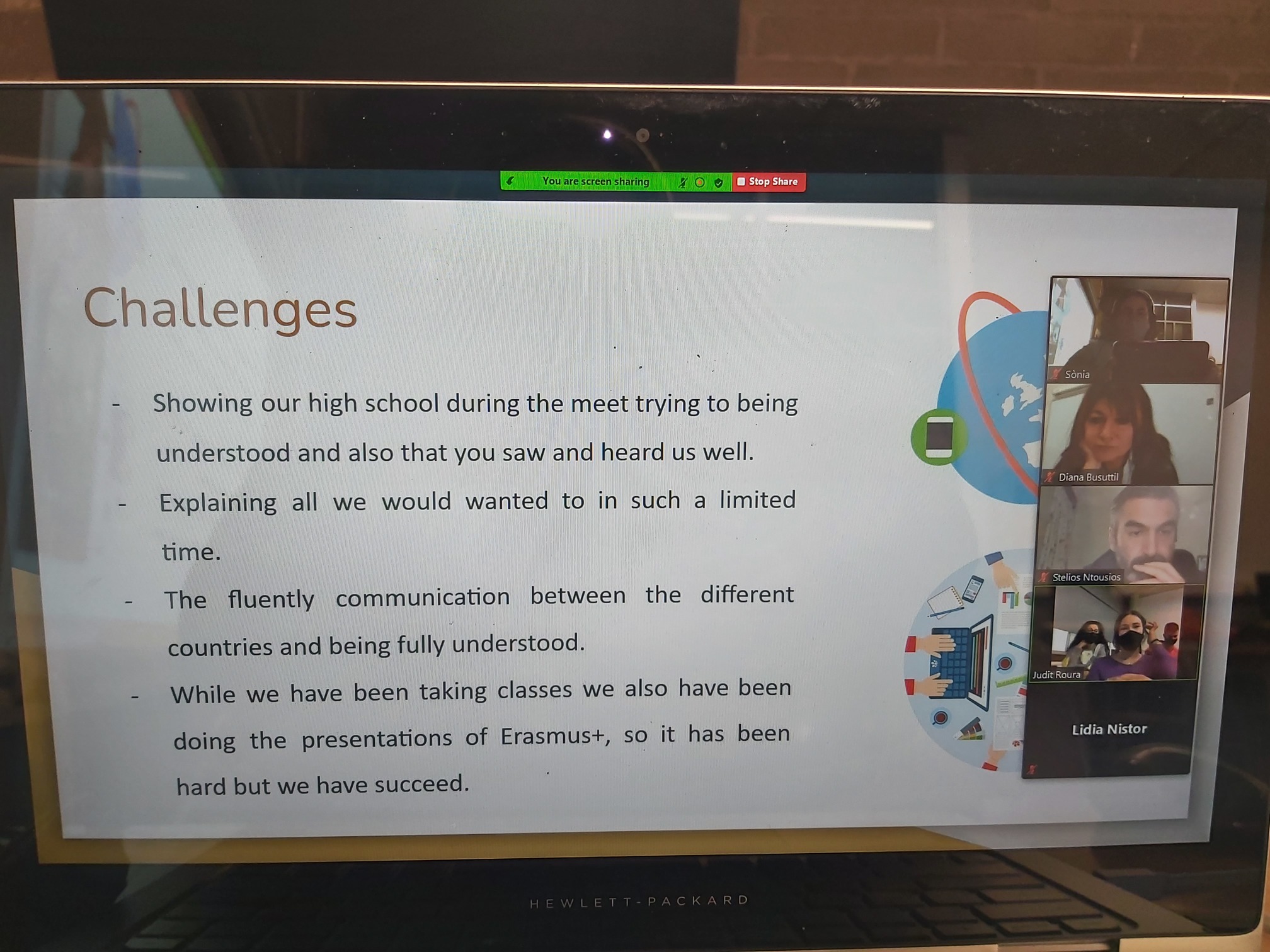
- December 2020 – Virtual Meeting in Spain. Due to COVID-19 it is not possible to travel, and the meeting is held virtually. 4 teachers and 17 students from Spain participated in this meeting. The school is presented, and the project activities are carried out together.

-
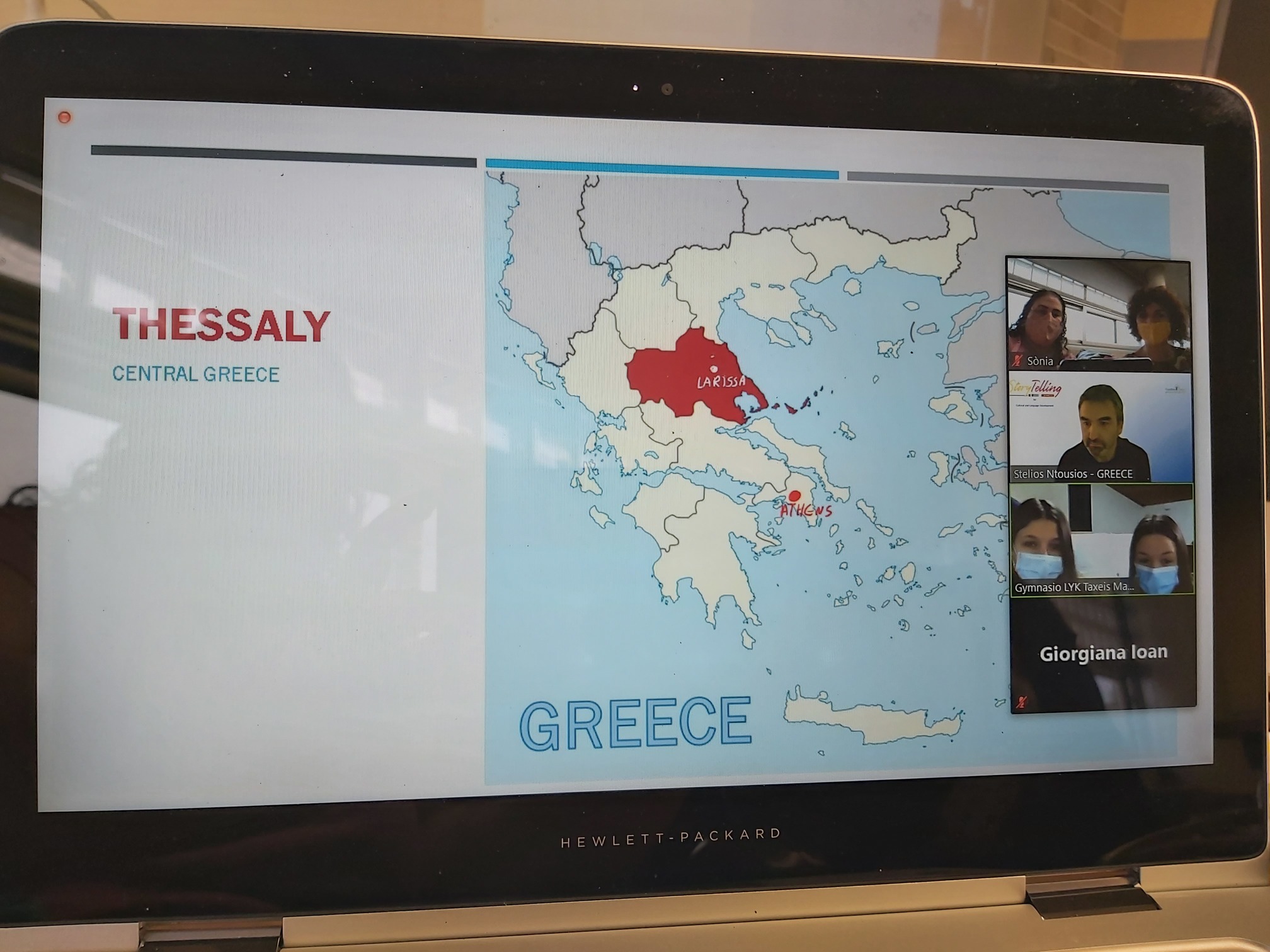
- January 2021 – Virtual Meeting in Greece. Due to COVID-19 it is not possible to travel, and the meeting is held virtually. 3 teachers and 17 students from Spain participated in this meeting. Project activities are carried out together and the book is presented.