
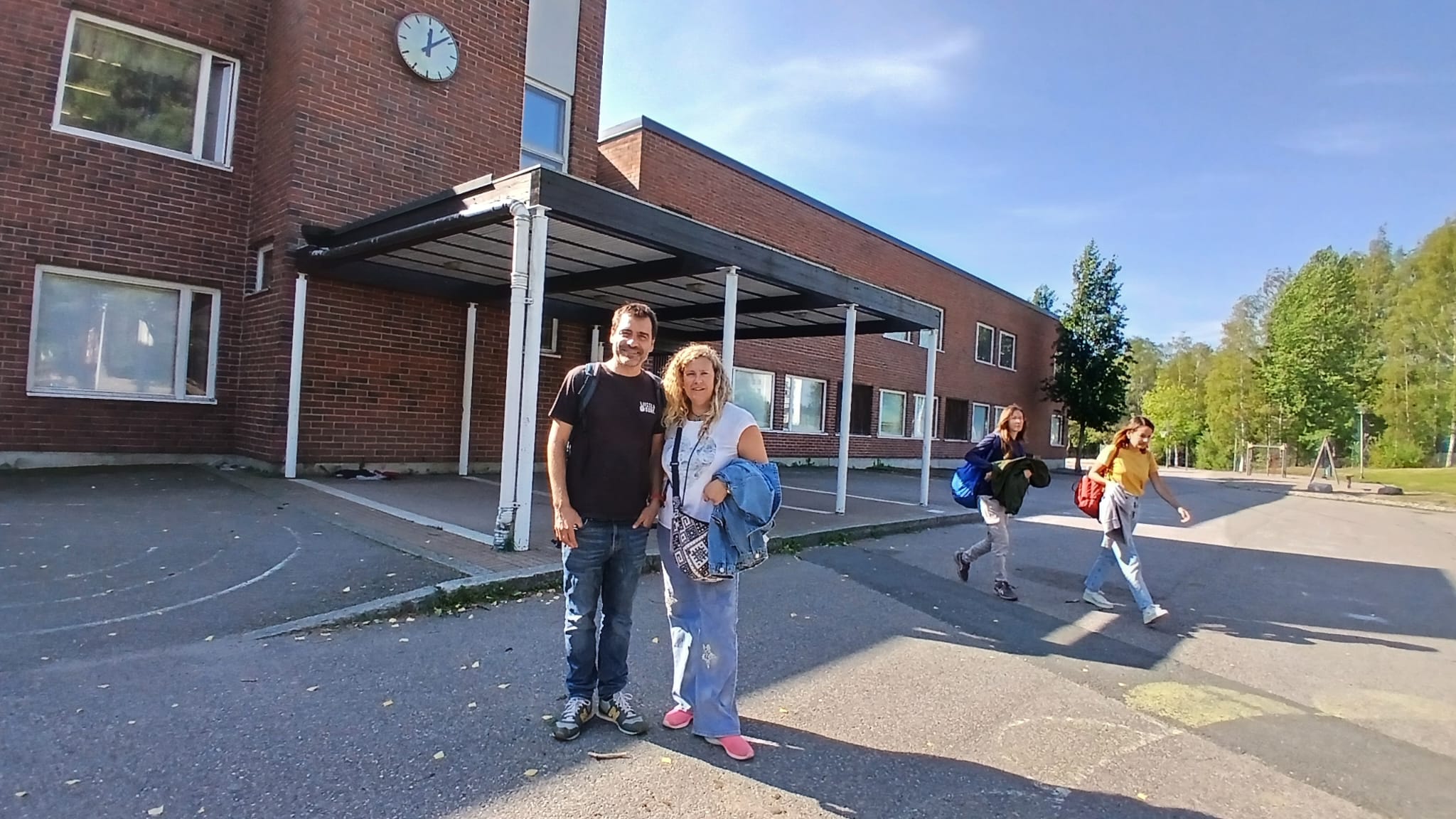
El passat mes d’agost, en Marcos i l’Anna hem tingut l’oportunitat d’endinsar-nos en el sistema educatiu finlandès gràcies a una estada formativa Erasmus+ a Hèlsinki, organitzada per Euneos. Hem participat en el curs HEAT (Helsinki Education in Action for Teachers), que ens ha permès conèixer de prop escoles, metodologies, recursos i la cultura educativa d’un dels països amb millor reputació educativa del món.
Un viatge d’aprenentatge i inspiració
Durant cinc dies hem visitat espais educatius molt diversos, observat pràctiques pedagògiques innovadores i reflexionat sobre les diferències i similituds amb el nostre sistema.
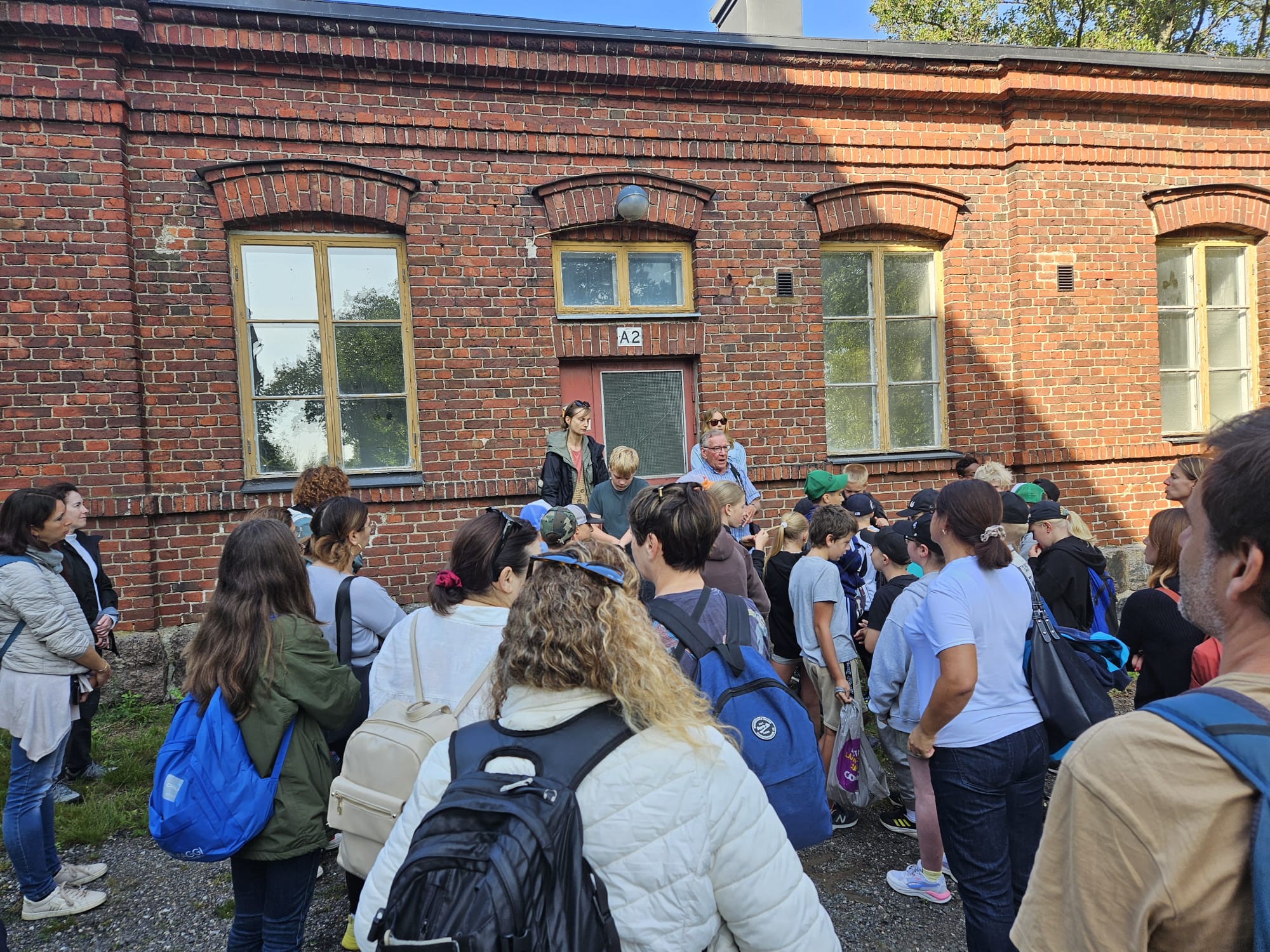
El primer dia vam visitar la Biblioteca Oodi, un espai modern i multifuncional, obert a tota la ciutadania, on conviuen llibres, tecnologia, creativitat i comunitat. A la tarda vam fer una activitat a l’escola primària de l’illa de Suomenlinna, on l’alumnat, amb tablets i una aplicació educativa, realitzava una gimcana geolocalitzada per aprendre sobre l’entorn. Una combinació ideal de tecnologia, autonomia i aprenentatge actiu!
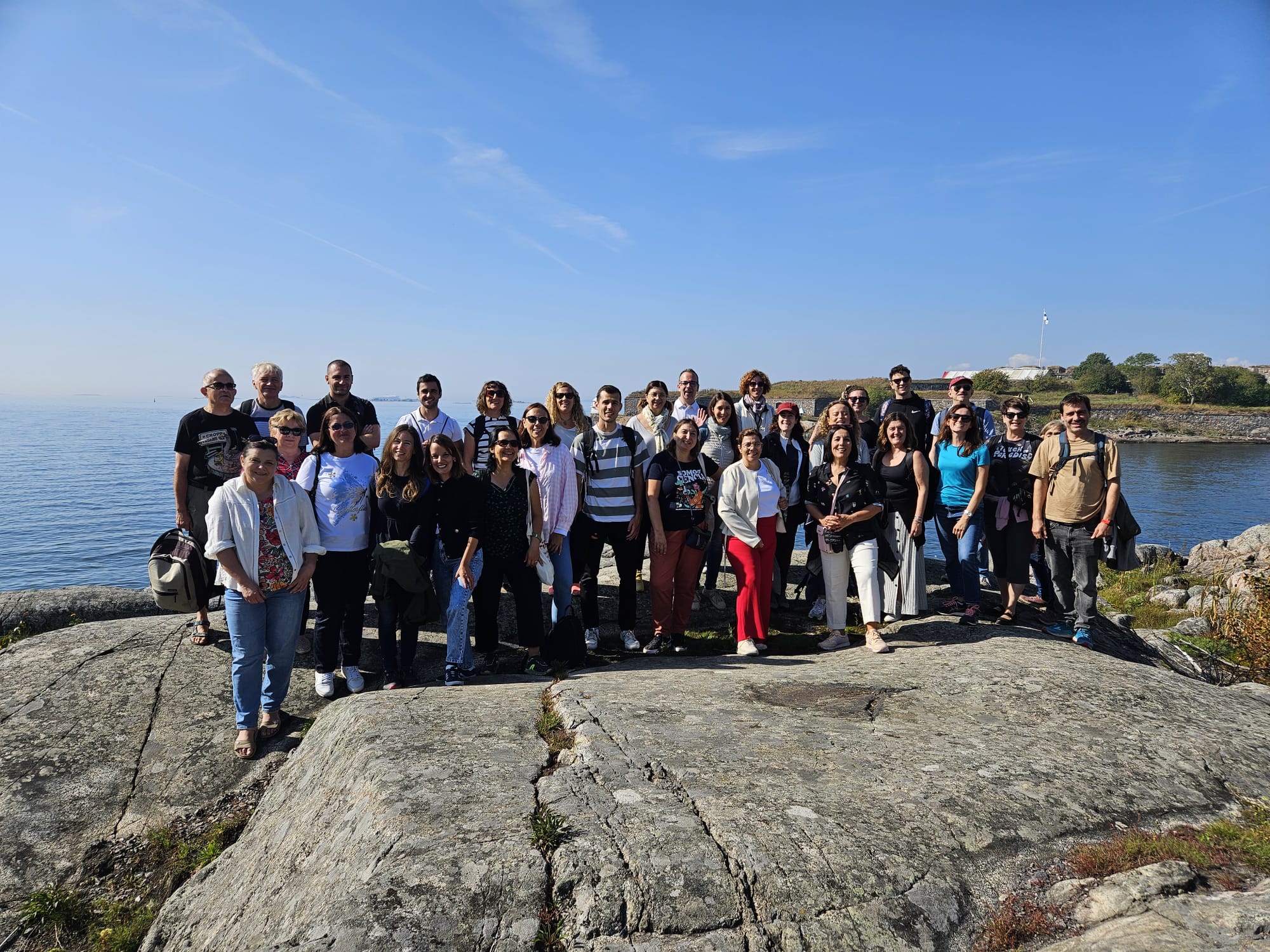
El segon dia, després de descobrir la història de la fortalesa de Suomenlinna (Patrimoni de la Humanitat), vam visitar la Universitat de Hèlsinki, on vam conèixer el sistema d’accés universitari i vam conversar sobre el suport econòmic que reben els estudiants. Ens va cridar l’atenció l’ambient obert i l’accessibilitat dels espais.
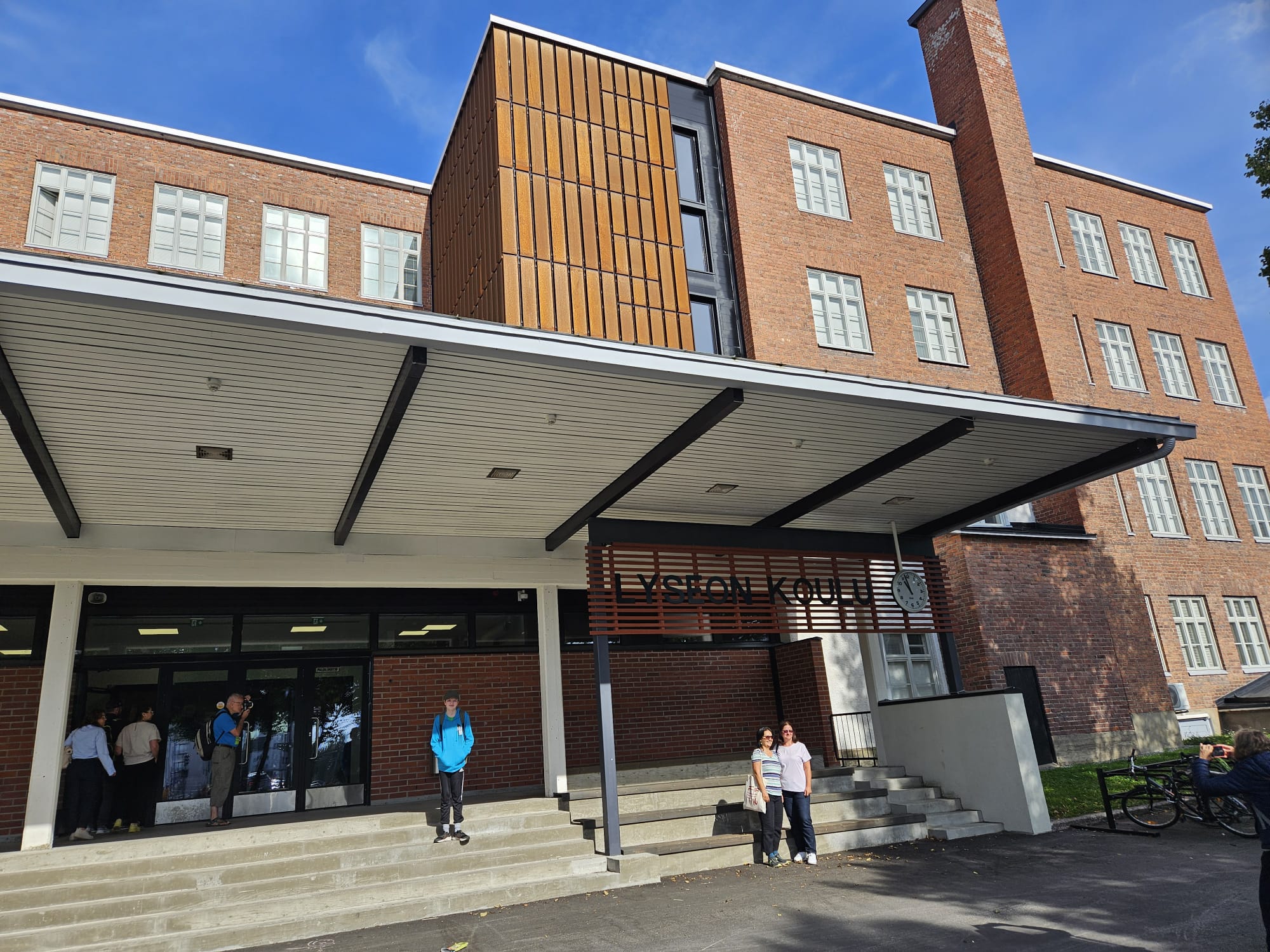
El tercer dia vam poder entrar en un institut de secundària i assistir a classes reals. Tot i que la metodologia era més tradicional, ens va sorprendre positivament la calma a les aules, l’autonomia dels alumnes i el respecte en les relacions docents-alumnat.
El quart dia vam visitar el Museu de Ciència Eureka, un espai interactiu i molt recomanable per treballar les competències STEAM a través del joc i l’experimentació. A la tarda vam gaudir d’una experiència ben finlandesa: sauna a l’illa de Suomenlinna!
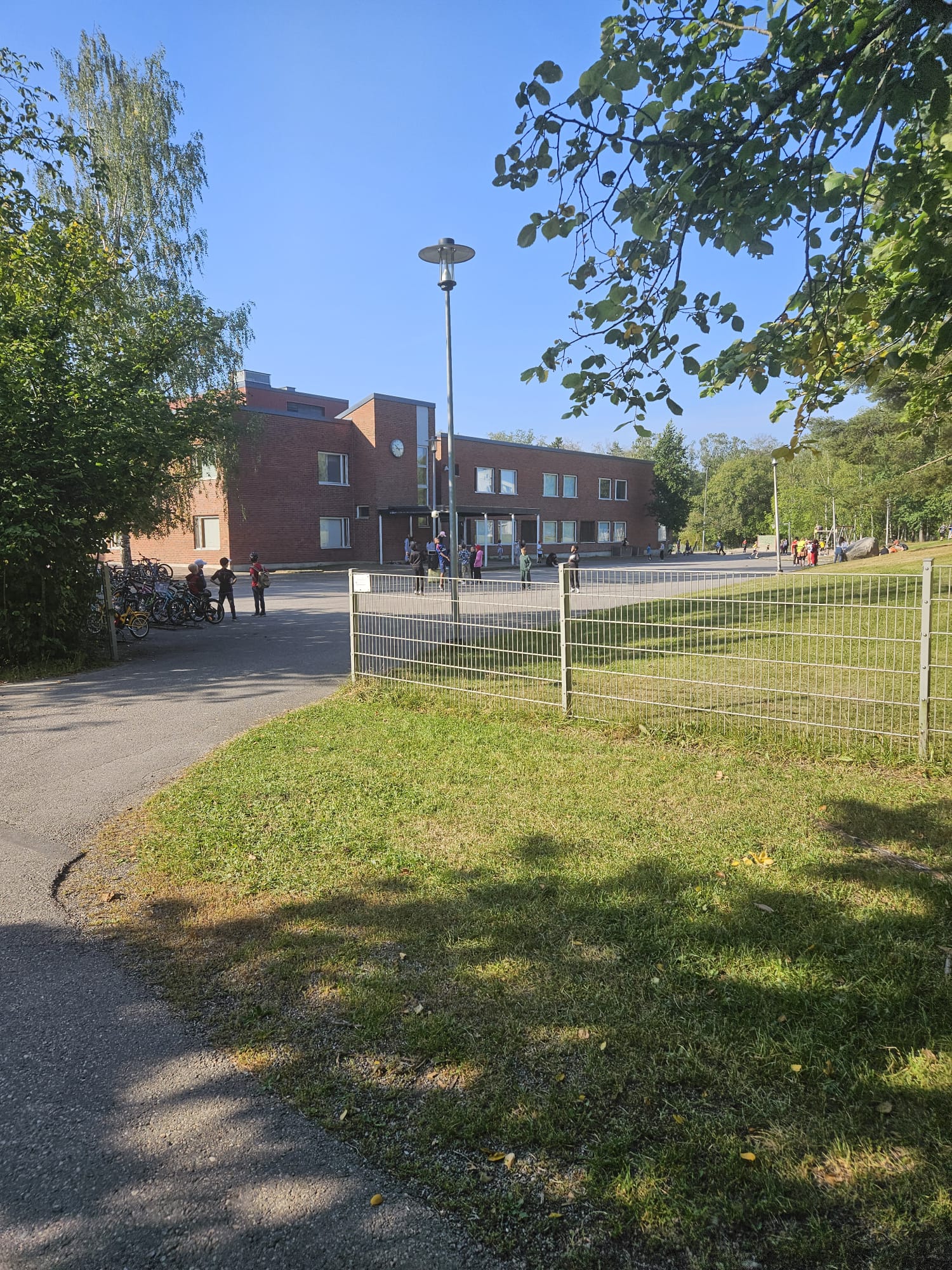
El darrer dia vam observar de prop l’etapa d’educació infantil (0-6 anys) i primària. Ens va impactar la baixa ràtio, l’ambient de confiança, i l’autonomia que tenen els infants. El respecte pel ritme de cada nen i nena és una constant en tot el sistema educatiu.
Què fa diferent el sistema educatiu finlandès?
Durant el curs vam analitzar amb detall les claus del model finlandès. A grans trets, els elements que més ens han fet reflexionar són:
-
Alta exigència en la formació del professorat, amb accés molt selectiu i formació de màster obligatòria.
-
Condicions laborals dignes, amb sous més alts, ràtios més baixes i escoles ben equipades.
-
Gran autonomia dels centres i del professorat, sense control burocràtic excessiu.
-
Confiança institucional i social en els mestres i en l’alumnat.
-
Suport real a les famílies i als estudiants: educació gratuïta, beques, ajuts a l’habitatge…
Una reflexió que ens emportem
Aquest Erasmus+ ens ha confirmat que l’èxit educatiu no depèn només de tenir “noves metodologies”, sinó d’un ecosistema educatiu coherent, cuidat i basat en el benestar col·lectiu. Ens tornem amb moltes idees i una mirada enriquida per seguir millorant l’educació que oferim.
English Version
Last August, Marcos and Anna had the opportunity to immerse ourselves in the Finnish education system thanks to an Erasmus+ training stay in Helsinki, organized by Euneos. We took part in the HEAT course (Helsinki Education in Action for Teachers), which allowed us to explore schools, methodologies, resources, and the educational culture of one of the countries with the best educational reputation in the world.
A journey of learning and inspiration
For five days, we visited a wide variety of educational spaces, observed innovative teaching practices, and reflected on the differences and similarities with our own system.
On the first day, we visited Oodi Library, a modern, multifunctional space open to the public, where books, technology, creativity, and community coexist. In the afternoon, we participated in an activity at the primary school on the island of Suomenlinna, where students, using tablets and an educational app, carried out a geolocated scavenger hunt to learn about their surroundings. An ideal combination of technology, autonomy, and active learning!
On the second day, after discovering the history of the Suomenlinna fortress (a UNESCO World Heritage Site), we visited the University of Helsinki, where we learned about the university admission system and discussed the financial support students receive. We were struck by the open atmosphere and the accessibility of the facilities.
On the third day, we visited a secondary school and attended real classes. Although the methodology was more traditional, we were positively surprised by the calm environment in the classrooms, the students’ autonomy, and the respectful relationships between teachers and students.
On the fourth day, we visited the Eureka Science Museum, an interactive and highly recommended space to work on STEAM skills through play and experimentation. In the afternoon, we enjoyed a truly Finnish experience: a sauna on the island of Suomenlinna!
On the final day, we closely observed early childhood education (ages 0–6) and primary education. We were impressed by the low student-teacher ratio, the atmosphere of trust, and the autonomy given to children. Respect for each child’s individual pace is a constant throughout the Finnish education system.
What makes the Finnish education system different?
Throughout the course, we thoroughly analyzed the key aspects of the Finnish model. In general, the elements that made us reflect the most were:
- High standards for teacher training, with a very selective entry process and mandatory master’s-level education.
- Dignified working conditions, including higher salaries, lower student-teacher ratios, and well-equipped schools.
- Great autonomy for schools and teachers, with no excessive bureaucratic control.
- Institutional and social trust in teachers and students.
- Genuine support for families and students: free education, scholarships, housing assistance, etc.
A reflection we take home
This Erasmus+ experience confirmed for us that educational success doesn’t rely solely on having “new methodologies,” but on having a coherent, well-supported educational ecosystem rooted in collective well-being. We return home with many new ideas and a richer perspective to continue improving the education we provide.