


Science Project

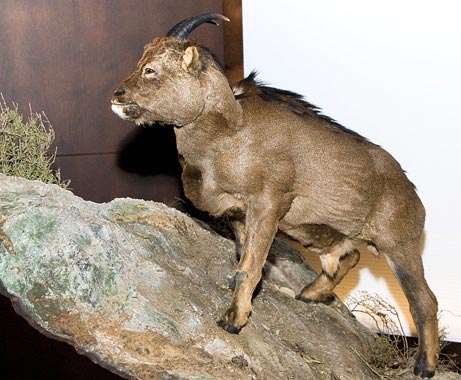
Myotragus

Myotragus

picture1-deeeeffff

picture1-deeeeffff

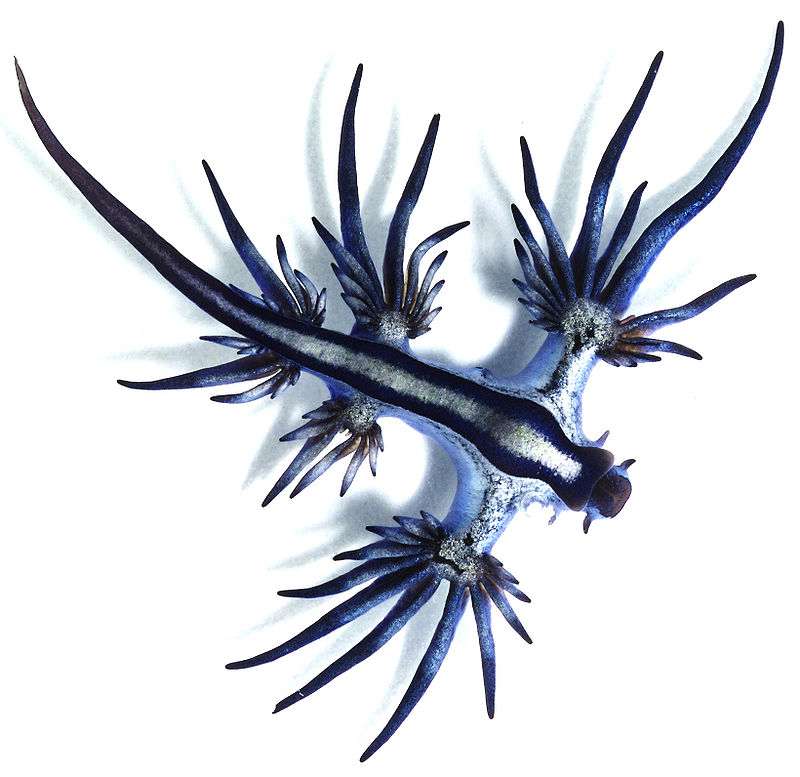
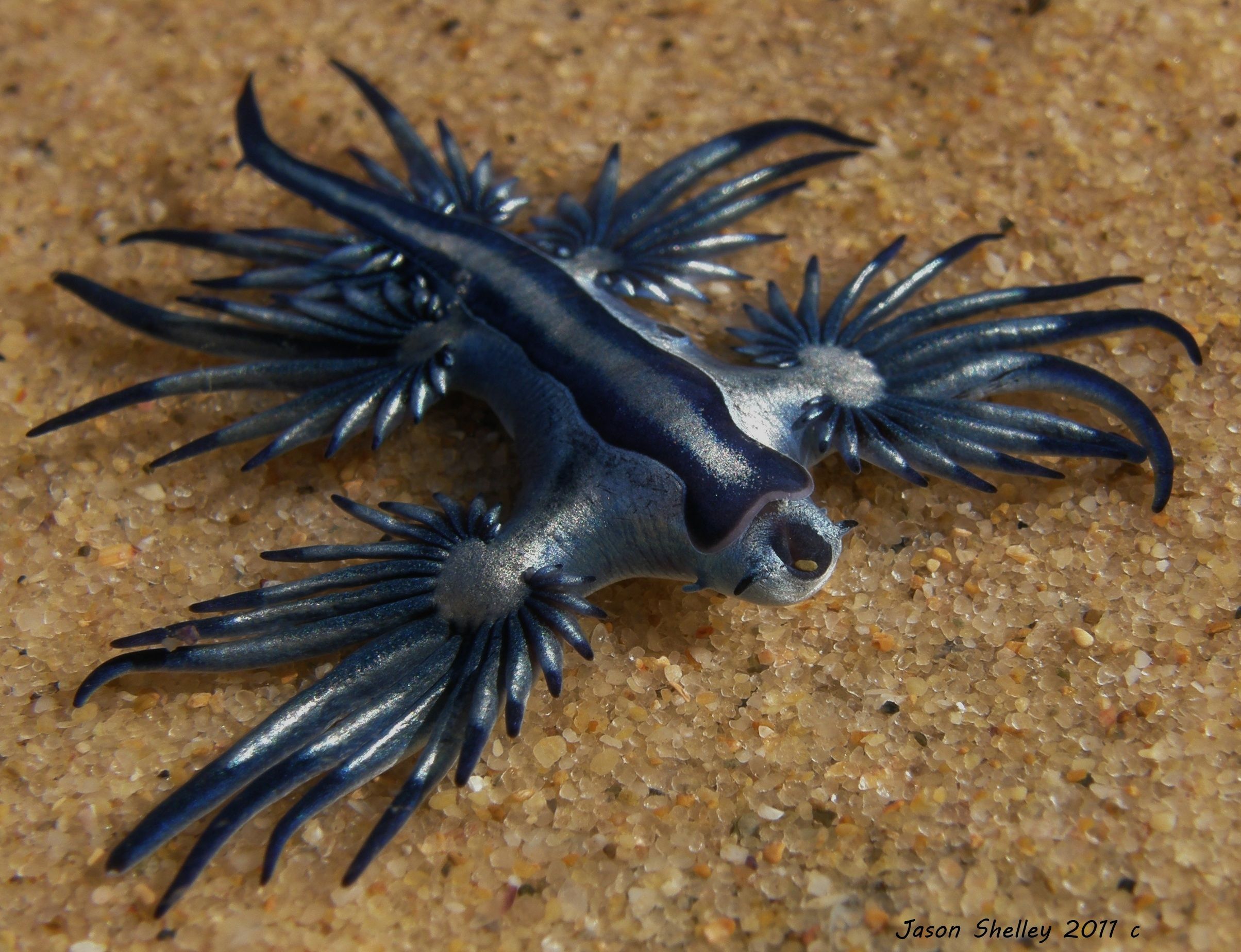
glaucus_atlanticus

glaucus_atlanticus

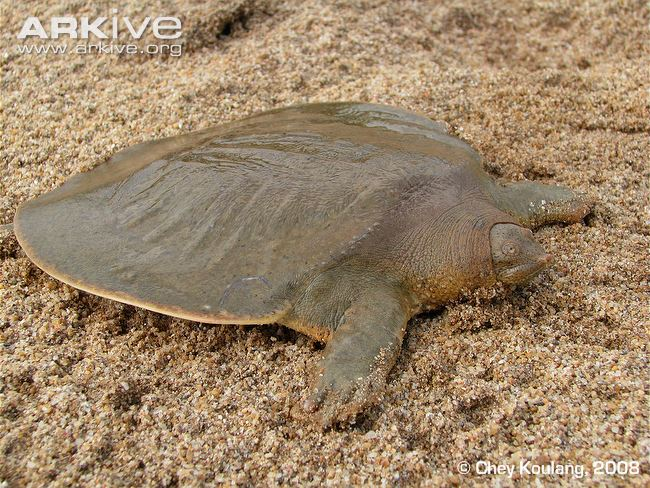
pelochelys

pelochelys

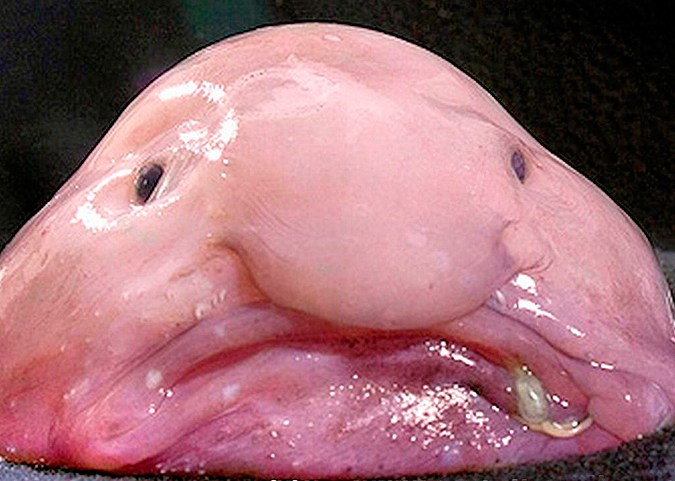
blobfish (psychrolutes-marcidus)

blobfish (psychrolutes-marcidus)

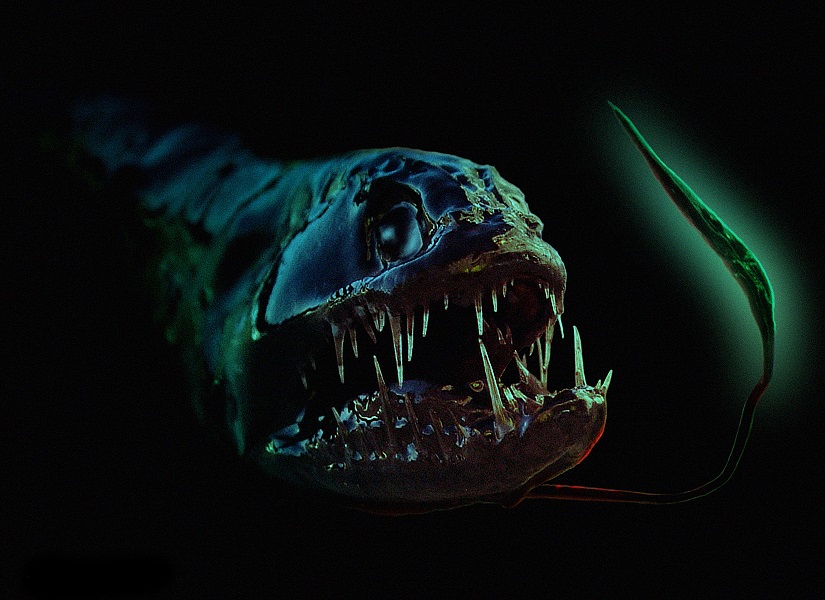
dragonfish

dragonfish

dragon-azul

dragon-azul

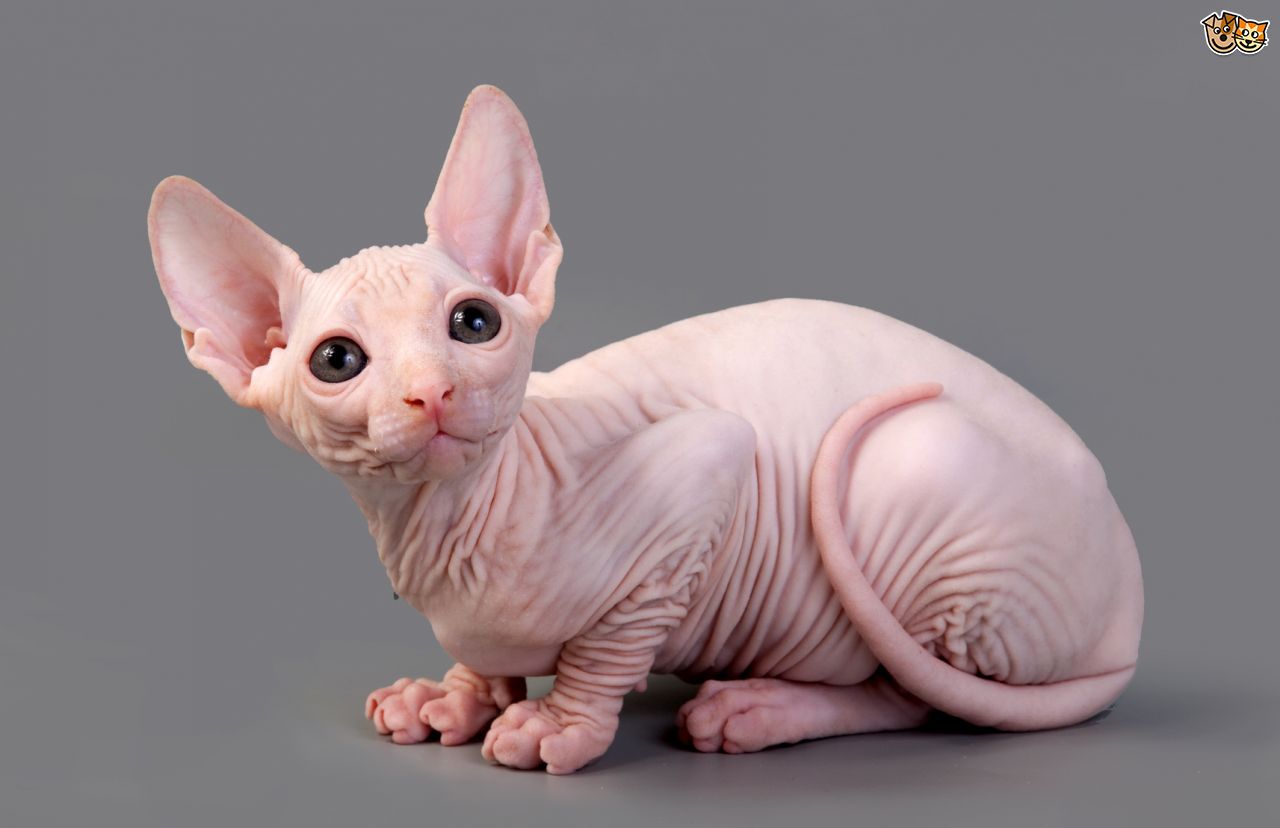
sfinx-cat

sfinx-cat

molva

molva

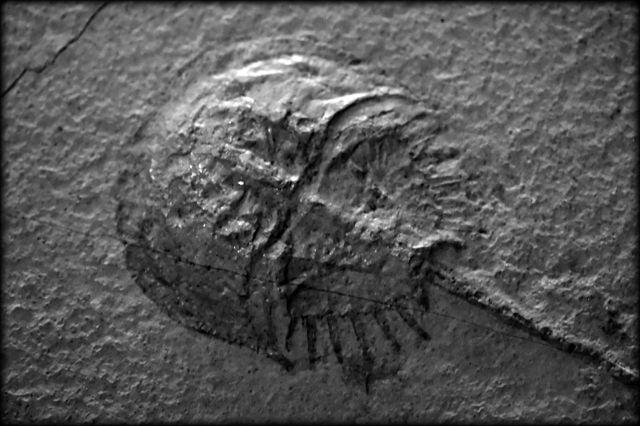
Limulus polyphemus

Limulus polyphemus

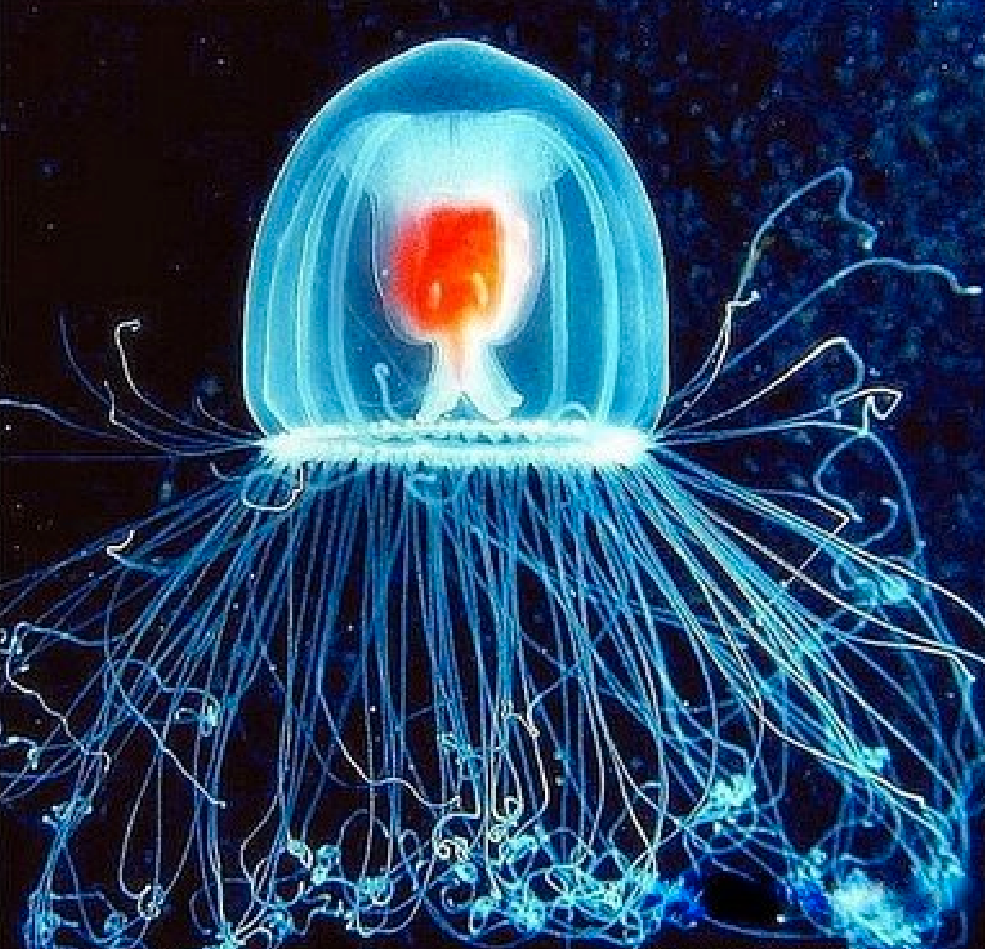
medusa fluorescent

medusa fluorescent

medusa fluorescent

medusa fluorescent

conejo-de-oceano

conejo-de-oceano

Limulus polyphemus

Limulus polyphemus

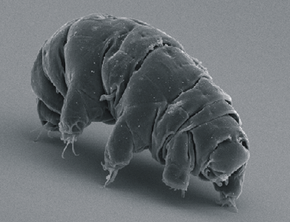
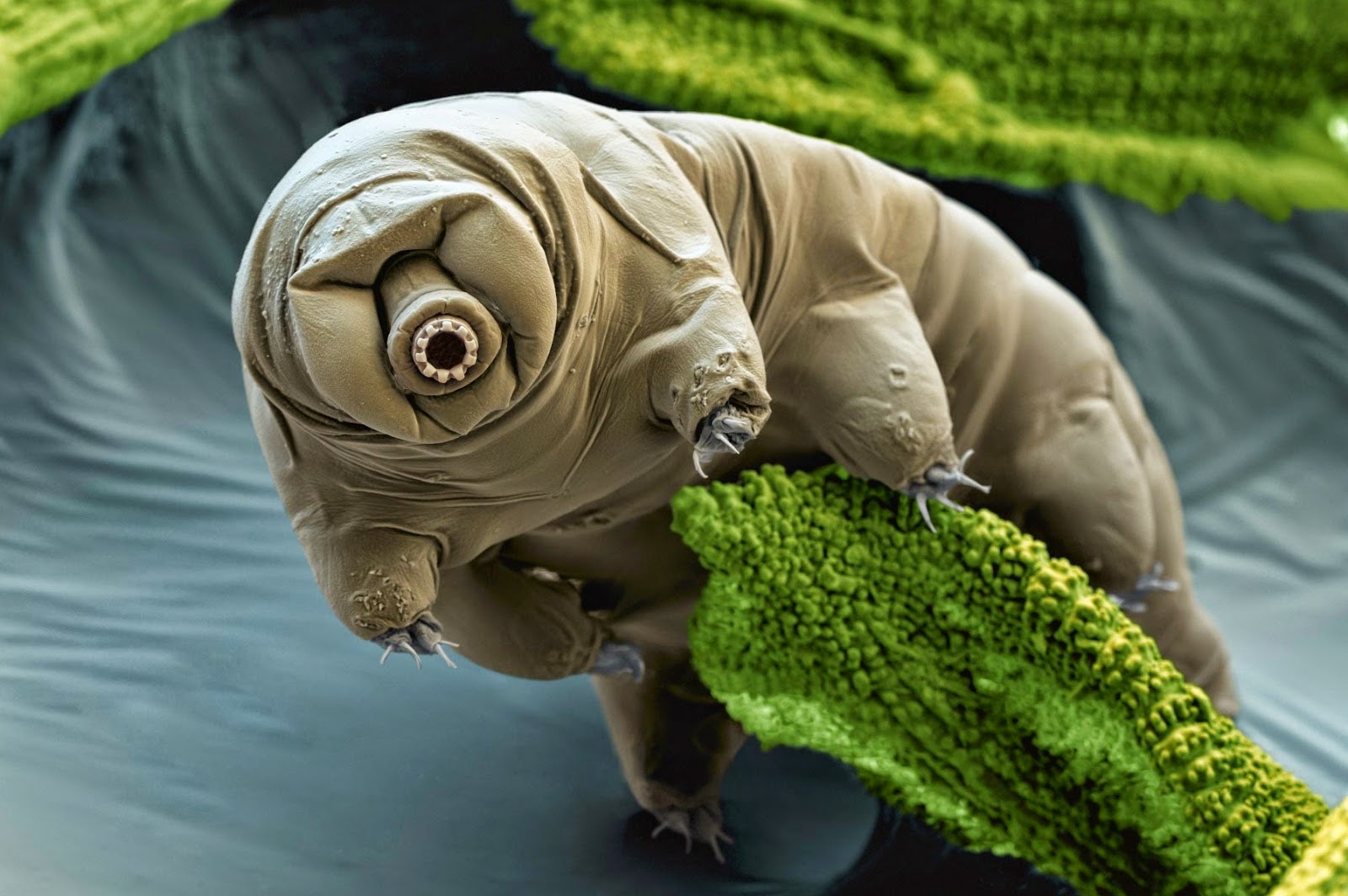
Tardigrado

Tardigrado

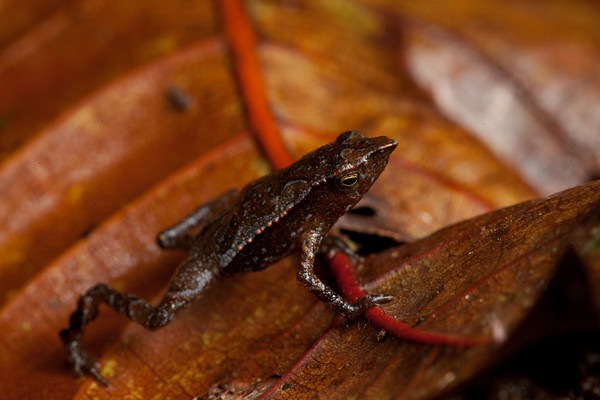
mr.burns toad

mr.burns toad

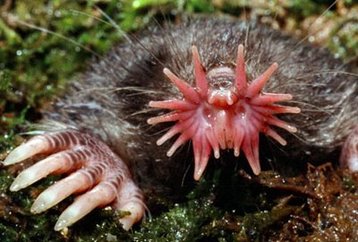
star nose mole

star nose mole

tardigrado

tardigrado

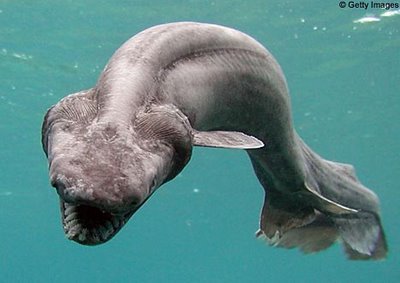
tiburon-prehistorico

tiburon-prehistorico

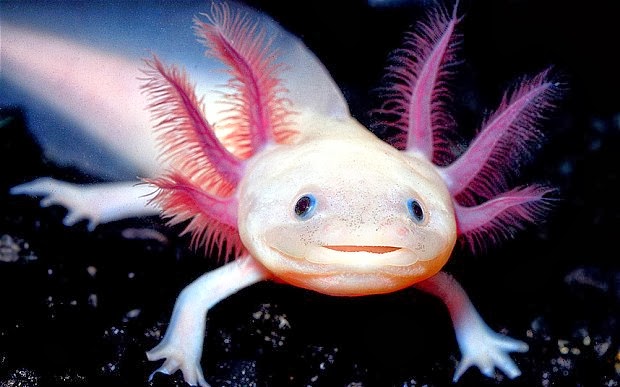
axolotl

axolotl

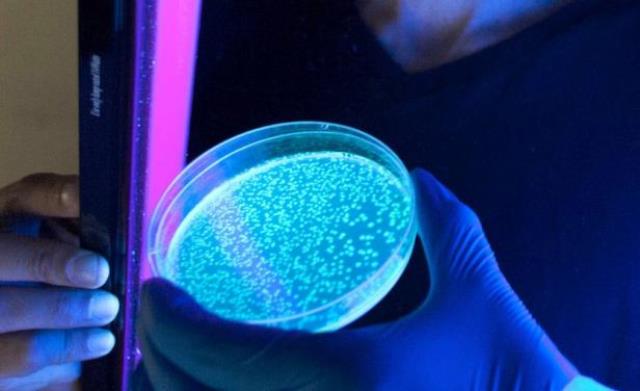
bacteria

bacteria

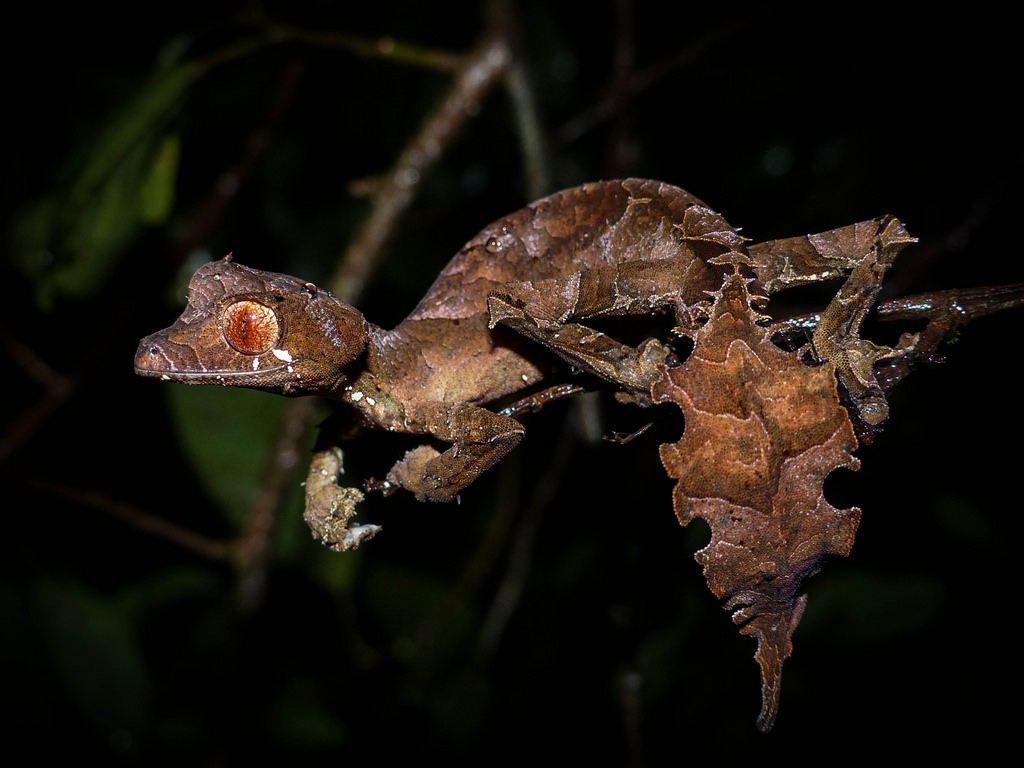
geco hoja diabolico

geco hoja diabolico

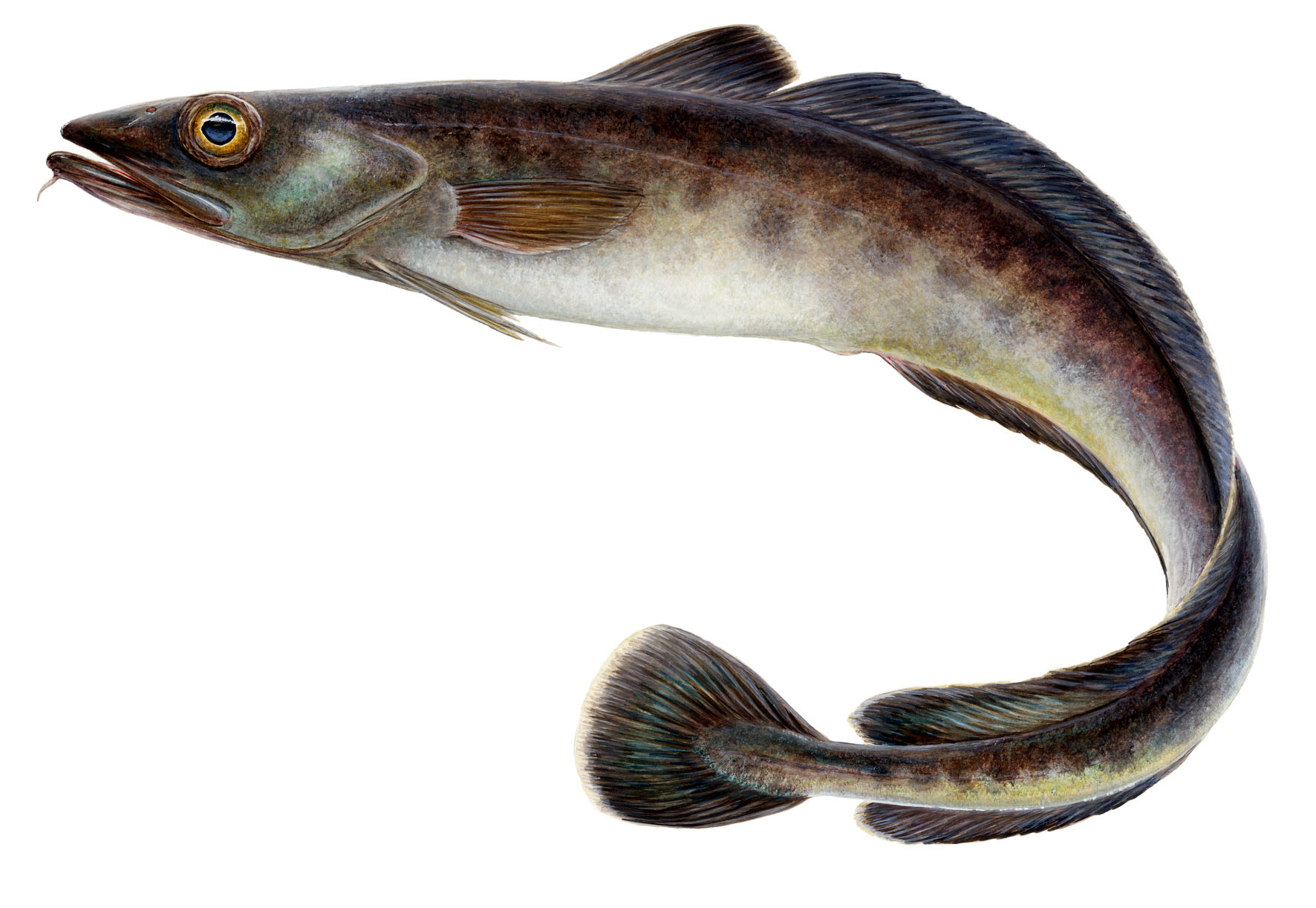
Blue Ling (Molva dypterygia)

Blue Ling (Molva dypterygia)

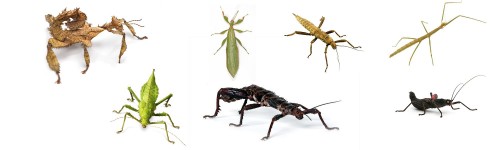
stick-insects-phasmatodea

stick-insects-phasmatodea

geco

geco

Els professors d’Anglès i Ciències que fem classe a 1r d’ESO ens hem engrescat en un petit projecte d’una setmana de durada on els alumnes de 1r d’ESO practicaran l’Anglès i buscaran les espècies més estranyes de la Terra.

Science Project. Jorruna parva 1ESO D
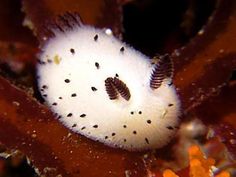
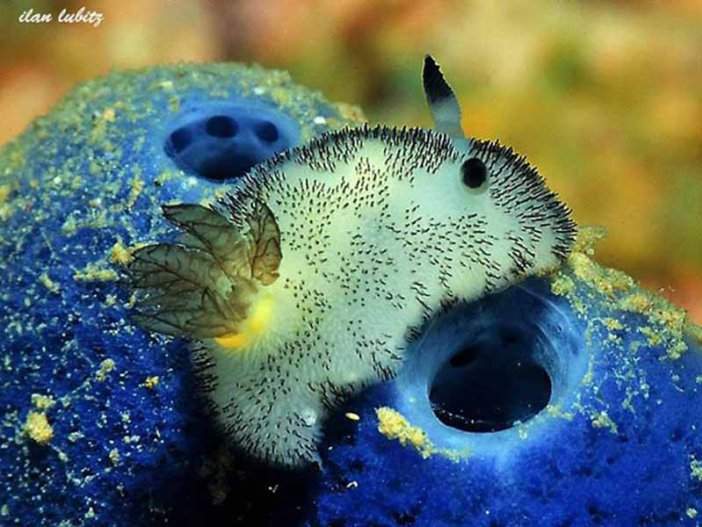
JORUNNA PARVA                                 Jorunna parva is a strange animal because it’s a type os sea slug and it’s looks like a rabbit, but it’s not a rabbit. It’s a small animal, the most are less than 2.5 centimeters long and may be found in the Indo-Pacific Ocean of Africa South to the central Pacific, (Japan, Philippines, Seychelles, Papua New Guinea…). Although the most popular features of these animal show white animal with black spots, these sea slugs are usually yellow or orange. The two antennas on top of its head,are sensory organs. Called rhinophores, they detect chemicals substances in the water that           helps sea bunnies find food and mates. The rhinophores are covered in little flaps that boost their detection capabilities, allowing Jorunna parva to sense its environment very efficiently.  This animal eats sea sponges, this sea esponges are toxic, when they feed on them, absorb these toxins and used them to defend themselves against their enemies. The sea bunny, like most sea slugs, is a hermaphrodite. They have both male and female reproductive organs, and when they mate, both partners exchange spermatozoide. The Jorunna parva can live between four month and one year.   www.nauticalnewstoday.com www.nationalgeographic.com BY: Fatima, Paula, Sergi

Science Project. Jorruna parva 1ESO D Llegeix més »

Science Project. Molva DIPTERYGIA 1ESO B

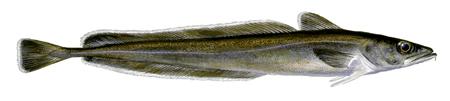
                                                                                                                                                               Molva DIPTERYGIA                                     (Blue ling) The Molva is a medium to large sized, very long and slender codfish. The Molva feeds primarily on other fishes, but also to a lesser extent,on benthic invertebrates. Spawning takes place in deep waters off the south and west coasts, from February to April. The Molva can reach 20 years of age. the molva live in Icelandic waters. Icelandic catches have been between 1,000 and 2,000 tonnes annually.          

Science Project. Molva DIPTERYGIA 1ESO B Llegeix més »

Desplaça cap amunt
Ves al contingut