


Ruta arquitectònica per Barcelona
Ahir, quart dia de l’acollida, vam visitar la ciutat de Barcelona, tal com ens havia demanat l’institut txec. De les diferents propostes que els vam presentar, van triar la ruta a peu pels indrets més emblemàtics de la ciutat i els vam organitzar un itinerari que ens permetés contemplar estils arquitectònics diversos.
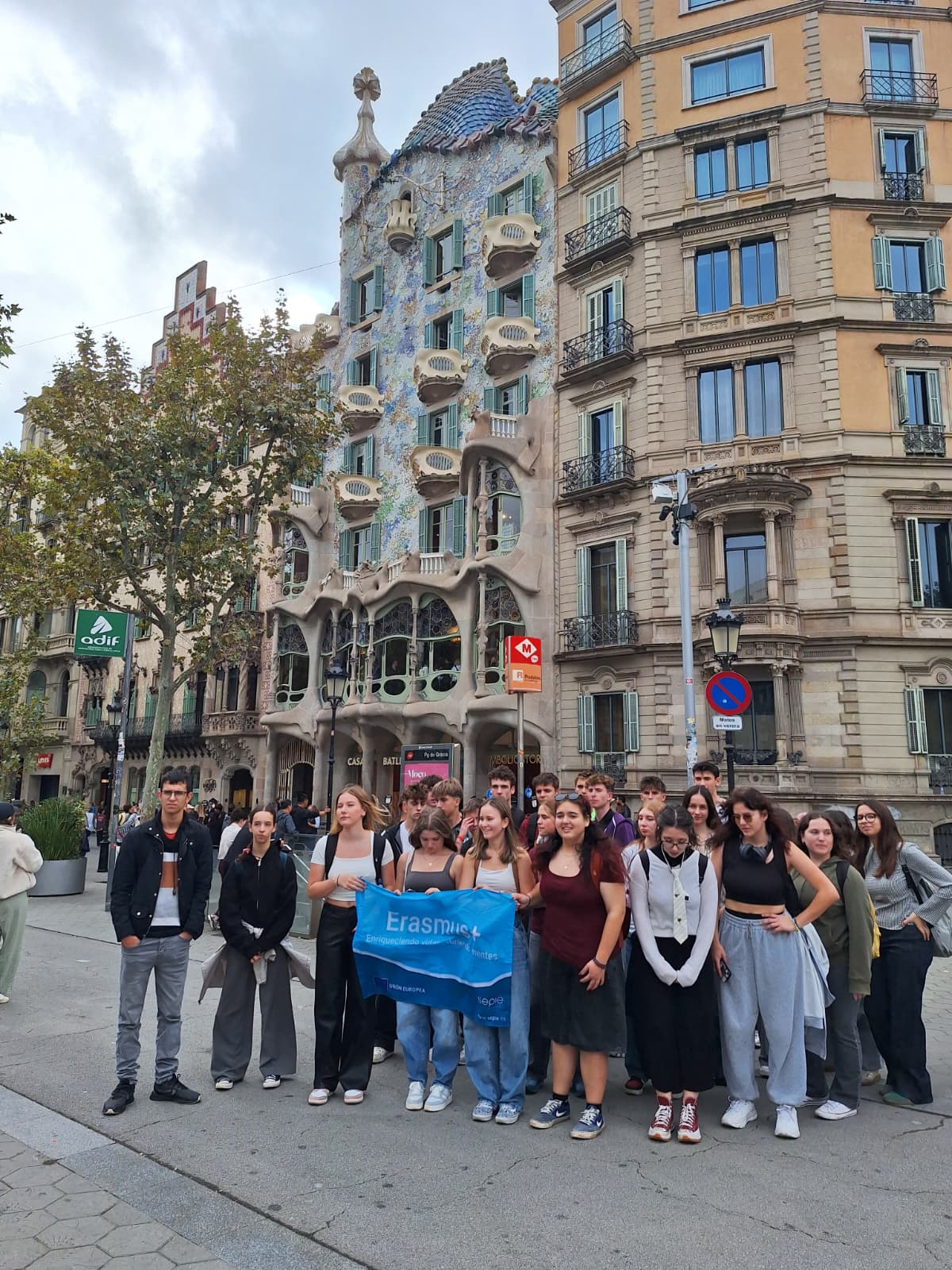
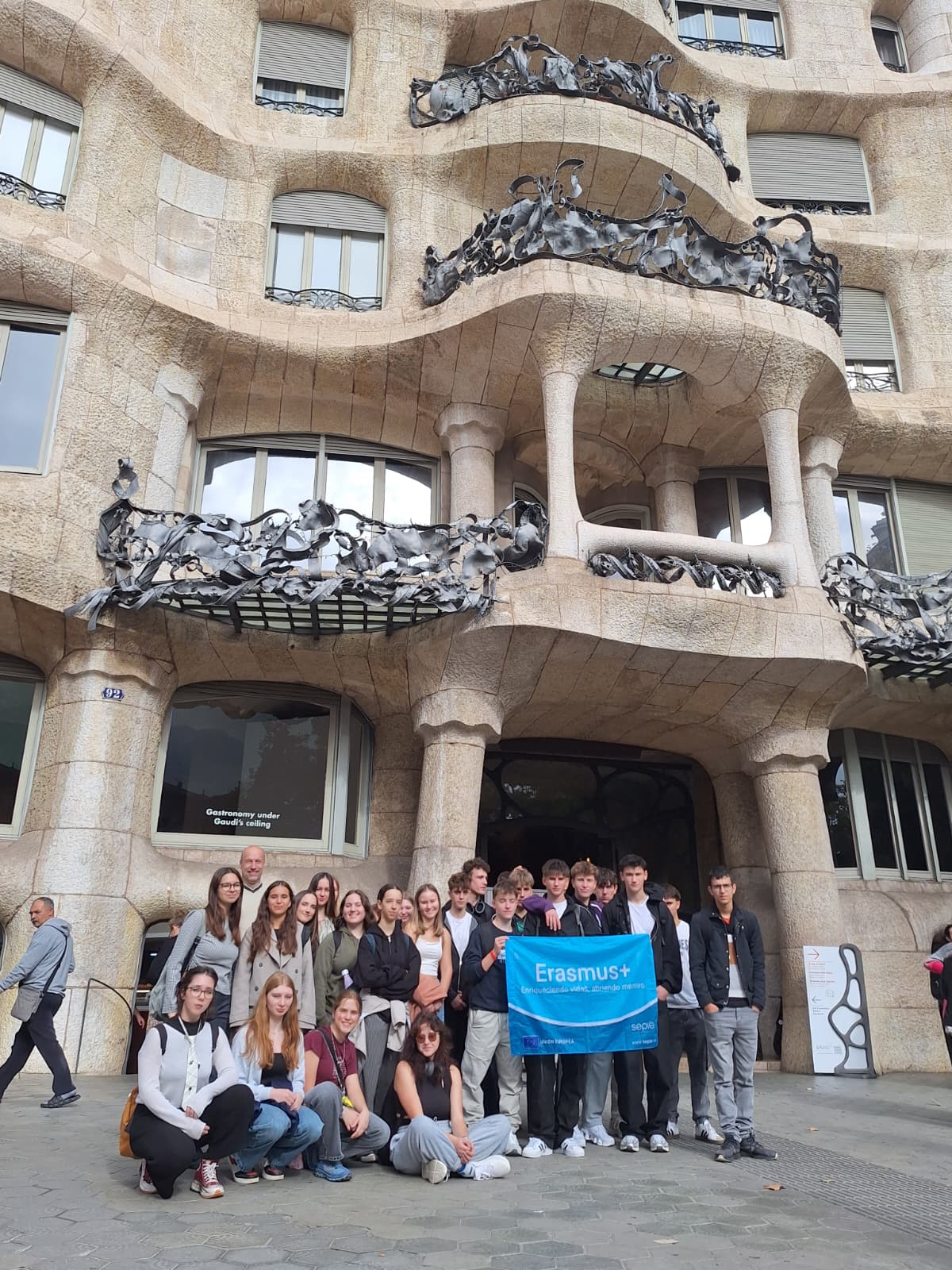
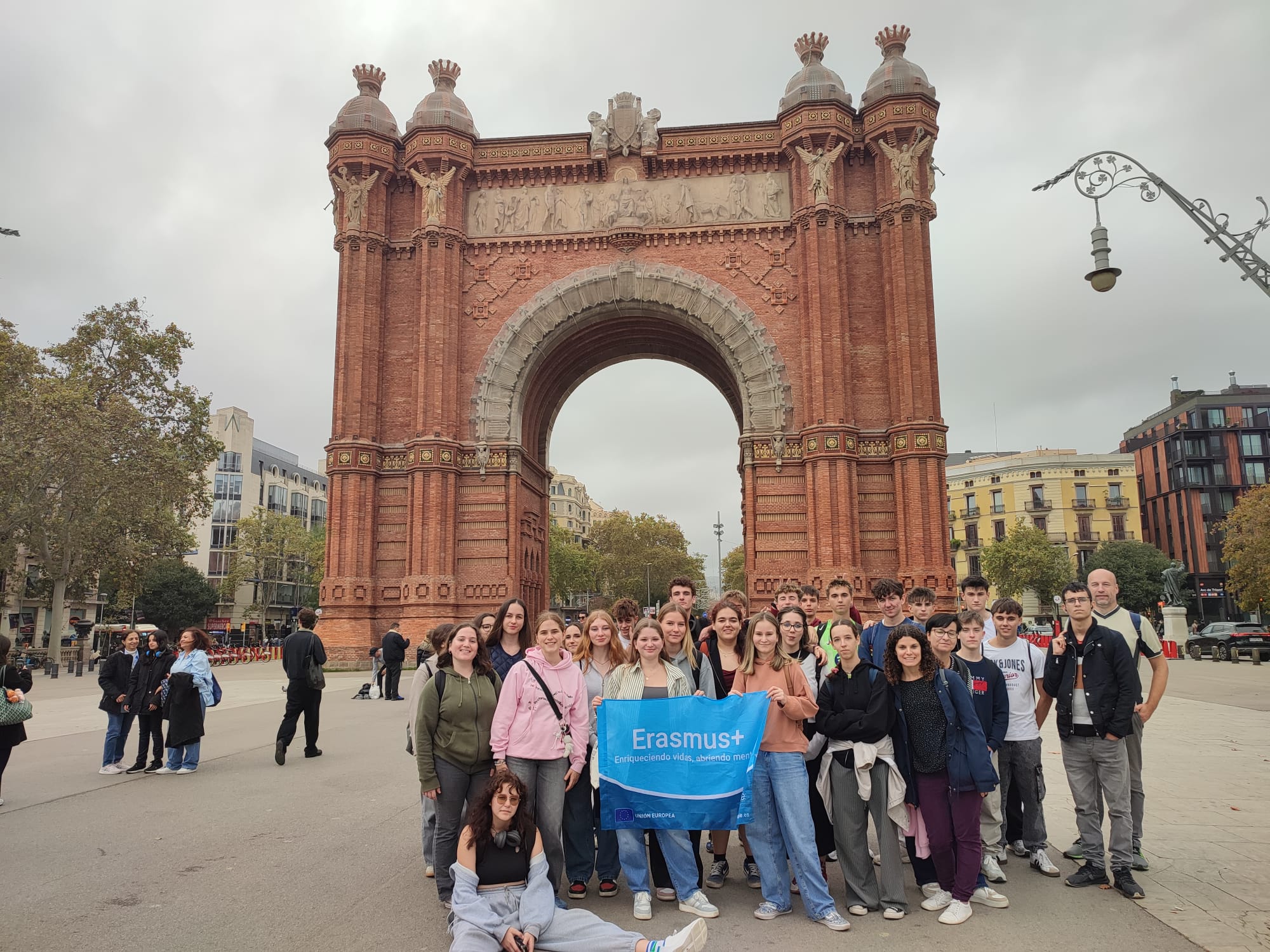
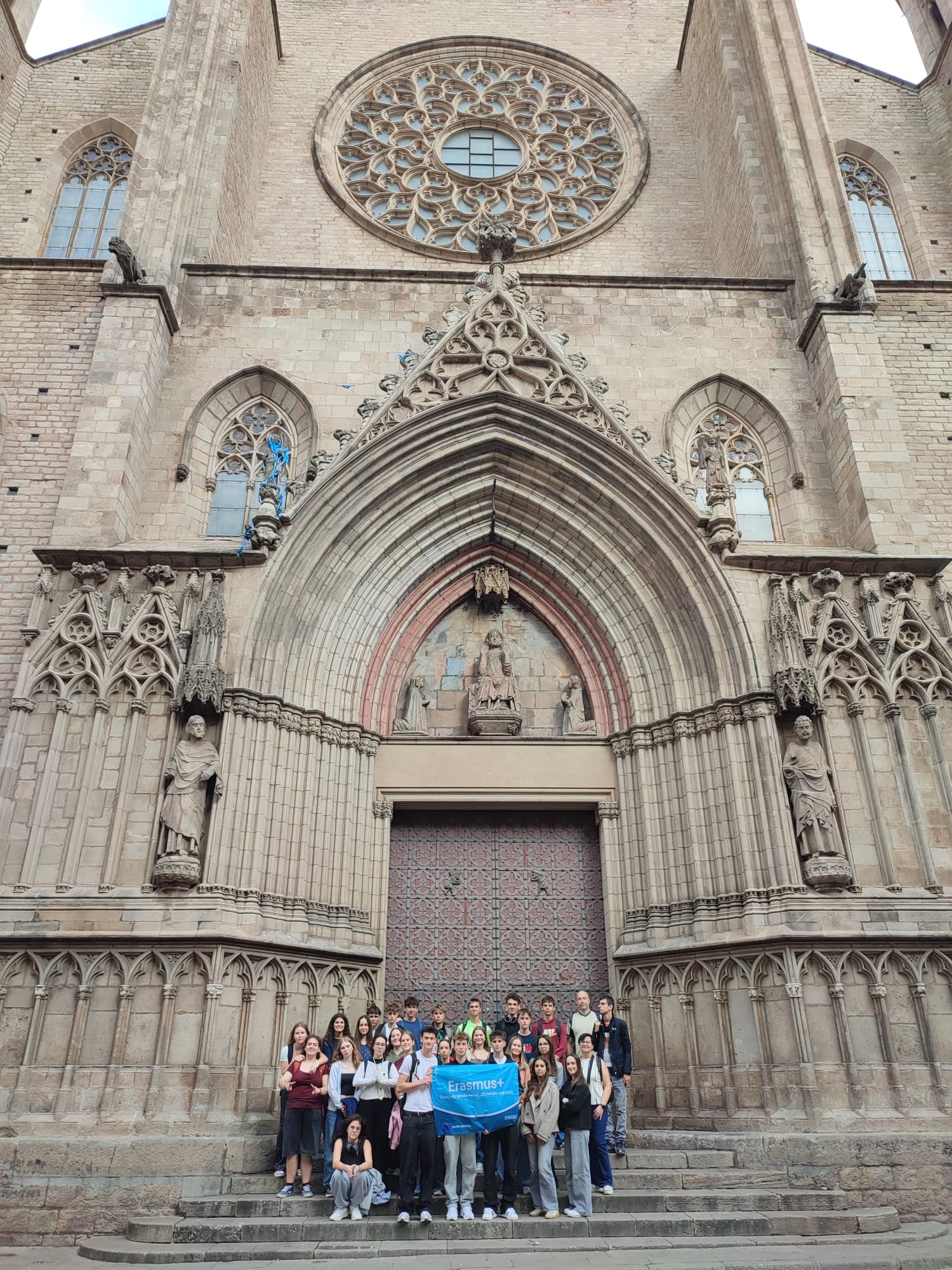
Vam començar el recorregut al Passeig de Gràcia, símbol del modernisme català, amb els bancs/farola de Pere Falqués, La Pedrera i la Casa Batlló de Gaudí i la Casa Amatller de Puig i Cadafalch. Després, ens vam endinsar al Barri Gòtic. Vam contemplar la Catedral de Barcelona, caminar pel Carrer del Bisbe i arribar a l’altra catedral, Santa Maria del Mar. Tot seguit, vam fer cap al Born, on vam contemplar l’arquitectura de ferro del mercat. I al Parc de la Ciutadella és on vam fer el pícnic i aprofitar per fer una estona de descans.
Havíem d’acabar la ruta a la vora de la mar, amb la part moderna de la Rambla de Mar, i una breu passejada per La Rambla. Però a última hora els professors txecs ens van demanar un canvi de ruta per poder veure la Sagrada Família. Vam sacrificar el passeig per la Barceloneta i La Rambla, però els vam poder complaure, i tancar el recorregut amb una de les icones més reconegudes del modernisme.
Un altre cop vam rondar els quinze quilòmetres caminats. Sembla que hem anat alternant esforç físic amb esforç mental. Per a l’últim dia de l’estada dels txecs, hi ha programada molta feina a les aules!
Architectural walking tour of Barcelona
Yesterday, on the fourth day of the hosting, we visited the city of Barcelona, as requested by the Czech school. From the different options we had offered them, they chose a walking route covering some of the city’s highlights, so we prepared an itinerary that would take us through a variety of architectural styles.
We began the tour on Passeig de Gràcia, a symbol of Catalan Modernism, where we saw the bench/lamp posts designed by Pere Falqués, La Pedrera and Casa Batlló by Gaudí, and Casa Amatller, by Puig i Cadafalch. Afterwards, we headed into the Gothic Quarter, where we admired the Cathedral of Barcelona, walked along Carrer del Bisbe, and continued on to the other cathedral, Santa Maria del Mar. We then moved on to the Born district, where we looked at the iron architecture of the market. At the Ciutadella Park we had our picnic and enjoyed some time to rest.
The plan was to finish the route by the sea, with the modern walkway of the Rambla de Mar and a short stroll along La Rambla. However, at the last moment the Czech teachers asked for a change in the route so they could see the Sagrada Família. We sacrificed the walk through Barceloneta and La Rambla, but were able to meet their request and end the tour at one of the most iconic Modernist landmarks.
Once again, we were close to fifteen kilometres walked. It seems we’ve been alternating physical effort with mental effort: on the last day of the Czech group’s stay, there is again plenty of work planned in the classrooms!