Finalistes a Wisibilízalas

Som un dels quatre finalistes de Wisibilízalas!!
Finalistes a Wisibilízalas Llegeix més »


Som un dels quatre finalistes de Wisibilízalas!!
Finalistes a Wisibilízalas Llegeix més »

Ja podem gaudir del resultat el projecte que han fet els alumnes de 1r d’ESO amb la col·laboració del departament de llengües estrangeres i el departament de naturals dins del Grup d’Experimentació Plurilingüe que el nostre centre ha començat enguany. Durant aquesta setmana els alumnes aniran publicant els articles científics dels organismes més estranys del
The end of the Science Project Llegeix més »

Avui (25 de gener de 2017) han tingut lloc les presentacions dels Treballs de Recerca dels alumnes de 2n de batxillerat. Ha estat una feina enorme amb molta dedicació i esforç que culmina amb la defensa del treball davant d’un tribunal format per tres professors del centre (un d’ells el tutor o tutora) i que
Treballs de Recerca Llegeix més »
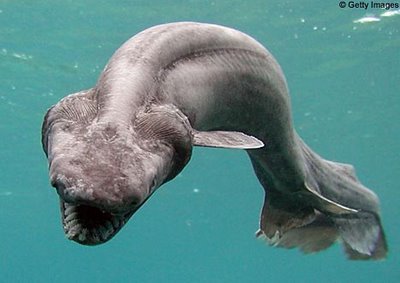
Today we talk about the frilled shark,its scientific name is Chlamydoselachus anguineu. The caracteristic of the frilled shark are: considered a living fossil. It reaches a leength of 4 meters and prehistoric shark has a dark brown colour, and eel body but has a shark head. It body has got a dorsal, pelvic, and
SCIENCE PROJECT. FRILLED SHARK 1 ESO D Llegeix més »
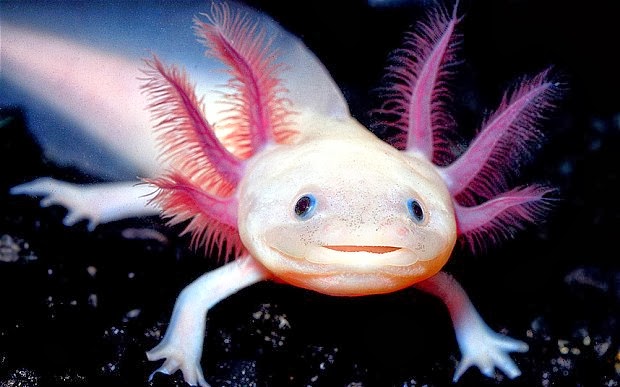
Name:axolotl Descripton: a sexually, wature abult axollot, at age 18-24 wonths, ranges in length from 15-45 cm, (6-18) in, althoug a size close to 23cm (9 in) is most comun and greater. Axolotls of various cotours occur in copty, incluiding greay shades of brown, leveistic (white, with, black eyes). The name axolotl « comes from
Science project. Axolotl 1ESO E Llegeix més »
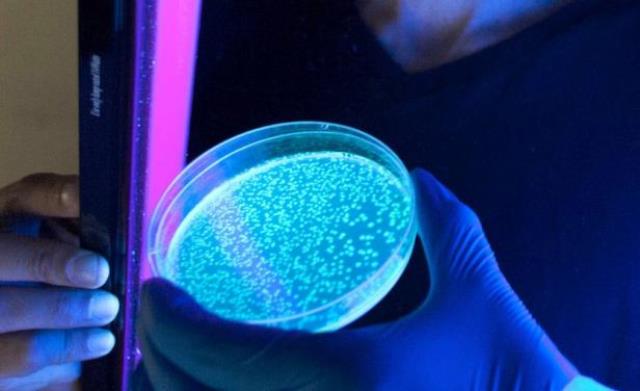
LYSINIBACILLUS SPHAERICUS Lysinibacillus sphaericus is a Gram positive bacterium in the floor, mesophyll that born naturally. It was isolated of a screw place in China on 1987. In extreme conditions Lysinibacillus sphaericus can produce endospores (that are cells that its function is secure the surviving of the living organism) its are resistant to hot temperatures,
Science project.Lysinibacillus sphaericus Llegeix més »
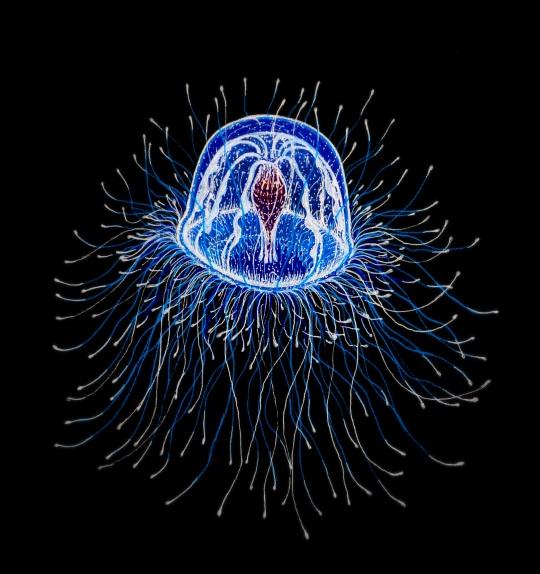
TURRITOPSIS NUTRICULA We think that the strangest organism in the Earth is Turritopsis nutricula. It’s a hidrozoo hidroideo jellyfish of the family of Oceanidae. It’s an original species from the Caribbean Sea, but now it’s around the world, in all the warm and tropical seas. Scientists have seen it from Colombia since Japan and also
SCIENCE PROJECT. TURRITOPSIS NUTRICULA. 1ESO D Llegeix més »
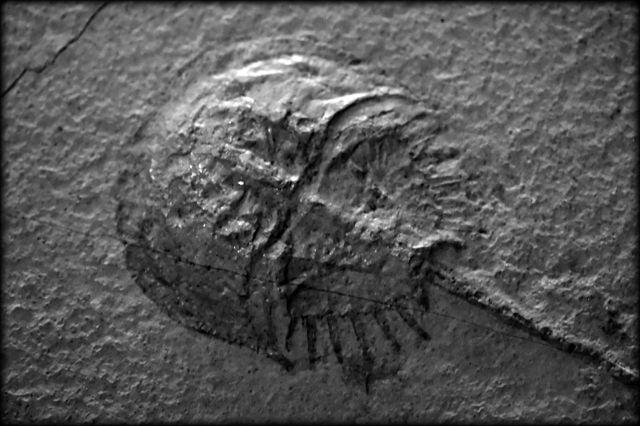
Limulus polyphemus or horseshoe crab, has extisted for over 300 milions years. Horseshoe crab evolved together with trilobites. The triolobites disappered at the end of the Paleozic Era, horseshoe crabs are survived several mass exictions,for these reason horseshoe crab are also commonly called livng fossil. It survived so much tanks to its smoot and curved shells. Horseshoe crab are more realated to spiders than crab. There are only four living species or horseshoe crab today. Limulus polyphemus resides on the eastern coastling on North and Central America. The three remaining species live in the castlines of Japan,India and Indonesia. Limulus eats small mollusks,aquatic worms,algae and carrion. Its body is grey and brown and it has a horseshoe shape separeted into a shell (crosoma) and an abdomen (apitosoma).The abdoment carries a caudal spine and a long mobile tail(telson). The shell is heaviling and has got two salients compund eyes and 7 simple eyes. At the bottom of the shell has 5 pais of walking legs. The mouth is located between the hips of walking legs, these have projections that help in the feeding. Behind them,there are a pair of appendage called chilari that form a kind of lower lip. Also the Limulus is animal that thank to its blood (blue color) can save you forma n illness,it lives in shallow coastal areas that areas that are usually contaminet.It brather and has a blue blood thanks that hemocyanims, one liter of it blood cost $15,000. To get that blood Limulus does not kill the animal, but it is caught by boats with rakes for molluscs. Then science are extracted by the 30% of their blood volumen,but they recover quickly and are give back to the sea. In conclusión we think that Limulus is the strengest speacie in the World because it’s different from all of the rest of speacies. It has note volved and It’s blood is blue. SOURCES: .http://www.sacredheart.edu/academics/collegeofartssciences/academicdepartments/biology/projectlimulus/ .www.waza.org/es/zoo/zoologico-virtual-galeria/limulus polipher. .www.quo.es/naturaleza/que-animal-a -salvado-mas-vidas.
Science Project. Limulus Polyphemus 1 ESO D Llegeix més »
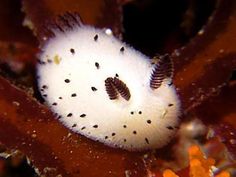
JORUNNA PARVA Jorunna parva is a strange animal because it’s a type os sea slug and it’s looks like a rabbit, but it’s not a rabbit. It’s a small animal, the most are less than 2.5 centimeters long and may be found in the Indo-Pacific Ocean of Africa South to the central Pacific, (Japan, Philippines, Seychelles, Papua New Guinea…). Although the most popular features of these animal show white animal with black spots, these sea slugs are usually yellow or orange. The two antennas on top of its head,are sensory organs. Called rhinophores, they detect chemicals substances in the water that helps sea bunnies find food and mates. The rhinophores are covered in little flaps that boost their detection capabilities, allowing Jorunna parva to sense its environment very efficiently. This animal eats sea sponges, this sea esponges are toxic, when they feed on them, absorb these toxins and used them to defend themselves against their enemies. The sea bunny, like most sea slugs, is a hermaphrodite. They have both male and female reproductive organs, and when they mate, both partners exchange spermatozoide. The Jorunna parva can live between four month and one year. www.nauticalnewstoday.com www.nationalgeographic.com BY: Fatima, Paula, Sergi
Science Project. Jorruna parva 1ESO D Llegeix més »
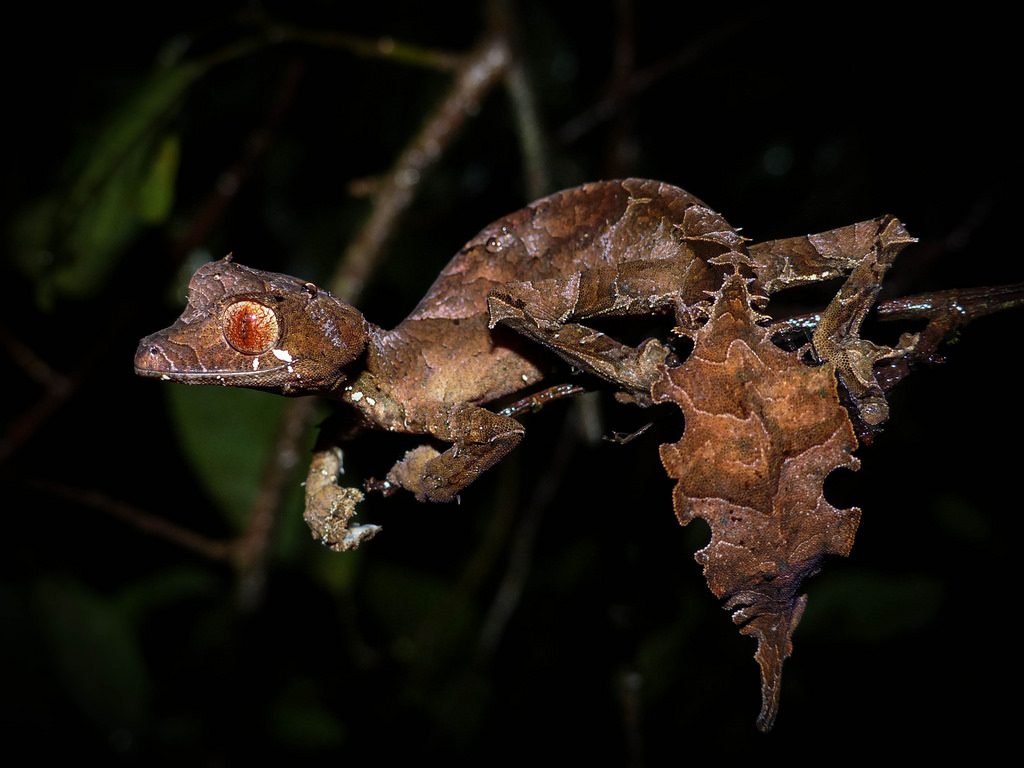
BAWENG SATANIC LEAF GECKO (Uroplatus phantasticus) We think that Urophlatus phantasticus is the strangest animal of the world, because it’s like a leaf. The baweng satanic leaf gecko, also known as the eyelash leaf gecko one the fantastic leaf lilied gecko, it’s a specie of lacertilian squamous reptile of the genus Uroplatus genus. This salamander
Science Project. BAWENG SATANIC LEAF GECKO (Uroplatus phantasticus) 1ESO D Llegeix més »