
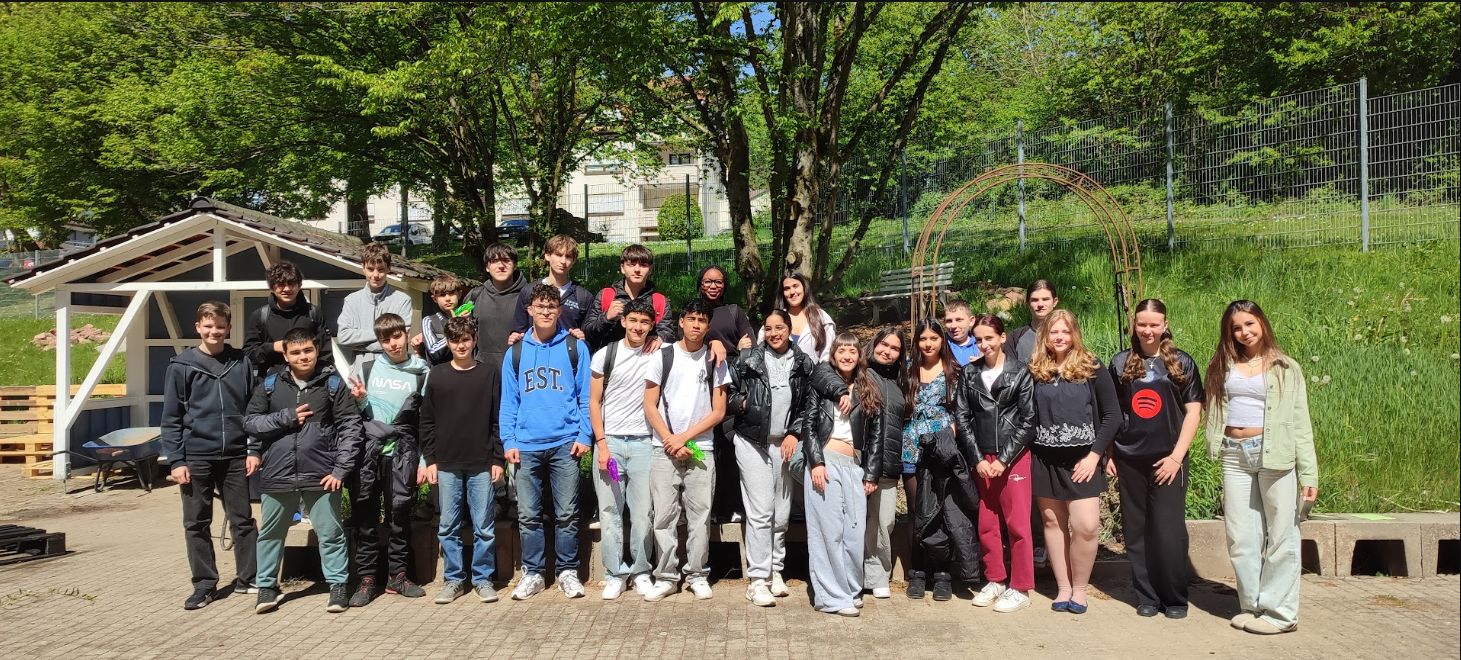
This spring, students and teachers from Institut Bellvitge travelled to Realschule Eberbach in Germany for a week of shared learning, culture and reflection as part of our Erasmus+ project “Healthy Online, Happy Offline.” Over five days, students from both schools worked, explored and reflected together on one big question: how do our digital habits shape our daily lives — and how can we make them healthier?
Here’s a look back at the week, day by day.
Monday: Getting to Know Each Other
The week kicked off with a welcome activity and ice-breaker games, giving German and Spanish students the chance to relax and get to know one another before the real work began. Teachers then formally presented the project, setting out the theme for the week.
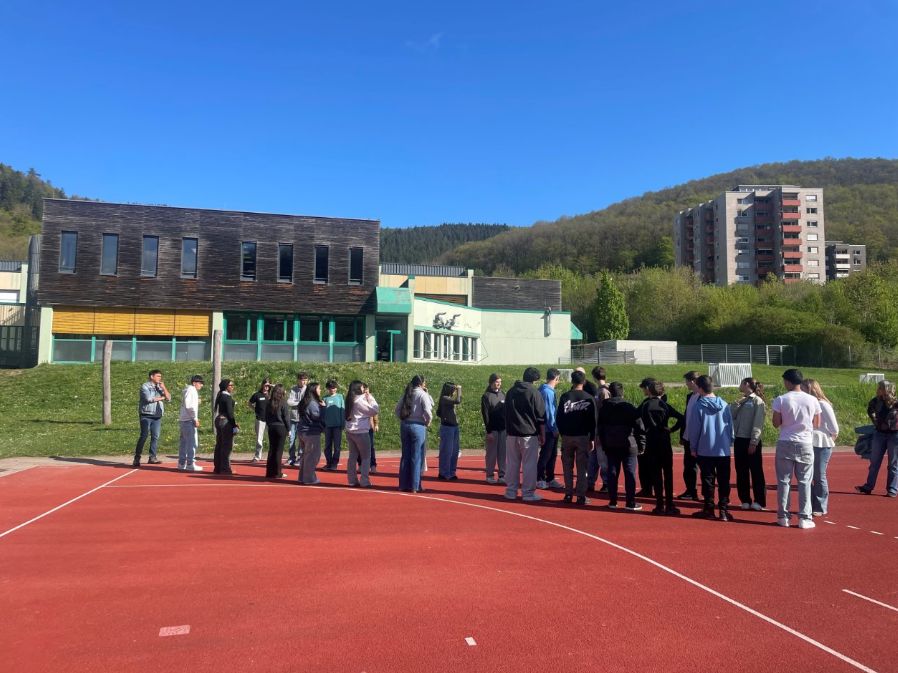
With introductions done, we set the theme for the week: a reflection and analysis of our digital habits. Students were welcomed with a provocative quote to get the discussion going: “If the product is free, YOU are the product.” It sparked lively debate — did they agree? Why or why not? Then, students took on a real challenge: handing in their phones to begin a 24-hour mobile phone detox, going without their devices for a full day to see what changes.
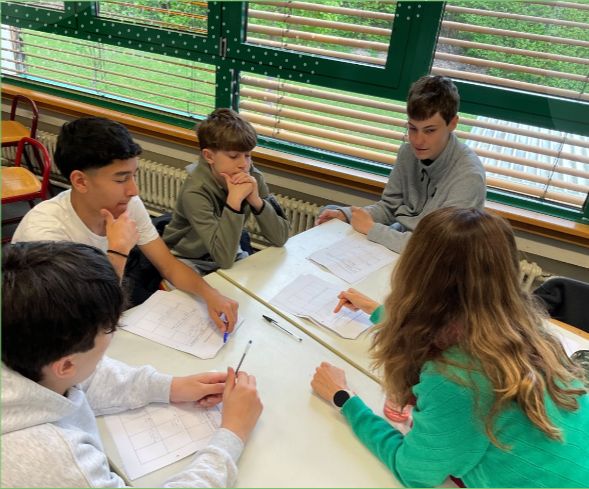
From there, students moved into a personal reflection activity called “Digital Devices and Me,” thinking individually and in small groups about their own relationship with their phones, tablets and laptops
In the afternoon, the group swapped screens for streets with a guided walking tour of Eberbach’s old town, taking in the town’s half-timbered houses, historic tower and charming winding lanes.


Tuesday: Data, Detox and Two Paths of Discovery
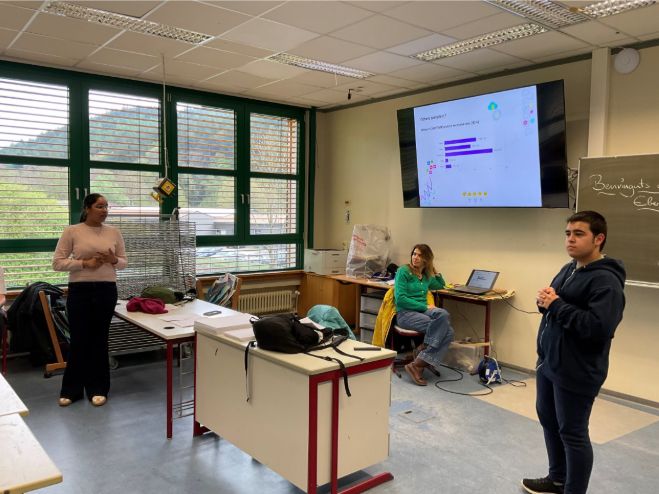
Tuesday morning began with the results: students presented and compared the data from their online habits survey — answered by students from both schools before the mobility — and pooled their conclusions on a collaborative Padlet. At midday, the 24-hour detox came to an end, and students reflected on the experience of a full day without their phones.
The group then split into two. Half the students took part in the first video editing workshop, while the other half put themselves in the shoes of a neuroscientist, working through an activity (and watching a short film on the science of phone addiction) to understand, from the brain’s point of view, why digital devices are so hard to put down.
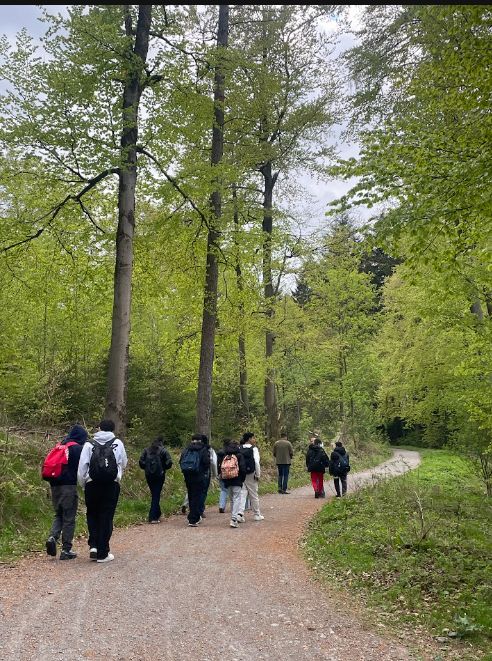
In the afternoon, we left the classroom behind for the mountains: the group took the Heidelberg funicular (Bergbahn) up to the Königstuhl, for a scenic walk with sweeping views over the city
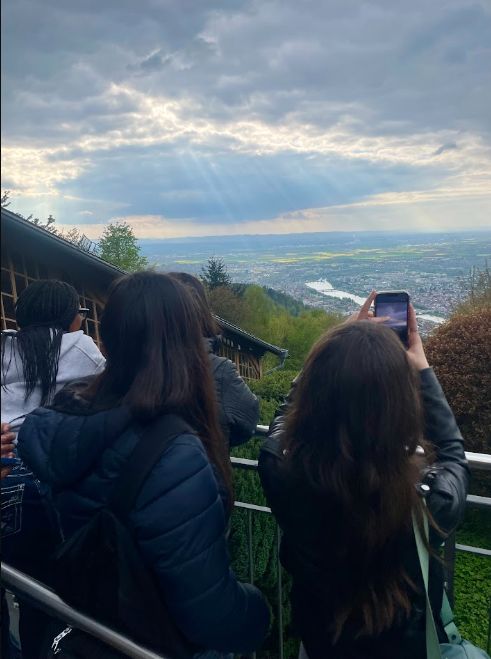
Wednesday: A Trip to Heidelberg
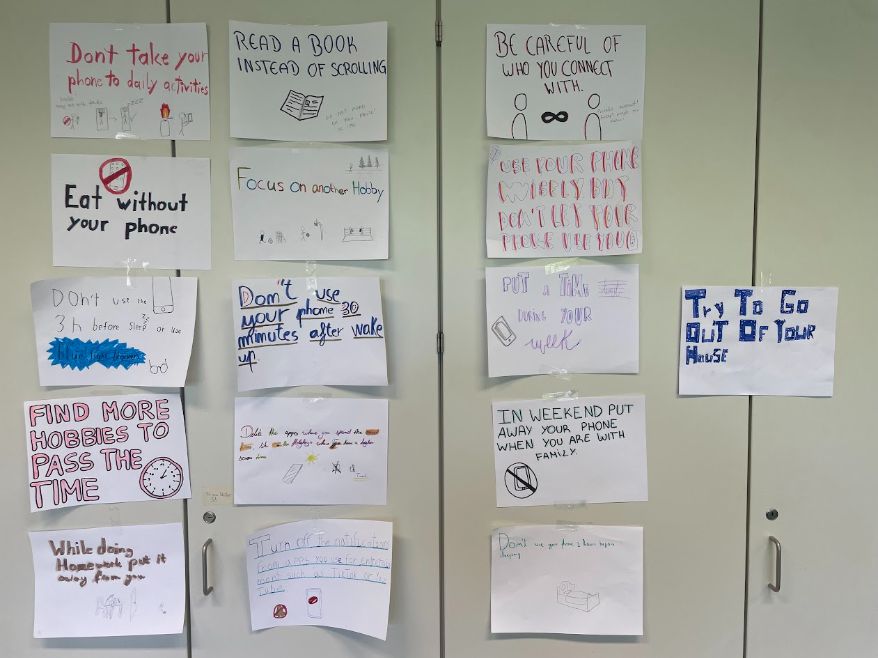
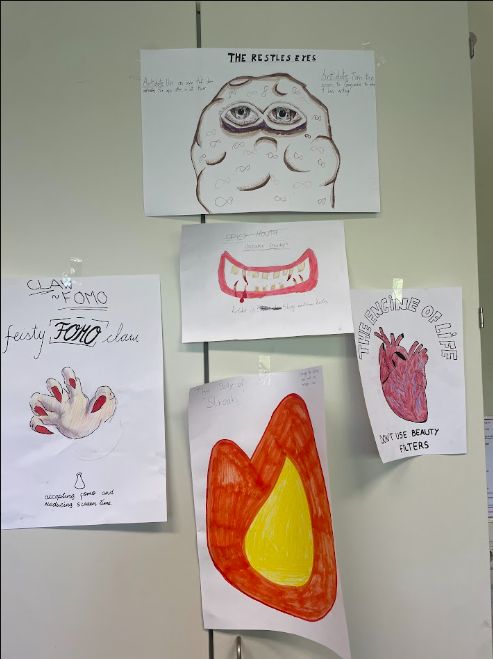
Wednesday, half the students went on with the video workshop, while the other half took on a mission — investigating a specific “addiction trigger” used by apps and games and finding its “antidote,” building their own “attention monster” along the way as a hands-on way of representing the tricks apps use to hook their users. The morning finished with each group writing a healthy decalogue: ten rules for a better relationship with technology. Students then began the first steps of their digital poster campaign, using Canva to start turning their ideas into design proposals.
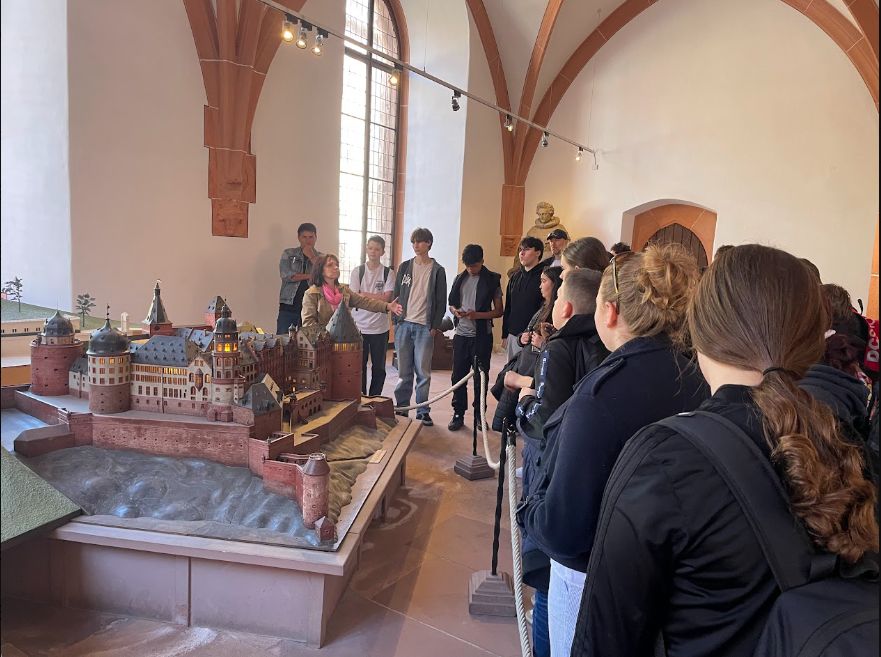
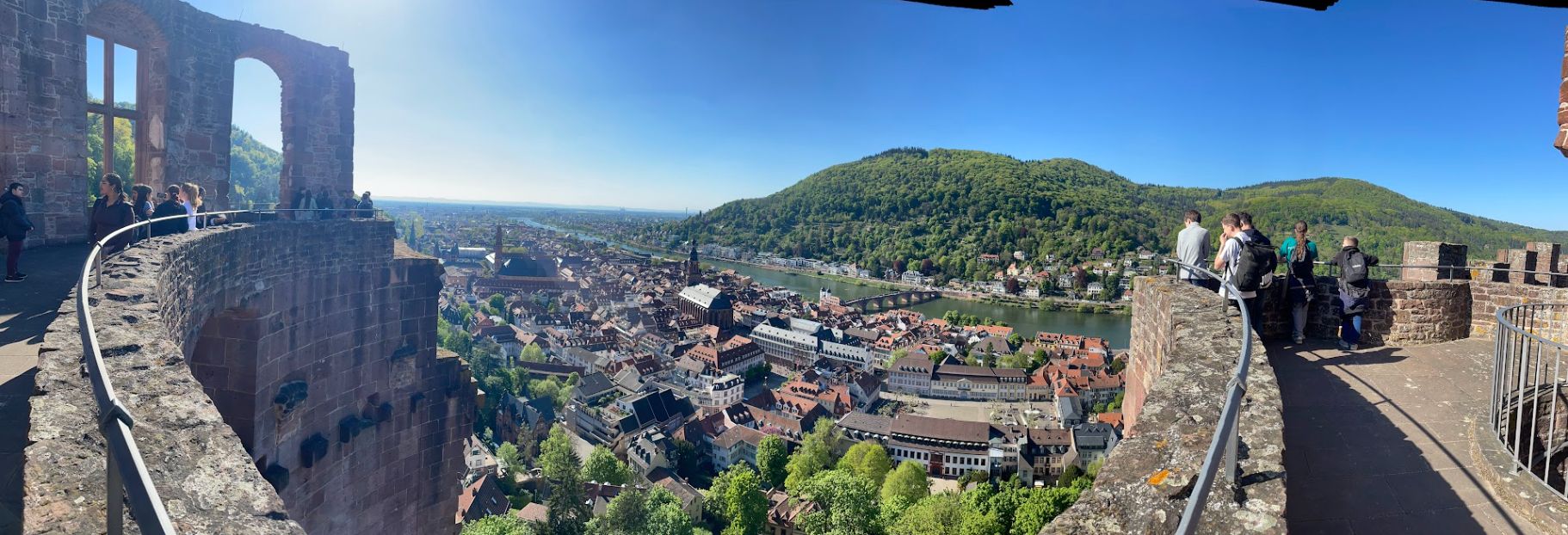
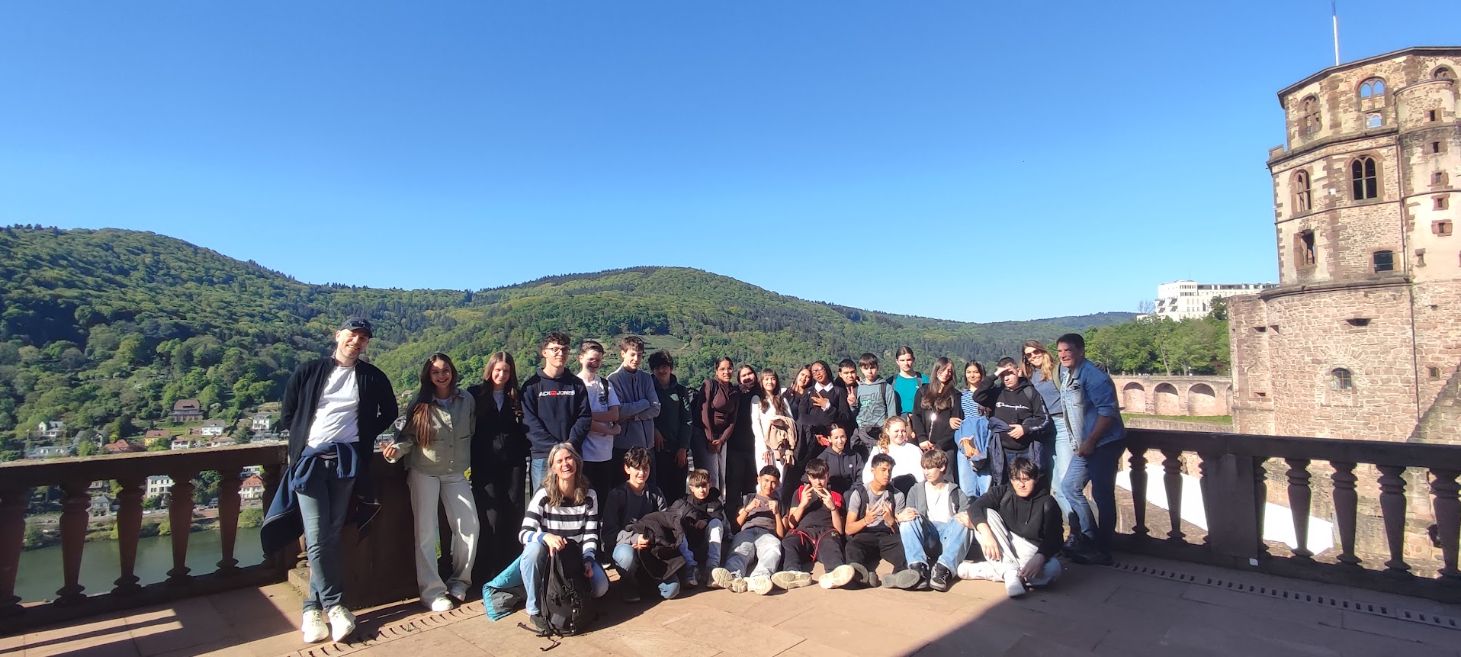
In the afternoon, the whole group enjoyed a guided tour of Heidelberg Castle, exploring its towers, courtyards and underground passages.
Thursday: Designing for Change
Thursday was dedicated to finishing the week’s big creative challenge: designing a digital poster campaign for their high school, proposing practical ways to improve how students use mobile phones, social media and video games. The posters brought together everything from the week — the survey data, the addiction triggers, the decalogues — into concrete, creative proposals, alongside the videos created earlier in the two video workshops.
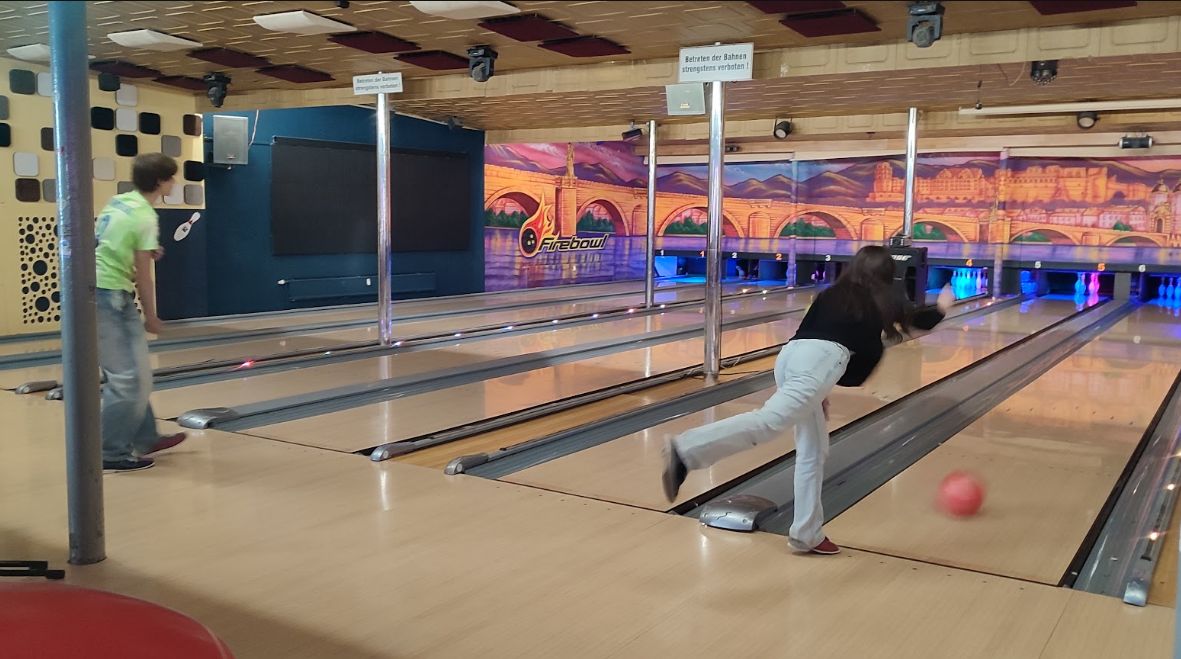
To celebrate a week of hard work, German and Catalan students went bowling. It was so much fun!
Friday: Final Presentations and Farewells
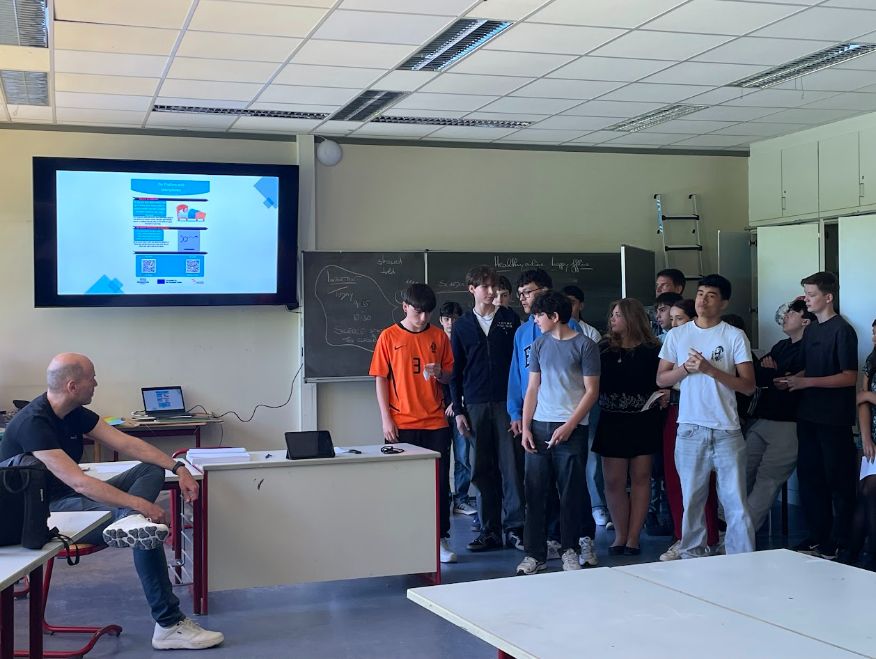
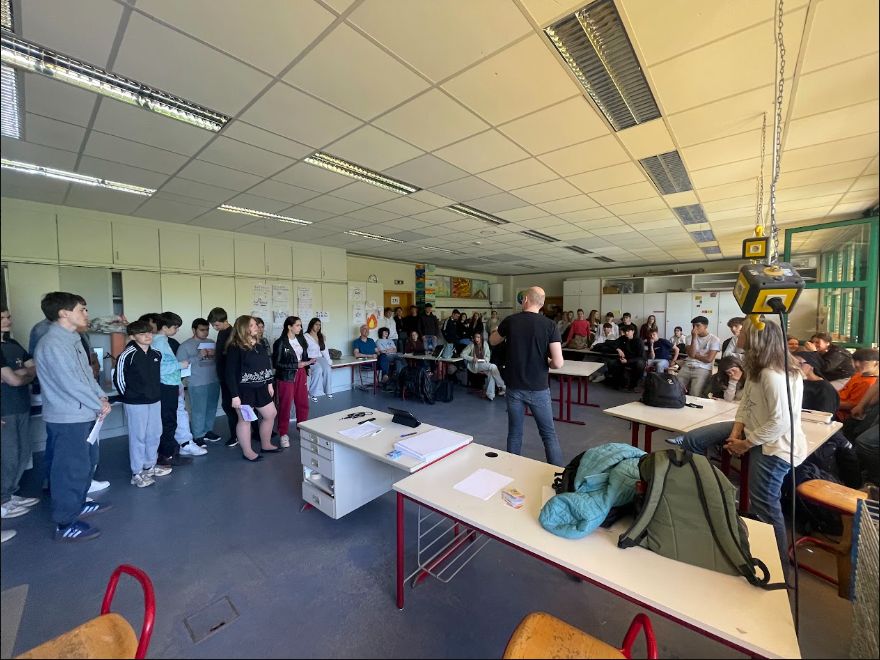
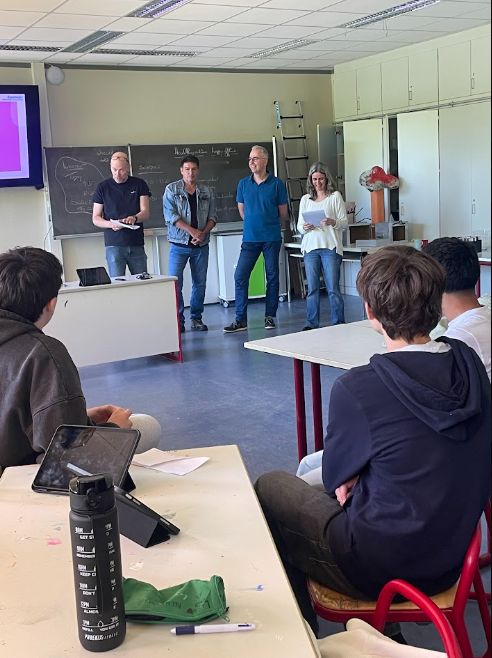
On the final morning, students delivered their final presentations of the digital poster campaigns, in front of a jury audience made up of the school headmaster and fellow students at Realschule Eberbach — a proud moment after a week of collaboration between the two schools.
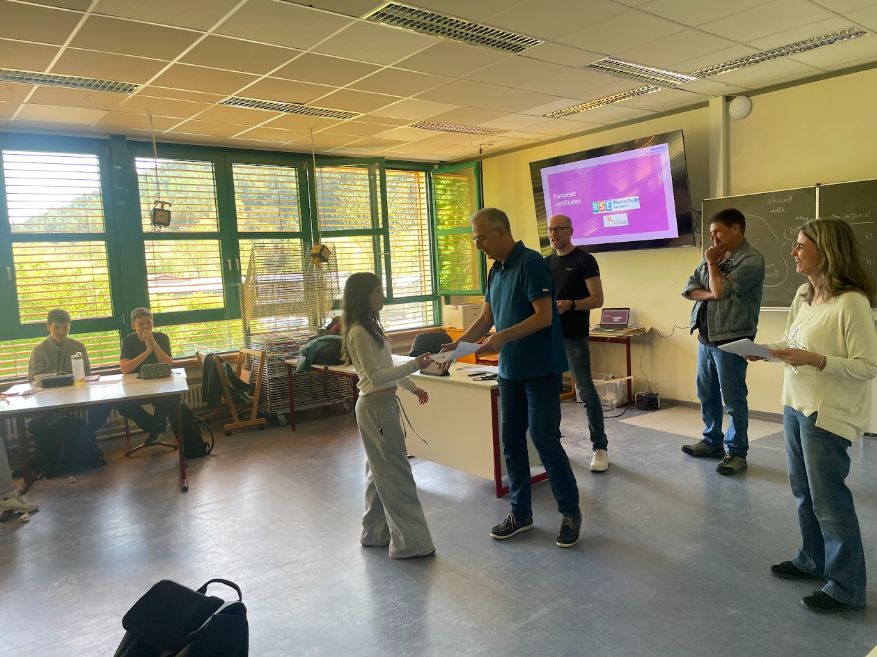
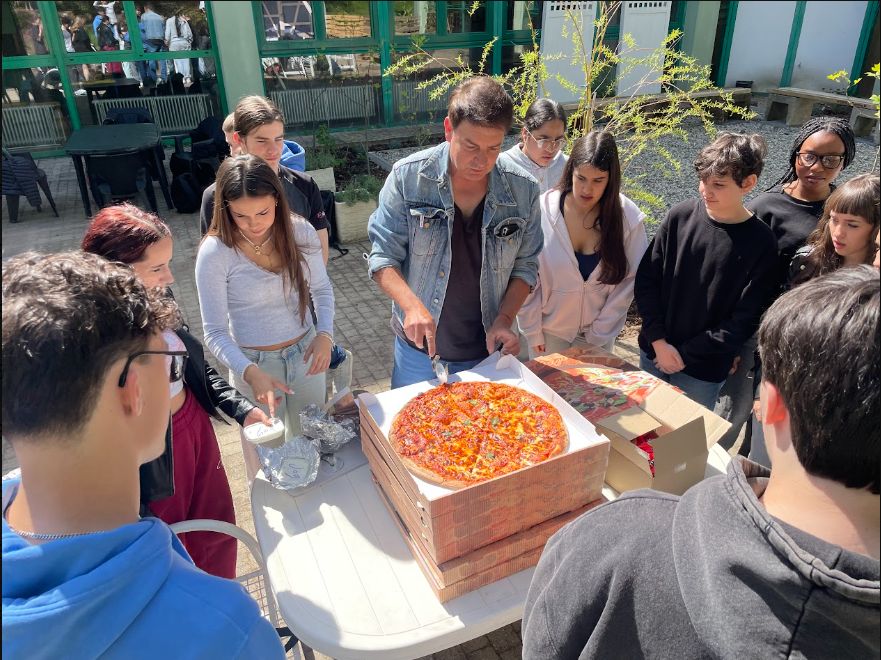
The mobility closed with a goodbye party and diploma ceremony, where every student received a certificate for completing the challenge, followed by a well-earned pizza lunch shared together by the whole group before departure.
A Heartfelt Thank You
None of this would have been possible without the extraordinary generosity of Realschule Eberbach. We want to extend our deepest thanks to the whole school community — the staff, who welcomed us with open arms and helped every activity run smoothly, and the students, who made our group feel at home from the very first ice-breaker to the final goodbye party.
Our warmest and most heartfelt thanks go to Jochen and Wolfgang, our hosting teachers, whose planning, dedication and warmth made this mobility such a rich and unforgettable experience for all our students. Thank you for everything you did to make us feel truly “Happy to Host.”
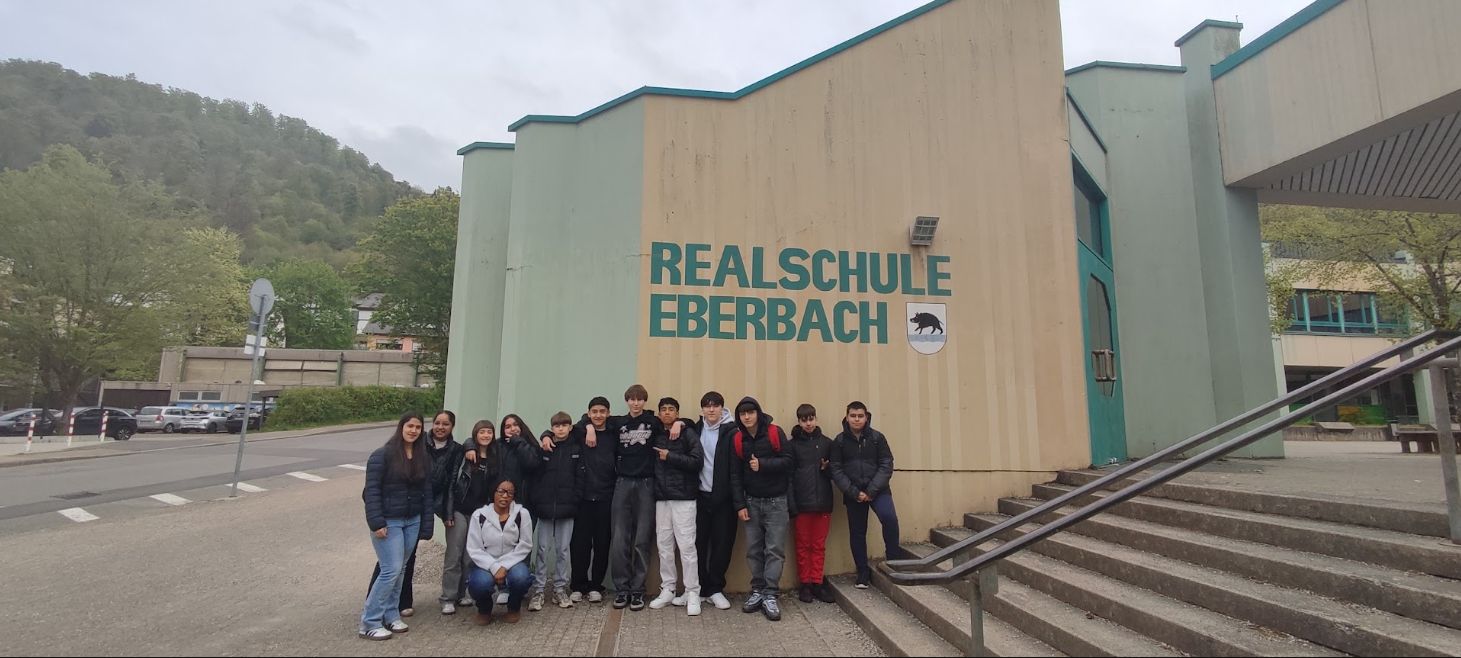
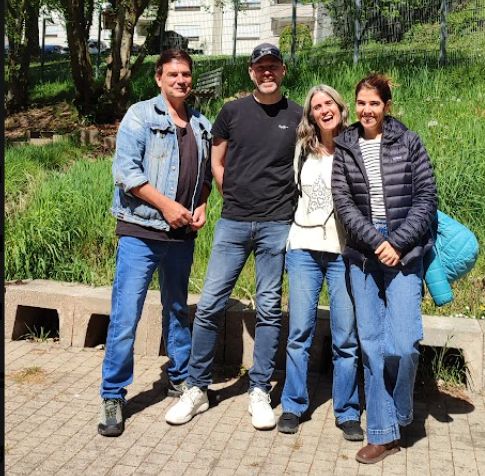
This mobility was made possible thanks to the Erasmus+ Programme of the European Union, and to the warm hospitality of Realschule Eberbach and all the host families who made our students feel truly “Happy to Host.” Follow the full project, including student worksheets and presentations, on our project website.